Strategic Integration of Horticultural Coarse Perlite in Modern Cultivation
In the rapidly evolving landscape of commercial horticulture and agriculture, the selection of optimal growing media is paramount for achieving superior crop yields, resource efficiency, and long-term sustainability. Among the myriad options, Horticultural Coarse Perlite has emerged as a cornerstone component, valued for its inert, sterile, and highly porous characteristics. This detailed exposition delves into the technical facets, strategic advantages, and application methodologies of this essential horticultural amendment, providing B2B decision-makers and cultivation engineers with the comprehensive insights required to optimize their operations.
Our analysis will cover prevailing industry trends, intricate manufacturing processes, precise technical specifications, and real-world application scenarios, underscoring its pivotal role in contemporary plant science.
Current Industry Trends in Horticultural Media
The global horticulture industry is experiencing significant shifts driven by demands for increased food security, sustainable practices, and controlled environment agriculture (CEA). Key trends include:
- Sustainable Sourcing: A heightened focus on environmentally responsible material acquisition and processing, reducing carbon footprints.
- Hydroponic and Aeroponic Expansion: The rapid growth of soilless cultivation systems necessitates inert, stable, and high-performance growing media.
- Precision Agriculture: Demand for media that allows for precise control over nutrient delivery and root zone environments.
- Disease Management: Preference for sterile media to mitigate soil-borne pathogens and reduce reliance on chemical treatments.
- Water Conservation: Media that optimize water retention while ensuring adequate drainage are increasingly valued in regions facing water scarcity.
Within this dynamic context, Perlite Horticultural Media remains a preferred choice due to its inherent advantages that align perfectly with these evolving industry priorities. Its inert nature and excellent physical properties contribute directly to meeting sustainability and efficiency goals.
Manufacturing Process of Horticultural Coarse Perlite
The transformation of raw perlite ore into high-quality Horticultural Coarse Perlite involves a meticulously controlled thermal expansion process, ensuring the final product possesses the desired physical and chemical characteristics for horticultural applications. The process flow is as follows:
Detailed Manufacturing Process Steps:
- Mining and Extraction: Raw perlite ore, a naturally occurring volcanic glass containing 2-6% entrapped water, is extracted from open-pit mines. The ore is characterized by its high silica content and amorphous structure.
- Crushing and Sizing: The mined ore undergoes primary crushing to reduce its size, followed by precision screening and classification. This step is critical to achieve a consistent particle size distribution for optimal expansion and to meet specific coarse grade requirements for Horticultural Coarse Perlite.
- Pre-heating and Drying: The sized perlite particles are gradually heated to remove surface moisture, preventing thermal shock during the expansion phase and ensuring uniform processing.
- Thermal Expansion (Furnace Processing): This is the core process. The pre-heated perlite is rapidly introduced into a vertical furnace operating at temperatures typically between 800°C and 1100°C (1472°F - 2012°F). The rapid heating causes the entrapped water within the perlite particles to vaporize and expand, creating countless microscopic bubbles. This process causes the perlite to 'pop' like popcorn, expanding up to 20 times its original volume. This results in its characteristic lightweight, cellular structure.
- Cooling and Dust Collection: The expanded perlite is quickly cooled. Integrated dust collection systems capture fine particles, ensuring product purity and environmental compliance.
- Final Screening and Quality Control: The expanded perlite undergoes a final screening to ensure the correct coarse grade particle size, as specified for Horticultural Coarse Perlite. Rigorous quality control checks, often adhering to ISO 9001 standards, are performed for bulk density, pH, water retention, and particle size distribution. ANSI/ASTM standards for perlite aggregates may also apply for specific industrial applications, though for horticulture, the focus is on horticultural performance metrics.
- Packaging: The finished product is packaged into various sizes, from bulk bags to smaller consumer units, ensuring integrity and sterility until use.
The service life of Horticultural Coarse Perlite in growing media can extend for many years, as it is mineral-based and does not decompose. Its physical structure remains stable, making it a highly durable component in long-term cultivation systems.
Target Industries: The primary target industries benefiting from Horticultural Coarse Perlite include commercial horticulture (e.g., vegetable, flower, and ornamental plant production), hydroponic and aquaponic farms, propagation nurseries, cannabis cultivation, container111 gardening, and landscape development. Its advantages in these scenarios are numerous, including enhanced root aeration leading to vigorous growth, superior drainage preventing waterlogging and root diseases, and its inert nature which ensures no nutrient interference. This translates to energy saving through optimized water and fertilizer use, and improved disease resistance due to sterile conditions.
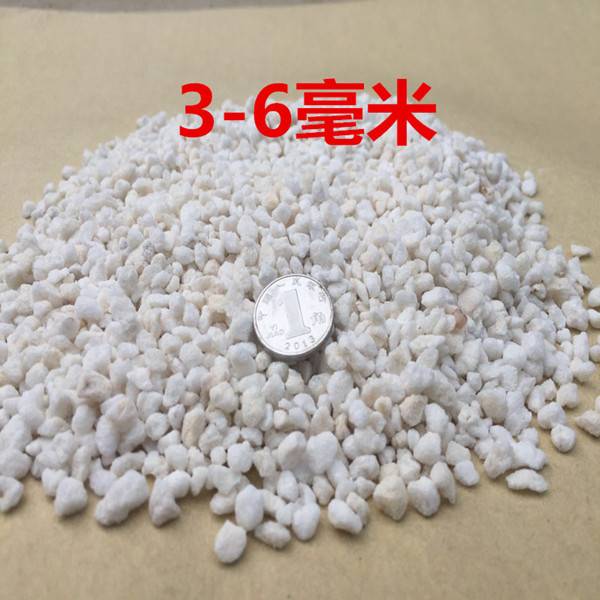
Image 1: An overview of a perlite expansion facility, demonstrating the scale of processing involved in producing high-quality Horticultural Coarse Perlite.
Technical Specifications and Performance Parameters
The efficacy of Horticultural Coarse Perlite is quantified by a range of specific technical parameters that dictate its performance in diverse growing applications. These specifications ensure consistency and predictable outcomes for commercial growers.
Key Technical Specifications of Horticultural Coarse Perlite
| Parameter | Typical Value / Range | Measurement Standard (Approx.) | Horticultural Significance |
|---|---|---|---|
| Bulk Density (Loose) | 60-120 kg/m³ (3.7-7.5 lb/ft³) | ASTM C549 | Extremely lightweight, reduces shipping costs and makes handling easier; prevents compaction in media. |
| pH Range | 6.5 - 7.5 (Neutral) | ISO 10390 | Chemically inert; does not alter soil pH, allowing growers precise control over nutrient availability. |
| Water Holding Capacity (WHC) | 30-50% by volume | Internal Method/ASTM C29 | Retains moisture for plant uptake while ensuring adequate drainage, reducing irrigation frequency. |
| Air Porosity | 35-55% by volume | Internal Method/ASTM C29 | Provides essential oxygen to root systems, preventing anaerobic conditions and promoting healthy root development. |
| Particle Size (Coarse Grade) | Typically 2 mm - 6 mm | ASTM C136/C117 | Optimal for enhancing drainage and aeration in potting mixes, particularly for larger container111s or hydroponics. |
| Sterility | Pathogen-free, Weed-seed-free | Manufacturing Process (High Heat) | Minimizes risk of soil-borne diseases and weed infestations, crucial for propagation and sensitive crops. |
| Chemical Composition (Typical) | ~70-75% SiO₂, 12-15% Al₂O₃, 3-5% K₂O, etc. | XRF Analysis | Inert and stable, does not release harmful elements or tie up nutrients. |
These parameters underscore why Horticultural Coarse Perlite is an indispensable component for growers seeking consistent, high-performance growing media. Its unique physical structure, resulting from the expansion process, grants it unmatched capabilities in aeration and drainage.
Key Technical Advantages
The advantages of integrating Horticultural Coarse Perlite into cultivation systems extend beyond its basic properties, offering significant operational and economic benefits:
- Superior Aeration and Drainage: The porous, irregular structure of Perlite Horticultural Media creates vast airspace within the growing medium, crucial for root respiration and preventing waterlogging, which can lead to root rot.
- Optimal Water Retention: Despite excellent drainage, its surface texture and internal cavities allow it to hold significant amounts of water and nutrients, which are gradually released to plants, reducing irrigation frequency and nutrient leaching.
- Inert and Stable: Horticultural Coarse Perlite is pH neutral, sterile, and chemically inert, meaning it will not react with fertilizers, interfere with nutrient uptake, or introduce pathogens, offering a stable environment for sensitive crops.
- Lightweight: Its low bulk density significantly reduces the weight of potting mixes, easing handling, reducing transportation costs for large-scale operations, and allowing for lighter hanging baskets or rooftop gardens.
- Non-Compacting: Unlike organic components, perlite does not degrade or compact over time, maintaining its physical structure and benefits throughout the plant's life cycle and even across multiple growing seasons if reused.
- Thermal Insulation: The entrapped air within perlite’s structure provides a degree of thermal insulation, buffering root temperatures against extreme fluctuations, which is particularly beneficial in fluctuating climates or controlled environments.
These combined advantages contribute directly to healthier plant growth, increased yields, and more efficient resource utilization, providing a clear competitive edge for commercial growers employing Perlite Horticultural Media.
Application Scenarios for Horticultural Coarse Perlite
The versatility of Horticultural Coarse Perlite makes it suitable for a wide array of cultivation practices, from professional nurseries to advanced hydroponic systems. Its specific properties are leveraged to address particular challenges and optimize growth conditions across various applications:
- Potting Mixes & Container Growing: As a primary amendment, it's mixed with peat, coco coir, or other substrates to improve drainage, aeration, and reduce compaction in container111s of all sizes for flowers, vegetables, and ornamentals.
- Hydroponic Systems: Used as a standalone inert medium or in conjunction with rockwool or coco slabs in drip, ebb and flow, or deep water culture (DWC) systems. Its excellent air porosity and water retention make it ideal for supporting root systems without nutrient tie-up.
- Seed Starting & Propagation: The sterile, lightweight nature of Perlite Horticultural Media provides an ideal environment for delicate seedlings and cuttings, promoting strong root development and minimizing damping-off disease.
- Soil Amendment: Incorporated into heavy clay soils or compacted garden beds to improve soil structure, increase drainage, and enhance aeration, creating a more hospitable environment for root penetration and overall plant health.
- Green Roofs & Vertical Farms: Its lightweight property is a critical advantage for structural considerations in green roof systems and vertical farming setups, reducing load while providing excellent drainage and water management.
- Tree & Shrub Planting: Mixed into backfill for planting trees and shrubs, particularly in areas with poor drainage, to ensure robust root establishment and reduce transplant shock.
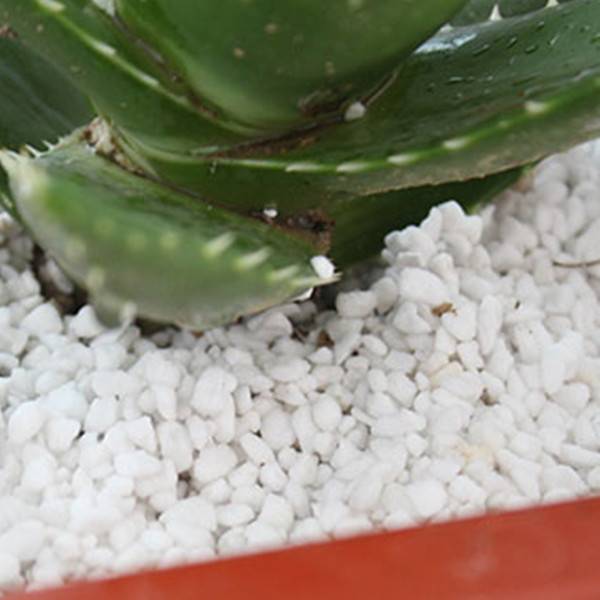
Image 2: Horticultural Coarse Perlite integrated into a commercial nursery's potting mix for robust plant development.
These diverse applications highlight the essential role of Horticultural Coarse Perlite in modern, high-efficiency agricultural operations, demonstrating its flexibility and foundational benefits across the horticultural spectrum.
Customized Solutions for Perlite Horticultural Media
Understanding that each cultivation operation has unique requirements, specialized suppliers offer tailored solutions for Perlite Horticultural Media. Customization focuses on delivering products that precisely meet specific agronomic needs, thus maximizing performance and cost-effectiveness.
- Particle Size Customization: While "coarse" is a general grade, advanced suppliers can provide specific sieving to achieve finer or larger particle distributions (e.g., fine, medium, coarse, super coarse) to suit various plant stages (seedling vs. mature plant) or system types (hydroponics vs. potting mixes).
- Blended Media Formulations: Suppliers work with growers to create custom growing media blends, integrating Horticultural Coarse Perlite with other components like coco coir, peat moss, or compost, in precise ratios to optimize for specific crops, climates, or cultivation systems.
- Packaging and Delivery Options: From large bulk bags (e.g., 1-3 cubic meters) for industrial-scale operations to smaller, precisely measured bags for specialized nurseries, packaging can be customized to streamline logistics and reduce waste.
- Logistical Support: Customized delivery schedules, warehousing solutions, and just-in-time inventory management services can be arranged to ensure a consistent supply chain for high-volume users of Perlite Horticultural Media.
- Quality Assurance & Certification: For specialized applications, particularly in controlled environments or organic cultivation, suppliers can provide enhanced quality assurance documentation, including specific batch testing results or certifications (e.g., OMRI Listed for organic use, if applicable for specific processing).
These customized services enable growers to acquire Perlite Horticultural Media that is perfectly aligned with their operational parameters, leading to superior crop performance and streamlined production workflows.
Vendor Comparison: Selecting the Right Partner for Perlite Horticultural Media
Choosing the right supplier for Horticultural Coarse Perlite is a strategic decision that impacts product consistency, supply chain reliability, and overall operational efficiency. A critical evaluation of potential vendors based on key performance indicators is essential.
Comparison of Perlite Horticultural Media Suppliers (Illustrative Example)
| Feature | Vendor A (e.g., Kehui Mica) | Vendor B (Competitor) | Vendor C (Specialty) |
|---|---|---|---|
| Product Quality Consistency | Excellent (ISO 9001, Batch Testing) | Good (Standard QA) | Very Good (Niche Market Focus) |
| Customization Options | Extensive (Particle Size, Blends, Packaging) | Limited (Standard Grades Only) | Moderate (Some Blending) |
| Lead Time (Standard Orders) | 3-5 Business Days | 7-10 Business Days | 5-7 Business Days |
| Technical Support | Dedicated Agronomist Support | Standard Customer Service | Product Specialists |
| Certifications (e.g., ISO, OMRI) | ISO 9001 Certified, OMRI Capable | Basic Compliance | Specific Organic Certifications |
| Pricing Model | Competitive Volume-based | Standard Per Unit | Premium for Niche Products |
This comparative analysis highlights that while basic Perlite Horticultural Media is widely available, factors such as consistent quality, customization capabilities, and responsive technical support are crucial differentiators. A supplier like Kehui Mica, with robust certifications and customer-centric services, positions itself as a strategic partner for advanced horticultural operations.
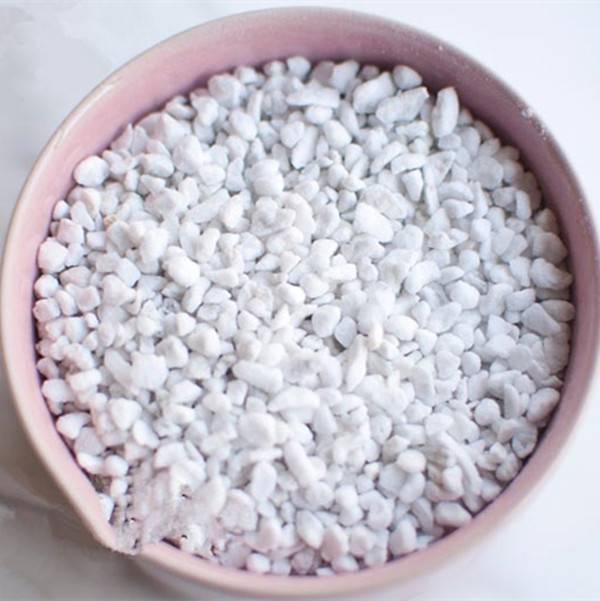
Image 3: Palletized bags of Horticultural Coarse Perlite awaiting shipment, demonstrating readiness for large-scale distribution.
Real-World Application Case Studies
The practical application of Horticultural Coarse Perlite has consistently delivered measurable improvements in various commercial settings. These case studies exemplify its impact:
Case Study 1: Large-Scale Hydroponic Lettuce Farm
Client: AgriGreen Hydroponics, a 10-acre indoor farm specializing in leafy greens.
Challenge: Previous media (rockwool) led to inconsistent moisture levels and occasional root asphyxiation, particularly in warmer sections of the greenhouse, resulting in a 5-7% crop loss and slower growth cycles.
Solution: AgriGreen transitioned to a 100% Horticultural Coarse Perlite substrate for their nutrient film technique (NFT) system. The lightweight nature and superior aeration provided by the coarse grade perlite eliminated anaerobic conditions at the root zone.
Results: Within three months, crop loss due to root issues was reduced to less than 1%. Growth cycles shortened by an average of 3 days, leading to an increase in annual yield by approximately 8%. The farm also reported a 15% reduction in water usage due to improved nutrient uptake efficiency and reduced runoff, affirming the environmental and economic benefits of Perlite Horticultural Media.
Case Study 2: Organic Nursery for Ornamental Shrubs
Client: Bloom & Grow Organics, a regional nursery producing premium organic ornamental shrubs in 5-gallon container111s.
Challenge: Their previous organic potting mix, primarily peat and compost, showed signs of compaction and poor drainage, leading to waterlogged roots during heavy rainfall and extended drying times between irrigation cycles. This hindered root development and increased susceptibility to fungal diseases.
Solution: The nursery incorporated a 30% volume of Horticultural Coarse Perlite into their organic potting mix. This improved the structural integrity of the mix, significantly increasing air porosity and drainage capacity.
Results: The addition of perlite led to a dramatic reduction in fungal root diseases, with incidence falling by over 50%. Plants exhibited visibly stronger and more extensive root systems. The improved drainage allowed for more consistent moisture management, leading to healthier foliage and a 10% increase in plant marketability. The inert and sterile nature of Perlite Horticultural Media also ensured no interference with their organic certification.
Frequently Asked Questions (FAQ) about Horticultural Coarse Perlite
Q1: What is the ideal blending ratio for Horticultural Coarse Perlite in potting mixes?
A1: While ratios vary based on crop and desired drainage, a common starting point is 25-30% Horticultural Coarse Perlite by volume in combination with peat moss, coco coir, or compost. For plants requiring exceptional drainage, such as succulents or orchids, ratios can be as high as 50-75% perlite.
Q2: Is Perlite Horticultural Media reusable?
A2: Yes, due to its inert and stable mineral composition, Perlite Horticultural Media can be sterilized and reused for multiple growing cycles. This significantly enhances its sustainability profile and reduces operational costs. Proper cleaning and sterilization are crucial to prevent disease transmission.
Q3: How does the "coarse" grade differ from other perlite grades?
A3: Coarse grade perlite features larger particles (typically 2-6mm) compared to medium or fine grades. This larger particle size is specifically engineered to provide maximum aeration and drainage, making it ideal for hydroponic applications, heavy soils, and plants requiring significant root zone oxygenation. Finer grades offer higher water retention but less air porosity.
Q4: Is Perlite Horticultural Media safe for organic cultivation?
A4: Yes, Horticultural Coarse Perlite is a naturally occurring mineral that undergoes only heat treatment, making it acceptable for use in organic cultivation. Many perlite products are OMRI Listed (Organic Materials Review Institute), verifying their suitability for certified organic production. Always verify specific product certifications with your supplier for compliance.
Q5: What are the environmental considerations for using perlite?
A5: Perlite is a naturally abundant, non-renewable resource. Its mining and processing, particularly the high-temperature expansion, involve energy consumption. However, its long service life, reusability, and ability to improve water and nutrient efficiency in cultivation systems contribute to its overall sustainability profile, especially when compared to rapidly degrading organic alternatives.
Logistics, Warranty, and Customer Support
Reliable logistics, comprehensive warranties, and responsive customer support are critical for B2B clients relying on consistent supply and quality of Horticultural Coarse Perlite.
- Lead Time and Fulfillment: Standard orders for Perlite Horticultural Media typically have a lead time of 3-5 business days for domestic shipments, with international orders varying based on destination and shipping method. We maintain significant inventory to ensure prompt fulfillment and can accommodate expedited requests where feasible. Large volume or custom orders are managed through dedicated account specialists to ensure timely delivery and seamless integration into client supply chains.
- Quality Assurance & Warranty: Our Horticultural Coarse Perlite is produced under stringent ISO 9001 certified quality management systems. We guarantee that our products meet or exceed published technical specifications and are free from defects in material and workmanship upon delivery. A comprehensive warranty covers product consistency and performance when stored and used according to industry best practices. Specific details are provided with each bulk order agreement.
- Customer Support and Technical Assistance: We offer dedicated technical support from experienced agronomists and product specialists. Our team is available to assist with product selection, application optimization, blending recommendations, and troubleshooting. Support channels include phone, email, and scheduled virtual consultations, ensuring our B2B partners receive expert guidance for maximizing the performance of Perlite Horticultural Media in their specific operations.
Our commitment extends beyond product delivery, focusing on fostering long-term partnerships built on trust, reliability, and unparalleled service, ensuring that clients can consistently achieve optimal results with our Horticultural Coarse Perlite.
Conclusion
The strategic adoption of Horticultural Coarse Perlite stands as a testament to its enduring value in modern, high-performance cultivation. Its unique combination of aeration, drainage, water retention, and inertness positions it as an indispensable component for growers aiming to enhance crop health, improve yields, and achieve greater resource efficiency. By understanding its detailed manufacturing process, precise technical specifications, and diverse application potential, B2B decision-makers can confidently integrate this superior Perlite Horticultural Media into their operations, securing a tangible competitive advantage in an increasingly demanding agricultural landscape.
Authoritative References
- American Society for Testing and Materials (ASTM). Standards C549, C29, C136/C117 for Expanded Perlite Aggregate for Plastering and Concrete and for physical properties of aggregates.
- International Organization for Standardization (ISO). ISO 9001:2015 Quality Management Systems.
- University of California Agriculture and Natural Resources. "Perlite in Growing Media." UCANR Publication 8420.
- Cornell University Cooperative Extension. "Components of a Good Growing Mix." Fact Sheet.
- The Perlite Institute. "Perlite Applications in Horticulture." Technical Bulletin No. 1.
Latest news
-
Technical Benefits of Calcined Mica for Welding ElectrodesNewsApr.09,2026
-
Superior Calcined Mica for Electrical Insulators Applications and BenefitsNewsApr.07,2026
-
Exploring the Versatility of Calcined Mica for Decoration and Diverse ApplicationsNewsApr.04,2026
-
Exploring Calcined Mica Properties Applications and Sourcing OptionsNewsMar.31,2026
-
Exploring the Versatile Applications of Mica Flakes Powder Across IndustriesNewsMar.28,2026
-
Synthetic Mica Flakes- Kehui Mica Co.|Heat-Resistant, High WhitenessNewsMar.27,2026
-
Synthetic Mica Flakes- Kehui Mica Co.|Heat-Resistant, High WhitenessNewsMar.27,2026
Related Products