High-Performance mica muscovite Solutions for Brazil's Industrial Sector

Supplying premium mineral derivatives to enhance thermal stability and electrical insulation across South American manufacturing hubs.

High-Performance mica muscovite Solutions for Brazil's Industrial Sector

Specialized non-metallic mineral products engineered to meet the rigorous demands of the Brazilian automotive, construction, and electronics industries.

Current State of Mineral Processing in Brazil

Analyzing the integration of specialized mica products within the Brazilian industrial landscape.

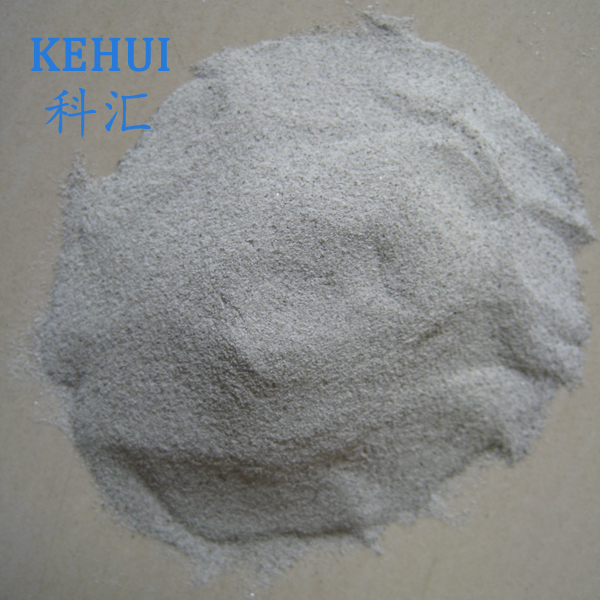
Brazil's industrial sector, particularly in states like São Paulo and Minas Gerais, relies heavily on high-purity mica powder to stabilize composite materials. The tropical climate and high humidity levels in various regions necessitate minerals with exceptional chemical inertness to prevent degradation in outdoor infrastructure.

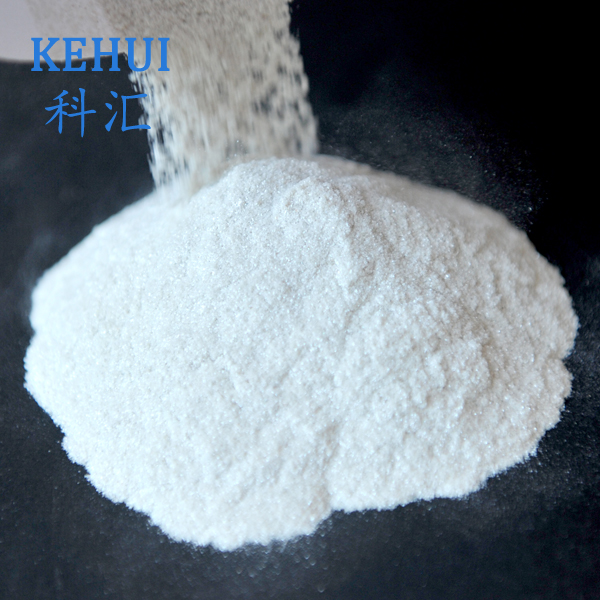
The local demand for mica flake has surged due to the expansion of the domestic automotive paint and coatings industry. Manufacturers are seeking materials that provide superior pearlescent effects and heat resistance to withstand the intense solar radiation characteristic of the South American region.

Despite rich natural resources, there is a significant gap in the processing of high-grade mica coarse materials. Many Brazilian firms import refined minerals to ensure the precise particle size distribution required for advanced dielectric applications and heavy-duty industrial insulation.
Evolution and Trajectory of Non-Metallic Minerals

From traditional mining to high-precision engineered mineral sheets.

Market Development History

In the early 2000s, the Brazilian market primarily utilized raw mineral deposits for basic construction fillers. The focus was on volume rather than purity, with limited control over the crystalline structure of the minerals used.

Between 2010 and 2020, a shift toward precision engineering occurred. The introduction of micronization technology allowed for the mass production of standardized muscovite sheet products, enabling their use in sophisticated electrical components and aerospace insulation.

Currently, the industry has entered the "Specialty Phase," where chemical modification and surface treatment of minerals are used to improve bonding with polymers, meeting the ISO standards required for Brazil's export-oriented manufacturing.

Future Development Trends

Nano-scale Particle Engineering

Trend data indicates a move toward sub-micron particles to enhance the mechanical strength of lightweight composites used in electric vehicles.

Sustainable Extraction Processes

Increasing regulatory pressure in South America is driving the adoption of "Green Mining" techniques to reduce the environmental footprint of mica processing.

Smart Insulation Integration

The integration of mineral sheets into flexible electronics, combining thermal shielding with conductive pathways for the next generation of IoT devices.

Industry Trends and Future Outlook

Strategic projections for the non-metallic mineral sector in the Brazilian market.

High-Temperature Resistance
Increased adoption of minerals capable of withstanding extreme thermal cycling in heavy industrial furnaces.
Dielectric Optimization
Focusing on purity levels that reduce leakage current in high-voltage capacitors and power grids.
Composite Synergy
Developing hybrid mineral blends to improve the impact resistance of reinforced plastics.
Eco-Certified Sourcing
Transitioning to 100% traceable and ethically sourced minerals to meet ESG goals.

Industry Outlook

Based on Google search trends within the Brazil region, there is a growing interest in "sustainable mineral additives" and "thermal shielding materials." This indicates a market pivot toward efficiency and environmental responsibility.

We predict that the next 3-5 years will see a surge in the demand for customized particle size distributions, as Brazil's aerospace and renewable energy sectors expand their local manufacturing capabilities.

Localized Application Scenarios in Brazil

Real-world implementation of mica products across key Brazilian sectors.

1. Automotive Coatings in São Paulo

Using high-luster mica flake to create premium metallic finishes that resist fading under intense UV exposure.

2. Electrical Insulation in Minas Gerais

Implementing muscovite sheet as primary insulation for high-voltage transformers in the regional power grid.

3. Industrial Ceramic Glazes

Utilizing mica powder to improve the thermal shock resistance of industrial ceramics used in smelting.

4. Construction Sealants

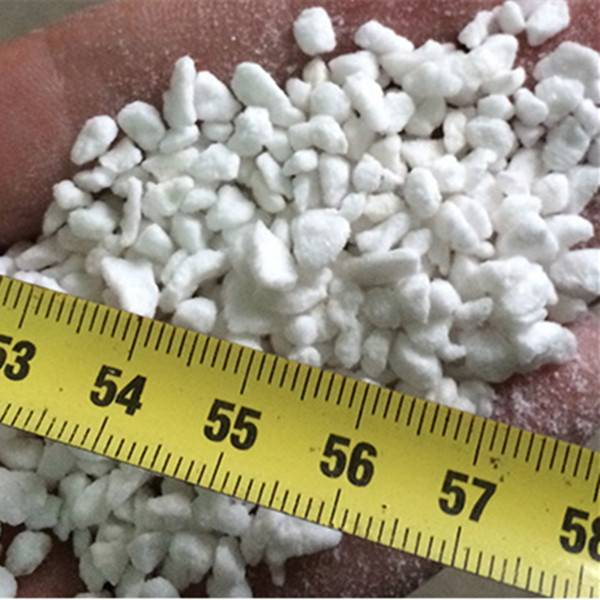
Incorporating mica coarse into joint sealants for large-scale infrastructure projects to prevent water seepage.

5. Plastic Reinforcement

Using refined mica as a filler in polymer composites for agriculture machinery, increasing structural rigidity and heat stability.

Brand Story

Global Development Journey of Shijiazhuang Rijia Import and Export Trade Co., Ltd.

Foundation and Vision

Established with a mission to bridge the gap between raw mineral extraction and high-tech industrial application.

Technological Breakthroughs

Developed proprietary micronization processes to ensure unmatched consistency in particle size for global clients.

Expansion into South America

Tailoring mineral specifications to meet the unique climatic and industrial challenges of the Brazilian market.

Quality Certification

Achieving international standards for purity and ethics, ensuring a transparent supply chain for all non-metallic products.

Future Commitment

Dedicated to solving the pain points of thermal instability and material degradation in modern manufacturing.

Frequently Asked Questions in Brazil

Expert answers to technical queries regarding mica mineral applications.

How does high-purity mica powder improve heat resistance in composites?

It creates a thermal barrier by reducing the rate of heat transfer through the material, protecting the polymer matrix from degradation.

What is the difference between mica flake and mica coarse for industrial use?

Flakes are typically used for aesthetics and thin-film barriers, while coarse mica is preferred for heavy-duty insulation and structural fillers.

Are muscovite sheets suitable for high-voltage applications in Brazil?

Yes, due to their exceptional dielectric strength and resistance to electrical breakdown, they are ideal for high-voltage environments.

How to ensure the consistent particle size of mica muscovite shipments?

We utilize laser diffraction analysis and strict sieving protocols to ensure every batch meets the precise specifications required.

Which mica product is best for pearlescent automotive paints?

Our refined mica flakes are specifically engineered for optimal light reflection and dispersion in high-end coatings.

Can these mineral products withstand Brazil's high humidity levels?

Yes, the chemical inertness of muscovite ensures that the products do not absorb moisture or react with environmental pollutants.

Get Technical Support for Your Project

Our specialists are ready to provide customized mineral solutions tailored to the industrial requirements of Brazil.

Contact Us Now

If you are interested in our products, you can choose to leave your information here, and we will be in touch with you shortly.