Jan . 05, 2026 10:20
Back to list
Flaky Mica Overview, Benefits & Industry Applications | KeHui Mica
Flaky Mica is a key solution in the industry, specifically within industries like automotive coatings, electronics, and construction materials. Frankly, it’s one of those materials that doesn’t always get the spotlight it deserves, but its role in enhancing durability and aesthetics is pretty crucial. This article explores how https://www.kehuimica.com supports professionals with durable, high-performance products, and explains why this product is an ideal choice for businesses in these sectors.
Table of Contents
- Flaky Mica Overview
- Benefits & Use Cases of Flaky Mica
- Cost, Maintenance & User Experience
- Sustainability & Market Trends
Flaky Mica Overview
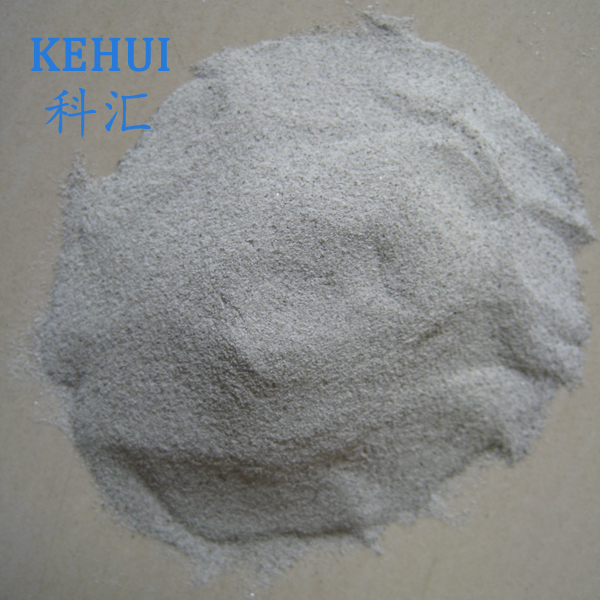
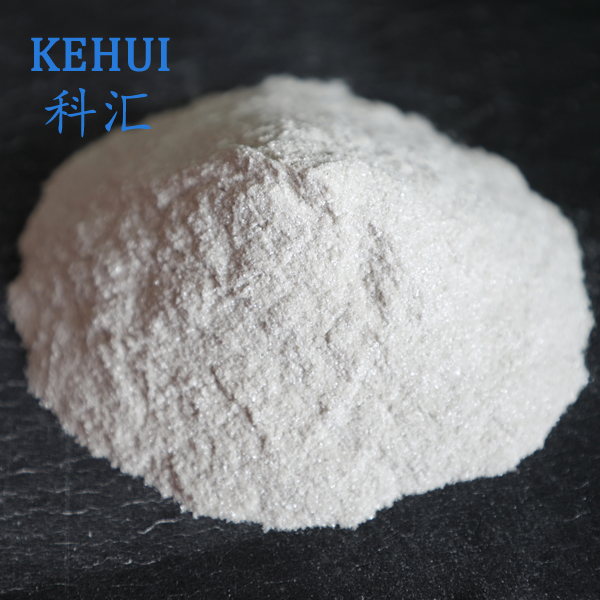
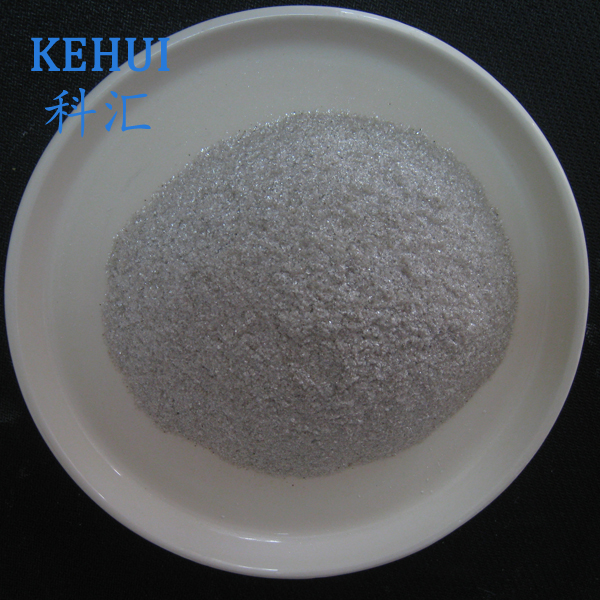
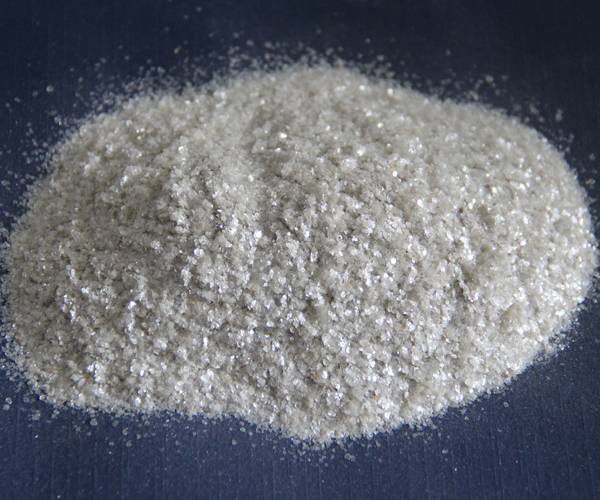
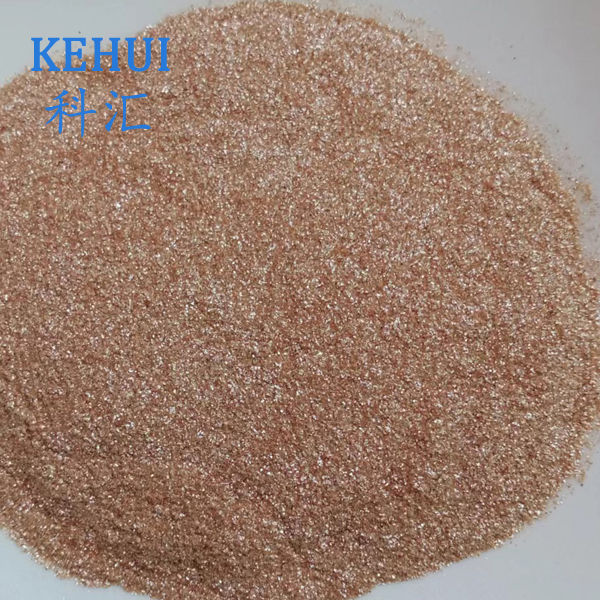
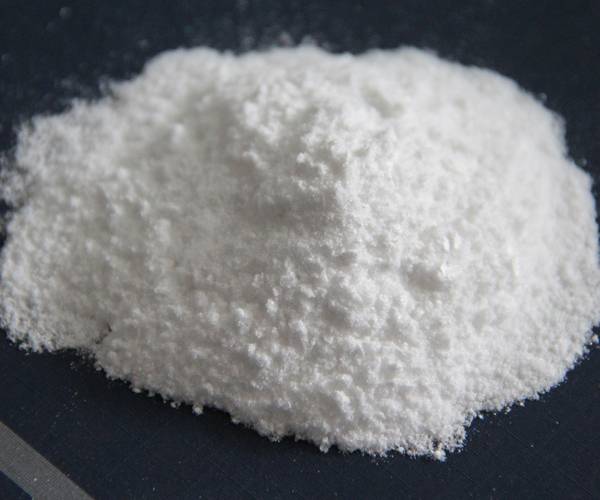
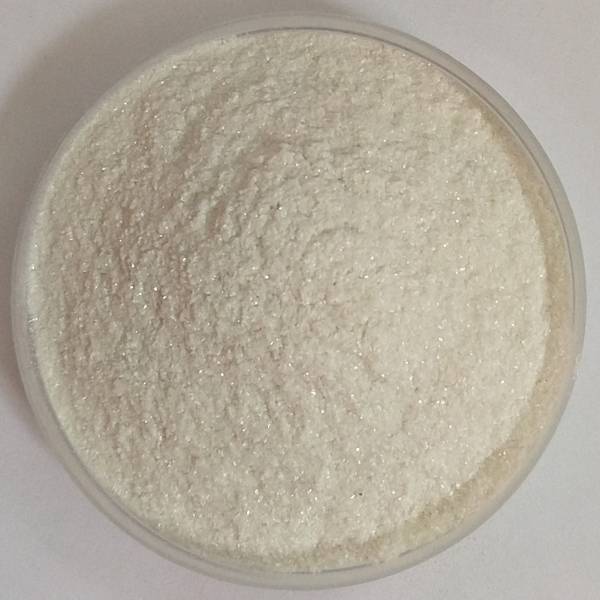
Flaky Mica is a naturally occurring mineral distinguished by its layered, sheet-like crystal structure. You could almost picture it as tiny, thin plates that reflect light beautifully while offering impressive physical stability. Its relevance lies mainly in industries requiring heat resistance, insulation, and decorative appeal — think coatings that shimmer under the sun or insulating layers in electrical components.
From a technical standpoint, flaky mica’s composition is rich in silicate minerals, lending it outstanding chemical inertness and thermal stability. Companies like KeHui Mica offer various grades tailored for specific needs — for instance, mica flakes sized between 50 to 300 microns that balance coverage with durability. It’s the crystalline layering that makes it so versatile; some case studies indicate enhanced UV resistance in automotive coatings using flaky mica fillers, extending the lifespan of paint jobs noticeably.
| Characteristic | Specification | Typical Application |
|---|---|---|
| Flake Size | 50 - 300 microns | Paint & Coatings |
| Color | White to Silver | Plastics & Insulation |
| Thermal Stability | Up to 900°C | Electrical Applications |
| Chemical Resistance | High | Construction Materials |
Benefits & Use Cases of Flaky Mica
Industrially, flaky mica is something of a workhorse. Its reflective properties improve aesthetics, which is why automotive paint formulations include it for that pearl-like finish. Beyond beauty, it reinforces material durability — a critical factor in coatings exposed to harsh weather or chemical pollutants.
Plastic manufacturers find flaky mica particularly helpful, too. When integrated, it boosts dimensional stability and adds flame retardancy without jeopardizing the material’s flexibility. This mix of properties saves manufacturers the hassle of layering on additional chemical treatments, simplifying production while making safer products.
Then there’s electrical insulation: flaky mica’s natural resistivity and heat endurance make it a preferred filler in cable sheathing and electronic components, reducing risk of fire and improving lifespan. Its fine particle size also means it disperses well, maintaining consistency — a big tick for quality control teams.
Cost, Maintenance & User Experience
You might be wondering how flaky mica stacks up cost-wise. While upfront prices can be a little higher compared to standard fillers, most users report improved total cost of ownership in the long run. That durability and resistance to degradation means fewer reapplications, less downtime, and ultimately a better return on investment.
Feedback from B2B customers in coatings and plastics consistently calls out flaky mica’s ease of use — it mixes smoothly, and compatibility with existing manufacturing processes minimizes disruptions. One client in the automotive sector shared how switching to flaky mica allowed them to reduce defects caused by cracking under UV exposure. This subtle quality bump translates into big satisfaction.
Maintenance is mostly hands-off, which frankly makes it very appealing in high-output environments. You install, or blend it into your product, and it just keeps performing. Of course, ensuring the actual mica grade matches your use case is fundamental, so working with a supplier like KeHui who clearly specifies particle size and purity can save headaches down the road.
Sustainability & Market Trends
Sustainability is, I suppose, the elephant in the room for many materials these days, and flaky mica is no exception. On one hand, mica is a natural mineral — so it’s inherently more eco-friendly than many synthetic fillers. But mining practices matter tremendously. Reputable suppliers who focus on responsible sourcing, like those adhering to international standards, make a significant difference.
Market trends highlight a growing demand for materials that balance performance with environmental impact. With regulations tightening on harmful additives and volatile organic compounds (VOCs), flaky mica’s chemically inert nature and recyclability put it in a sweet spot.
Interestingly, the construction and automotive sectors are pushing for more mica-enhanced products to meet green building certifications and fuel economy targets — all while keeping costs in check. So, it’s a win-win, really.
| Supplier | Flake Size Range (microns) | Grade Purity (%) | Sustainability Certification | Typical Pricing |
|---|---|---|---|---|
| KeHui Mica | 50 - 300 | >99.5% | ISO 14001 Certified | Competitive / Bulk Discounts |
| Supplier B | 40 - 250 | >98% | No Certification | Mid-range |
| Supplier C | 60 - 350 | >99% | Sustainability Program Pending | Premium |
Frequently Asked Questions about Flaky Mica
- What is Flaky Mica and how does it work?
- Flaky mica is a naturally layered mineral that reflects light and withstands high temperatures. It works by incorporating its flaky particles into materials, improving durability, insulation, and adding a visually appealing shimmer.
- What are the main benefits of using Flaky Mica in industrial applications?
- Key benefits include excellent thermal stability, chemical inertness, improved weather resistance, enhanced aesthetics, and cost savings through longer product life and less maintenance.
- How does Flaky Mica compare to traditional alternatives?
- Compared to conventional fillers like talc or calcium carbonate, flaky mica offers better heat resistance, superior flexibility, and contributes a unique reflective effect besides strengthening materials.
- What industries can benefit most from Flaky Mica implementation?
- Industries such as automotive coatings, plastics, electrical insulation, construction materials, and cosmetics typically see great value in using flaky mica for both technical and aesthetic functionality.
Conclusion on Flaky Mica from china
To wrap it up, flaky mica truly is an unsung hero in various industrial arenas. Whether you’re aiming for longevity, improved product performance, or a bit of sparkle to stand out, it delivers on multiple fronts. It’s worth considering as a strategic raw material upgrade.
- Recap: durability, versatility and sustainability packed in one simple mineral.
- For serious industrial applications, visit our website: https://www.kehuimica.com
Latest news
-
Technical Benefits of Calcined Mica for Welding ElectrodesNewsApr.09,2026
-
Superior Calcined Mica for Electrical Insulators Applications and BenefitsNewsApr.07,2026
-
Exploring the Versatility of Calcined Mica for Decoration and Diverse ApplicationsNewsApr.04,2026
-
Exploring Calcined Mica Properties Applications and Sourcing OptionsNewsMar.31,2026
-
Exploring the Versatile Applications of Mica Flakes Powder Across IndustriesNewsMar.28,2026
-
Synthetic Mica Flakes- Kehui Mica Co.|Heat-Resistant, High WhitenessNewsMar.27,2026
-
Synthetic Mica Flakes- Kehui Mica Co.|Heat-Resistant, High WhitenessNewsMar.27,2026
Related Products