Understanding China Silver Mica Flakes: A Veteran’s Take
If you’ve ever been around the industrial equipment sector – especially on the electrical and insulation side – you probably stumbled across china silver mica flakes. They’re a silent hero of many products, from capacitors to thermal insulation, and oddly enough, they’ve stayed relevant even as the materials science field evolves.
Having worked in this field for over a decade, I’ve seen mica evolve from just a simple mineral to a highly engineered insulator that’s prized for its stability and dielectric strength. China, with its extensive mineral resources, produces mica flakes that are often favored for their purity and consistency. I suppose it boils down to the natural crystalline structure and how carefully it’s processed.
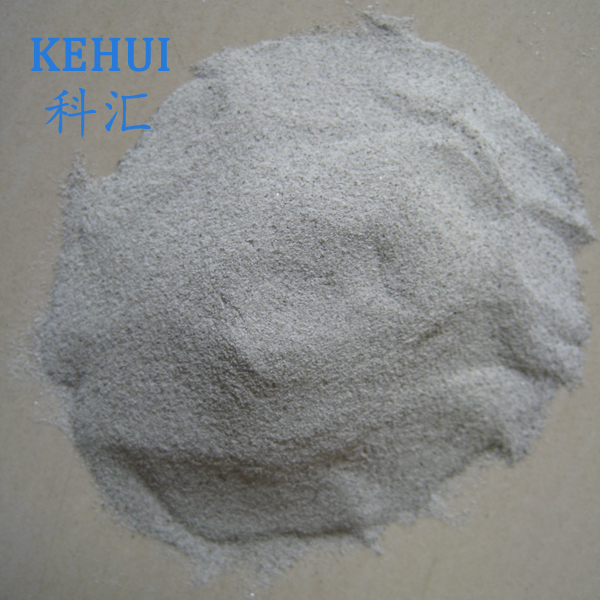
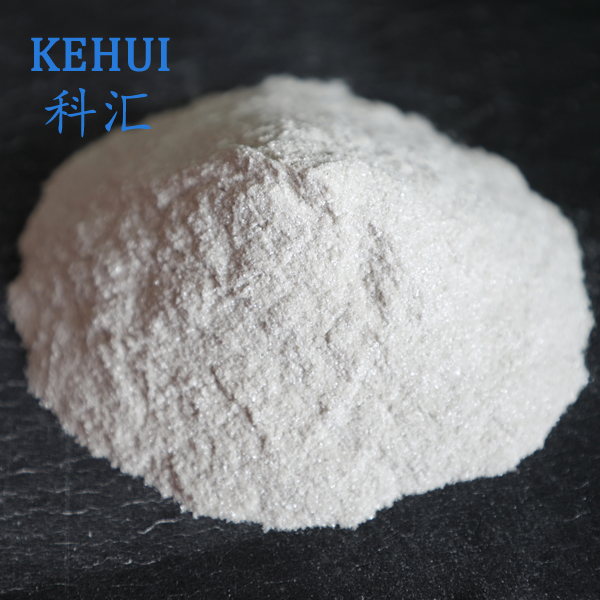
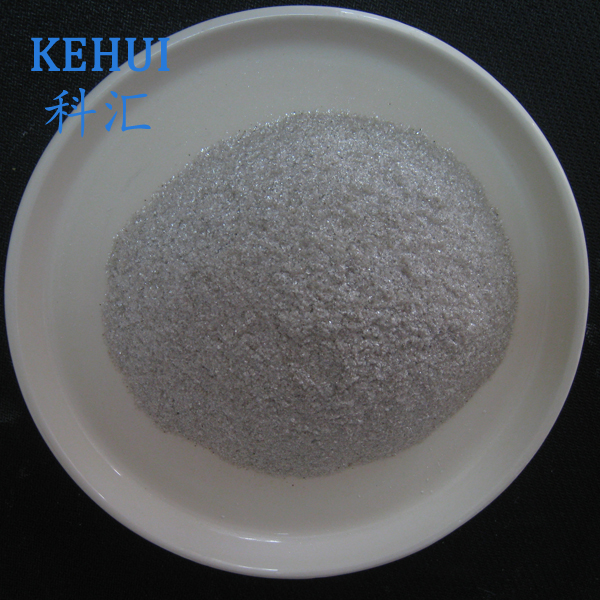
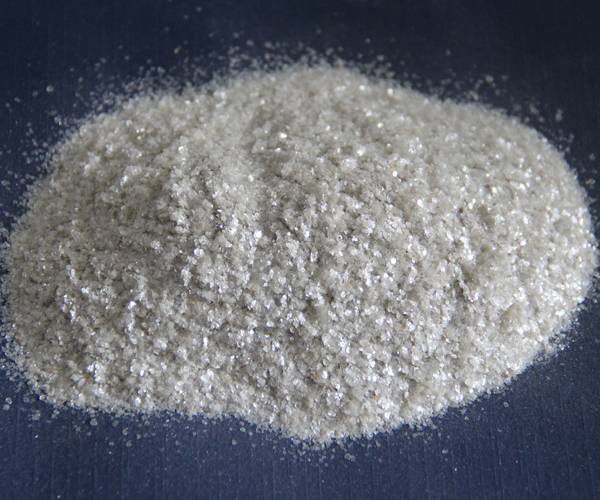
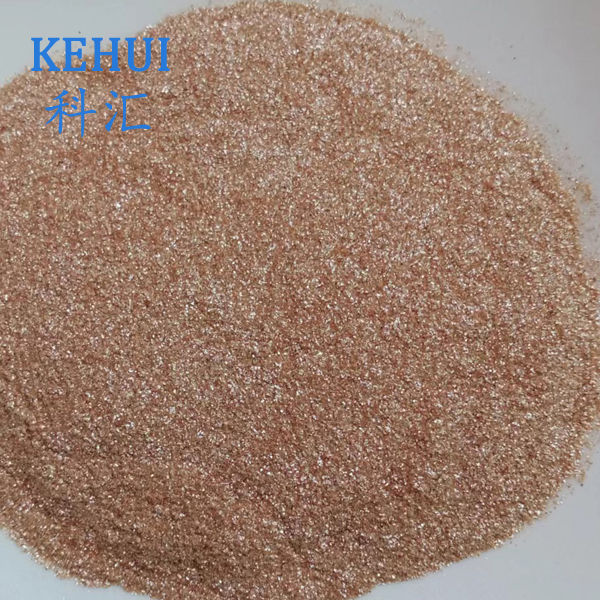
At first glance, mica flakes might look like nothing more than tiny silvery shards – but don’t be fooled. The quality of these flakes affects everything from how well a capacitor holds its charge to the durability of insulation in high-temp environments. It’s one of those subtle materials where the specs really do matter – thickness, flake size, and purity.
Why Choose China Silver Mica Flakes?
Frankly, sourcing from China comes with both advantages and considerations. The mica flakes there tend to have very low iron content, which means fewer impurities and a more consistent silver luster. This isn’t just about looks; purity directly translates to better dielectric properties. When I first began working on mica-related insulation, some batches felt “off” – likely contaminated or uneven in size. The Chinese supply chains have improved significantly in controlling such variables over the last decade.
Also, customization options are surprisingly broad. You can get flakes in a variety of sizes and thicknesses to suit specific industrial applications. For instance, thinner flakes perform better for film capacitors, while slightly thicker flakes might be preferred in thermal insulation sheets. I’ve noticed customers who’ve asked for tailored flake sizes tend to achieve better equipment longevity.
Product Specification Snapshot
| Specification | Typical Range | Notes |
|---|---|---|
| Flake Thickness | 0.02 – 0.07 mm | Thinner flakes for better film flexibility |
| Flake Size | 1 – 15 mm | Depends on application needs |
| Purity (Al2O3 Content) | > 90% | High purity ensures better dielectric properties |
| Color | Silvery to light grey | Indicator of low iron impurities |
| Dielectric Strength | > 30 kV/mm | Critical for insulation and capacitor use |
A Quick Comparison of Leading China Silver Mica Flake Vendors
| Vendor | Purity (%) | Customization | Lead Time | Price Range |
|---|---|---|---|---|
| Kehui Mica | > 91% | Full size & thickness options | 2-3 weeks | Mid-range |
| Jiangsu Mica Co. | ~90% | Standard sizes | 3-4 weeks | Budget |
| Zhejiang Silver Mica | > 92% | Customized thickness and packaging | 4-5 weeks | Premium |
The one time I recall a client in electronics telling me how changing to high-purity China silver mica flakes actually lowered their failure rates on high-voltage capacitors — that anecdote stuck with me. It’s not just about cost but reliability, and in real terms, that’s priceless.
Testing methods have improved too. Infrared spectroscopy and X-ray diffraction now verify purity and crystal structure before flakes even leave the factory — which is reassuring when you rely on consistent performance. I often say that with mica, you get out what you put in, so choosing your supplier wisely is key.
To sum it up: if your application demands exceptional electrical insulation with thermal stability, keep china silver mica flakes in your materials shortlist. It feels like a niche product until your gear depends on it.
Takeaway? Quality mica flakes are one of those classic industrial materials where decades of experience matter. Choose thoughtfully, test thoroughly, and the results will speak for themselves.
References:
1. Mineralogical Society - Mica Properties and Applications, 2022.
2. International Electrotechnical Commission (IEC) standards on dielectric materials.
3. Industry case studies from capacitor manufacturers, 2018-2023.
Latest news
-
Technical Benefits of Calcined Mica for Welding ElectrodesNewsApr.09,2026
-
Superior Calcined Mica for Electrical Insulators Applications and BenefitsNewsApr.07,2026
-
Exploring the Versatility of Calcined Mica for Decoration and Diverse ApplicationsNewsApr.04,2026
-
Exploring Calcined Mica Properties Applications and Sourcing OptionsNewsMar.31,2026
-
Exploring the Versatile Applications of Mica Flakes Powder Across IndustriesNewsMar.28,2026
-
Synthetic Mica Flakes- Kehui Mica Co.|Heat-Resistant, High WhitenessNewsMar.27,2026
-
Synthetic Mica Flakes- Kehui Mica Co.|Heat-Resistant, High WhitenessNewsMar.27,2026
Related Products