Feb . 11, 2026 02:35
Back to list
Exploring Muscovite Mica Cleavage or Fracture and Its Diverse Applications
Understanding Muscovite Mica Cleavage or Fracture
Muscovite mica is renowned for its perfect basal cleavage, a characteristic that sets it apart from many other minerals. This means it breaks easily and cleanly along specific planes, creating thin, flexible sheets. However, under certain conditions, muscovite mica can also exhibit fracture. Understanding the difference between muscovite mica’s cleavage and fracture is crucial in fields like geology, materials science, and even industrial applications. This article will explore the intricacies of these two breakage patterns, the factors influencing them, and their significance. We will delve into the structural reasons behind muscovite’s remarkable cleavage and when fracture might occur, providing a comprehensive overview for both professionals and enthusiasts.
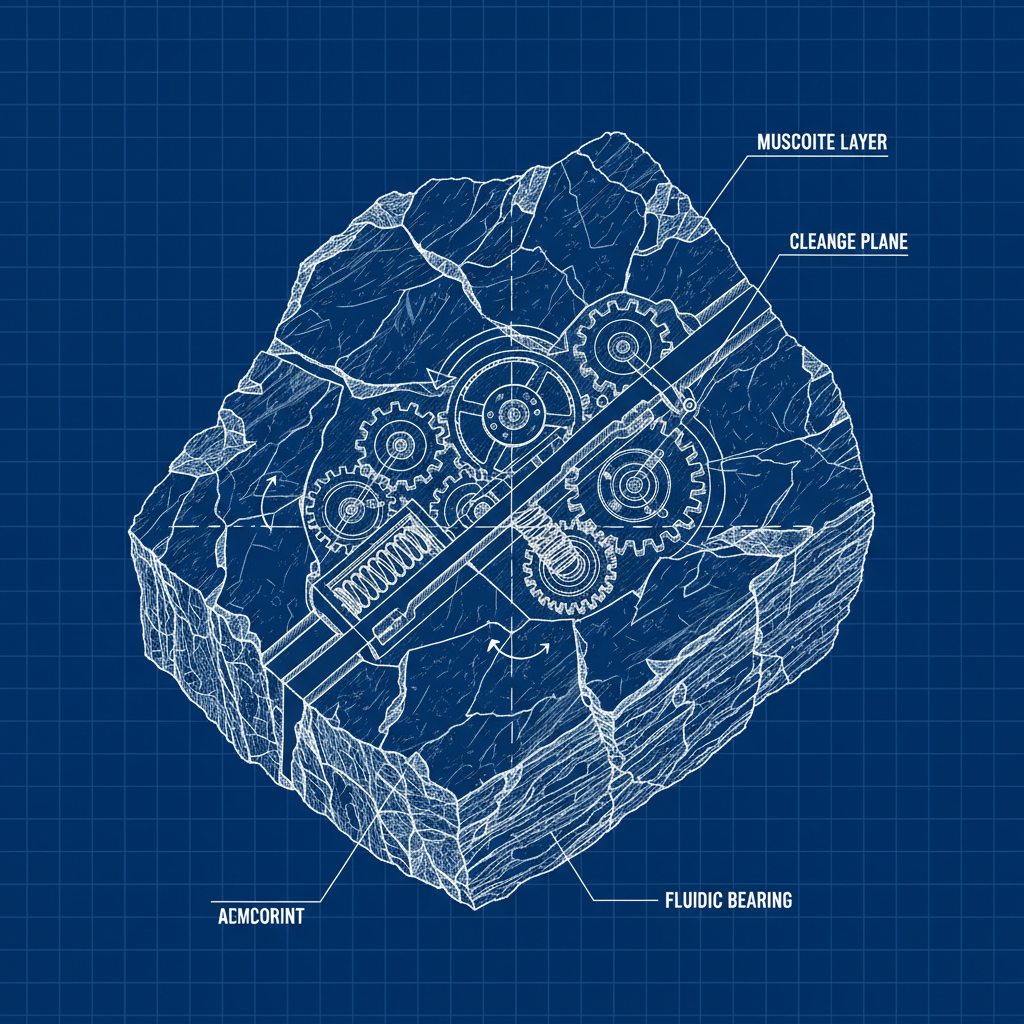
What is Cleavage in Muscovite Mica?
Cleavage refers to the tendency of a mineral to break along specific planes of weakness. In muscovite mica, this weakness stems from its layered structure. Muscovite is a phyllosilicate, meaning its structure consists of sheets of silicon and oxygen tetrahedra bonded together. These sheets are held together by relatively weak Van der Waals forces. Because these bonds are significantly weaker than the covalent bonds within the sheets themselves, the mica readily splits between the sheets, creating its characteristic cleavage. This results in perfect basal cleavage, meaning cleavage occurs in one dominant direction—parallel to the sheet structure. This cleavage is so perfect that you can easily peel off incredibly thin, transparent sheets of muscovite.
Key Highlights: Muscovite mica’s perfect basal cleavage is due to its layered structure and weak Van der Waals forces between the layers, allowing it to split into thin, flexible sheets.
Muscovite Mica Cleavage vs. Fracture
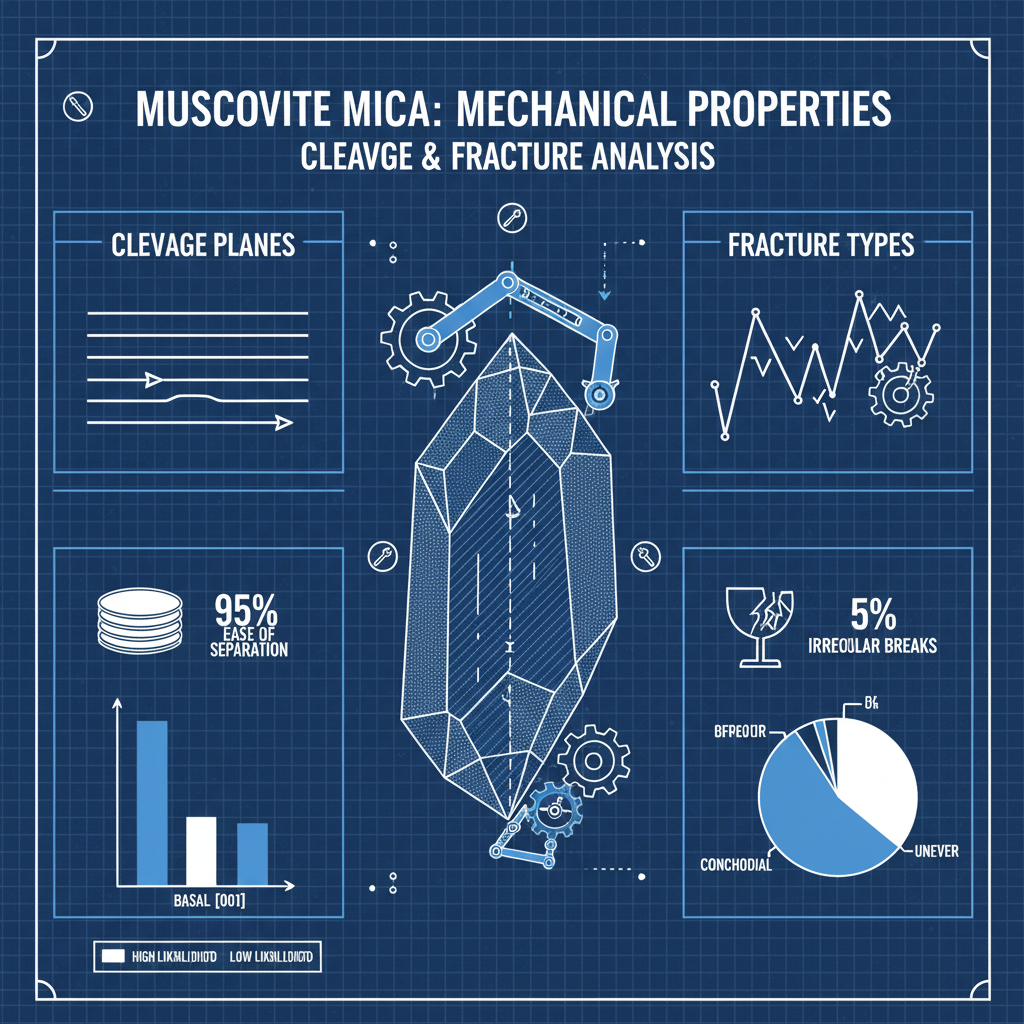
While cleavage is predictable and occurs along smooth, flat planes, fracture is irregular and unpredictable. Fracture happens when stress exceeds the mineral's strength and it breaks in a manner that isn’t controlled by planes of weakness. For muscovite, fracture is less common but can occur under certain circumstances, such as a strong, uneven impact, or if the mica is highly deformed. Fractured muscovite will exhibit rough, uneven surfaces, unlike the smooth, flat surfaces created by cleavage. The distinction is vital for identifying minerals and understanding their behavior.
Fracture vs. Cleavage
• Cleavage: Smooth, flat, predictable, along planes of weakness
• Fracture: Irregular, unpredictable, no specific planes
• Muscovite Mica: Primarily exhibits cleavage, fracture is less common
Factors Influencing Fracture in Muscovite Mica
While muscovite predominantly cleaves, fracture can happen. Several factors can contribute to this:
1. Stress Concentration: Localized stress, like a sharp blow or a concentrated force, can exceed the mica's strength, leading to fracture.
2. Imperfections: Small cracks, inclusions, or other imperfections within the muscovite structure can act as stress concentrators, encouraging fracture.
3. Deformation: Significant deformation or bending of the mica can disrupt the regular arrangement of layers, making it more susceptible to fracturing.
4. Temperature: Extreme temperatures, particularly rapid cooling, can induce stress and promote fracture.
Applications & Importance of Muscovite Mica Cleavage
The exceptional cleavage of muscovite mica makes it incredibly valuable in a wide range of applications. Historically, it was used as window material for lanterns because thin sheets were transparent. Today, it’s used in electrical insulation due to its dielectric properties and resistance to heat. It's also used in cosmetics (to create a shimmering effect), paints, and as a filler material. The ability to separate into ultra-thin sheets makes it crucial in the fabrication of capacitors and other electronic components. Kehui Mica specializes in supplying high-quality muscovite mica for these diverse industrial needs.
Muscovite Mica: Product Specifications
Understanding the specifications of muscovite mica is vital for ensuring its suitability for various applications. Here's a table outlining typical specifications:
Conclusion
Understanding the interplay between cleavage and fracture in muscovite mica is crucial for harnessing its unique properties effectively. While its perfect cleavage makes it invaluable in numerous applications, recognizing the potential for fracture under specific conditions allows for responsible handling and utilization. Whether you're a geologist, materials scientist, or engineer, a grasp of these principles is essential for maximizing the benefits of this remarkable mineral.
Frequently Asked Questions (FAQs)
Why is muscovite mica so easily cleaved?
Muscovite mica's exceptional cleavage is due to its unique layered structure. The mineral is composed of sheets of silicon and oxygen tetrahedra bonded together by relatively weak Van der Waals forces. These weak bonds allow the sheets to separate easily along a specific plane, resulting in perfect basal cleavage. This makes muscovite mica incredibly easy to split into thin, flexible sheets. The arrangement of atoms within the structure is key, prioritizing bonding within the layers over bonding between them.
Can muscovite mica be used in high-pressure applications?
While muscovite mica has excellent dielectric properties, its relatively low hardness and perfect cleavage make it unsuitable for high-pressure applications. The layered structure readily deforms or fractures under significant pressure. It's best suited for applications where electrical insulation and thermal stability are more critical than mechanical strength. For high-pressure environments, materials with greater compressive strength are generally preferred.
What is the difference between muscovite and biotite mica?
Muscovite and biotite are both sheet silicate minerals, but they differ in their composition and color. Muscovite is generally colorless or pale, while biotite is typically dark brown or black due to the presence of iron and magnesium in its structure. Biotite also has less perfect cleavage than muscovite. Biotite is less commonly used in electrical applications due to its higher conductivity, while muscovite's insulating properties make it ideal for these purposes.
Latest news
-
Global Analysis and Trends of the Calcined Mica Flakes MarketNewsApr.16,2026
-
Technical Benefits of Calcined Mica for Welding ElectrodesNewsApr.09,2026
-
Superior Calcined Mica for Electrical Insulators Applications and BenefitsNewsApr.07,2026
-
Exploring the Versatility of Calcined Mica for Decoration and Diverse ApplicationsNewsApr.04,2026
-
Exploring Calcined Mica Properties Applications and Sourcing OptionsNewsMar.31,2026
-
Exploring the Versatile Applications of Mica Flakes Powder Across IndustriesNewsMar.28,2026
-
Synthetic Mica Flakes- Kehui Mica Co.|Heat-Resistant, High WhitenessNewsMar.27,2026
Related Products