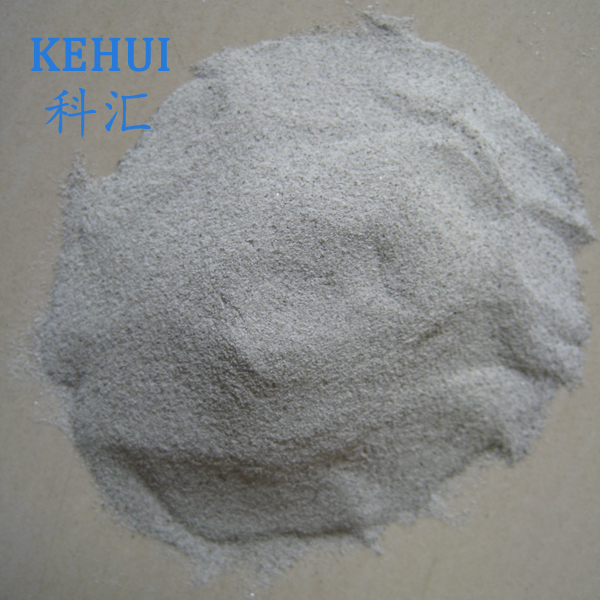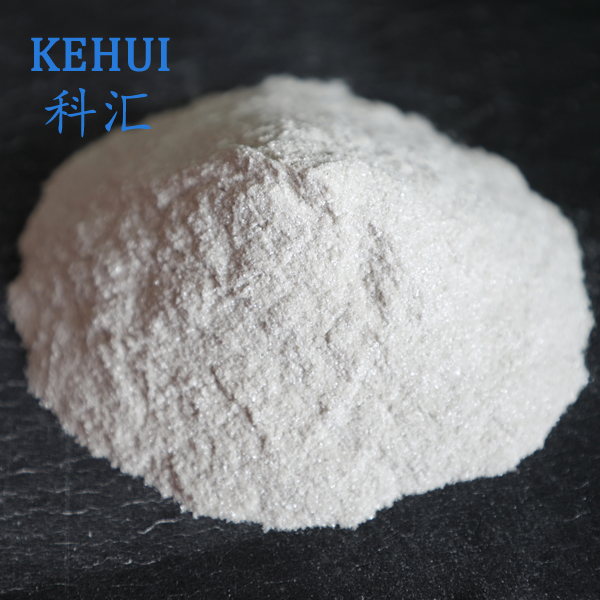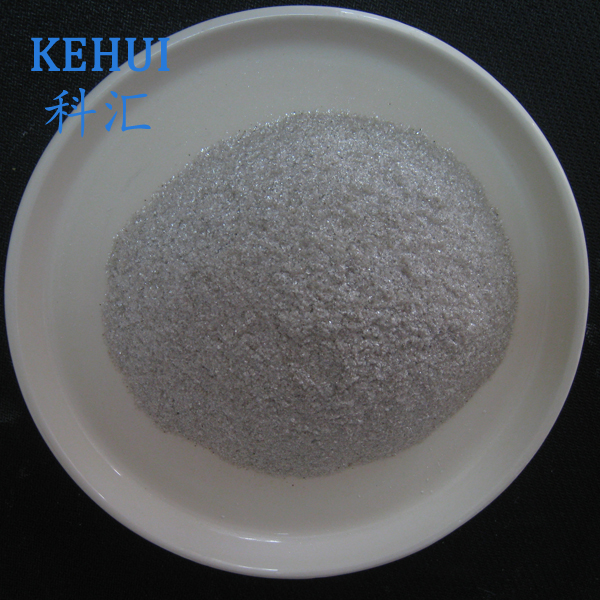
Expanded Clay Granules is a key solution in the industry, specifically within construction, horticulture, and water treatment sectors. This article explores how https://www.kehuimica.com supports professionals with durable, high-performance products, and explains why this product is an ideal choice for businesses in these sectors.
Table of Contents
- Expanded Clay Granules Overview
- Benefits & Use Cases of Expanded Clay Granules
- Cost, Maintenance & User Experience
- Sustainability & Market Trends
Expanded Clay Granules Overview
At its core, Expanded Clay Granules (ECG) are lightweight, porous aggregates created by heating natural clay to high temperatures—roughly 1100°C—until it expands. This process creates a solid shell around a honeycombed interior, making the granules both sturdy and light. What this means practically is you get a material that stands up to heavy loads but doesn’t weigh your structures or systems down.
Many engineers say expanded clay works wonders as a filler and insulation medium, especially where soil or weight constraints apply. For example, in lightweight concrete mixes, it reduces dead load yet maintains strength. Some recent case studies show ECG being used in green roofs, dramatically improving drainage and root aeration. This balance of durability and permeability is why industries keep returning to it.
| Specification | Typical Range/Value |
|---|---|
| Bulk Density | 300–650 kg/m³ |
| Compressive Strength | 3.5–7.0 MPa |
| Thermal Conductivity | 0.1–0.2 W/mK |
| Water Absorption | 20–30% |
| Particle Size | 2–10 mm (common range) |
Benefits & Use Cases of Expanded Clay Granules
Expanded clay granules bring a toolkit of benefits that increasingly savvy B2B buyers look for. Take construction: here, the lightweight nature means reduced structural loads without sacrificing strength. This leads to savings on frames and foundations, you know, the stuff that actually costs the big bucks.
On the horticultural side, ECG acts as an excellent soil conditioner and drainage medium—especially in hydroponics where root oxygenation is critical. It’s inert, pH neutral, and resistant to pests, so it’s a low-maintenance option with long life. Frankly, this is why many professional growers swear by it.
Water treatment plants also benefit, using expanded clay granules as filtration media due to their porosity and stability. There are also creative applications in landscaping and soundproofing, where their insulating properties make a real difference. The versatility feels kind of endless, which is why Kehuimica’s offering stands out—they customize granule sizes and ratios to fit your project’s quirks.
Cost, Maintenance & User Experience
The total cost of ownership for expanded clay granules makes sense when you factor how durable and low-maintenance these materials are. Unlike organic fillers, you don’t have to replace or treat them regularly, which over the years reduces downtime and lowers labor costs. I’ve read that firms report ROI cycles as short as two years in some industrial applications.
Many customers praise how the granules’ consistent quality from Kehuimica avoids common issues like unexpected breakdown or contamination. The product is easy to handle, store, and integrate into manufacturing or construction processes without fuss. One European green roof builder even noted how it slashed their project timeline by weeks.
| Vendor | Granule Size Range (mm) | Bulk Density (kg/m³) | Customization | Sustainability Certification |
|---|---|---|---|---|
| Kehuimica | 2–10 | 300–650 | Yes, per request | ISO 14001 |
| Vendor B | 3–8 | 350–600 | Limited | None |
| Vendor C | 1–12 | 250–700 | No | ISO 9001 |
Sustainability & Market Trends
Sustainability is becoming less of a buzzword and more of an industrial baseline. The construction sector especially is adopting materials like expanded clay granules because they reduce the need for concrete and cut carbon footprints. The fact that expanded clay derives from natural clay and is recyclable makes it an attractive candidate for eco-industrial design.
Regulatory frameworks in Europe and Asia, for example, increasingly promote lightweight aggregates with eco-certifications, pushing vendors to up their green game. Market analysts predict the global demand for expanded clay aggregates to grow steadily, driven by urbanization and sustainable building codes.
Kehuimica stays ahead by blending quality control with environmental standards, ensuring that their products not only serve performance but also meet these emerging market expectations.
Frequently Asked Questions about Expanded Clay Granules
- What is Expanded Clay Granules and how does it work?
- Expanded clay granules are lightweight pellets made by heating natural clay to high temperatures causing it to expand and become porous. This expansion traps air inside, making the granules both strong and light for use in construction, horticulture, and filtration.
- What are the main benefits of using Expanded Clay Granules in industrial applications?
- The benefits include superior thermal insulation, lightweight yet high compressive strength, excellent drainage, longevity without degradation, and resistance to chemical and biological attacks.
- How does Expanded Clay Granules compare to traditional alternatives?
- Compared to traditional aggregates or fillers like gravel or sand, expanded clay is lighter, often more stable, and better insulates. It also tends to be more sustainable because it comes from natural materials with energy-efficient manufacturing methods.
- What industries can benefit most from Expanded Clay Granules implementation?
- Key industries include construction (lightweight concrete and insulation), horticulture (soil conditioner and hydroponics), water treatment (filter media), and landscaping (drainage and soundproofing). Plus, emerging green infrastructure projects increasingly adopt it.
Conclusion on Expanded Clay Granules from china
To sum up, Expanded Clay Granules offers a rare blend of strength, lightness, and environmental friendliness. Whether your project deals with construction weight limits, horticultural efficiency, or sustainable water systems, these granules are a smart choice. It’s worth exploring what Kehuimica can do for your operation—especially given their commitment to customization and quality.
- Versatile applications, from building to green tech.
- Strong partnerships through tailored solutions.
- Visit our website: https://www.kehuimica.com
References:
1. Industry applications report, Expanded Clay Aggregates, 2023.
2. Case study, Green Roof Efficiency with ECG, Eurobuild, 2022.
3. Market trends analysis, Lightweight Building Materials, 2024.
Latest news
-
Technical Benefits of Calcined Mica for Welding ElectrodesNewsApr.09,2026
-
Superior Calcined Mica for Electrical Insulators Applications and BenefitsNewsApr.07,2026
-
Exploring the Versatility of Calcined Mica for Decoration and Diverse ApplicationsNewsApr.04,2026
-
Exploring Calcined Mica Properties Applications and Sourcing OptionsNewsMar.31,2026
-
Exploring the Versatile Applications of Mica Flakes Powder Across IndustriesNewsMar.28,2026
-
Synthetic Mica Flakes- Kehui Mica Co.|Heat-Resistant, High WhitenessNewsMar.27,2026
-
Synthetic Mica Flakes- Kehui Mica Co.|Heat-Resistant, High WhitenessNewsMar.27,2026
Related Products