Why Expanded Clay Bulk Matters in Industrial and Construction Sectors
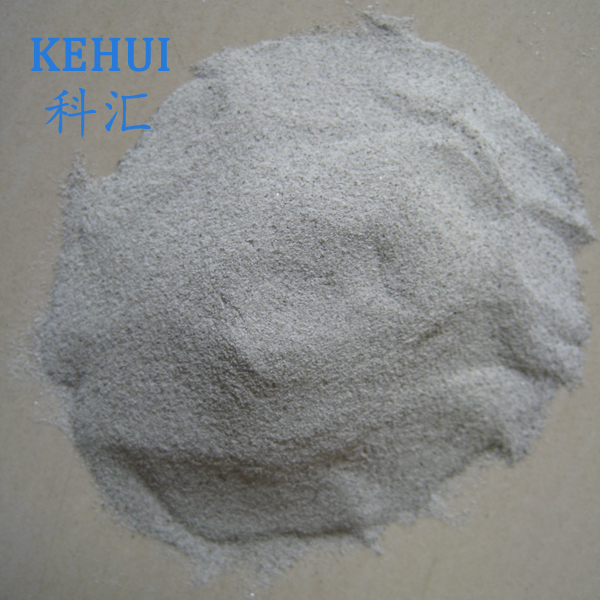
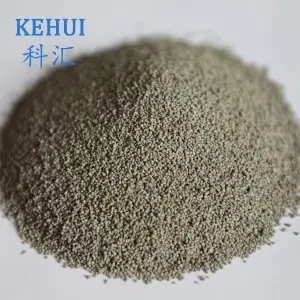
I’ve been around industrial aggregates for a while, and honestly, expanded clay bulk isn’t the flashiest material out there. But if you ask any seasoned site engineer, it’s one of those go-to products that quietly does the job well—every time. Expanded clay pellets may not get the limelight like some polymer or metal alternatives, but when it comes to lightweight, durable, and versatile aggregate, it checks a lot of boxes. Expanded clay bulk basically consists of natural clay baked at high temperatures, causing it to swell like popcorn, trapping air inside. The result? A lightweight but surprisingly strong aggregate with excellent insulation and drainage properties. It’s like nature’s answer to heavy, boring gravel—but better. At least, that’s my take.Key Benefits and Practical Uses
What’s fascinating is just how adaptable this stuff is. In the construction world, its low density helps reduce dead loads in concrete slabs or lightweight roofing. I've seen projects where switching from traditional stone to expanded clay bulk shaved days off scheduling because handling and transport were easier. It’s water-resistant and chemically stable, which means it won’t degrade or swell like some organic materials might over time. On top of that, thermal insulation is a big plus. A lot of engineers favor expanded clay bulk for green building projects because it improves energy efficiency. It’s also brilliant for horticulture—those porous pellets trap moisture but still allow air flow, creating perfect soil aeration. Had a chat last year with a landscaper who swore by it for rooftop gardens in dry climates.Breaking Down the Specifications
Let’s talk numbers — because specs are where product comparison happens. Here's a quick rundown that’s typical for a quality bulk expanded clay product:| Specification | Typical Value | Unit |
|---|---|---|
| Bulk Density | 350–450 | kg/m³ |
| Particle Size Range | 4–10 | mm |
| Compressive Strength | 3.0–5.0 | MPa |
| Water Absorption | 15–20 | % |
| Thermal Conductivity | 0.09–0.13 | W/mK |
A Quick Comparison of Leading Bulk Expanded Clay Suppliers
If you’re thinking, “all clay pellets are the same, right?” well, not quite. The source clay, firing technique, and quality control vary quite a bit — which in turn affect durability and cost. Here's an informal comparison of three reputed suppliers I’ve worked with recently:| Supplier | Bulk Density (kg/m³) | Avg. Price (USD/ton) | Quality Assurance |
|---|---|---|---|
| Kehuimica | 400 | 120 | Third-party tested |
| Global Clay Corp | 370 | 115 | In-house QA only |
| TerraPellets Ltd | 430 | 130 | Certified ISO 9001 |
References & reflections:
1. Industry talks with building material experts and on-site engineers.
2. Supplier data sheets and independent lab testing reports.
3. Personal project experiences spanning 15+ years in industrial aggregates.
Latest news
-
Technical Benefits of Calcined Mica for Welding ElectrodesNewsApr.09,2026
-
Superior Calcined Mica for Electrical Insulators Applications and BenefitsNewsApr.07,2026
-
Exploring the Versatility of Calcined Mica for Decoration and Diverse ApplicationsNewsApr.04,2026
-
Exploring Calcined Mica Properties Applications and Sourcing OptionsNewsMar.31,2026
-
Exploring the Versatile Applications of Mica Flakes Powder Across IndustriesNewsMar.28,2026
-
Synthetic Mica Flakes- Kehui Mica Co.|Heat-Resistant, High WhitenessNewsMar.27,2026
-
Synthetic Mica Flakes- Kehui Mica Co.|Heat-Resistant, High WhitenessNewsMar.27,2026
Related Products