Dec . 03, 2025 12:36
Back to list
Complete Guide to Vermiculite Types: Uses, Benefits & Future Trends
Understanding Vermiculite Types: An Essential Material in Modern Industry and Sustainability
Vermiculite types might not be a household phrase, but they're quietly shaping multiple industries around the world. From construction and agriculture to insulation and disaster relief, these naturally occurring minerals hold surprising global importance. Understanding vermiculite types not only opens up insights into a sustainable future but also reveals how this material addresses some pressing industrial and ecological challenges.
Global Context: Why Vermiculite Types Matter
Globally, vermiculite is mined in countries like South Africa, the United States, China, and Brazil, feeding industries that rely on its unique expansion and insulation properties. According to Wikipedia, the world market for vermiculite has experienced steady growth, especially due to its usage in lightweight construction and agriculture. The World Bank data shows a rising demand for sustainable materials, and vermiculite fits the bill—it’s naturally abundant and environmentally friendly.
Yet challenges persist: inconsistent quality from different deposits and the need for precise classification complicate its usage. That’s where an understanding of vermiculite types comes in. It essentially helps industries select the right form, ensuring optimized performance and cost efficiency.
What Are Vermiculite Types? A Simple Definition
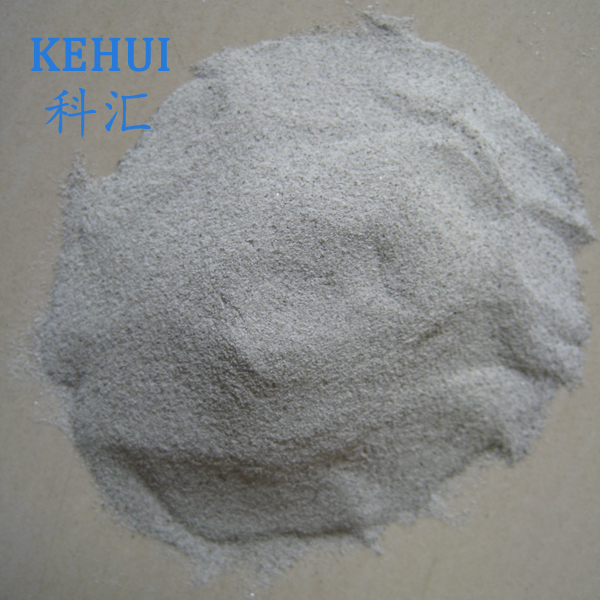
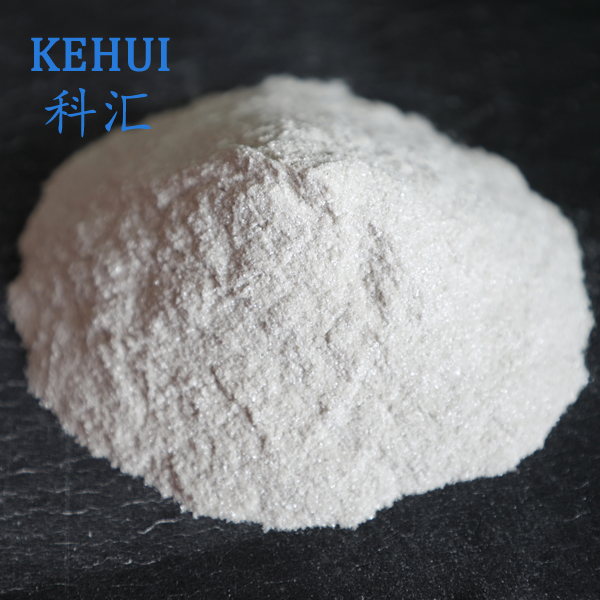
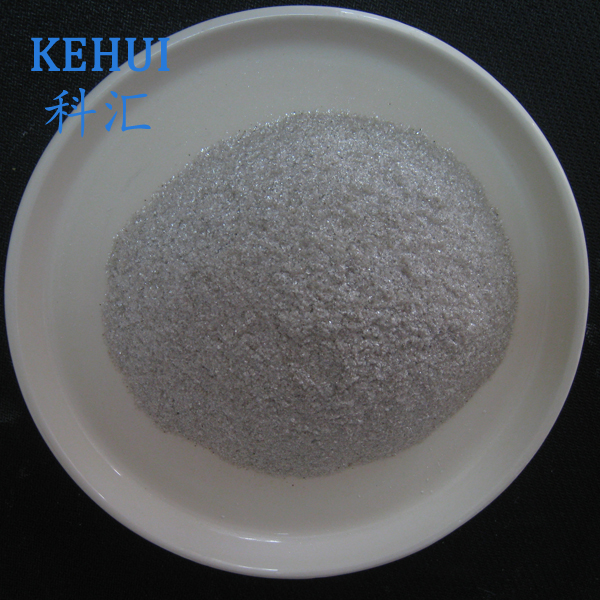
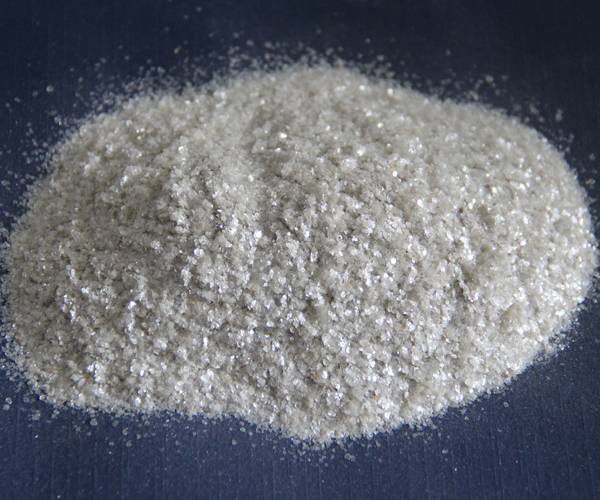
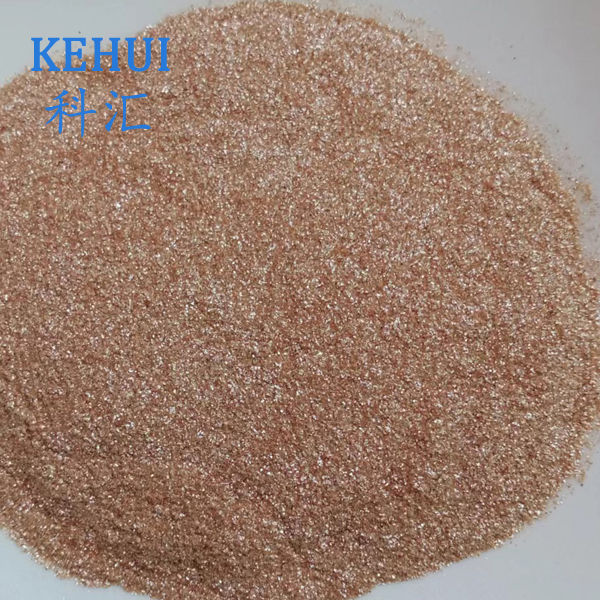
In essence, vermiculite types refer to various forms of the mineral vermiculite classified by characteristics like particle size, expansion capacity, and purity. When heated, vermiculite expands into lightweight, accordion-like flakes, making it useful for insulation, soil conditioning, and fireproofing. Its types are distinguished by processing methods and source quality, often grouped as coarse, medium, and fine grades.
In humanitarian contexts, vermiculite’s lightweight and insulating nature makes it invaluable for emergency shelter construction or soil improvement in degraded lands. Its versatility links it closely to several sectors driving modern industrial progress and sustainable development.
Key Factors & Core Components of Vermiculite Types
1. Particle Size Distribution
Vermiculite typically comes in fine (5 mm) varieties. Particle size impacts its utility — finer grades are ideal for horticulture, while coarser grades excel in construction insulation.
2. Expansion Ratio
The ability to expand when heated affects its insulating properties dramatically. Expansion ratios for vermiculite can range from 8:1 to 20:1, dictating its volume increase during processing.
3. Purity and Chemical Composition
Higher purity vermiculite ensures fewer contaminants, which is critical for applications like food packaging or agricultural soil mixes. Trace elements — including iron and magnesium — influence color and thermal stability.
4. Durability and Thermal Stability
Because vermiculite is used mainly for insulation and lightweight fill, its ability to resist decomposition under heat over time makes it invaluable. It can withstand temperatures over 1,100°C (2,000°F), which many synthetic fillers cannot.
5. Water Absorption & Moisture Retention
This aspect is vital in horticulture where vermiculite's water retention helps retain soil moisture. Variations in moisture absorption relate to particle size and grade.
Mini Takeaway:
Choosing the right vermiculite type means balancing particle size, purity, and expansion properties with your precise application needs. It’s not a one-size-fits-all mineral.
Global Applications & Real-World Use Cases
- Construction Industry: Vermiculite as lightweight plasters and fireproofing material is growing, especially in places like Europe and North America, where building regulations prioritize sustainability and fire safety.
- Agriculture and Horticulture: In regions from India to Brazil, vermiculite improves soil aeration and moisture retention, boosting crop yields sustainably.
- Disaster Relief: Post-natural disaster shelters often incorporate vermiculite composites due to their insulation and fire-resistant properties — for example, NGOs in Southeast Asia rely on specific vermiculite types to stabilize soil and build safer, cost-effective shelters.
- Industrial Applications: Its use as a packing material for hazardous chemicals or in brake linings illustrates how vermiculite types meet strict quality standards globally.
Product Specification Table: Common Vermiculite Types
| Type | Particle Size (mm) | Expansion Ratio | Typical Use |
|---|---|---|---|
| Fine | <2 | 10:1 to 15:1 | Soil conditioning, potting mixes |
| Medium | 2–5 | 12:1 to 18:1 | Lightweight plasters and fillers |
| Coarse | >5 | 15:1 to 20:1 | Industrial insulation and packing |
Advantages and Long-Term Value of Vermiculite Types
Frankly, what I find compelling about vermiculite is its blend of practicality and sustainability. It’s non-toxic, reusable, and offers genuine social benefits — insulating homes, improving crop yields, and even helping communities impacted by natural disasters. Cost-wise, vermiculite is relatively inexpensive compared to synthetic alternatives, yet it boosts safety and reliability.
On an emotional level, vermiculite supports dignity by ensuring safer, warmer homes and healthier soil. Trust in vermiculite grows as more industries recognize its ecological benefits, aligning with global goals for green growth.
Vendor Comparison Table: Leading Vermiculite Suppliers
| Vendor | Origin Country | Grade Variety | Certifications | MOQ (tons) |
|---|---|---|---|---|
| Kehuimica | China | Fine, Medium, Coarse | ISO 9001, SGS | 5 |
| Vermiculite SA | South Africa | Medium, Coarse | ISO 14001 | 10 |
| Expanded Minerals Ltd. | USA | Fine, Medium | FDA Approved, ISO 9001 | 3 |
Future Trends and Innovations with Vermiculite
Looking ahead, vermiculite is carving out roles in green building initiatives and even in emerging insulation solutions designed for digital infrastructure. Innovations include combining vermiculite with bio-based composites for low-carbon footprint building panels. There’s also growing attention toward automating vermiculite expansion for tailored particle sizes, which could improve scalability and reduce waste.
Policy-wise, international environmental standards increasingly favor sustainable minerals like vermiculite—meaning higher demand and an incentive to refine source purity and supplier transparency.
Challenges and How Experts Are Addressing Them
It’s not all smooth sailing, of course. The biggest drawback often stems from inconsistent quality across mining sites, which can cause application mishaps. Contamination with asbestos-looking minerals is another concern, making stringent quality checks vital.
Experts suggest more geo-chemical mapping and standardized grading protocols. Also, new rapid testing technologies promise quicker, more reliable purity assessments. Companies like Kehuimica are pushing forward with transparency and certifications to build trust.
FAQ: Frequently Asked Questions About Vermiculite Types
- Q: What vermiculite type is best for improving agricultural soil?
A: Fine vermiculite (<2 mm) is generally preferred for agriculture because it enhances moisture retention and aeration effectively, supporting healthier root development. - Q: Can vermiculite provide sufficient fire resistance for building insulation?
A: Yes, especially medium and coarse expanded vermiculite types are widely used for their excellent thermal stability, resisting heat above 1,100°C, making them ideal for fireproofing. - Q: How do I ensure the vermiculite I purchase is safe and asbestos-free?
A: Always buy from reputable vendors who provide certifications like ISO or SGS testing reports explicitly stating asbestos-free status, such as reputed suppliers listed above. - Q: Is vermiculite environmentally sustainable as a packaging material?
A: Absolutely. Vermiculite’s natural origin, recyclability, and inertness make it an eco-friendly choice, especially for cushioning hazardous substances during transport. - Q: Where can I learn more about different vermiculite types?
A: You can explore detailed classification and sourcing info at vermiculite types and related industry resources online.
Conclusion + Call to Action
In real terms, the diverse vermiculite types bring not just versatility but long-term value to industries and communities worldwide. Their roles in insulation, agriculture, and safety are only set to expand as sustainability takes center stage. Frankly, understanding vermiculite types feels less like a niche topic and more like a gateway to smarter, greener decisions.
If you’re curious to explore how vermiculite might fit your project or industry needs, do visit our website. The right knowledge can make all the difference.
Quick Takeaway: Vermiculite types matter because their unique characteristics tailor this natural mineral for critical roles across agriculture, construction, and sustainability — a small mineral playing a big global part.
Latest news
-
Global Analysis and Trends of the Calcined Mica Flakes MarketNewsApr.16,2026
-
Technical Benefits of Calcined Mica for Welding ElectrodesNewsApr.09,2026
-
Superior Calcined Mica for Electrical Insulators Applications and BenefitsNewsApr.07,2026
-
Exploring the Versatility of Calcined Mica for Decoration and Diverse ApplicationsNewsApr.04,2026
-
Exploring Calcined Mica Properties Applications and Sourcing OptionsNewsMar.31,2026
-
Exploring the Versatile Applications of Mica Flakes Powder Across IndustriesNewsMar.28,2026
-
Comprehensive Guide to 100 Mesh Mica Powder Applications and Industrial BenefitsNewsMar.26,2026
Related Products