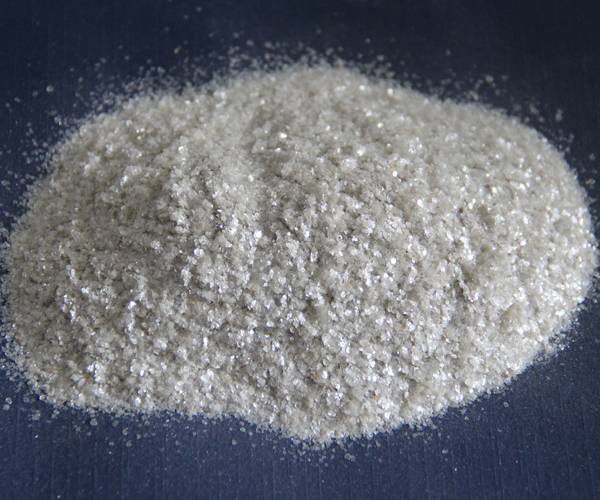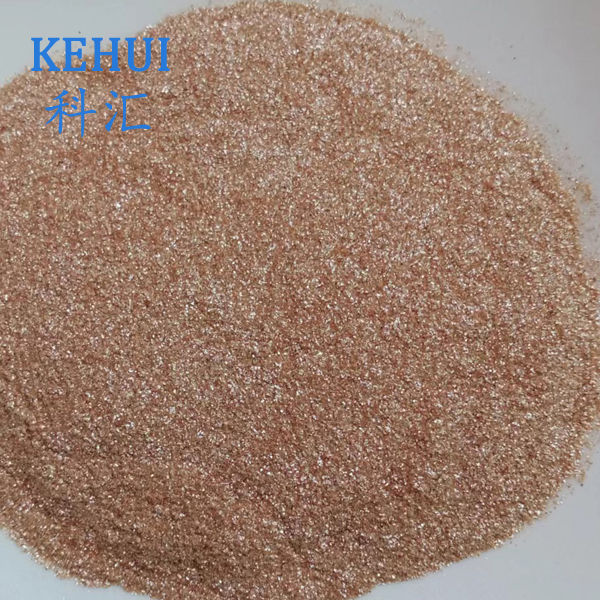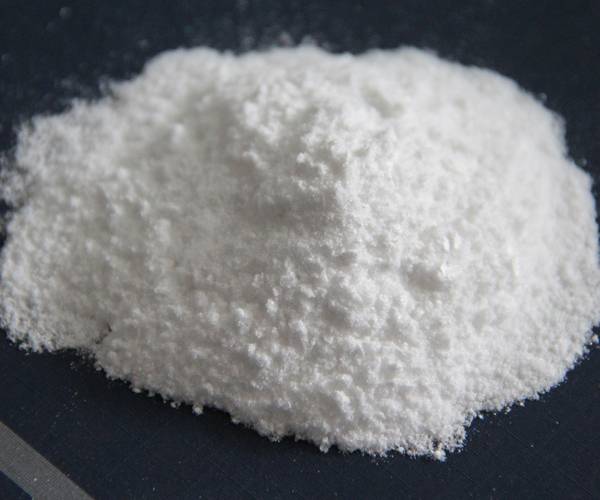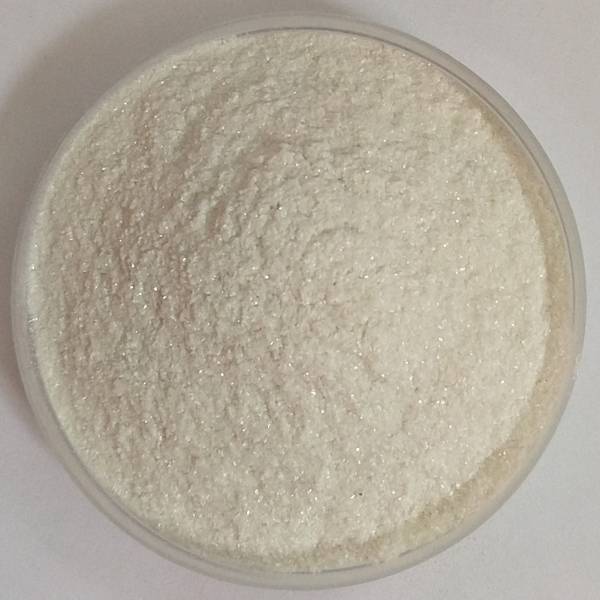
Adding vermiculite to Garden Soil: What Industrial Pros Know
Having spent a decent chunk of my career immersed in the industrial equipment world, it's funny how the simplest materials — like vermiculite — bridge big heavy machines and delicate garden beds. Oddly enough, vermiculite isn’t just some fluff; it’s a mineral with a fascinating story, and a quiet star when it comes to improving soil quality.
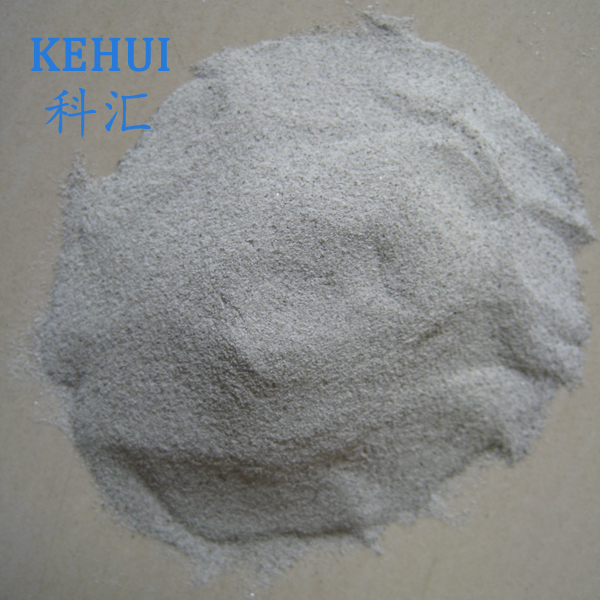
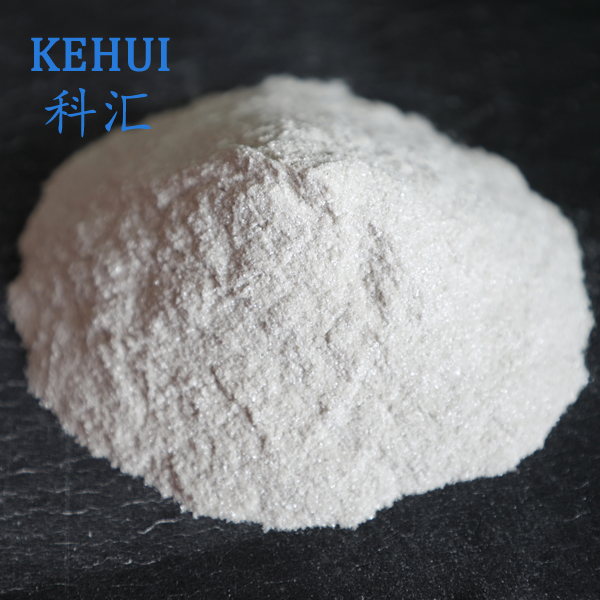
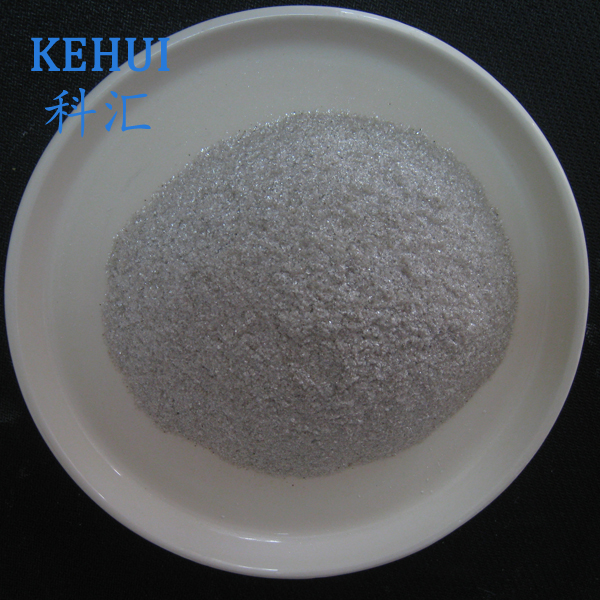
If you’ve ever dug into garden soil amended with vermiculite, you might’ve noticed that light, crumbly texture that feels just right. In real terms, vermiculite acts like a tiny sponge — it holds moisture, nurtures aeration, and helps plants thrive in a way that’s both subtle and incredibly effective. Many engineers I've worked alongside often mention its versatility, especially when precision and controlled environments are necessary.
Let me walk you through the core specs before we talk shop:
| Property | Typical Value |
|---|---|
| Composition | Hydrated Laminar Magnesium-Aluminum-Iron Silicate |
| Bulk Density | 100-130 kg/m³ (expanded) |
| pH | 6.5 - 8.5 (neutral to slightly alkaline) |
| Water Retention Capacity | Up to 3x its weight |
| Thermal Stability | Up to 1100°C |
From an industrial equipment perspective — I suppose what really stands out is vermiculite’s thermal stability and low bulk density. These properties, frankly, suggest why it’s not only a favorite in gardening but also in insulation and packaging sectors. When you add it to garden soil, it creates a kind of micro-environment that balances moisture without suffocating roots, which is crucial for healthy plant development.
I remember one project where a client was looking to optimize growth media for a hydroponics setup. We trialed different soil amendments, and vermiculite consistently improved moisture retention without causing compaction. For those growing tomatoes or peppers, this was a game-changer — fewer watering cycles and more consistent yields.
But of course, not all vermiculite is created equal. Sourcing quality material is just as important as knowing how to use it. So, here’s a quick rundown comparing some of the leading vermiculite vendors in the market. It’s not exhaustive but reflects what I’ve learned through testing and on-the-ground feedback:
| Vendor | Expansion Quality | Purity (%) | Moisture Content | Notable Application |
|---|---|---|---|---|
| Kehui Chemical | High, consistent | 98% | Horticulture, insulation | |
| Vendor B | Moderate | 92% | 7% | Packaging, construction |
| Vendor C | High, variable | 95% | 6% | Gardening, filtration |
What struck me when working with Kehui Chemical’s vermiculite — the one linked here — is how consistent their product quality is. It feels like a nod to their manufacturing standards and quality control, which many folks underestimate in the vermiculite supply chain.
Packing tiny flakes of mineral that rapidly expand when heated, vermiculite’s role in garden soil goes beyond just holding water. It improves aeration, reduces soil compaction, and buffers pH variations. You could say it shapes a better environment for roots, almost like how certain engineered materials influence plant growth in greenhouses.
Of course, how you mix vermiculite depends on your soil type and plants. For sandy soils, adding 10–20% vermiculite by volume can improve water retention dramatically. Clay soils benefit from it by becoming less dense and more “breathable.” And I’ve heard hobbyists swear by its ability to help seedlings establish quicker.
Though I've found vermiculite pretty forgiving, I’d warn about overdoing it. Too much can hold excess moisture, increasing the risk of root rot in heavy soils. So, it’s all about balance, trial, and tuning your mix as you observe your plants.
In summary, from an industry insider’s standpoint, vermiculite is one of those quietly effective materials. It connects mining, manufacturing, and agriculture — sectors that don’t always get the spotlight together. Adding it to your garden soil? That’s just good, old-fashioned smart engineering meeting nature.
Hope this sheds light on why so many in industrial circles nod approvingly at vermiculite’s humble utility. If you want to explore reliable sources, vermiculite from vetted suppliers like Kehui Chemical have been a solid, trustworthy recommendation.
Takeaway: Vermiculite turns garden soil from “meh” to “robust” — a simple tweak with industrial-grade impact.
References:
1. Journal of Soil Science & Plant Nutrition, 2021
2. Industrial Minerals Handbook, 2022
3. Personal experience with horticultural equipment projects, 2018–2023
Latest news
-
Global Analysis and Trends of the Calcined Mica Flakes MarketNewsApr.16,2026
-
Technical Benefits of Calcined Mica for Welding ElectrodesNewsApr.09,2026
-
Superior Calcined Mica for Electrical Insulators Applications and BenefitsNewsApr.07,2026
-
Exploring the Versatility of Calcined Mica for Decoration and Diverse ApplicationsNewsApr.04,2026
-
Exploring Calcined Mica Properties Applications and Sourcing OptionsNewsMar.31,2026
-
Exploring the Versatile Applications of Mica Flakes Powder Across IndustriesNewsMar.28,2026
-
Comprehensive Guide to 100 Mesh Mica Powder Applications and Industrial BenefitsNewsMar.26,2026
Related Products