Lightweight Strength, Real-World Durability: A Field Note on Cenosphere/Hollow Ceramic Microspheres
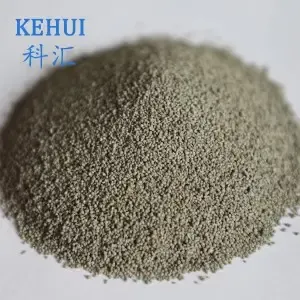
I’ve seen fillers come and go, but when a plant manager tells me their cement mix just “breathes easier” after switching to Cenosphere/Hollow Ceramic Microspheres, I pay attention. These hollow aluminosilicate spheres—naturally formed in coal-combustion fly ash—deliver weight reduction without surrendering compressive strength. From Nanjialiang Village, Lingshou County, Shijiazhuang, Hebei, China (a region that quietly powers a big slice of the global mineral supply chain), this material is moving from commodity to strategic ingredient.
Why the surge now?
Decarbonization targets are nudging formulators to do more with less mass. In drilling and cementing, weight control is everything; in coatings and plastics, better strength-to-weight and thermal stability are the new baseline. And honestly, availability has improved—screening and magnetic separation have gotten cleaner, so variability is down compared with a decade ago.
Technical snapshot
| Parameter | Typical value (≈, real-world use may vary) |
|---|---|
| Particle size (mesh) | 20–70, 40, 50, 60, 80, 100, 150 mesh (custom cuts available) |
| True density | ≈0.35–0.60 g/cm³ |
| Bulk density | ≈0.20–0.40 g/cm³ |
| Crush strength (isostatic) | ≈28–60 MPa |
| Composition | SiO₂ 50–65%, Al₂O₃ 25–35%, trace Fe₂O₃ |
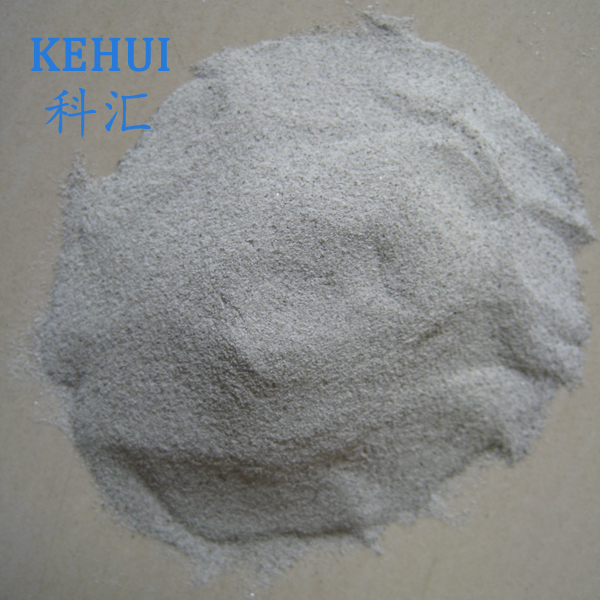
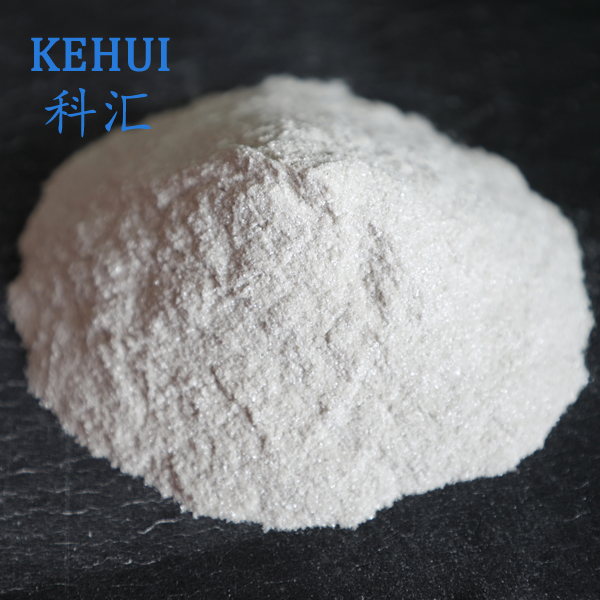
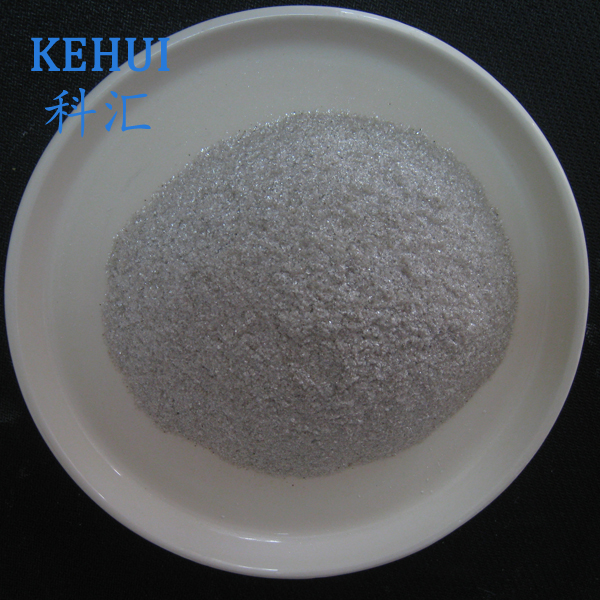
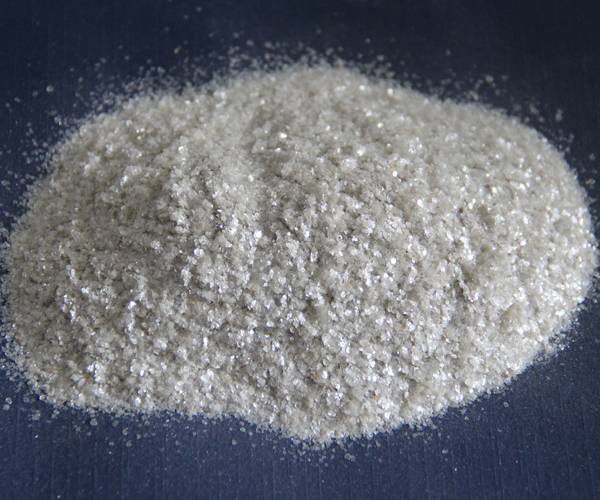
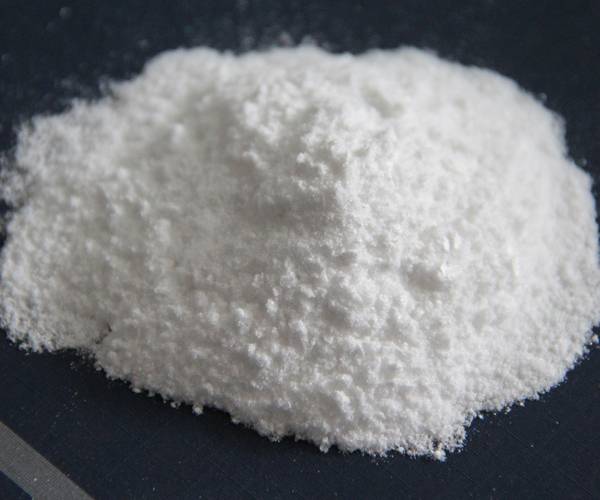
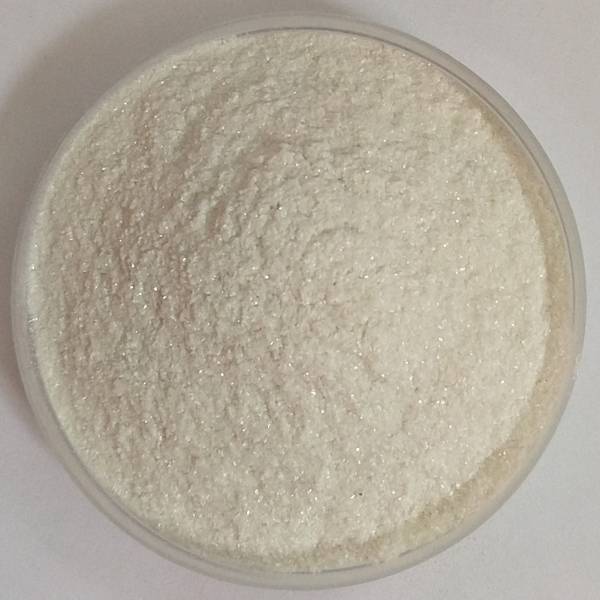
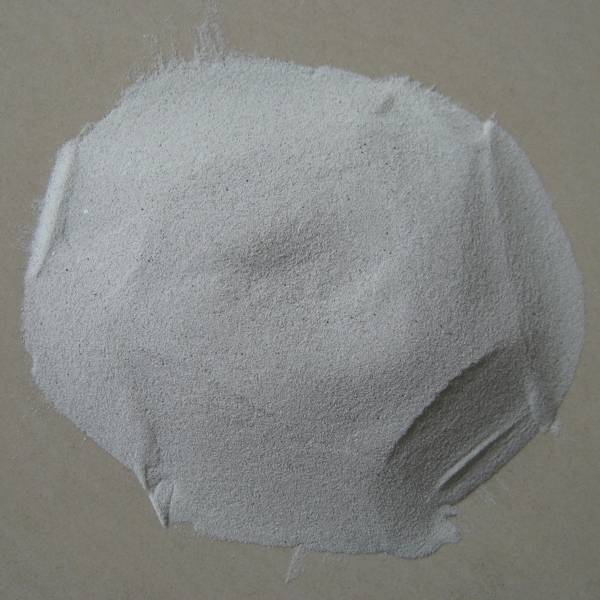
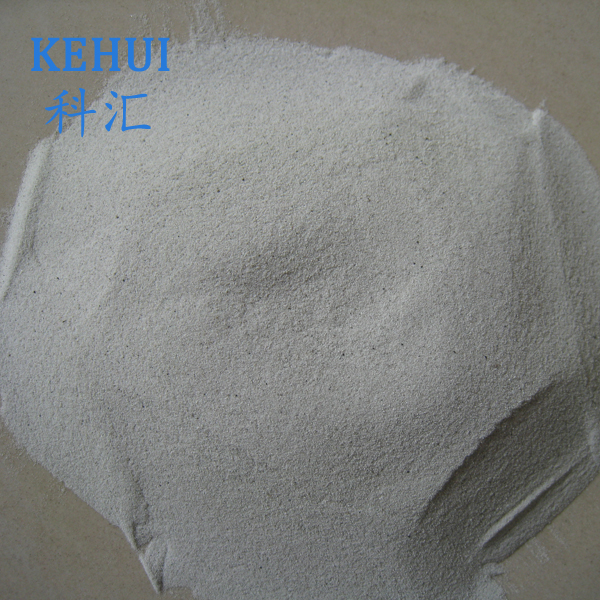
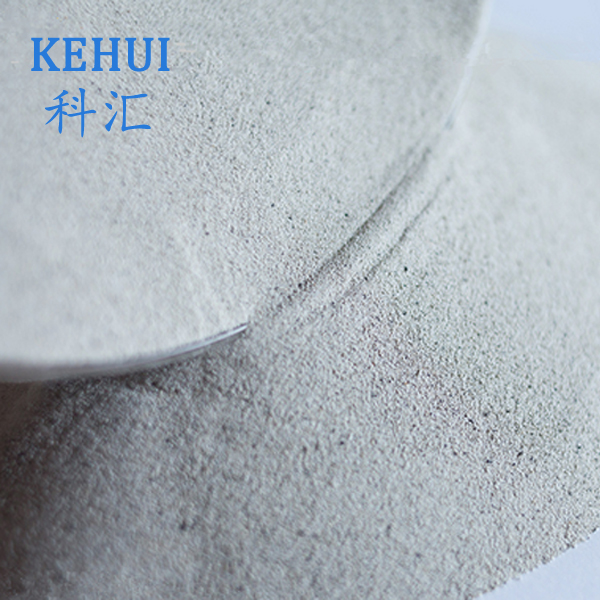
| Color | Light gray to off‑white |
| Softening point | ≈1200–1350 °C |
Process flow, methods, and testing
Feedstock fly ash → wet floatation (density selection) → magnetic separation → multi-deck sieving (ASTM C136/E11) → low-temp calcination → optional silane surface treatment → QC.
QC highlights: density (ASTM D792), bulk density (ASTM D1895), particle size (ASTM C136), loss on ignition (ASTM C114), water absorption (ASTM C373), and compressive performance correlation for concrete lightweight aggregate (ASTM C330). For oilwell cement blends, labs often reference API RP 10B protocols to confirm rheology and density control. Service life? In coatings and polymer parts, I typically hear 5–15 years; in refractory and concrete, it depends on thermal cycling and chemistry, but the spheres hold up remarkably well.
Where they shine
- Foundry and refractory: lower thermal conductivity, improved insulation.
- Construction: lightweight concrete/grouts meeting ASTM C330 targets; easier pumping.
- Oil drilling/cementing: density control, lower ECD, LCM synergy in loss-prone formations.
- Paints and coatings: sag control, film build, better sandability; lower VOC per coverage unit.
- Plastics/automotive: weight cuts of 10–25% with acceptable impact strength; smoother surface vs. irregular fillers.
Many customers say they see faster wet-out than expected—probably the clean surface chemistry. To be honest, dispersion still matters: high-shear premix for coatings, side-feeder dosing for compounding.
Vendor snapshot and customization
| Vendor | Key strengths | Certs/Notes |
|---|---|---|
| KeHui (Hebei, China) | Tight mesh cuts (20–150), consistent light color, OEM silane treatment | ISO 9001; export-ready packaging; REACH discussion on request |
| Supplier A (Global) | Higher crush grades for demanding drilling | API test data available |
| Supplier B (Regional) | Competitive pricing; broad commodity volumes | Basic QC, limited custom treatments |
Customization: mesh tailoring (40/60/80/100/150), hydrophobic or aminosilane finishes for polymers/coatings, and pre-blends for cementitious packs. Packaging: valve bags, FIBCs with liners. Lead times are reasonable; honestly, plan ahead around peak construction seasons.
Quick case notes
- Coatings, marine primer: ≈18% by weight of Cenosphere/Hollow Ceramic Microspheres reduced density by ~22% and improved sandability, with no blistering after 1,000 h salt spray (in-house test).
- Lightweight grout: 0.45 w/c ratio with 30% volume replacement hit target density 1.3 g/cm³ and maintained pumpability over 90 minutes.
- Oilwell spacer: blend delivered 0.92 sg fluid, stable under API rotational rheology checks.
Final thoughts
If you need to lower weight without torpedoing mechanicals, Cenosphere/Hollow Ceramic Microspheres are a practical, scalable lever. Start with pilot blends, verify against your standards, and watch the mix just… behave better.
Authoritative references
- ASTM C330/C330M – Lightweight Aggregates for Structural Concrete.
- ASTM C136/C136M – Sieve Analysis of Fine and Coarse Aggregates; ASTM E11 – Woven Wire Test Sieve Cloth.
- ASTM D792 – Density and Specific Gravity of Plastics by Displacement; ASTM D1895 – Bulk Density of Plastics.
- ASTM C373 – Water Absorption of Ceramic Whiteware; ASTM C114 – Chemical Analysis of Hydraulic Cement.
- API RP 10B Series – Testing Well Cements (rheology, density, thickening time).
- ISO 9001 – Quality Management Systems (supplier certification baseline).
Latest news
-
Global Analysis and Trends of the Calcined Mica Flakes MarketNewsApr.16,2026
-
Technical Benefits of Calcined Mica for Welding ElectrodesNewsApr.09,2026
-
Superior Calcined Mica for Electrical Insulators Applications and BenefitsNewsApr.07,2026
-
Exploring the Versatility of Calcined Mica for Decoration and Diverse ApplicationsNewsApr.04,2026
-
Exploring Calcined Mica Properties Applications and Sourcing OptionsNewsMar.31,2026
-
Exploring the Versatile Applications of Mica Flakes Powder Across IndustriesNewsMar.28,2026
-
Comprehensive Guide to 100 Mesh Mica Powder Applications and Industrial BenefitsNewsMar.26,2026
Related Products