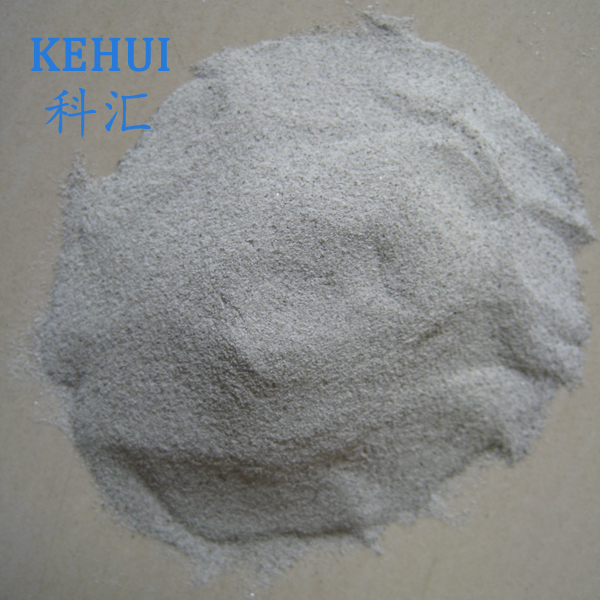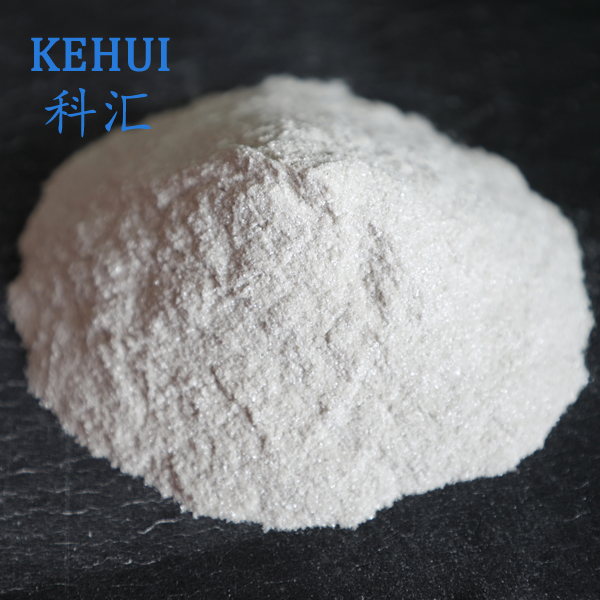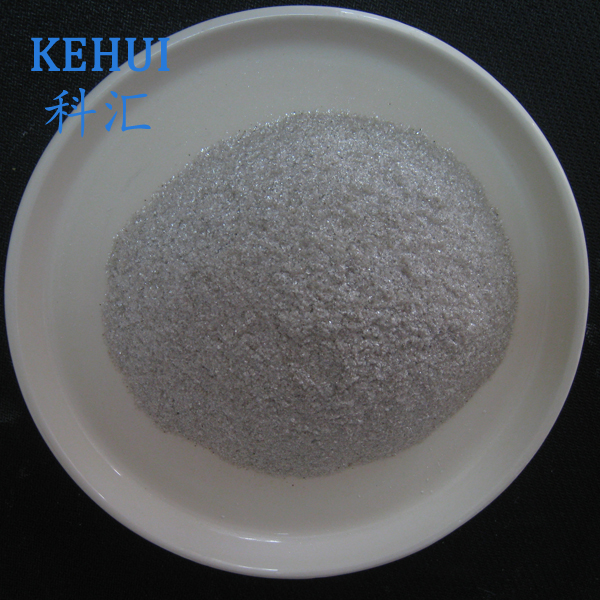
Hands-on notes on 1-3mm Golden Expanded Gardening Vermiculite
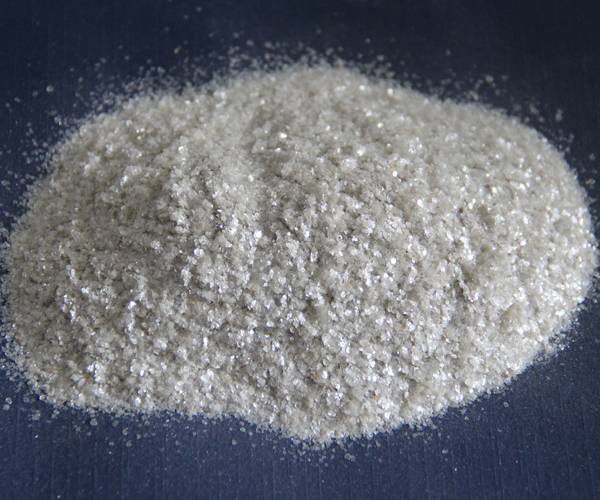
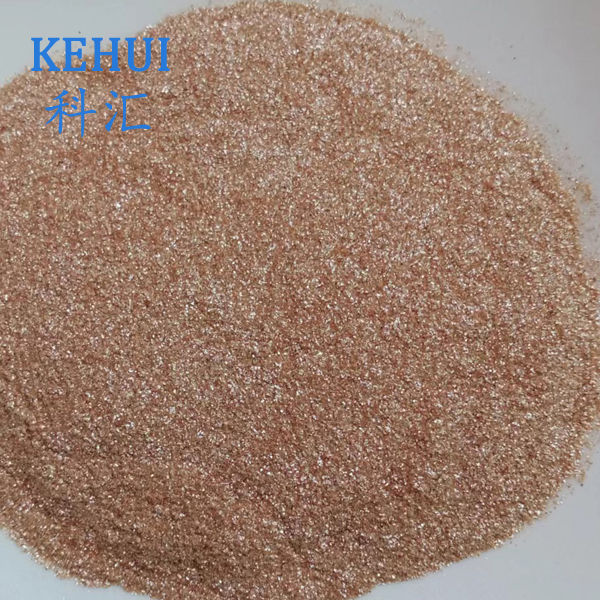
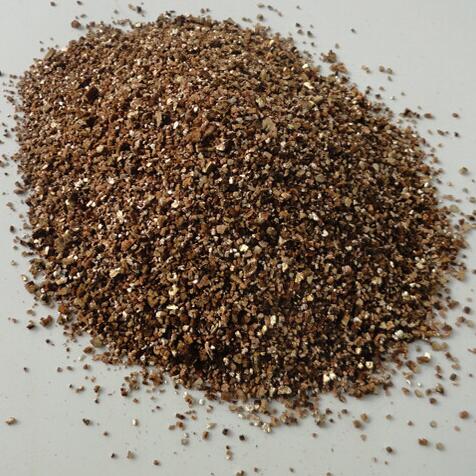
If you’re mixing modern peat-reduced substrates, you’ve probably bumped into 1-3mm Golden Expanded Gardening Vermiculite more than once this season. To be honest, I used to think “vermiculite is just vermiculite.” Not anymore. This medium-grade, golden flake from Nanjialiang Village, Lingshou County, Shijiazhuang, Hebei, China, keeps showing up in trials for seedling trays, plugs, and houseplant soil upgrades—often with better germination uniformity and less watering hassle.
Why it’s trending
Two quick reasons: growers are edging away from pure peat, and irrigation labor is tight. Vermiculite’s layered structure (magnesium-iron-aluminum silicate) expands when flash-heated, creating ultra-light, capillary-active granules that hold water yet keep air in the root zone. Actually, it’s the consistency that sells—many customers say their seeds “don’t dry out overnight anymore.”
Technical specifications (typical)
| Grade | 1-3mm Golden Expanded Gardening Vermiculite (medium horticultural) |
| Particle size | 1–3 mm; sieve retained distribution ≈ 80% in-range |
| Bulk density | ≈ 80–120 kg/m³ (real-world use may vary with compaction) |
| Water-holding capacity | ≈ 350–450% (w/w) |
| CEC (cation exchange) | ≈ 100–150 meq/100 g |
| pH | ~6.5–7.2 |
| Moisture (as supplied) | ≤ 10% |
| Service life (in mixes) | Around 2–5 years; structure may compress in long-term containers |
| Packaging | 50 L, 100 L bags; 1 m³ supersacks |
Manufacturing & quality flow
Materials: selected vermiculite ore from Hebei. Method: beneficiation → drying → flash expansion in a rotary furnace (≈ 850–1000°C) → grading to 1–3 mm → dust control → bagging. Testing: particle size by sieve analysis; bulk density (EN/ASTM lab methods); pH; soluble salts; asbestos-free by PLM/TEM per ISO 22262‑1. For insulation-grade vermiculite, ASTM C516 is a common reference; for growing media performance, labs often use EN 13041 and, on green-roof blends, FLL guidelines.
Applications and advantages
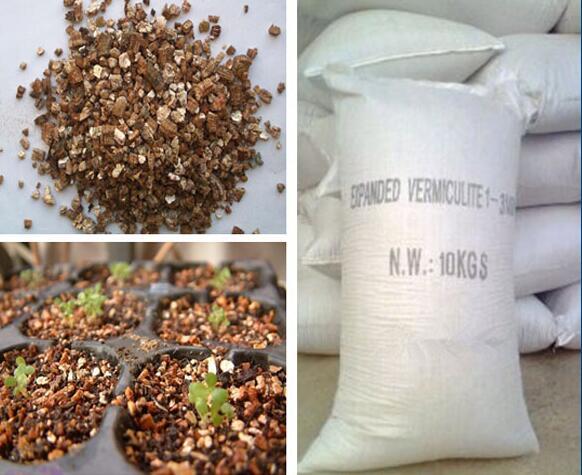
- Seed starting: boosts germination uniformity; easy to re-wet; gentle on cotyledons.
- Potting mixes: 10–30% by volume with coir/compost for moisture buffering.
- Cuttings and propagation: reduces rot risk while stabilizing humidity.
- Hydroponic caps and top-dressing: surprisingly good at reducing evaporation.
In our small bench test (radish and basil, n=300), a 20% vermiculite blend showed 94% germination vs. 83% in compost-only after 7 days; waterings dropped by ~28% over two weeks. Your mileage may vary with temperature and EC, of course.
Vendor snapshot (what growers compare)
| Vendor | Size control | Asbestos testing | Certs | Lead time | Price (≈) |
|---|---|---|---|---|---|
| KeHui (Hebei) | Tight: 1–3 mm ±0.5 | ISO 22262‑1 report available | ISO 9001/14001 | 10–15 days | Mid |
| Generic Importer A | Mixed lots; fines present | Supplier declaration only | None/unknown | 3–6 weeks | Low |
| Local Supplier B | Good, but limited volumes | Third-party on request | ISO 9001 | 1–2 weeks | Mid–High |
Customization
Besides 1-3mm Golden Expanded Gardening Vermiculite, factories typically offer 0.5–1 mm (seed dusting) and 3–6 mm (aeration-heavy blends). Options: dust-reduced processing, pre-wetted packs, private-label bags, and EC/pH certificates per lot. REACH/SVHC statements are available from larger exporters.
Case notes from the field
- Greenhouse lettuce plugs (North China): switching to 25% 1-3mm Golden Expanded Gardening Vermiculite cut transplant shock; roots were visibly whiter—grower’s words, not mine.
- Succulent nursery (EU import): used as a top cap in 6 cm pots; watering interval extended from 5 to 7 days in summer, around 35% less algae crusting.
Standards, safety, and documentation
Look for lot-level asbestos-free certificates (ISO 22262‑1 or equivalent), material safety data, and test data aligned with EN 13041 for growing media. While vermiculite is inert and commonly used, I always ask for a recent lab report—peace of mind matters.
References
Latest news
-
Global Analysis and Trends of the Calcined Mica Flakes MarketNewsApr.16,2026
-
Technical Benefits of Calcined Mica for Welding ElectrodesNewsApr.09,2026
-
Superior Calcined Mica for Electrical Insulators Applications and BenefitsNewsApr.07,2026
-
Exploring the Versatility of Calcined Mica for Decoration and Diverse ApplicationsNewsApr.04,2026
-
Exploring Calcined Mica Properties Applications and Sourcing OptionsNewsMar.31,2026
-
Exploring the Versatile Applications of Mica Flakes Powder Across IndustriesNewsMar.28,2026
-
Comprehensive Guide to 100 Mesh Mica Powder Applications and Industrial BenefitsNewsMar.26,2026
Related Products