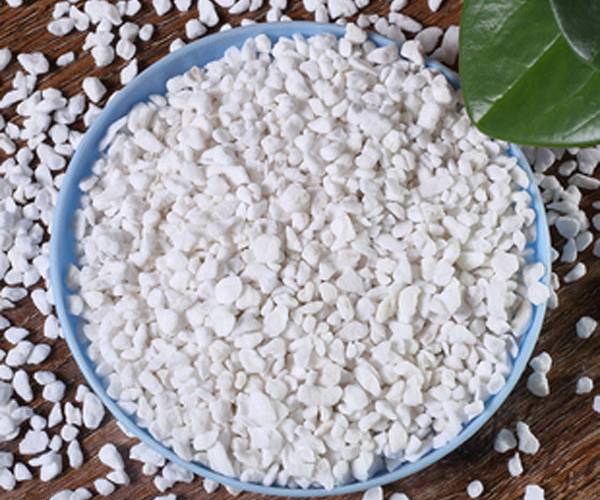
High Quality Materials from the perlite and vermiculite factory
Selecting a high-performance mineral filler requires a deep understanding of the thermal and structural properties of the material. Vermiculite, a secondary metamorphic magnesium aluminum silicate, stands out for its unique ability to expand significantly when subjected to high temperatures, transforming from a dense mineral into a lightweight, accordion-like structure. This physical transformation makes it an indispensable resource for industrial insulation and high-end horticulture.
For procurement managers and agricultural engineers, the value of vermiculite lies in its sterile, non-abrasive nature and its exceptional capacity for water and nutrient retention. Whether it is being used to prevent seed capping in professional nurseries or as a fire-resistant barrier in construction, the quality of the raw mineral and the precision of the expansion process are critical. Lingshou Kehui leverages decades of technical expertise to ensure that every batch meets rigorous industrial standards for purity and performance.

The Mineralogical Structure and Thermal Expansion Mechanism of Vermiculite
Vermiculite is characterized by a layered silicate structure, similar to mica, typically originating from the hydrothermal alteration of biotite. The defining characteristic of this mineral is its reaction to heat. When heated to temperatures between 850°C and 1100°C, the chemically bound water within the layers evaporates rapidly, causing the mineral to expand many times its original volume. This process creates a "leech-like" pattern, resulting in a material that is naturally refractory and possesses an incredibly low bulk density.
From a technical perspective, the expanded form of the mineral provides several critical advantages:
- Thermal Insulation: The air-filled pockets within the expanded flakes act as a highly efficient thermal barrier.
- Chemical Stability: It is naturally poisonless, odorless, and resistant to corrosion, making it safe for sensitive environments.
- Fire Resistance: Its non-combustible nature makes it a primary choice for fire-proofing applications in construction and industrial settings.
- Acoustic Properties: The porous structure effectively dampens sound, providing sound-proofing capabilities.
This transformation from a dense rock to a lightweight filler is what allows the material to serve as both a structural component in heat-resistant cements and a breathable medium in soil science.

Optimizing Plant Propagation with Horticultural Grade Vermiculite
In professional horticulture, the primary challenge during the sowing of fine seeds is the formation of a "hard cap" on the surface of the compost. This crust can obstruct germination and prevent fragile seedlings from breaking through to the surface. Horticultural vermiculite addresses this problem by providing a lightweight, granular texture that remains friable regardless of moisture levels. Because it is inorganic and sterile, it eliminates the risk of introducing weeds, insects, or soil-borne diseases into a controlled growing environment.
The benefits of integrating vermiculite into potting mixes include:
- High Cation-Exchange Capacity: It acts as a buffer, holding onto essential nutrients and releasing them slowly to the plant roots.
- Superior Aeration: The expanded structure ensures that oxygen reaches the root zone, preventing anaerobic conditions and root rot.
- Moisture Management: Its high water-holding capacity reduces the frequency of irrigation while preventing the medium from becoming waterlogged.
- Physical Support: Being non-abrasive, it protects delicate root hairs during the early stages of propagation.
When used in seed trays, a thin layer of vermiculite provides the ideal balance of moisture and aeration, ensuring a higher and more uniform germination rate compared to traditional peat or compost-only mixes.
Industrial Application Logic: From Oil Fields to Automotive Construction
Beyond the garden, the application of vermiculite is driven by the need for materials that can withstand extreme environments. In the oil and gas industry, the mineral's stability and heat resistance are utilized in specialized drilling fluids and insulation for high-temperature pipelines. Similarly, in the automotive sector, the demand for lightweight yet thermally insulating materials leads to the use of mineral fillers that reduce heat transfer to the cabin while maintaining structural integrity.
In the construction sector, vermiculite is often incorporated into lightweight plasters and concrete. This not only reduces the overall dead load of the building but also significantly improves the R-value of walls and ceilings. The logical progression from raw mineral to industrial solution involves precise classification screening and iron sand removal, ensuring that the final product does not introduce contaminants into the end-use application.
The versatility of the material is a result of its adaptability. By controlling the expansion temperature and the subsequent grading process, manufacturers can produce everything from coarse granules for drainage to fine powders for chemical fillers, matching the specific mechanical and thermal requirements of the client.
Chemical Composition and Technical Specifications of Vermiculite
| Component/Property | Typical Content/Value | Impact on Performance | Industry Standard |
|---|---|---|---|
| SiO2 (Silica) | 37-42% | Provides structural framework | Standard Mineral Grade |
| MgO (Magnesium Oxide) | 11-23% | Influences expansion rate | High-Expansion Grade |
| Fe2O3 (Iron Oxide) | 3.5-18% | Affects color and purity | Controlled Purity |
| Al2O3 (Aluminum Oxide) | 9-17% | Enhances refractory properties | Refractory Grade |
| PH Level | 7-11 | Alkaline/Neutral suitability | Horticultural Grade |
Supply Chain Reliability and Quality Assurance in Mineral Procurement
For B2B buyers, the consistency of the mineral filler is more important than a single perfect sample. Variations in the chemical composition of the raw ore can lead to inconsistent expansion, which in turn affects the density and insulating power of the final product. To mitigate this, leading manufacturers employ a totally closed filling process and unique classification screening to ensure that every shipment adheres to the same technical specifications.
Quality assurance is further bolstered by international certifications. Adherence to ISO 9001:2015 ensures that the production process is documented and repeatable, while SMETA and ECOVAIDS assessments provide transparency regarding workplace conditions and environmental impact. For buyers operating on "just-in-time" (JIT) schedules, the ability of a supplier to maintain large capacity stockpiles is a critical risk-mitigation factor, preventing production halts due to shipping delays.
Logistical flexibility is the final piece of the procurement puzzle. Whether the requirement is for bulk cargo, FCL (Full Container Load), or LCL (Less than Container Load) shipments via sea, train, or air, a tailored logistics solution ensures that the material arrives in the required condition, with shipping marks arranged precisely to the customer's internal inventory systems.
Future Trends in Non-Metallic Mineral Fillers and Sustainable Growth
The trajectory of the mineral filler industry is moving toward higher purity and specialized functionalization. As the construction industry shifts toward "green building" certifications, the demand for natural, non-toxic insulating materials like vermiculite is expected to rise. Unlike synthetic foams, mineral-based insulators are sustainable and do not release harmful VOCs (Volatile Organic Compounds) into the atmosphere, making them ideal for healthy living environments.
Furthermore, the integration of advanced dehydration and sterilization equipment allows for the production of ultra-pure grades that can be used in pharmaceutical and high-tech laboratory settings. The focus is shifting from bulk commodity supply to "application-specific" engineering, where the grain size and expansion ratio are tailored to the exact needs of the end-user.
As the perlite and vermiculite factory evolves, the emphasis will remain on the balance between industrial efficiency and environmental stewardship. By optimizing the energy used during the high-temperature expansion phase and improving the recovery of raw materials, the industry is paving the way for a more sustainable approach to non-metallic mineral manufacturing.
Frequently Asked Questions About Vermiculite Applications
What is the primary difference between raw and expanded vermiculite?
Raw vermiculite is a dense, mica-like mineral. When heated to 850-1100°C, it undergoes a physical transformation called expansion, where it increases in volume and becomes a lightweight, porous material used for insulation and horticulture.
Why is vermiculite preferred over compost for sowing very fine seeds?
Vermiculite is much lighter and does not form a hard crust or "cap" on the surface. This allows tiny seedlings to break through the surface easily and ensures better aeration for the developing roots.
Is expanded vermiculite safe for use in residential fire-proofing?
Yes, expanded vermiculite is naturally non-combustible, poisonless, and odorless. Its refractory properties make it an excellent additive for fire-resistant plasters and insulation boards in construction.
How does the cation-exchange capacity of vermiculite benefit plants?
High cation-exchange capacity means the material can effectively hold onto positively charged nutrients (like potassium, calcium, and magnesium) and prevent them from leaching away during watering, releasing them slowly to the plant.
What logistics options are available for bulk mineral filler shipments?
Shipments can be arranged as bulk cargo or via FCL/LCL containers. Depending on the urgency and volume, transport can be managed through sea, train, or air freight to meet just-in-time delivery requirements.
Can vermiculite be customized for specific industrial densities?
Yes, by adjusting the heating parameters and employing precise classification screening, the expansion ratio and particle size can be tailored to achieve specific bulk densities and thermal performance.
Technical References and Industry Standards
- ISO 9001:2015 Quality Management Systems Standards
- USDA Guidelines for Soil Amendments and Growing Media
- ASTM International Standards for Refractory Minerals
- EPA Environmental Regulations for Non-Metallic Mineral Processing
For professional procurement of high-grade mineral fillers, Lingshou Kehui provides the technical expertise and supply chain stability required for large-scale industrial and agricultural projects. Contact our team for tailored logistics solutions and free samples.
Related Technical Insights