High Purity Calcined Mica Powder and Buy Expanded Clay Balls
When sourcing high-performance mineral fillers for specialized industrial applications, the purity and dehydration level of the material often dictate the final quality of the end product. Calcined Mica Powder is a critical component in the production of special welding rods, where dielectric properties and mechanical strength are non-negotiable. By utilizing a high-temperature dehydration process, this material ensures minimal moisture content and optimal purity, creating a stable environment for welding electrodes that must operate under extreme thermal and electrical stress. For procurement managers in the metallurgy and construction sectors, identifying a supplier that integrates strict quality controls with a sophisticated classification screening process is essential to avoid batch inconsistency and project delays.

The Technical Role of Calcined Mica in Special Welding Electrode Fabrication
Calcined mica powder serves as a vital functional filler in the manufacturing of welding electrodes. Unlike raw mica, the calcined variety undergoes a rigorous high-temperature dehydration process, which removes chemically bound water. This step is crucial because moisture can lead to porosity and instability in the weld bead, compromising the structural integrity of the joint. By implementing high-temperature dehydration, the powder achieves a brilliant color and a purity level often exceeding 99.6%, making it an ideal choice for protective coatings.
From a mechanical perspective, the integration of mica improves the dielectric properties of the electrode, preventing electrical leakage and ensuring a concentrated arc. The material's natural resistance to heat and chemical erosion protects the core wire, while its specific particle size distribution—ranging from 60 mesh to 325 mesh—allows for precise control over the coating's viscosity and adherence. In professional welding environments, this translates to improved mechanical strength and a more refined finish in the resulting weld.

Optimizing Material Selection Based on Mesh Size and Particle Distribution
Selecting the correct mesh size is not merely a matter of preference but an engineering requirement based on the specific application of the welding rod. Coarser grades, such as 4-6 mesh or 6-20 mesh, are typically used in scenarios requiring structural bulk, whereas finer powders (60 mesh, 100 mesh, and 325 mesh) are indispensable for the thin, protective layers that govern electrical insulation and surface smoothness.
A critical factor for buyers is the particle size distribution. For instance, a 60-mesh calcined mica powder should demonstrate a high percentage of retention on the 60-mesh screen (e.g., 99.9%) to ensure uniformity. When the distribution is skewed, the resulting welding rod may suffer from inconsistent burn rates or uneven coating thickness. By utilizing unique classification screening and iron sand removal procedures, manufacturers can guarantee a product that meets these stringent technical benchmarks, reducing waste and improving the reliability of the welding process.
Supply Chain Reliability and Quality Assurance in Mineral Filler Procurement
For global buyers, the challenge often lies in maintaining a "just-in-time" inventory while ensuring that every shipment meets ISO 9001:2015 standards. The complexity of mineral processing—involving dry impact technology and totally closed filling processes—means that minor variations in production can lead to significant differences in PH value or bulk density. This is why partnering with a manufacturer that possesses a dedicated inspection team and large capacity stockpiles is a strategic advantage.
Logistical efficiency is the final piece of the puzzle. Whether opting for bulk cargo or FCL/LCL container shipments by sea, train, or air, the ability to provide tailored logistics solutions ensures that the material arrives without contamination. In the context of high-purity minerals, the risk of cross-contamination during transport is high; therefore, specialized shipping marks and sterilization equipment are often employed to maintain the purity of the calcined mica from the plant to the production line.
Technical Specifications of Calcined Mica Powder
| Property/Component | Technical Value | Industrial Standard | Impact on Application |
|---|---|---|---|
| Purity (Min) | 99.6% | High Grade | Ensures dielectric stability |
| Bulk Density | 0.320 g/cc | Consistent | Controls coating thickness |
| Moisture Content | 0.11% | Ultra-Low | Prevents weld porosity |
| PH Value | 7.6 | Near Neutral | Reduces chemical reactivity |
| Moh’s Hardness | 2.45 | Standard Mica | Balances durability and flow |
Integrating Mineral Fillers into Modern Manufacturing Ecosystems
The transition toward more sustainable and efficient manufacturing requires minerals that provide maximum performance with minimum waste. In the field of non-metallic mineral products, the focus has shifted toward "precision fillers." Calcined mica is a prime example, as its ability to improve electrical and mechanical strength allows engineers to reduce the overall volume of filler required without sacrificing quality.
Furthermore, the integration of SMETA and ECOVADS assessments into the supply chain reflects a growing demand for workplace condition transparency and environmental responsibility. For companies operating in the automobile and oil field sectors, using materials from audited sources is no longer optional—it is a requirement for compliance. By choosing a manufacturer that employs initiative sterilization and high-temperature dehydration, buyers can ensure their end products meet both technical specifications and international ESG standards.
Procurement Strategy for High-Purity Industrial Minerals
When evaluating suppliers for specialized minerals, buyers should move beyond price-per-ton and look at the total cost of quality. A lower-priced powder with high moisture or inconsistent particle distribution can lead to costly production failures in welding rod manufacturing. A robust procurement strategy involves requesting free samples to verify the refractive index and loss on ignition, ensuring the material aligns with the specific chemical composition required for the electrode coating.
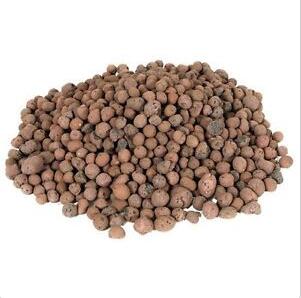
Additionally, establishing a long-term relationship with a partner capable of managing stable stockpiles reduces the risk of market volatility. Whether you are looking to buy expanded clay balls for construction or specialized mica for electrodes, the key is to verify the manufacturer's capacity for customized classification and their ability to handle diverse shipping methods. This holistic approach to procurement ensures a stable supply of high-quality minerals that support continuous industrial growth.
Frequently Asked Questions About Calcined Mica Powder
What is the primary difference between raw mica and calcined mica powder?
Calcined mica powder undergoes a high-temperature dehydration process to remove chemically bound water. This results in a material with significantly lower moisture content, higher purity, and improved thermal stability, making it essential for specialized applications like welding electrodes where moisture would cause defects.
Why is the mesh size critical for welding rod coatings?
The mesh size determines the particle distribution within the coating. Finer powders (e.g., 60-325 mesh) improve the dielectric properties and the smoothness of the protective layer, whereas coarser sizes provide different structural characteristics. Proper distribution ensures a consistent burn rate and strong mechanical bonding.
How does mica powder improve the properties of welding electrodes?
It enhances the dielectric properties, which helps in stabilizing the electrical arc. Additionally, it improves the mechanical strength of the coating and provides a protective barrier that prevents contaminants from affecting the weld pool during the melting process.
What quality certifications should I look for when buying mineral fillers?
Look for ISO 9001:2015 for quality management, and for corporate responsibility, SMETA and ECOVADS assessments are key indicators of a supplier's commitment to workplace conditions and environmental standards.
Can calcined mica be customized for specific industrial needs?
Yes, professional manufacturers can provide customized mesh sizes (from 4 mesh to 325 mesh) and specific purity levels based on the chemical composition required for the end application, such as specialized welding rods or protective coatings.
What are the typical shipping options for bulk mineral powders?
Mineral fillers are typically shipped via FCL (Full Container Load) or LCL (Less than Container Load) by sea. For urgent requirements or smaller quantities, train and air shipments are also available, often coupled with tailored logistics to ensure just-in-time delivery.
Technical References and Industry Sources
- ISO 9001:2015 Quality Management Systems Standard
- Material Science Properties of Mica in Industrial Applications
- SMETA Audit Guidelines for Ethical Trade
- EcoVadis Sustainability Rating for Global Supply Chains
For organizations seeking a reliable partner in mineral fillers, Lingshou Kehui offers the technical expertise and logistics infrastructure required to support large-scale industrial production. Contact our team today for detailed specifications and free samples.
Related Mineral Product Solutions