The Evolution of Modern Horticulture: Embracing Advanced Growing Media
In an era defined by increasing population density, climate change challenges, and a growing demand for sustainable food production, the global agricultural and horticultural sectors are undergoing a profound transformation. Traditional soil-based cultivation methods, while foundational, face limitations concerning resource efficiency, disease management, and yield consistency. This paradigm shift has propelled the widespread adoption of soilless growing techniques, particularly hydroponics, where the choice of growing media becomes paramount. Innovations in this domain are not merely incremental; they are fundamentally reshaping how food is produced, driving towards greater efficiency, sustainability, and productivity.
The industry is witnessing a robust trend towards inert, reusable, and pH-neutral substrates that offer superior aeration and moisture retention properties. Such media are critical for optimizing nutrient delivery and root health in controlled environment agriculture (CEA) systems, including greenhouses, vertical farms, and aquaponics setups. Growers, from large-scale commercial operations to specialized boutique farms, are actively seeking solutions that provide consistent performance, minimize environmental impact, and reduce operational complexities. The demand for media that support rapid plant growth, reduce water usage, and enable precise nutrient management is surging, reflecting a maturation in horticultural technology and a heightened awareness of ecological imperatives.
This global pivot towards advanced growing media is underpinned by rigorous scientific research and practical application, positioning materials like expanded clay aggregates as frontrunners in this horticultural revolution. Their unique physical and chemical properties make them indispensable for cultivating a wide array of vegetables, herbs, and fruits, ensuring high yields and superior quality produce even in challenging environments.
Introducing LECA Clay Pebbles growing media vegetables: The Hydroponic Foundation
LECA Clay Pebbles growing media vegetables, or Light Expanded Clay Aggregate, represents a pinnacle in advanced horticultural substrates. These lightweight, porous, and inert pebbles are specifically engineered to provide an optimal environment for root development and nutrient uptake in hydroponic and aquaponic systems. Derived from natural clay, these pebbles undergo a meticulous manufacturing process to achieve their distinctive structure, which is crucial for supporting robust plant growth without the disadvantages associated with traditional soil.
The primary function of LECA Clay Pebbles growing media vegetables is to provide physical support for plants, ensuring stability as they grow. Beyond mere structural support, their highly porous nature facilitates exceptional root zone aeration, a critical factor for preventing root rot and promoting healthy cellular respiration in plant roots. Simultaneously, their excellent water retention capabilities allow them to absorb and slowly release nutrient solutions, ensuring consistent hydration and nutrient availability to the plant. This balance of air and water is often difficult to achieve in other growing media, making LECA a preferred choice for high-performance cultivation.
Unlike organic growing media, LECA Clay Pebbles growing media vegetables are sterile, inert, and pH-neutral, meaning they do not decompose, nor do they leach undesirable chemicals or alter the pH of the nutrient solution. This inertness is vital for precise nutrient management, allowing growers full control over the plant's nutritional intake without interference from the substrate itself. Their reusability and durability further contribute to their appeal, offering a sustainable and cost-effective long-term solution for commercial hydroponic operations aiming for both productivity and environmental responsibility.
The Meticulous Manufacturing Process of LECA Clay Pebbles growing media vegetables
The production of high-quality LECA Clay Pebbles growing media vegetables is a sophisticated industrial process that begins with the careful selection of specific clay types and culminates in a product optimized for horticultural applications. This multi-stage manufacturing process is critical to achieving the desired physical and chemical properties of the final product, including its porosity, strength, and inertness. Understanding this process provides insight into the inherent quality and reliability of LECA as a growing medium.
1. Raw Material Sourcing and Preparation
The journey begins with the excavation of specific clay deposits, typically illite or kaolinite clays, known for their expandable properties when heated. These clays are carefully selected for their low organic content and consistent mineral composition. Once extracted, the raw clay undergoes initial processing to remove impurities such as rocks, sand, and organic debris. This involves crushing, grinding, and sometimes washing the clay to ensure a uniform and pure feedstock. The prepared clay is then typically mixed with a small amount of water to achieve the optimal plasticity for subsequent shaping processes.
2. Granulation and Shaping
After preparation, the clay mixture is fed into granulators or rotary kilns that shape the wet clay into small, spherical pellets or nodules. The size and shape of these green (unfired) pellets are precisely controlled to meet specific product specifications, ensuring consistent particle size distribution in the final product. This uniformity is crucial for optimal water and air distribution within the growing media. Modern facilities often employ advanced extrusion or pelletizing techniques to achieve precise sizing and density.
3. Kiln Firing (Sintering and Expansion)
This is the most critical stage of the manufacturing process. The green clay pellets are fed into large, rotating kilns, often inclined, where they are heated rapidly to very high temperatures, typically between 1100°C and 1200°C (2000°F - 2200°F). As the clay pellets tumble through the kiln, the intense heat causes the internal moisture and organic compounds within the clay to vaporize and expand. Simultaneously, the outer surface of the clay melts and vitrifies, forming a hard, ceramic shell. This rapid expansion, coupled with the vitrification, creates the characteristic lightweight, porous internal structure and durable outer crust of LECA pebbles. The process is a controlled "bloating" or "sintering," where the clay particles bond together while trapping gas bubbles.
The precise temperature profile and residence time in the kiln are meticulously controlled to ensure optimal expansion and structural integrity, preventing both under-expansion (leading to dense, heavy pebbles) and over-expansion (leading to fragile, easily crushed pebbles). This thermal treatment also sterilizes the material, making it free from pathogens, weed seeds, or pests.
4. Cooling and Sieving
Upon exiting the kiln, the hot LECA Clay Pebbles growing media vegetables are gradually cooled to prevent thermal shock and maintain their structural integrity. After cooling, the pebbles are passed through a series of sieves to sort them by size. This sieving process separates the product into various particle size distributions, catering to different horticultural applications (e.g., smaller pebbles for seed starting, larger ones for mature plants or specific hydroponic systems like Deep Water Culture). Any off-spec material or fines are typically recycled.
5. Quality Assurance and Packaging
Throughout the entire manufacturing process, rigorous quality control measures are implemented. Samples are regularly taken and subjected to various tests to ensure consistency in physical properties such as bulk density, water absorption capacity, particle size distribution, crushing strength, and pH neutrality. Adherence to internal standards and, where applicable, international quality management systems like ISO 9001, ensures that each batch of LECA Clay Pebbles growing media vegetables meets stringent performance criteria. The final product is then packaged in various sizes, from small bags for retail to large bulk sacks for commercial growers, ready for distribution. This comprehensive process ensures a reliable, high-performing growing medium for diverse horticultural needs.
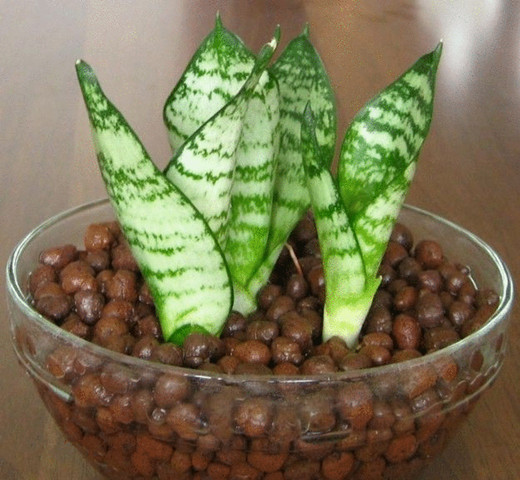
Image 1: Illustrative example of LECA Clay Pebbles growing media vegetables providing root support in a hydroponic system.
Key Technical Parameters of LECA Clay Pebbles growing media vegetables
The effectiveness of LECA Clay Pebbles growing media vegetables in hydroponic systems is quantifiable through a set of critical technical parameters. These metrics provide growers and agricultural engineers with the necessary data to evaluate performance, optimize system design, and predict plant growth outcomes. Understanding these parameters is crucial for maximizing yield and ensuring the long-term viability of cultivation projects.
| Parameter | Typical Value/Range | Significance for Horticulture |
|---|---|---|
| Particle Size Distribution | 4-8 mm, 8-16 mm, 10-20 mm (customizable) | Influences water retention, aeration, and root anchorage. Larger particles provide more air space; smaller particles retain more water. |
| Bulk Density (Dry) | 250 - 350 kg/m³ | Indicates lightness, crucial for reducing structural load in large-scale systems and ease of handling. |
| Porosity (Total Volume) | >80% | High porosity ensures excellent root aeration and provides ample space for water and nutrient solution absorption. |
| Water Absorption Capacity (24h) | Approx. 20-30% by volume | Indicates ability to retain nutrient solution, reducing watering frequency and preventing drought stress. |
| pH Level | 6.0 - 7.5 (Neutral) | Inert nature ensures it does not alter the pH of the nutrient solution, allowing precise control over plant nutrition. |
| Electrical Conductivity (EC) | <0.5 mS/cm (after rinsing) | Very low inherent EC prevents nutrient lockout and allows growers complete control over nutrient strength. |
| Crushing Strength | >0.7 N/mm² (for individual pebbles) | Ensures structural integrity and durability over multiple growing cycles, resisting compaction. |
| Chemical Inertness | High | Does not react with nutrient solutions or leach unwanted compounds, maintaining a stable root environment. |
| Service Life/Reusability | Multiple growing cycles (years with proper cleaning) | Offers significant cost savings and environmental benefits due to its longevity. |
These parameters are not just theoretical values; they directly translate into practical benefits for growers. For instance, the high porosity and neutral pH of LECA Clay Pebbles growing media vegetables eliminate common problems like oxygen deprivation and nutrient imbalances, which are prevalent in less forgiving substrates. Their robust structure ensures longevity, offering a sustainable and economically sound investment for large-scale agricultural enterprises.
Unpacking the Technical Advantages of LECA Clay Pebbles growing media vegetables
The compelling technical advantages of LECA Clay Pebbles growing media vegetables position them as a superior choice for a wide spectrum of horticultural applications, particularly in advanced hydroponic and soilless cultivation systems. These benefits stem directly from their unique physical and chemical composition, engineered to optimize plant health and yield.
Optimal Aeration and Oxygen Supply
One of the foremost advantages of LECA Clay Pebbles growing media vegetables is their exceptional ability to facilitate root zone aeration. The distinct, irregular shapes and porous internal structure of the pebbles create an abundance of air pockets within the growing medium. This ensures a constant supply of oxygen to the plant roots, which is crucial for cellular respiration, nutrient uptake, and overall plant metabolism. In environments where roots are constantly submerged or oversaturated, such as deep water culture (DWC) or ebb-and-flow systems, maintaining adequate dissolved oxygen (DO) levels around the roots is paramount. LECA's structure prevents waterlogging and suffocating the root system, a common issue with denser or finer substrates. This superior gas exchange capacity dramatically reduces the risk of anaerobic conditions, which can lead to root rot, fungal infections, and stunted growth. Healthy, oxygenated roots are fundamental to vigorous vegetative growth and prolific fruit production.
Excellent Water Retention and Drainage Balance
Despite their high porosity and excellent drainage, LECA Clay Pebbles growing media vegetables possess impressive water retention capabilities. The porous internal matrix acts like a sponge, absorbing and holding a significant volume of nutrient solution through capillary action. This stored water and nutrients are then gradually released back to the plant roots as needed, providing a stable moisture environment. This dual functionality — efficient drainage to prevent waterlogging and effective water retention to reduce watering frequency — strikes an optimal balance. It ensures that plants receive a consistent supply of moisture without being perpetually submerged, reducing the stress on root systems and promoting efficient nutrient absorption. For large-scale commercial operations, this balanced approach translates into reduced water consumption and less frequent irrigation cycles, leading to significant operational efficiencies and cost savings.
pH Neutrality and Chemical Inertness
The inherent pH neutrality of LECA Clay Pebbles growing media vegetables (typically between 6.0 and 7.5) is a critical advantage for precise hydroponic cultivation. Unlike many organic or mineral substrates that can leach minerals or alter the pH of the nutrient solution, LECA remains chemically stable. This inertness ensures that the growing medium does not interfere with the carefully calibrated nutrient solution, allowing growers complete and precise control over the pH and electrical conductivity (EC) levels. Maintaining an optimal pH range is essential for nutrient availability and uptake by plants. Any fluctuations caused by the substrate can lead to nutrient deficiencies or toxicities. By providing a stable, unreactive environment, LECA simplifies nutrient management, allowing growers to focus solely on the plant's nutritional requirements, leading to healthier plants and predictable yields.
Sterility and Pest/Disease Resistance
The high-temperature firing process during LECA manufacturing sterilizes the material, making it free from pathogens, weed seeds, fungi, insects, and other pests. This sterile nature significantly reduces the risk of soil-borne diseases and pest infestations, which are common challenges in traditional soil cultivation. In hydroponic systems, maintaining a sterile environment is crucial for preventing the rapid spread of diseases. The inorganic nature of LECA Clay Pebbles growing media vegetables also makes it an unsuitable habitat for most pests and prevents the decomposition that can occur with organic media, further enhancing disease resistance. This translates to healthier plants, reduced reliance on pesticides, and minimized crop losses, leading to higher overall productivity and safer produce.
Reusability and Durability for Long-Term Value
LECA Clay Pebbles growing media vegetables are exceptionally durable and resistant to degradation, unlike organic substrates that break down over time. With proper cleaning and sterilization between growing cycles, LECA pebbles can be reused for many years, offering a highly sustainable and cost-effective solution for commercial growers. This reusability drastically reduces the need for frequent substrate replacement, minimizing material costs and waste generation. The long service life of LECA also contributes to a more stable and predictable growing environment, as growers do not need to constantly adjust to new batches of media. This longevity, combined with its inert properties, makes it an environmentally friendly choice, aligning with modern agricultural practices focused on sustainability and resource efficiency.
Diverse Application Scenarios for LECA Clay Pebbles growing media vegetables
The versatility and superior properties of LECA Clay Pebbles growing media vegetables make them suitable for a wide array of horticultural applications, extending beyond traditional hydroponics into innovative agricultural systems and landscaping. Their adaptability ensures optimal performance across different scales and environmental conditions.
Commercial Hydroponic Systems
At the forefront of LECA's applications are large-scale commercial hydroponic farms. These operations, whether employing Nutrient Film Technique (NFT), Deep Water Culture (DWC), Ebb and Flow (Flood and Drain), or Drip Irrigation systems, benefit immensely from LECA's inertness, excellent aeration, and consistent moisture retention. Vegetables such as lettuce, kale, spinach, herbs (basil, mint, cilantro), and fruiting plants like tomatoes, cucumbers, and bell peppers thrive in LECA-based hydroponic setups. Its stability and reusability significantly reduce operational costs and waste, making it an economically viable choice for continuous crop cycles. The consistent performance of LECA Clay Pebbles growing media vegetables allows for precise control over nutrient delivery, leading to higher yields and superior product quality crucial for market competitiveness.
Aquaponics and Aquafarming Integration
In aquaponics, where fish waste provides nutrients for plants, and plants filter the water for fish, the choice of growing media is critical. LECA Clay Pebbles growing media vegetables excel in this symbiotic system due to their ideal balance of porosity, pH neutrality, and large surface area. The porous structure provides an excellent habitat for beneficial nitrifying bacteria, which convert fish waste (ammonia) into usable plant nutrients (nitrates). Unlike media that can break down or leach substances, LECA maintains water quality, ensuring the health of both fish and plants. Its clean, sterile nature minimizes the risk of introducing pathogens into the aquatic environment, making it a safe and effective medium for integrated food production systems.
Vertical Farming and Urban Agriculture
The rise of vertical farming and urban agriculture necessitates lightweight, efficient, and scalable growing solutions. LECA Clay Pebbles growing media vegetables are perfectly suited for these applications. Their low bulk density reduces the structural load on multi-tiered vertical farms, while their uniform particle size allows for automated planting and harvesting systems. In urban settings, where space is at a premium and sustainability is a key driver, LECA-based systems enable high-density crop production with minimal water and land footprint. Crops like leafy greens, herbs, and strawberries are particularly well-suited for LECA in these innovative farming environments.
Container Gardening and Soil Amendments
Beyond pure hydroponics, LECA Clay Pebbles growing media vegetables are also highly beneficial for traditional container111 gardening. When mixed with potting soil, LECA significantly improves soil aeration, drainage, and moisture retention, especially in pots where compaction is a common issue. This creates a healthier root environment, preventing waterlogging and promoting vigorous growth. For plants that prefer well-drained conditions, or for long-term container111 plantings, LECA acts as an invaluable soil amendment, enhancing the overall quality and longevity of the potting mix.
Green Infrastructure and Landscaping
The lightweight and water-retentive properties of LECA extend its utility to large-scale green infrastructure projects. It is an excellent substrate component for green roofs, living walls, and urban landscaping where weight reduction, drainage, and water management are critical. Its ability to absorb and slowly release water helps reduce stormwater runoff and supports plant growth in challenging environments. Furthermore, its inorganic nature makes it resistant to decomposition, ensuring the long-term stability and health of these green installations.
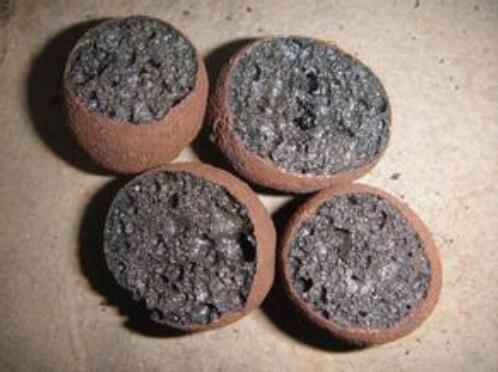
Image 2: An array of plants flourishing with LECA Clay Pebbles growing media vegetables, demonstrating versatility.
LECA Clay Pebbles growing media vegetables in Practice: Case Studies & Success Stories
The theoretical advantages of LECA Clay Pebbles growing media vegetables are consistently validated by real-world applications across various horticultural settings. These practical successes underscore LECA's efficacy in boosting yields, enhancing resource efficiency, and providing a reliable foundation for advanced cultivation.
Case Study 1: Large-Scale Leafy Green Production in a Controlled Environment Agriculture (CEA) Facility
A prominent commercial vertical farm in the Midwest, specializing in hydroponic leafy greens (e.g., various lettuce varieties, spinach, arugula), transitioned entirely to a LECA Clay Pebbles growing media vegetables-based deep water culture (DWC) system. Prior to this, they had experimented with rockwool and coco coir. The primary challenges faced were inconsistent hydration, occasional root rot issues, and the relatively high frequency of media replacement. After implementing LECA, the farm observed a remarkable improvement:
- Yield Increase: A consistent 15% increase in biomass per square meter due to optimized root oxygenation and stable nutrient delivery.
- Disease Reduction: Near elimination of root-borne diseases, leading to a significant reduction in crop losses (from 8% to less than 1%).
- Resource Efficiency: A 10% reduction in nutrient solution usage due to LECA's efficient water retention and reduced evaporation from the top surface.
- Operational Savings: Labor costs associated with media preparation and disposal were drastically cut, as LECA is reusable for multiple cycles after simple sterilization. The farm reported an estimated 25% reduction in annual media-related expenses.
Case Study 2: High-Value Herb Cultivation in a Research Greenhouse
A horticultural research institution focused on high-value medicinal herbs adopted LECA Clay Pebbles growing media vegetables for their experimental hydroponic setups, aiming to achieve precise control over growth conditions and consistent biochemical profiles in their harvests. Traditional methods had struggled with substrate degradation and variable nutrient interactions. With LECA, the research team achieved:
- Enhanced Nutrient Control: The complete chemical inertness of LECA allowed for exact calibration of nutrient solutions, leading to specific targeted increases in desired secondary metabolites (e.g., essential oil concentrations) by up to 20% compared to other media.
- Consistent Growth: Uniform plant development across experimental batches, significantly improving the reliability and reproducibility of research data.
- Long-Term Stability: The durability of LECA enabled long-duration growth cycles for perennial herbs without media breakdown or compaction, which was vital for observing long-term physiological responses.
Case Study 3: Urban Aquaponics Initiative for Community Food Security
An urban aquaponics project, established to provide fresh produce for local communities in a metropolitan area, chose LECA Clay Pebbles growing media vegetables as their grow bed medium. The system integrated tilapia farming with the cultivation of various vegetables, including basil, Swiss chard, and cherry tomatoes. The project reported:
- Biofiltration Efficiency: LECA's high surface area provided an ideal substrate for beneficial nitrifying bacteria, leading to excellent water quality for the fish and efficient conversion of ammonia to nitrates for the plants. Water parameters remained exceptionally stable.
- Robust Plant Growth: The plants exhibited vigorous growth and consistently high yields, directly attributable to the stable nutrient supply from the fish waste and optimal root zone conditions provided by LECA.
- Sustainability & Cleanliness: The closed-loop nature of aquaponics combined with reusable LECA resulted in minimal waste and a clean, low-maintenance system, showcasing a viable model for sustainable urban food production.
Navigating the Market: Manufacturer Comparison & Selection for LECA Clay Pebbles growing media vegetables
While the benefits of LECA Clay Pebbles growing media vegetables are clear, not all products are created equal. The market offers a range of manufacturers, and selecting the right supplier is paramount for ensuring consistent crop performance, operational efficiency, and long-term reliability. B2B decision-makers must consider several critical factors beyond just price.
1. Product Quality and Consistency
The most crucial factor is the inherent quality and consistency of the LECA Clay Pebbles growing media vegetables itself. Reputable manufacturers adhere to stringent quality control protocols throughout their production process, from raw material sourcing to the final firing and sorting stages. Key quality indicators include:
- Uniform Particle Size Distribution: Inconsistent sizing can lead to uneven water distribution and aeration, impacting root health.
- Optimal Porosity and Density: Ensures the right balance of air and water holding capacity.
- pH Neutrality: Crucial for stable nutrient solution management. Verifiable through lab reports.
- Low Electrical Conductivity (EC): Indicates minimal leachable salts or impurities.
- Crushing Strength: Durable pebbles resist compaction and maintain structure over multiple uses.
2. Customization Capabilities
Different cultivation systems and plant types may require specific LECA grades. A leading manufacturer should offer flexibility in terms of particle size (e.g., 4-8mm for microgreens, 8-16mm for general vegetables, 10-20mm for larger plants or specific flood-and-drain systems). The ability to provide tailored solutions ensures that the growing medium is perfectly matched to the unique requirements of a grower's operation, maximizing efficiency and yield. This extends to packaging options, from bulk deliveries to specific bag sizes.
3. Technical Support and Expertise
A strong manufacturer of LECA Clay Pebbles growing media vegetables doesn't just sell a product; they offer expertise. This includes providing detailed usage guidelines, troubleshooting assistance, and insights into optimizing LECA performance for various crops and hydroponic setups. Access to horticultural specialists or technical support teams can be invaluable for large commercial growers looking to refine their systems or resolve unforeseen challenges. This technical partnership demonstrates a commitment to client success beyond the initial transaction.
4. Supply Chain Reliability and Logistics
For commercial operations, consistent and timely supply is critical to avoid disruptions in crop cycles. Evaluate a manufacturer's production capacity, inventory management, and logistical capabilities. Can they handle large volume orders? What are their lead times and delivery options? A robust supply chain, coupled with efficient logistics, minimizes downtime and ensures that fresh batches of LECA Clay Pebbles growing media vegetables are always available when needed, regardless of seasonality or unforeseen demands. Long-term partnerships with manufacturers known for their dependable supply are invaluable in maintaining uninterrupted production.
Tailored Solutions for Specific Horticultural Needs with LECA Clay Pebbles growing media vegetables
One of the significant advantages of working with a leading manufacturer of LECA Clay Pebbles growing media vegetables is the potential for tailored solutions. Recognizing that no two cultivation operations are identical, customization allows growers to fine-tune their growing environment for maximum efficiency and yield for their specific crop portfolio.
Particle Size Customization
The size of LECA Clay Pebbles growing media vegetables directly impacts its air-to-water ratio and physical support capabilities.
- Smaller Grades (e.g., 4-8mm): Ideal for seed starting, propagation, or supporting delicate seedlings. Their finer structure provides better root contact for emerging plants and holds more moisture per unit volume. They are also suitable for specific systems like nutrient film technique (NFT) where smaller roots benefit from tighter contact.
- Medium Grades (e.g., 8-16mm): The most versatile and commonly used size for general hydroponic vegetables like lettuce, herbs, and strawberries. This range strikes an excellent balance between aeration and water retention, supporting robust root development for mature plants.
- Larger Grades (e.g., 10-20mm): Best suited for larger, more established plants such as tomatoes, cucumbers, or peppers, which require more aggressive drainage and higher aeration. These larger pebbles also provide superior physical stability for heavier crops and are often preferred in ebb-and-flow or drip systems where rapid drainage is critical.
Washing and Pre-treatment
While LECA is inherently clean and sterile from the firing process, a small amount of clay dust can accumulate during handling and packaging. For highly sensitive hydroponic systems, pre-rinsing the LECA Clay Pebbles growing media vegetables can be beneficial to remove this fine dust, which might otherwise slightly alter initial nutrient solution pH or clog pumps. Some manufacturers offer pre-rinsed or pre-buffered LECA, saving growers significant time and effort during setup. This service is particularly valuable for large-scale operations where manual rinsing is impractical.
Packaging and Delivery Formats
Customization also extends to logistics. Manufacturers can offer various packaging formats, from small retail bags to large bulk bags (e.g., 1 cubic meter super sacks) or even loose bulk delivery for massive commercial farms. This flexibility minimizes handling costs and optimizes storage for the end-user. For international clients, considerations like container111 loading optimization and documentation for import/export can also be part of a customized solution, streamlining the entire procurement process and ensuring smooth, efficient supply chain management.
LECA Clay Pebbles growing media vegetables vs. Other Growing Media: A Comparative Analysis
The choice of growing media significantly impacts the success of any hydroponic or soilless cultivation system. While various options exist, a direct comparison highlights why LECA Clay Pebbles growing media vegetables often stands out as a preferred choice for commercial vegetable production.
| Feature/Property | LECA Clay Pebbles growing media vegetables | Rockwool | Perlite | Coco Coir |
|---|---|---|---|---|
| Composition | Expanded natural clay | Molten rock spun into fibers | Volcanic glass, expanded by heat | Coconut husk fibers |
| Aeration | Excellent (high macroporosity) | Good, but can become waterlogged if over-saturated | Excellent (very high porosity) | Good, but varies with fiber length and processing |
| Water Retention | Good (internal microporosity) | Excellent (absorbs and holds water well) | Moderate (less internal retention) | Excellent (high capillary action) |
| pH Influence | Neutral (6.0-7.5), very stable | Initially high (7.0-8.5), requires buffering | Neutral (6.5-7.5), stable | Slightly acidic (5.5-6.5), can leach salts |
| Reusability | Highly reusable (multiple cycles/years) | Limited (degrades over time, difficult to clean) | Limited (breaks down, hard to clean/reuse) | Limited (organic decomposition, salt buildup) |
| Sterility/Pest Resistance | Excellent (inert, sterile, no organic matter for pests) | Good (inert, sterile) | Excellent (inert, sterile) | Moderate (organic, can harbor pests/pathogens) |
| Environmental Impact (Disposal) | Very low (reusable, inert, natural clay) | Moderate (non-biodegradable, waste volume) | Low (natural, inert, but dusty) | Low (biodegradable, but often shipped long distances) |
| Root Support/Anchorage | Excellent (stable, firm pebbles) | Good (fibrous structure) | Moderate (very light, can shift) | Good (fibrous, holds roots well) |
While each growing medium has its niche, the comparative analysis clearly positions LECA Clay Pebbles growing media vegetables as a robust, long-term solution, especially for commercial operations prioritizing consistency, sustainability, and precise environmental control. Its reusability and inert nature significantly reduce operational headaches and environmental impact, offering a compelling economic and ecological advantage over single-use or less stable alternatives.
Ensuring Trust: Quality Assurance and Certifications for LECA Clay Pebbles growing media vegetables
For B2B buyers, particularly in sensitive sectors like food production, trust is built on verifiable quality and adherence to industry standards. A reputable manufacturer of LECA Clay Pebbles growing media vegetables will demonstrate their commitment to quality through robust internal processes and, where applicable, external certifications.
Rigorous Internal Quality Control (IQC)
High-quality LECA production is characterized by stringent IQC at every stage:
- Raw Material Inspection: Verifying the chemical composition and purity of incoming clay.
- Process Monitoring: Continuous monitoring of kiln temperatures, pellet formation, and cooling rates to ensure uniform expansion and structural integrity.
- Finished Product Testing: Batch-wise testing for critical parameters such as particle size distribution, bulk density, porosity, water absorption, pH, and crushing strength. These tests ensure the product performs as expected in horticultural applications.
- Traceability: Implementing systems to trace each batch from raw material to final packaging, allowing for rapid identification and resolution of any quality issues.
Industry Certifications and Standards
While specific "LECA growing media" certifications like FDA for food contact are not universally applicable, a manufacturer's adherence to broader quality management systems speaks volumes:
- ISO 9001: Certification to ISO 9001 demonstrates that the manufacturer has a robust quality management system in place, ensuring consistent quality processes, customer satisfaction, and continuous improvement. This is a globally recognized standard for operational excellence.
- Environmental Certifications (e.g., ISO 14001): While not directly about product quality, such certifications signal a company's commitment to environmental responsibility, which aligns with the sustainable nature of reusable LECA Clay Pebbles growing media vegetables.
- Compliance with Local Horticultural Regulations: Depending on the region, there may be specific guidelines for horticultural inputs regarding heavy metals or other contaminants. A reputable supplier will confirm adherence to such local and national regulations.
Frequently Asked Questions (FAQ) about LECA Clay Pebbles growing media vegetables
Q1: Do I need to rinse LECA Clay Pebbles growing media vegetables before use?
A1: Yes, it is highly recommended to rinse LECA Clay Pebbles growing media vegetables thoroughly before their first use. This removes any fine clay dust that may have accumulated during manufacturing and transportation. While harmless, this dust can slightly cloudy your nutrient solution or potentially clog pumps in certain hydroponic systems. A quick rinse under running water until the runoff is clear is usually sufficient.
Q2: How do I sterilize LECA Clay Pebbles growing media vegetables for reuse?
A2: Sterilizing LECA Clay Pebbles growing media vegetables for reuse is straightforward. After harvesting, remove plant debris and rinse the pebbles thoroughly. Then, you can sterilize them by soaking them in a diluted hydrogen peroxide solution (e.g., 3-5% solution for a few hours), a mild bleach solution (e.g., 1 part bleach to 10 parts water for 30 minutes), or by boiling them for 15-20 minutes. Always rinse thoroughly with fresh water after sterilization to remove any chemical residues before replanting.
Q3: Is LECA Clay Pebbles growing media vegetables suitable for all types of vegetables?
A3: LECA Clay Pebbles growing media vegetables are highly versatile and suitable for a wide range of vegetables, especially those grown in hydroponic systems. This includes leafy greens (lettuce, spinach, kale), herbs (basil, mint), fruiting vegetables (tomatoes, cucumbers, peppers, strawberries), and many root vegetables if adequate space is provided. Its excellent aeration and stable pH are beneficial for most common vegetable crops.
Q4: Does LECA Clay Pebbles growing media vegetables affect the pH of the nutrient solution?
A4: High-quality LECA Clay Pebbles growing media vegetables are pH neutral (typically 6.0-7.5) and chemically inert. This means they should not significantly alter the pH of your hydroponic nutrient solution over time. Any initial slight pH fluctuation after introducing new LECA is usually due to residual dust, which is why rinsing is important. Once rinsed, LECA provides a highly stable medium, allowing growers precise control over nutrient solution pH.
Q5: What is the typical service life of LECA Clay Pebbles growing media vegetables?
A5: With proper cleaning and sterilization between growing cycles, LECA Clay Pebbles growing media vegetables can last for many years, often a decade or more. Its robust, inorganic structure prevents decomposition, ensuring long-term durability and reusability. This longevity makes it a highly sustainable and cost-effective investment for commercial growing operations.
Logistics, Delivery, and Customer Support
Beyond the product itself, the efficiency and reliability of a supplier's logistics, delivery processes, and customer support are critical for successful B2B partnerships. For large-scale agricultural enterprises, uninterrupted supply and responsive assistance are non-negotiable.
Efficient Delivery Cycle and Supply Chain Management
A leading manufacturer of LECA Clay Pebbles growing media vegetables understands the time-sensitive nature of commercial horticulture. This translates to:
- Optimized Lead Times: Clear and consistent lead times for order fulfillment, allowing growers to plan their procurement effectively.
- Robust Inventory Management: Sufficient stock levels to meet both regular and urgent demands, mitigating risks of stockouts.
- Flexible Shipping Options: Offering various transportation modes (e.g., sea freight, rail, truck) and packaging options (bulk bags, palletized bags) to suit different client needs and logistical infrastructures.
- Global Reach with Local Understanding: Expertise in international shipping regulations, customs procedures, and regional distribution networks to ensure smooth, efficient delivery worldwide.
Comprehensive Warranty and Quality Guarantee
A reputable supplier stands behind its product. This commitment is often reflected in a clear warranty or quality guarantee. For LECA Clay Pebbles growing media vegetables, this typically covers:
- Adherence to Specifications: Guaranteeing that the delivered product meets all agreed-upon technical parameters (e.g., particle size, pH, density).
- Manufacturing Defects: Protection against material or manufacturing flaws that could impair performance.
- Long-Term Performance: While not a traditional "wear-and-tear" warranty, a quality guarantee implies that the product is manufactured to last for multiple growing cycles as expected, assuming proper handling and maintenance.
Responsive Customer Support and After-Sales Service
Effective customer support is vital for resolving queries, addressing concerns, and providing ongoing technical assistance. A dedicated support team that can offer:
- Expert Consultation: Guidance on product selection, application best practices, and troubleshooting.
- Problem Resolution: Prompt and effective handling of any issues related to product quality or delivery.
- Feedback Mechanism: A system for collecting customer feedback to drive continuous product and service improvement.
Conclusion: The Future of Sustainable Vegetable Cultivation with LECA Clay Pebbles growing media vegetables
As the global agricultural landscape continues to evolve, driven by environmental concerns, population growth, and technological advancements, the role of high-performance growing media becomes increasingly critical. LECA Clay Pebbles growing media vegetables stand out as a foundational element for modern, sustainable, and efficient food production systems, particularly for vegetables in hydroponic and soilless environments.
Its inherent advantages—superior aeration, balanced water retention, inertness, sterility, and remarkable reusability—address key challenges faced by commercial growers today. These properties translate directly into tangible benefits: healthier root systems, reduced disease incidence, precise nutrient control, higher yields, and significant long-term cost savings. The meticulous manufacturing process ensures a consistent, high-quality product, while the versatility of LECA allows its application across diverse cultivation methods, from large-scale vertical farms and aquaponics facilities to advanced greenhouse operations and urban agriculture initiatives.
For B2B decision-makers seeking to optimize their cultivation strategies, invest in sustainable practices, and secure consistent, high-quality vegetable output, choosing a reputable supplier of LECA Clay Pebbles growing media vegetables is a strategic imperative. Partnering with a manufacturer committed to stringent quality control, offering customized solutions, and providing robust technical and logistical support ensures not just a product, but a comprehensive solution for agricultural success in the 21st century. The future of high-yield, environmentally responsible vegetable cultivation is undeniably linked to advanced, reliable growing media like LECA, paving the way for a more resilient and productive food system.
References
- Jones, J. B., Jr. (2012). Hydroponics: A Practical Guide for the Soilless Grower (2nd ed.). CRC Press.
- Resh, H. M. (2012). Hydroponic Food Production: A Practical Guide for the Commercial Grower (7th ed.). CRC Press.
- Savvas, D., & Gruda, N. (2018). Applied Hydroponics for Controlled-Environment Agriculture. CRC Press.
- Raviv, M., & Lieth, J. H. (2007). Soilless Culture: Theory and Practice. Elsevier.
- Morgan, L. (2011). Hydroponic Tomato Production. Practical Hydroponics & Greenhouses.
- Jensen, M. (1997). Hydroponics: A Global Perspective. In T. W. T. C. E. Agriculture, Proceedings of the National Agricultural Plastics Congress (pp. 1-13).
- Nicholson, R. (2012). Aquaponics: The Definitive Guide to Combining Aquaculture and Hydroponics for Sustainable Food Production. Skyhorse Publishing.
- Gruda, N. (2009). Sustainable Vegetable Production in Protected Cultivation: An Overview. Journal of Vegetable Science, 15(2), 195-207.
- Schwarz, D., Gross, W., & Kalu, H. (2000). Soilless culture substrates. Acta Horticulturae, 540, 29-37.
- Nelson, P. V. (2011). Greenhouse Operation and Management (7th ed.). Prentice Hall.
Latest news
-
Global Analysis and Trends of the Calcined Mica Flakes MarketNewsApr.16,2026
-
Technical Benefits of Calcined Mica for Welding ElectrodesNewsApr.09,2026
-
Superior Calcined Mica for Electrical Insulators Applications and BenefitsNewsApr.07,2026
-
Exploring the Versatility of Calcined Mica for Decoration and Diverse ApplicationsNewsApr.04,2026
-
Exploring Calcined Mica Properties Applications and Sourcing OptionsNewsMar.31,2026
-
Exploring the Versatile Applications of Mica Flakes Powder Across IndustriesNewsMar.28,2026
-
Comprehensive Guide to 100 Mesh Mica Powder Applications and Industrial BenefitsNewsMar.26,2026
Related Products