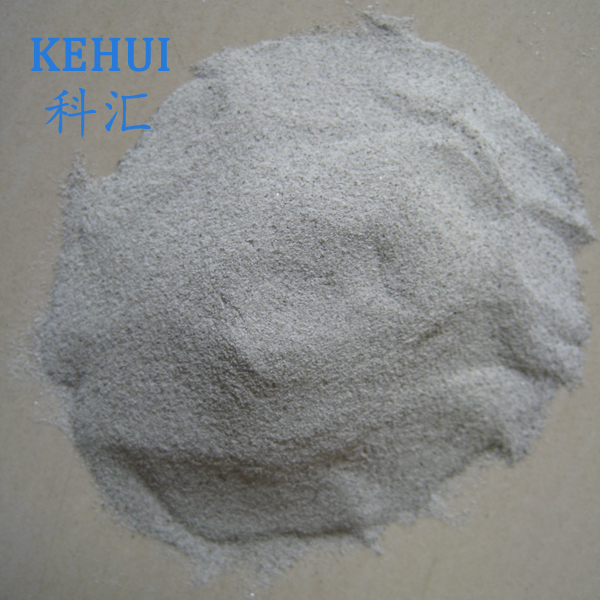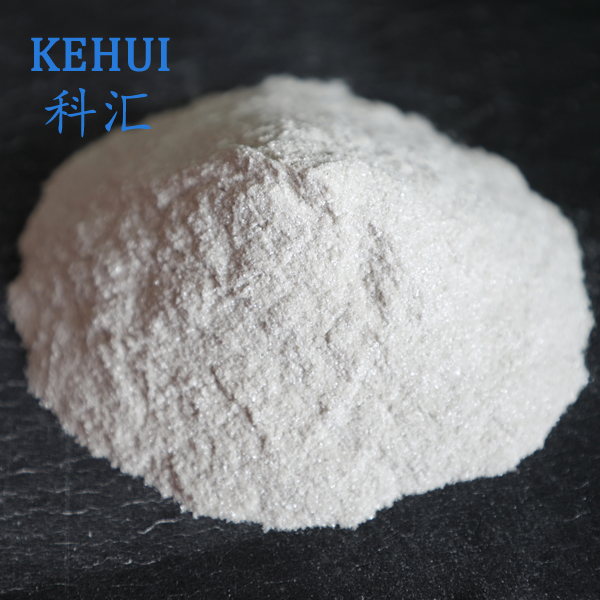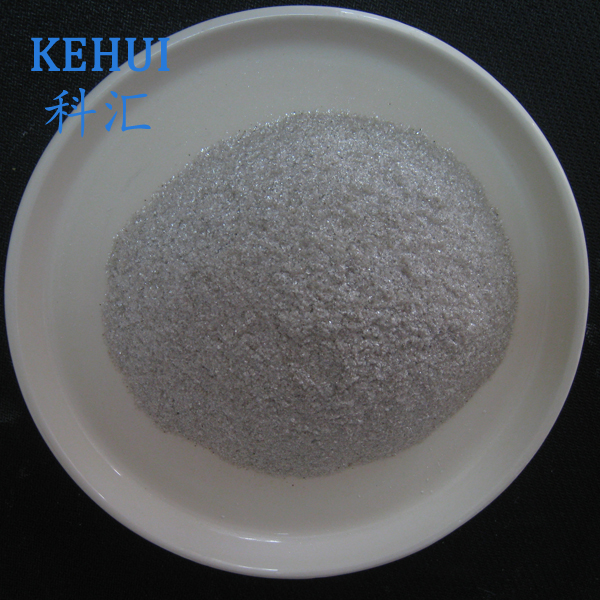
Understanding the Core: Manufacturing Process of Expanded Perlite in Horticulture
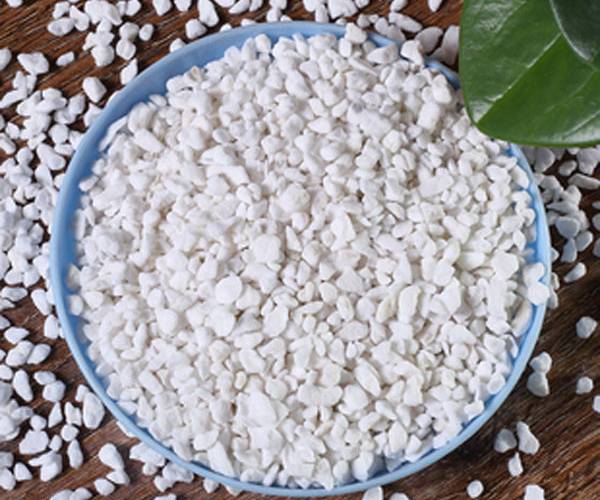
The production of Expanded Perlite in Horticulture begins with crude perlite ore, a naturally occurring amorphous volcanic glass that forms by the hydration of obsidian. This raw material is typically sourced from deposits worldwide, with variations in chemical composition and physical properties influencing the final expanded product’s characteristics. The manufacturing process is fundamentally an expansion process, not traditional metallurgical techniques like casting or forging, transforming the dense, granular ore into an incredibly lightweight, porous material critical for horticultural applications. Initially, the crude perlite ore undergoes crushing and screening to achieve specific particle size distributions, ensuring uniformity in the subsequent expansion phase. This initial preparation is crucial as the size of the unexpanded perlite dictates the final bulk density and particle structure of the expanded material. Advanced screening technologies and quality control protocols are implemented during this stage to remove impurities and classify the ore, adhering to stringent internal specifications and often aligning with international standards such as ISO 9001 for quality management, which guides our operational excellence. The selected particle sizes are meticulously prepared for the thermal expansion.
The core of the perlite expansion process involves rapidly heating the prepared crude perlite ore in a specialized furnace to temperatures ranging from 850°C to 1100°C (1560°F to 2010°F). During this rapid heating, the minuscule amounts of trapped water within the perlite ore convert into steam, causing the softened glassy particles to expand dramatically, typically 7 to 16 times their original volume, much like popcorn. This expansion creates a myriad of tiny, interconnected air cells within each particle, resulting in a lightweight, white, porous, and sterile granular material with exceptional water retention and aeration properties. The precise control of temperature, residence time, and air flow within the expansion furnace is paramount to achieving optimal expansion, desired bulk density, and structural integrity of the Expanded Perlite in Horticulture. Our facilities employ advanced sensor technology and automated process controls to maintain these critical parameters, ensuring consistent product quality batch after batch. Post-expansion, the expanded perlite is cooled and then further processed through sophisticated air classification systems to separate it into various grades based on particle size and bulk density, tailored for specific horticultural needs. Each batch undergoes rigorous quality control checks, including tests for bulk density, particle size distribution, pH, electrical conductivity (EC), and moisture content, conforming to relevant industry standards such as ASTM C549 for "Perlite Loose Fill Insulation" as a general guide for physical properties, adapted for horticultural requirements, ensuring a reliable product with a virtually unlimited shelf life when stored correctly, offering enduring performance in diverse agricultural and horticultural settings.
Industry Trends and Market Dynamics in Horticultural Perlite
The global market for Expanded Perlite in Horticulture is experiencing robust growth, driven by several macro-economic and environmental trends. A significant driver is the increasing adoption of sustainable agricultural practices, including hydroponics, aeroponics, and container111 gardening, all of which heavily rely on inert, sterile, and highly efficient growing media. With growing concerns about soil degradation, water scarcity, and the need for higher crop yields in limited spaces, perlite offers an invaluable solution by optimizing water usage, improving soil aeration, and providing an ideal environment for root development. The rise of urban farming and controlled environment agriculture (CEA) further amplifies demand for perlite, as these systems demand lightweight, clean, and consistent substrates that are free from pathogens and weeds. Industry reports indicate a compound annual growth rate (CAGR) for horticultural perlite markets ranging from 5% to 7% over the next five to seven years, primarily propelled by Asia-Pacific and North America, reflecting a global shift towards intensive, resource-efficient food production. This trend is also bolstered by governmental initiatives and consumer preferences favoring organic produce, where perlite's inert and natural properties are highly valued, positioning it as an environmentally sound choice compared to synthetic alternatives.
Another crucial trend is the diversification of perlite applications beyond traditional agriculture, extending into landscaping, nurseries, and even green roof systems, all demanding tailored particle sizes and blends. The increasing cost of traditional topsoil and the logistical challenges associated with its transportation also favor the adoption of lightweight aggregates like Expanded Perlite in Horticulture. Furthermore, advancements in perlite processing technologies, focusing on energy efficiency during expansion and finer particle classification, are contributing to its enhanced competitiveness and broader utility. Manufacturers are investing in R&D to develop specialized perlite products with enhanced specific surface areas, improved cation exchange capacities (though perlite is generally low in this, specific treatments can modify it), or optimized water retention curves for niche applications, providing growers with more precise tools for crop management. The emphasis on supply chain resilience and localized production is also gaining traction, prompting perlite producers to establish distribution networks closer to key agricultural hubs. This strategic positioning ensures timely delivery and reduces transportation costs, making perlite an even more economically viable option for large-scale commercial operations and individual growers alike, fostering a more sustainable and efficient horticultural ecosystem globally.
Key Technical Parameters and Specifications for Horticultural Perlite
Understanding the technical parameters of Expanded Perlite in Horticulture is crucial for selecting the appropriate grade for specific growing applications. These parameters directly influence its performance in terms of aeration, drainage, water retention, and structural stability within growing media. Bulk density, for instance, typically ranges from 90 to 150 kg/m³ (5.6 to 9.4 lbs/ft³), significantly lighter than soil, which improves handling, reduces shipping costs, and lightens the load on structures in rooftop gardening or large container111 farms. This low bulk density is a direct result of the porous, cellular structure created during the expansion process. Particle size distribution is another critical factor; horticultural perlite is available in various grades, from fine (e.g., 0.5-2.0 mm) suitable for seed starting and propagation, to medium (1.0-4.0 mm) for general potting mixes, and coarse (3.0-6.0 mm+) for improving drainage in heavy soils or for specific hydroponic systems requiring high aeration. The specific particle size chosen dictates the overall porosity and water-holding capacity of the growing medium, allowing growers to precisely tailor their substrate for optimal root development and nutrient delivery.
The water-holding capacity of expanded perlite is impressive, absorbing up to 3 to 4 times its weight in water, which it releases gradually to plant roots, significantly reducing the frequency of irrigation. Despite this high water retention, its unique internal structure ensures excellent drainage and aeration, providing optimal oxygen levels to the root zone and preventing waterlogging, a common cause of root rot. The total porosity of horticultural perlite typically exceeds 70%, with a balanced ratio of air-filled porosity to water-holding porosity, making it superior to many traditional aggregates. Chemically, Expanded Perlite in Horticulture is sterile, inert, and has a neutral pH (typically 6.5-7.5), meaning it does not react with fertilizers or alter the nutrient balance of the growing solution. It also contains no harmful heavy metals or organic contaminants, ensuring a clean and safe growing environment. The material’s resistance to decomposition means it maintains its physical properties over extended periods, contributing to the longevity of growing media. Rigorous testing for these parameters, often guided by standards like ASTM C549 and specific horticultural industry benchmarks, ensures that each batch meets the high-performance expectations of commercial growers and home enthusiasts alike, providing a consistent and reliable foundation for healthy plant growth and maximum yield potential.
Expanded Perlite Horticultural Grade Specifications
| Parameter | Standard Range | Typical Value (Example: Medium Grade) | Benefit for Horticulture |
|---|---|---|---|
| Bulk Density (Dry) | 90 - 150 kg/m³ (5.6 - 9.4 lbs/ft³) | ~110 kg/m³ (~6.9 lbs/ft³) | Reduces growing media weight, improves handling, lower freight costs. |
| Particle Size Range | 0.5 mm to 6.0 mm (graded) | 1.0 - 4.0 mm | Optimized for aeration and water retention across various applications. |
| Water Holding Capacity (by weight) | 300% - 400% | ~350% | Reduces irrigation frequency, ensures consistent moisture for roots. |
| Total Porosity | 70% - 90% | ~80% | Ensures optimal air-to-water ratio for healthy root development. |
| pH Level | 6.5 - 7.5 (Neutral) | ~7.0 | Stable and inert, does not alter nutrient solution pH, ideal for most plants. |
| Electrical Conductivity (EC) | Extremely low EC ensures no nutrient lock-up or salt buildup, clean medium. |
Diverse Application Scenarios in Horticulture
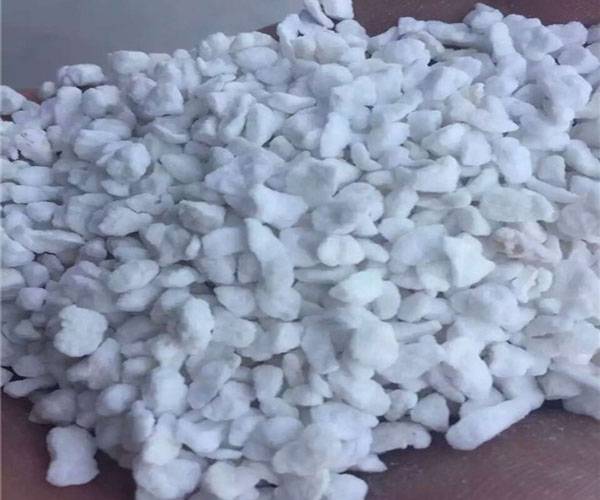
The versatility of Expanded Perlite in Horticulture makes it an indispensable component across a broad spectrum of growing applications, from large-scale commercial agriculture to specialized home gardening. In traditional soil-based cultivation, perlite is widely incorporated into potting mixes for improving soil structure, enhancing aeration, and promoting better drainage, thereby preventing root rot in potted plants and promoting vigorous root growth. Its lightweight nature is particularly beneficial for container111 gardening, hanging baskets, and rooftop gardens, where weight reduction is a critical design consideration. For propagation, fine-grade perlite offers an optimal sterile medium for rooting cuttings and starting seeds, providing consistent moisture levels and preventing damping-off disease, which is often a problem in traditional soil-based seedbeds. Its inert nature ensures that it does not leach nutrients or interfere with the delicate balance required for young plant development, making it a reliable choice for nurseries and greenhouses focused on high success rates for germination and cloning. This adaptability allows growers to customize their substrate blends based on specific plant requirements, climate conditions, and irrigation strategies, optimizing resource utilization and yield potential.
Beyond conventional soil applications, Expanded Perlite in Horticulture plays a pivotal role in advanced growing systems such as hydroponics and soilless culture. In these systems, perlite serves as an inert, stable, and highly effective substrate, providing structural support for plants while facilitating efficient delivery of nutrient solutions to the root zone. Its excellent air-to-water ratio is crucial for oxygenating roots in recirculating or drain-to-waste hydroponic setups, preventing anaerobic conditions that can stunt growth or lead to disease. Specific applications include use in ebb-and-flow systems, deep water culture (DWC) as a top layer to block light and reduce algae growth, or as a standalone aggregate for drip irrigation systems. For growers utilizing grow bags or slabs, perlite can be blended with other inert materials like coco coir or rockwool to create custom media that optimize specific parameters like water retention or drainage for high-value crops such as cannabis, tomatoes, and leafy greens. Furthermore, perlite is used in mushroom cultivation as a humidity-retaining layer, in landscaping for improving drainage in heavy clay soils and preventing compaction, and in golf course construction for enhancing turf root health. Its widespread utility underscores its position as a foundational component in modern, efficient, and sustainable horticultural practices globally.
Unpacking the Technical Advantages of Horticultural Perlite
The technical advantages of Expanded Perlite in Horticulture are multi-faceted, contributing significantly to healthier plant growth, increased yields, and improved operational efficiency for growers. One of its primary benefits is its exceptional ability to improve soil aeration. The porous, irregular structure of perlite particles creates extensive air pockets within the growing medium, allowing vital oxygen to reach plant roots. This enhanced aeration is critical for respiration, nutrient uptake, and preventing anaerobic conditions that foster harmful pathogens and can lead to root rot. Simultaneously, perlite possesses a high water retention capacity, absorbing and holding significant amounts of water within its internal cellular structure. This stored water is gradually released to plant roots as needed, reducing the frequency of irrigation and conserving water resources, which is particularly valuable in arid regions or for large-scale commercial operations looking to optimize water usage. This unique dual-action of providing both aeration and water retention sets perlite apart from many other growing media, creating a balanced and forgiving environment for plant development, leading to more robust and resilient plants that can better withstand environmental stresses.
Beyond its physical properties, the chemical inertness of Expanded Perlite in Horticulture offers significant technical advantages. Being naturally sterile and pH neutral (typically 6.5-7.5), perlite does not introduce pathogens, weeds, or diseases into the growing medium, nor does it alter the pH or nutrient balance of the soil or hydroponic solution. This stability allows growers precise control over nutrient delivery and pH adjustments, ensuring optimal conditions for specific crop requirements without unexpected chemical interactions. Unlike organic materials, perlite does not decompose over time, meaning it maintains its structural integrity and beneficial physical properties indefinitely, ensuring long-term performance and reducing the need for media replacement. Its lightweight nature also significantly reduces the overall weight of potting mixes, making container111s easier to move and reducing structural load in elevated gardens or greenhouses. For large-scale operations, this translates into lower transportation costs for media and easier handling for workers. Furthermore, perlite exhibits excellent thermal insulation properties due to its air-filled structure, which helps to buffer root zone temperatures, protecting plants from extreme heat or cold fluctuations, further contributing to optimal growing conditions and overall plant health, making it an economically efficient and environmentally sound choice for sustainable agriculture.
Navigating the Market: Manufacturer Comparison
When sourcing Expanded Perlite in Horticulture, discerning buyers in the B2B sector must consider various factors beyond just price, including product consistency, supply chain reliability, quality assurance, and technical support. Leading manufacturers differentiate themselves through rigorous quality control protocols, often adhering to international standards like ISO 9001 and holding certifications relevant to horticultural applications, such as OMRI listing for organic use. A reputable manufacturer will provide comprehensive data sheets detailing bulk density, particle size distribution, pH, and water holding capacity for each product grade, ensuring transparency and enabling precise formulation of growing media. For instance, while some suppliers might offer lower-cost perlite, it could be inconsistent in particle size, leading to uneven aeration or drainage, ultimately impacting crop performance. Premium suppliers, conversely, invest in advanced screening and classification technologies, guaranteeing uniform particle sizes and consistent physical properties across batches, which is critical for large-scale commercial operations where consistency directly translates to predictable yields and reduced risks.
Another significant differentiator among manufacturers of Expanded Perlite in Horticulture is their supply chain efficiency and ability to offer customized solutions. Companies with extensive global mining operations and strategically located expansion facilities can provide more reliable and timely deliveries, mitigating supply disruptions. Furthermore, manufacturers like us pride ourselves on decades of experience and partnerships within the horticultural industry, understanding the nuanced needs of different growers. This allows us to offer not just standard grades but also tailor-made blends or specific particle size distributions to meet unique project requirements, such as specialized hydroponic systems or particular crop cultivation. Technical support and after-sales service are also paramount; a strong manufacturer provides expert guidance on product selection, application best practices, and troubleshooting, effectively acting as a partner in your horticultural success. While comparing potential suppliers, it is advisable to request samples, review third-party certifications, inquire about production capacities, and assess their commitment to sustainability practices, ensuring you align with a manufacturer that truly adds value to your agricultural enterprise through superior product quality, unwavering reliability, and profound technical expertise.
Key Considerations for Manufacturer Comparison
| Factor | Standard Supplier | Premium Supplier (e.g., Kehui Mica) |
|---|---|---|
| Product Consistency | Variable particle size & bulk density; potential for fines. | Highly consistent, tightly controlled specifications; minimal fines. |
| Quality Certifications | Basic internal QC; limited external certifications. | ISO 9001, OMRI listed (where applicable), comprehensive batch testing. |
| Supply Chain Reliability | Regional presence; potential for lead time fluctuations. | Global reach, multiple expansion plants; robust logistics and contingency plans. |
| Customization Capability | Limited standard grades only. | Ability to produce specific particle sizes, blends, or tailor properties. |
| Technical Support & Service | Basic product information; minimal application support. | Expert guidance, application specialists, post-sales troubleshooting. |
| Sustainability & Ethics | Minimal transparency on sourcing or environmental practices. | Responsible sourcing, energy-efficient processes, waste reduction initiatives. |
Tailored Solutions and Customization in Perlite Supply
Recognizing that "one size fits all" rarely applies in the diverse world of horticulture, leading suppliers of Expanded Perlite in Horticulture offer comprehensive customization services to meet the precise demands of large-scale commercial growers, research institutions, and specialized agricultural projects. This goes beyond merely offering different standard grades; it encompasses the capability to produce perlite with specific particle size distributions, bulk densities, or even unique surface treatments to enhance certain properties. For example, a hydroponic farm cultivating specific leafy greens might require a perlite blend with a higher air-filled porosity to optimize oxygen delivery to roots in a deep water culture system, while a nursery focusing on delicate ornamental cuttings might need an ultra-fine grade for superior moisture retention during propagation. Our technical teams work closely with clients to understand their specific growing conditions, crop types, irrigation methods, and environmental controls, allowing us to engineer a perlite solution that perfectly integrates into their existing agricultural infrastructure and optimizes plant performance. This collaborative approach ensures that the perlite supplied is not just a commodity but a precisely engineered component of a high-efficiency growing system, enhancing overall productivity and sustainability for the client.
The process for developing customized Expanded Perlite in Horticulture solutions typically begins with a detailed consultation and analysis of the client's current growing media and desired outcomes. This may involve laboratory testing of existing substrates, analysis of water quality, and evaluation of specific crop nutrient requirements. Based on this comprehensive data, our R&D specialists leverage their expertise in perlite chemistry and horticultural science to formulate custom blends. This could involve adjusting the ratio of different perlite particle sizes, or even exploring innovative ways to modify perlite's surface properties for enhanced nutrient retention or specific microbial interactions. Once a custom specification is determined, pilot batches are produced for client testing, allowing for real-world validation before scaling up to commercial production. This meticulous approach minimizes risks and ensures that the tailored perlite solution delivers measurable improvements in terms of plant health, yield, and resource efficiency. Our commitment to customized solutions reflects our dedication to partnership with our clients, providing not just a product but a strategic advantage derived from deep technical expertise and flexible manufacturing capabilities, making us a preferred partner for specialized and demanding horticultural applications globally.
Proven Impact: Real-world Application Cases
The efficacy of Expanded Perlite in Horticulture is best demonstrated through its successful application in diverse commercial settings, showcasing tangible benefits for growers. Consider a large-scale commercial hydroponic lettuce farm in Arizona that struggled with inconsistent yields and high water consumption due to evaporation and inefficient drainage in their previous inert media. By transitioning to a custom blend of medium and coarse grade perlite for their nutrient film technique (NFT) system, they observed a significant improvement. The perlite's superior aeration prevented root rot, a common issue in DWC and NFT, while its water-holding capacity ensured consistent moisture availability. Over a six-month period, the farm reported a 15% increase in marketable lettuce yield per square foot and a 20% reduction in water usage, directly attributable to the optimized properties of the perlite substrate. This case exemplifies how tailored perlite solutions can address specific environmental challenges and improve economic viability in high-tech agricultural operations, leading to substantial returns on investment for the growers by ensuring healthier plant development and more efficient resource management.
Another compelling application case involves a major ornamental plant nursery in Florida, specializing in tropical foliage and flowering plants, which faced challenges with heavy potting mixes that contributed to high labor costs for handling and transportation, along with issues of soil compaction. By integrating a significant percentage of fine-to-medium grade Expanded Perlite in Horticulture into their standard peat-based potting mix, the nursery achieved a remarkable 30% reduction in the weight of their finished potted products. This weight reduction not only lowered shipping costs by approximately 18% but also decreased the physical strain on their workforce, leading to improved operational efficiency and reduced worker's compensation claims. Furthermore, the perlite incorporation dramatically improved the aeration and drainage within the container111s, promoting robust root systems and reducing the incidence of fungal diseases. Customer feedback also indicated that plants grown in the perlite-amended mixes exhibited better overall vigor and longer shelf life, enhancing product quality and market competitiveness. These cases underscore perlite's transformative potential, demonstrating its capacity to solve critical operational challenges, enhance sustainability, and drive profitability for horticultural businesses across various scales and specializations through proven performance in real-world scenarios.
Ensuring Confidence: FAQs, Delivery & Support
At the core of our commitment to B2B clients in the horticultural sector is building unwavering trust through transparent processes, reliable delivery, and comprehensive support. We understand that questions often arise regarding product selection, application, and logistics, which is why we offer a robust FAQ section covering common inquiries about Expanded Perlite in Horticulture. For example, a frequent question pertains to shelf life: "Does expanded perlite degrade over time?" The answer is no; being an inorganic mineral, expanded perlite is resistant to decomposition and maintains its physical properties indefinitely when stored in a dry, protected environment. Another common query revolves around reusability: "Can perlite be reused in growing media?" While technically possible, we advise against it for commercial operations without proper sterilization to avoid the transfer of pathogens or pests from previous crops, though it retains its physical benefits. Our dedicated customer support team is readily available via phone, email, and online chat to provide expert answers and personalized guidance, ensuring that every client feels fully supported from initial inquiry through product application and beyond. This commitment extends to providing detailed Material Safety Data Sheets (MSDS) and technical specifications for all products, affirming our dedication to safety and informed decision-making for our valued partners in horticulture.
Logistical efficiency and guaranteed quality are paramount for commercial operations. Our streamlined delivery process for Expanded Perlite in Horticulture is designed to ensure timely and reliable shipment to any location globally. We maintain strategic warehousing and leverage a network of trusted logistics partners to optimize delivery schedules and minimize lead times, typically ranging from 7 to 14 business days depending on volume and destination, with expedited options available for urgent requirements. Each shipment is meticulously packaged to prevent contamination and damage during transit, ensuring the product arrives in pristine condition, ready for immediate use. Furthermore, our products are backed by a comprehensive quality assurance promise. We guarantee that all perlite supplied meets the agreed-upon technical specifications and is free from defects, a testament to our stringent manufacturing processes and quality control checks. In the rare event of a concern, our responsive claims department initiates an investigation within 24 hours to resolve any issues swiftly and efficiently, reflecting our unwavering commitment to client satisfaction and long-term partnership. Our clients benefit from peace of mind, knowing they are partnering with a supplier that not only provides superior product quality but also stands firmly behind it with dependable logistics and unparalleled customer service.
References & Authoritative Citations
- ASTM C549. (2014). Standard Specification for Perlite Loose Fill Insulation. ASTM International.
- North, G. B., & Wiersma, G. (2000). Use of Perlite in Horticulture. Perlite Institute.
- Raviv, M., & Lieth, J. H. (2008). Soilless Culture: Theory and Practice. Elsevier.
- Jones Jr., J. B. (2005). Hydroponics: A Practical Guide for the Soilless Grower. CRC Press.
- FAO (Food and Agriculture Organization of the United Nations). (Various years). Publications on sustainable agriculture and soilless culture.
Latest news
-
Global Analysis and Trends of the Calcined Mica Flakes MarketNewsApr.16,2026
-
Technical Benefits of Calcined Mica for Welding ElectrodesNewsApr.09,2026
-
Superior Calcined Mica for Electrical Insulators Applications and BenefitsNewsApr.07,2026
-
Exploring the Versatility of Calcined Mica for Decoration and Diverse ApplicationsNewsApr.04,2026
-
Exploring Calcined Mica Properties Applications and Sourcing OptionsNewsMar.31,2026
-
Exploring the Versatile Applications of Mica Flakes Powder Across IndustriesNewsMar.28,2026
-
Comprehensive Guide to 100 Mesh Mica Powder Applications and Industrial BenefitsNewsMar.26,2026
Related Products