Mar . 19, 2026 02:35
Back to list
Optimizing Oil Drilling Performance with Mica Powder for Oil Drilling Applications
Mica Powder for Oil Drilling: A Comprehensive Guide
In the demanding world of oil drilling, optimizing drilling fluid performance is crucial for efficiency and cost-effectiveness. Mica powder plays a significant, yet often underestimated, role in enhancing these fluids. This article delves into the applications, benefits, and types of mica powder used in oil drilling, providing a comprehensive overview for industry professionals. From improving wellbore stability to reducing torque and drag, mica powder is a versatile additive that contributes to successful drilling operations.
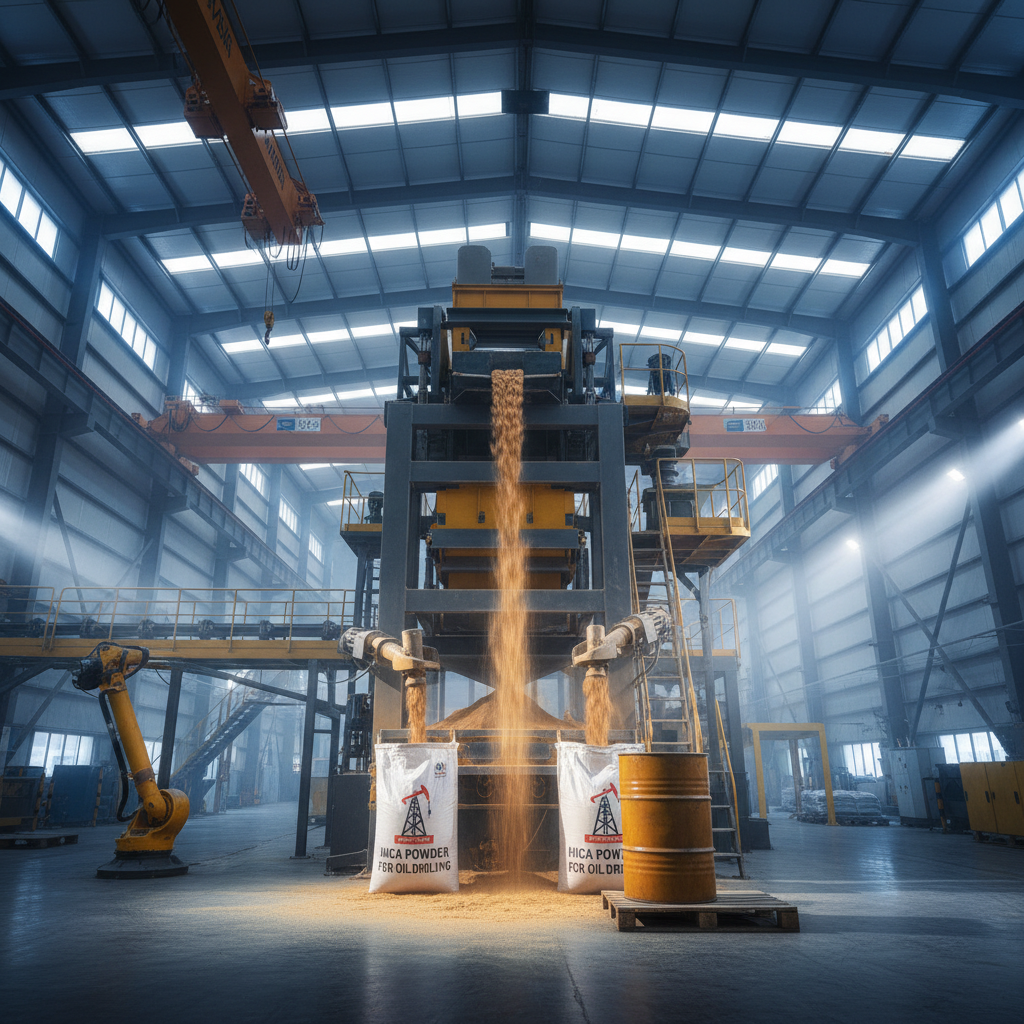
Understanding the Role of Mica Powder in Drilling Fluids
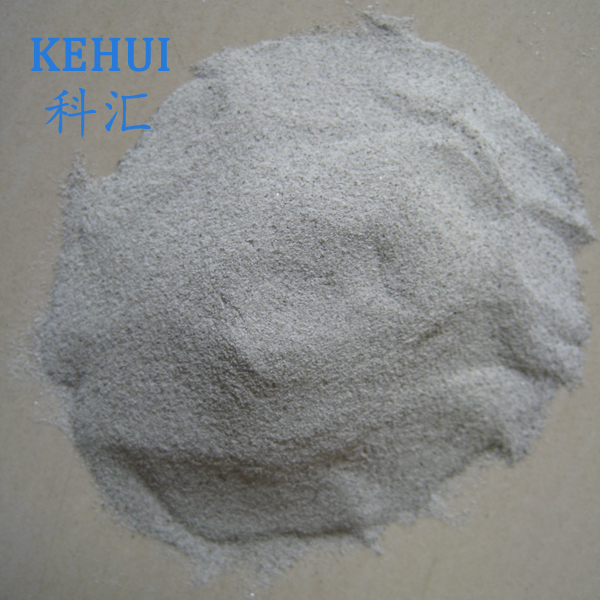
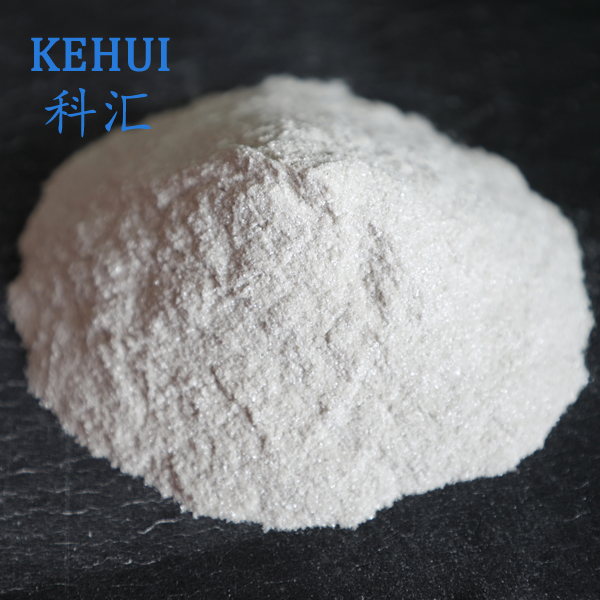
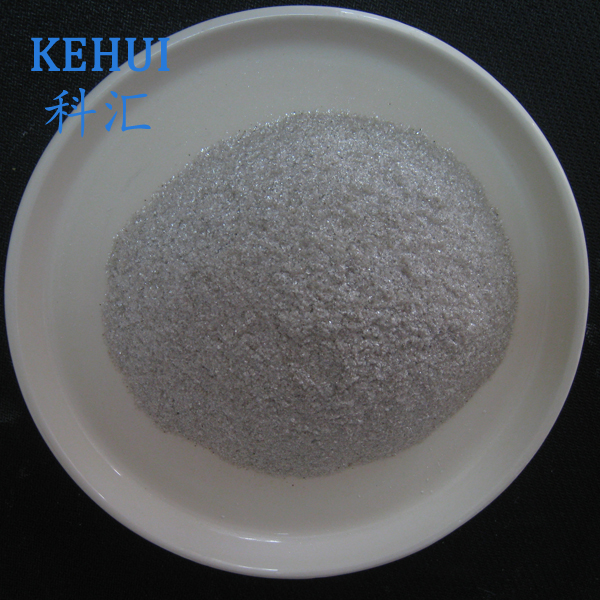
Drilling fluids, also known as drilling muds, serve multiple functions, including cooling the drill bit, lubricating the drill string, carrying cuttings to the surface, and maintaining wellbore stability. Mica powder, typically composed of muscovite, phlogopite, or vermiculite, acts as a weighting agent and shale stabilizer. Its platy structure creates a filter cake on the wellbore wall, reducing fluid loss and preventing shale swelling. This is especially important in shale formations, which are prone to instability. The addition of mica powder improves the overall performance and efficiency of the drilling process.
Key Benefit: Improves wellbore stability by preventing shale swelling and fluid loss, reducing the risk of formation damage and stuck pipe.
Types of Mica Powder Used in Oil Drilling
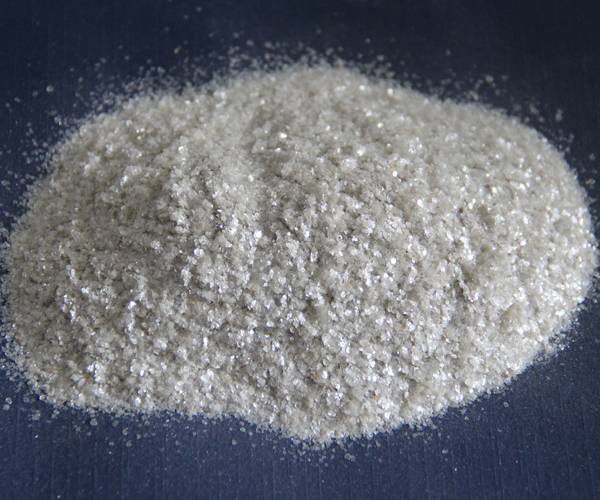
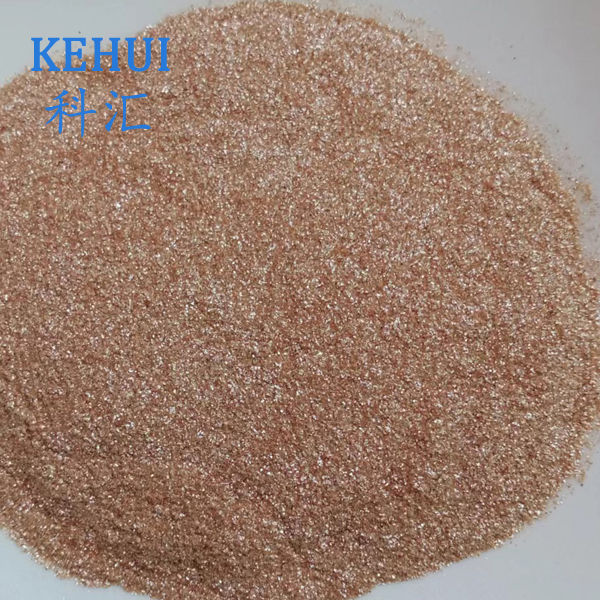
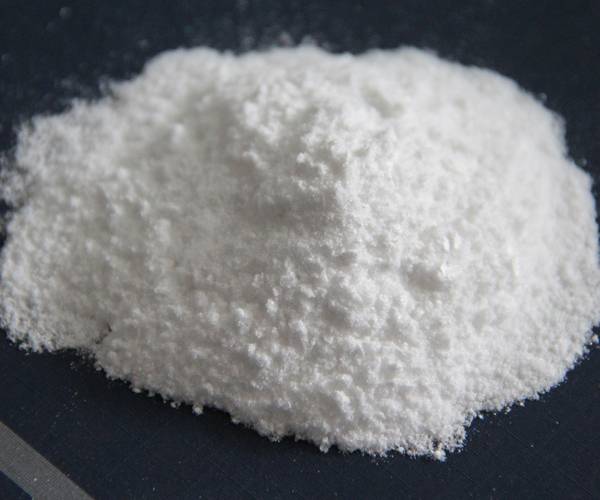
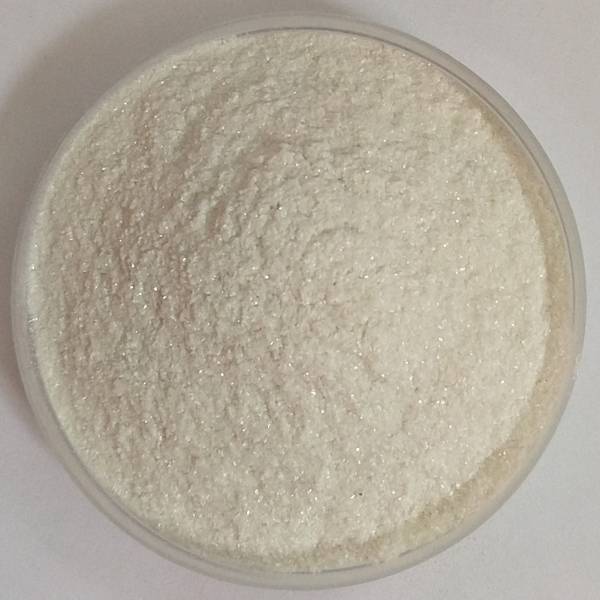
Different types of mica powder offer varying properties, making them suitable for specific drilling conditions. Muscovite mica is known for its high temperature stability and excellent dielectric properties. Phlogopite mica, on the other hand, offers superior chemical inertness and is less prone to hydration. Vermiculite, a hydrated phyllosilicate mineral, provides lightweight properties and good fluid absorption. The selection of the appropriate mica powder depends on factors such as formation type, drilling depth, and fluid chemistry. Kehui Mica offers a variety of high-quality mica powders tailored to meet the diverse needs of the oil drilling industry.
Mica Powder Types:
• Muscovite: High temperature stability, excellent dielectric properties.
• Phlogopite: Superior chemical inertness, low hydration.
• Vermiculite: Lightweight, good fluid absorption.
Benefits of Using Mica Powder in Oil Drilling
The advantages of incorporating mica powder into drilling fluids are numerous. Beyond improved wellbore stability, it contributes to reduced torque and drag, allowing for faster penetration rates and lower drilling costs. Mica's lubricity minimizes friction between the drill string and the wellbore wall, reducing the risk of stuck pipe. Furthermore, it enhances cuttings transport, ensuring efficient removal of debris from the wellbore. The use of mica powder can also minimize formation damage, preserving reservoir permeability and maximizing oil production.
Mica Powder for Oil Drilling: Product Specifications
At Kehui Mica, we offer a range of mica powders specifically engineered for oil drilling applications. Our products are rigorously tested to ensure consistent quality and performance. Below is a table outlining typical specifications:
Conclusion: Optimize Your Drilling Operations with Kehui Mica
Investing in high-quality mica powder is a strategic decision that can significantly improve the efficiency and cost-effectiveness of your oil drilling operations. Kehui Mica is committed to providing reliable, consistent products and expert technical support to help you achieve optimal results. Contact us today to learn more about our mica powder solutions.
Frequently Asked Questions (FAQs)
What is the recommended dosage of mica powder in drilling fluids?
The optimal dosage of mica powder varies depending on the specific drilling conditions, formation type, and fluid composition. However, a typical range is 0.5% to 3% by weight of the total drilling fluid volume. It's crucial to conduct laboratory testing and field trials to determine the most effective dosage for your particular application. Overdosing can lead to increased viscosity and reduced penetration rates, while underdosing may not provide sufficient shale stabilization. The experts at Kehui Mica can assist you in determining the appropriate dosage for your needs.
How does mica powder compare to other shale stabilizers?
Mica powder offers several advantages over other shale stabilizers, such as polymers and salts. It's a natural, environmentally friendly material and doesn’t contribute to corrosion or scaling. Mica's platy structure provides a physical barrier against fluid loss and shale swelling, while polymers often rely on chemical interactions that can be affected by fluid chemistry. Mica powder is also effective in high-salinity environments where some polymers may lose their effectiveness. Furthermore, mica powder’s lubricating properties contribute to reduced torque and drag, a benefit not typically offered by other stabilizers.
What are the storage requirements for mica powder?
Mica powder should be stored in a dry, well-ventilated area, away from direct sunlight and moisture. Keep containers tightly sealed to prevent contamination and clumping. Avoid storing mica powder near strong oxidizing agents or chemicals that could react with it. Proper storage ensures the product maintains its quality and performance over time. Long-term exposure to humidity can affect the flowability and dispersion of the powder, reducing its effectiveness in drilling fluids.
Latest news
-
Technical Benefits of Calcined Mica for Welding ElectrodesNewsApr.09,2026
-
Superior Calcined Mica for Electrical Insulators Applications and BenefitsNewsApr.07,2026
-
Exploring the Versatility of Calcined Mica for Decoration and Diverse ApplicationsNewsApr.04,2026
-
Exploring Calcined Mica Properties Applications and Sourcing OptionsNewsMar.31,2026
-
Exploring the Versatile Applications of Mica Flakes Powder Across IndustriesNewsMar.28,2026
-
Synthetic Mica Flakes- Kehui Mica Co.|Heat-Resistant, High WhitenessNewsMar.27,2026
-
Synthetic Mica Flakes- Kehui Mica Co.|Heat-Resistant, High WhitenessNewsMar.27,2026
Related Products