Mar . 10, 2026 02:25
Back to list
Elevate Automotive Finishes with Premium Mica Powder for Automotive Paint
Unlocking Automotive Aesthetics: The Power of Mica Powder for Automotive Paint
Achieving a show-stopping finish on vehicles requires more than just standard automotive paint. Mica powder has become a crucial ingredient for automotive refinishing and customization, offering vibrant color, pearlescent effects, and enhanced durability. This article explores the benefits of using mica powder in automotive paint, its various applications, the different types available, and how to choose the right product for your project. We will delve into why Kehui Mica is a leading supplier of high-quality mica powders for the automotive industry.

Why Use Mica Powder in Automotive Paint?
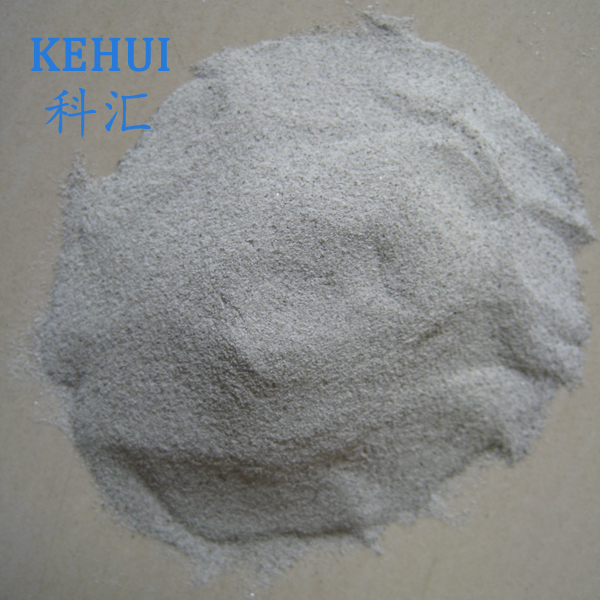
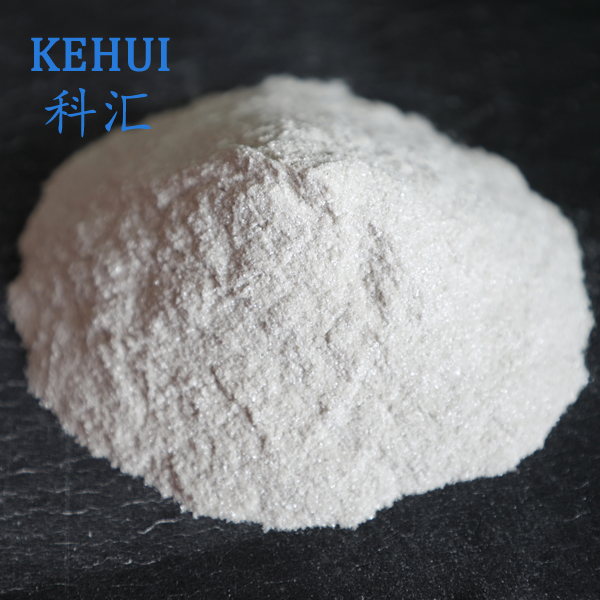
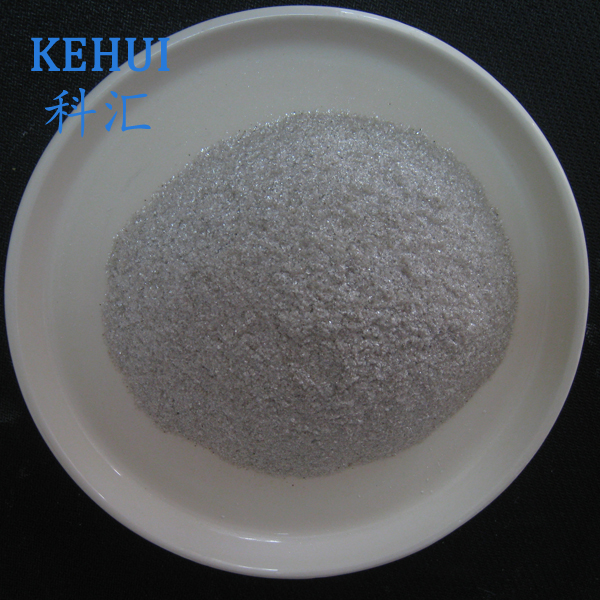
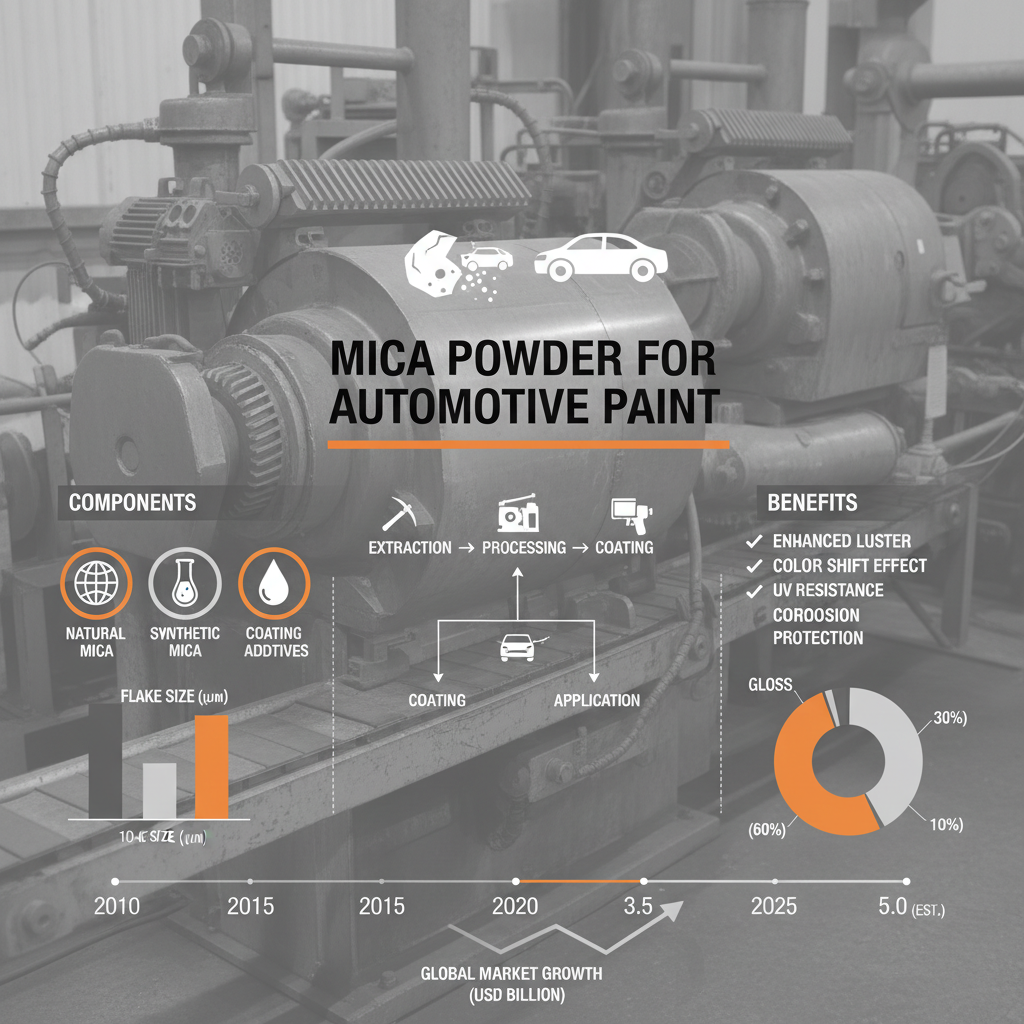
Mica powder is a naturally occurring mineral silicate with a layered structure. When incorporated into automotive paint, it imparts several key advantages. It creates stunning visual effects, including metallic sheen, pearlescent shimmer, and depth of color. Beyond aesthetics, mica powder enhances paint durability, offering improved resistance to UV rays, scratches, and fading. It also contributes to smoother application and better coverage, reducing the need for multiple coats. For professional detailers and DIY enthusiasts alike, mica powder unlocks a new level of customization and quality in automotive finishes.
Key Benefits: Enhanced color vibrancy, increased durability, UV resistance, improved paint coverage, and a unique, eye-catching finish.
Exploring Different Types of Mica Powder
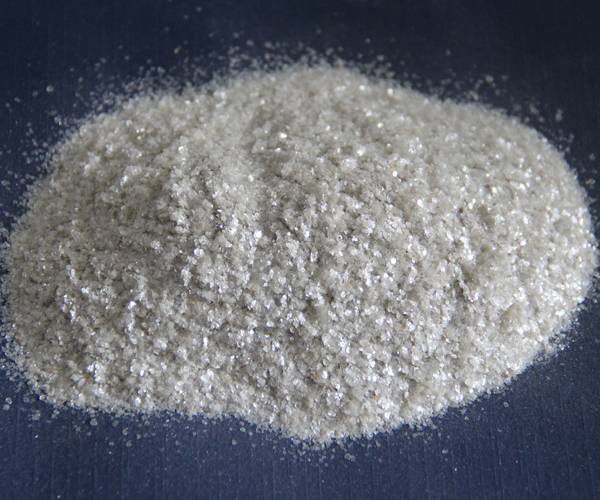
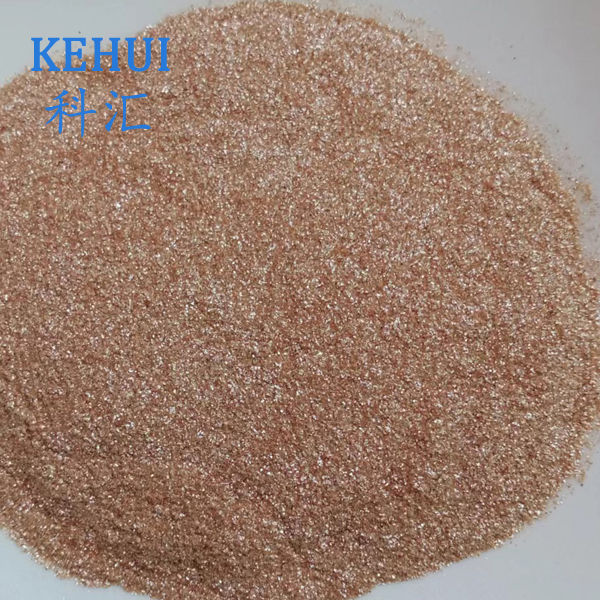
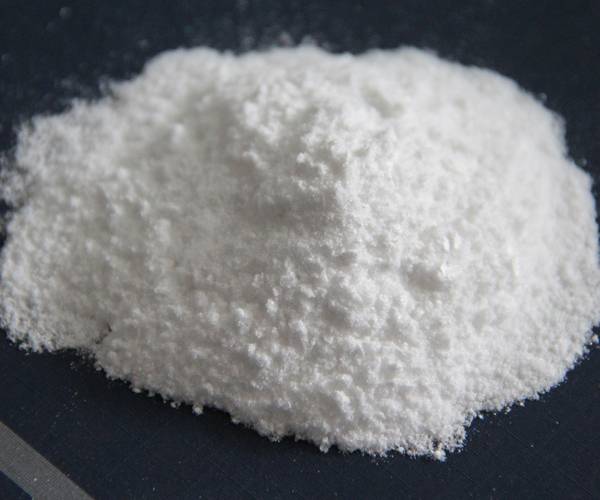
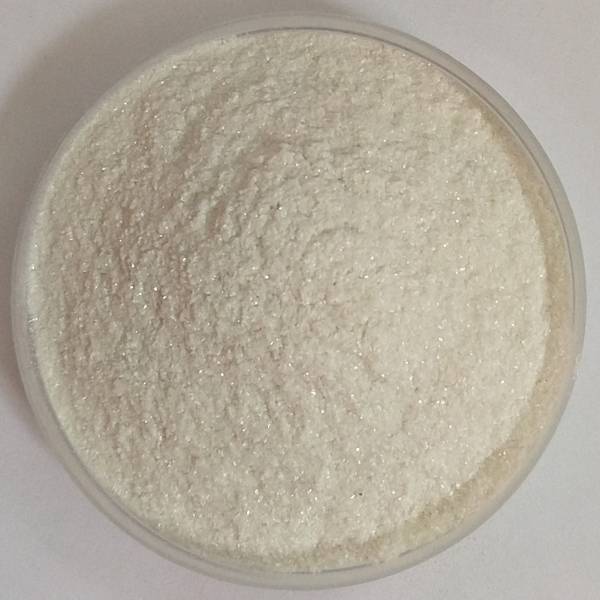
Mica powder isn't a one-size-fits-all solution. Different types offer varying effects and properties. Kehui Mica specializes in a diverse range of mica powders, including synthetic mica, natural mica, and interference mica. Synthetic mica offers consistent particle size and superior purity, while natural mica provides a more organic, earthy shimmer. Interference mica creates stunning color-shifting effects, dependent on the viewing angle. The choice depends on the desired aesthetic and the specific application.
Mica Powder Types:
• Synthetic Mica: Consistent particle size, high purity.
• Natural Mica: Organic shimmer, earthy tones.
• Interference Mica: Color-shifting effects, vibrant hues.
Mica Powder for Automotive Paint: A Comparative Analysis
When selecting mica powder, consider its particle size, color consistency, and compatibility with your chosen paint system. Lower particle sizes generally result in a smoother, more refined finish. Higher quality powders exhibit better color stability and resistance to settling. Here’s a comparison of common mica types:
Application Techniques for Optimal Results
Successfully incorporating mica powder into automotive paint requires careful technique. It's crucial to use a compatible paint base, typically a 2K clear coat. The mica powder is mixed thoroughly into the clear coat before application. Multiple thin coats are recommended for even distribution and to avoid clogging the spray gun. A high-quality HVLP (High Volume Low Pressure) spray gun is ideal for achieving a smooth, professional finish. Proper ventilation and safety precautions, including a respirator, are essential when working with automotive paints and powders.
Kehui Mica: Your Trusted Supplier of Automotive Mica Powders
At Kehui Mica, we understand the demands of the automotive refinishing industry. We provide a comprehensive selection of high-quality mica powders, tailored to meet the most exacting standards. Our products are rigorously tested for color consistency, particle size distribution, and durability. We offer competitive pricing, fast shipping, and expert technical support to ensure your success. Contact us today to learn more about our mica powder solutions and how we can help you achieve stunning automotive finishes.
Conclusion: Elevate Your Automotive Finishes with Kehui Mica
Choosing the right mica powder is paramount to achieving a premium automotive finish. Kehui Mica provides the quality, consistency, and technical expertise you need to unlock stunning visual effects and lasting durability. We are committed to delivering innovative solutions that empower automotive professionals and enthusiasts alike.
Frequently Asked Questions (FAQs)
What is the ideal mixing ratio of mica powder to clear coat?
The ideal mixing ratio typically ranges from 5-20% mica powder by weight to clear coat. However, the optimal percentage depends on the desired effect. Lower concentrations (5-10%) create a subtle shimmer, while higher concentrations (15-20%) deliver a more pronounced metallic or pearlescent appearance. Always refer to the clear coat manufacturer's recommendations and conduct a test spray to achieve the desired outcome. It's crucial to mix thoroughly to ensure even distribution of the mica powder.
Can mica powder be used with water-based paints?
While mica powder can technically be used with some water-based paints, it’s generally more compatible and performs better with solvent-based (2K) clear coats. Water-based paints can sometimes lead to settling of the mica powder and may not provide the same level of vibrancy and durability. If using with a water-based system, thorough testing is essential to ensure compatibility and desired results. Kehui Mica offers specialized mica powders optimized for water-based applications - contact us for details.
How do I prevent clogging when spraying mica powder-mixed paint?
Clogging is a common concern when spraying mica powder-mixed paint. To minimize this risk, use a high-quality HVLP spray gun with adjustable fluid and air controls. Thin the paint mixture slightly to improve flow, but avoid over-thinning, which can affect coverage. Multiple thin coats are preferable to one thick coat. Regularly clean the spray gun and filters to remove any accumulated mica particles. Using a larger fluid tip on the spray gun can also help.
Latest news
-
Technical Benefits of Calcined Mica for Welding ElectrodesNewsApr.09,2026
-
Superior Calcined Mica for Electrical Insulators Applications and BenefitsNewsApr.07,2026
-
Exploring the Versatility of Calcined Mica for Decoration and Diverse ApplicationsNewsApr.04,2026
-
Exploring Calcined Mica Properties Applications and Sourcing OptionsNewsMar.31,2026
-
Exploring the Versatile Applications of Mica Flakes Powder Across IndustriesNewsMar.28,2026
-
Synthetic Mica Flakes- Kehui Mica Co.|Heat-Resistant, High WhitenessNewsMar.27,2026
-
Synthetic Mica Flakes- Kehui Mica Co.|Heat-Resistant, High WhitenessNewsMar.27,2026
Related Products