Lightweight Filler With Heavy-Duty Performance: Cenosphere/Hollow Ceramic Microspheres
If you work in coatings, composites, or oilfield cements, you’ve surely argued over microspheres at some point—density, crush strength, float ratio, the usual. I’ve spent a fair number of mornings in Hebei talking to operators and QC techs, and the story is consistent: when the blend is right, these tiny ceramic balloons save weight, stop sag, and make parts last longer. Origin matters too—these particular spheres come from Nanjialiang Village, Lingshou County, Shijiazhuang City, Hebei, China, where ash beneficiation is almost an art.
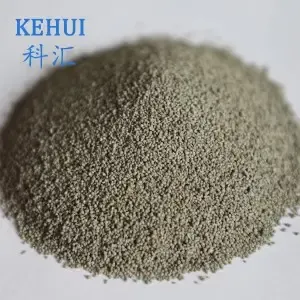
What they are (and why people keep buying them)
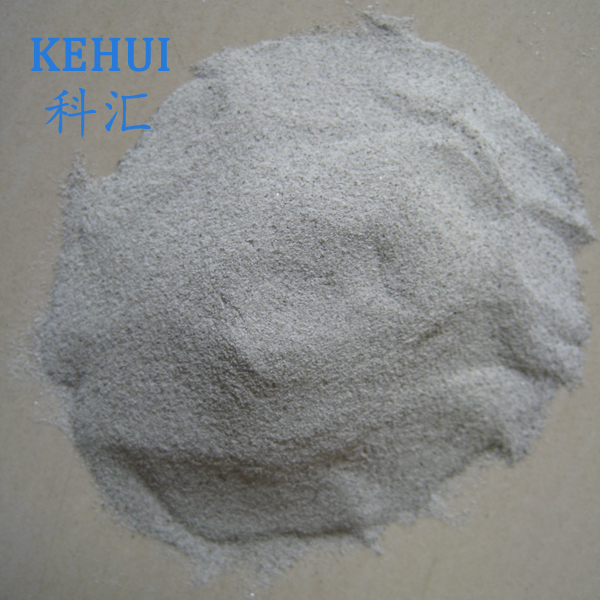
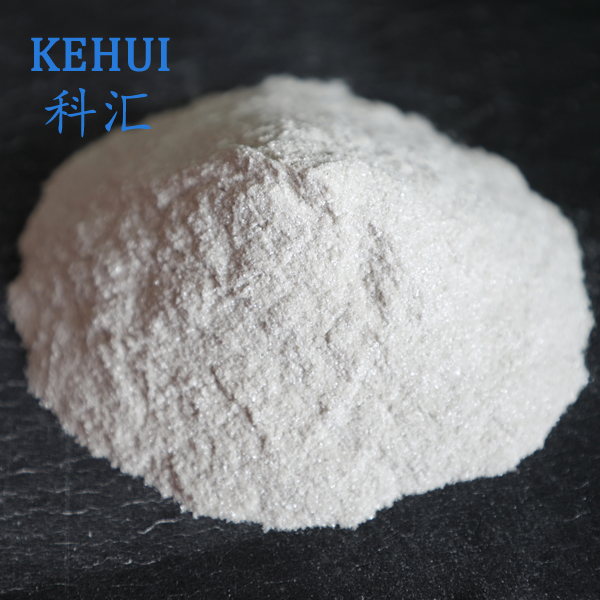
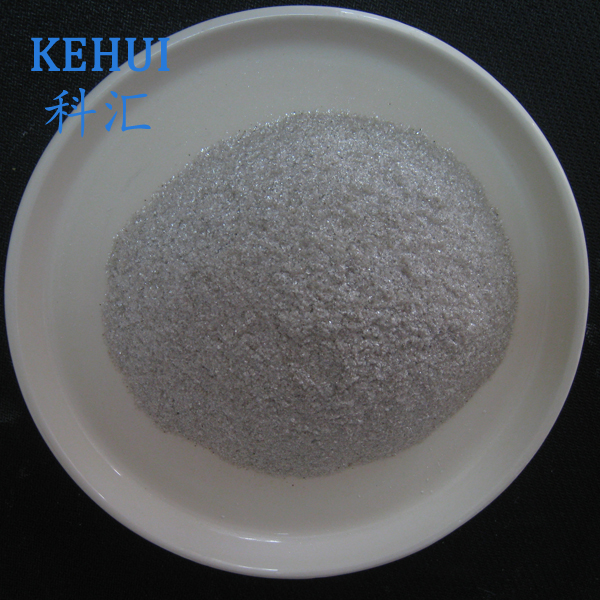
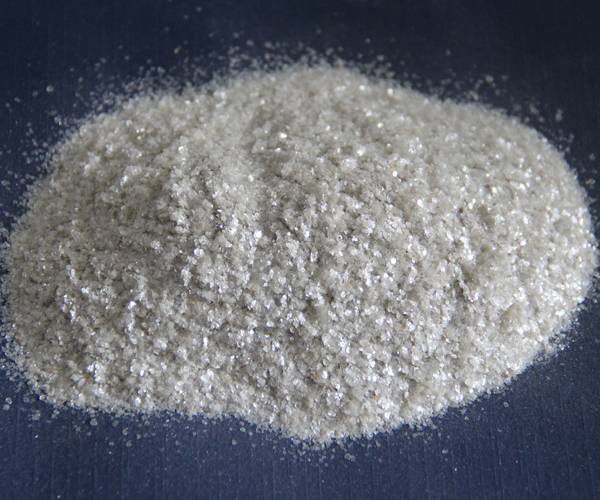
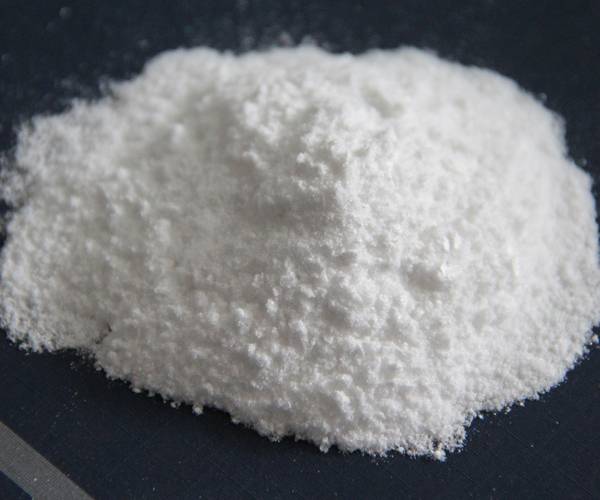
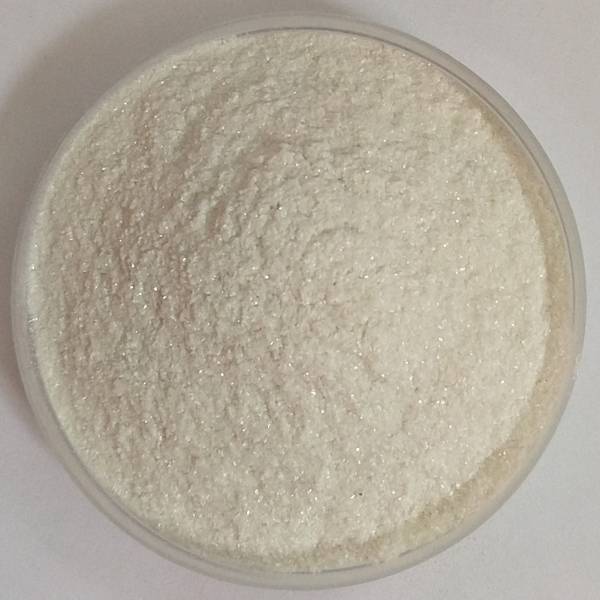
Simply put, Cenosphere/Hollow Ceramic Microspheres are rigid, hollow aluminosilicate spheres skimmed and refined from fly ash. Typical color runs light gray to off‑white. In use they’re surprisingly versatile—foundry sleeves, refractory castables, lightweight concrete, oil‑well cement, high-build epoxy coatings, plastics and SMC/BMC, even automotive body fillers. Many customers say they come for the density cut, stay for the flow and sanding behavior.
Quick specs (real‑world values; lab data may vary)
| Available mesh | 20–70, 40, 50, 60, 80, 100, 150 (custom cuts on request) |
| Bulk density | ≈0.35–0.55 g/cm³ (ASTM D792 / ISO 1183) |
| True density | ≈0.60–0.75 g/cm³ (helium pycnometry) |
| Chemistry | SiO₂ ~55–65%, Al₂O₃ ~25–35%, low Fe₂O₃ |
| Crush strength | ≈15–60 MPa at 10% collapse (method aligned with industry practice) |
| Thermal conductivity | ≈0.09–0.12 W/m·K |
| LOI | ≤2.5% (ASTM C618 / C311) |
| Color | Light gray to off‑white |
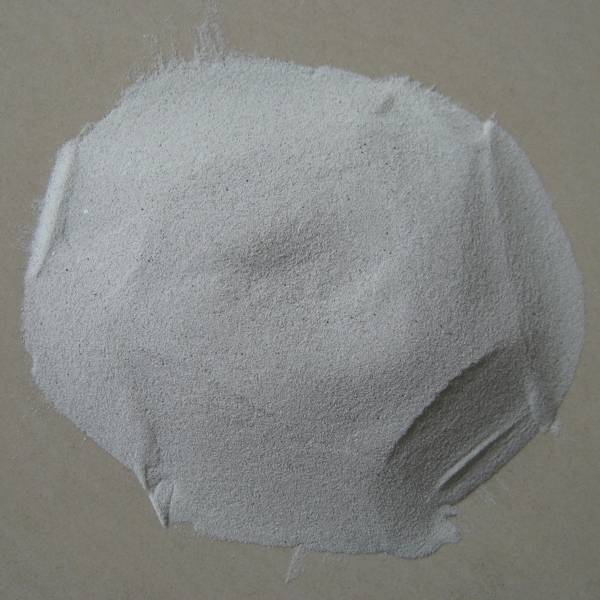
Process flow (how the consistency gets built in)
Source selection → wet floatation to lift true hollows → magnetic separation (low Fe) → calcining/conditioning → precision sieving (ASTM E11) → optional surface treatment (e.g., silane for resin wet‑out) → dust control and packing. QC checkpoints include float percentage, sieve cut verification, LOI, apparent density, and 10% collapse pressure. Certifications commonly requested: ISO 9001, REACH, RoHS.
Where they shine
- Oil drilling cements: density control with maintained compressive strength (API 10B test alignment).
- Refractory/construction: lower thermal conductivity, improved thermal shock.
- Paint & epoxy: higher build, lower sag, better sandability; reduced VOC by volume solids.
- Plastics/automotive: lightweighting, reduced shrink, better dimensional stability.
- Foundry: insulating sleeves and risers for cleaner feed and yield.
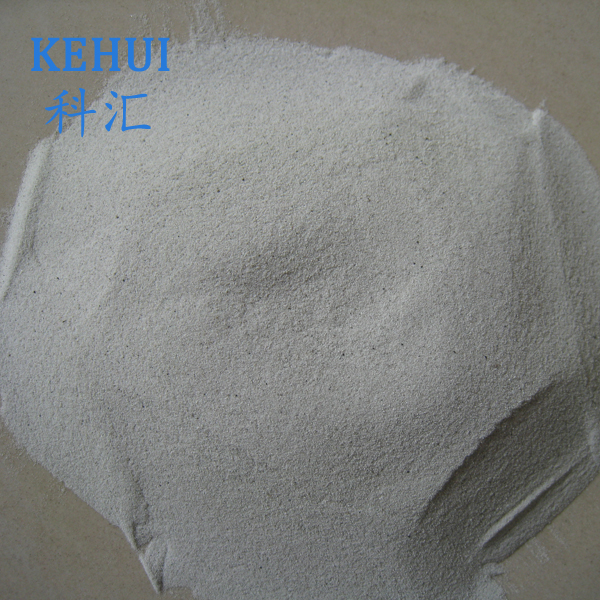
Vendor snapshot (buyers keep asking for this)
| Vendor | Origin | Mesh range | Crush (≈10% collapse) | Certs | Notes |
|---|---|---|---|---|---|
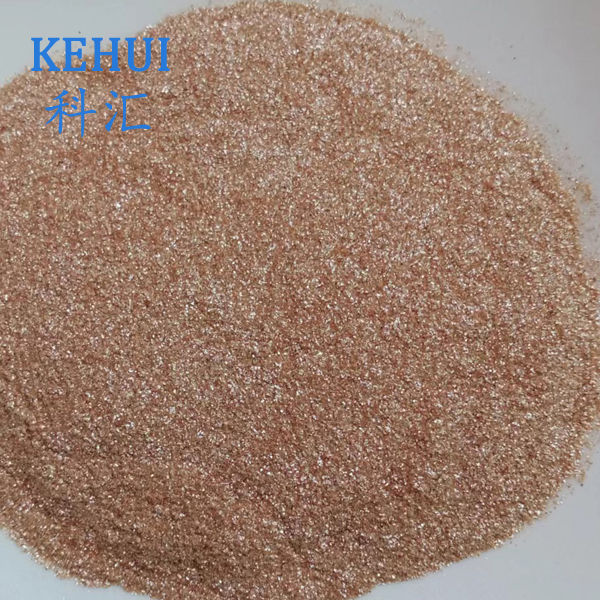
| KeHui (Hebei, CN) | Lingshou, Shijiazhuang | 20–150 mesh | ≈30–60 MPa | ISO 9001, REACH | Custom surface treatment; stable LOI |
| Vendor A (IN) | Eastern belt | 40–100 mesh | ≈20–45 MPa | ISO 9001 | Good for general fillers |
| Vendor B (US/EU) | Multiple | 30–200 mesh | ≈35–70 MPa | ISO 9001, RoHS | Premium, higher price |
Customization & logistics
Cut sizes from 20–150 mesh, tight cut options for slurry spray. Surface treatments (silane, titanate) for epoxy/PU/PP. Packing: 20–25 kg bags or ≈500–650 kg FIBCs. Typical service life: coatings 5–10 years; concrete/refractory 10–25 years; composite parts often exceed 15+ years, depending on exposure.
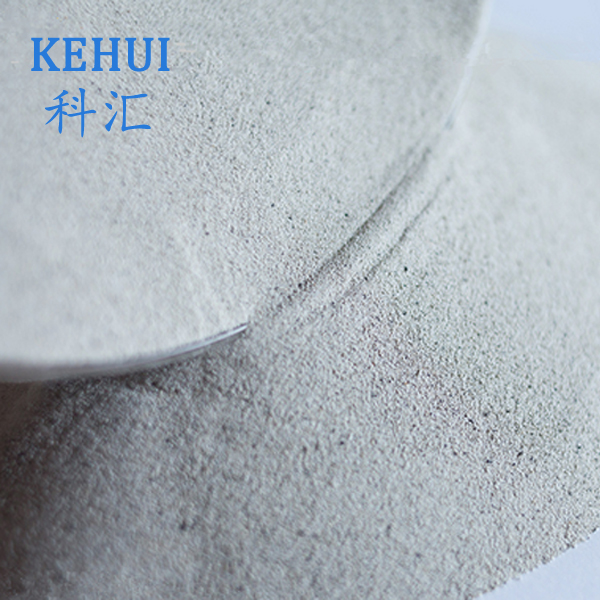
Mini case notes (from my field notebook)
Offshore epoxy fairing: switching to Cenosphere/Hollow Ceramic Microspheres cut mix density from 1.25 to ≈0.95 g/cm³ and reduced sanding time by ~30%. A coatings tech told me, “less slump, nicer edge hold.” Salt‑spray panels ran 1,000 h with no blistering.
Oil‑well cement: blend replacing part of glass microspheres held 8.6–9.0 ppg at 2,000 psi with compressive strength ≈1,800 psi at 24 h (API 10B‑2 workflow). Rheology stayed manageable; surprisingly, less settling than expected.
Foundry risers: insulating sleeves saw ~4–6% yield improvement and cleaner surface finish, according to a foundry supervisor—“less rework, finally.”
Testing & standards you’ll likely quote
- Density: ASTM D792 / ISO 1183
- Sieve analysis: ASTM E11
- LOI & pozzolanic classing: ASTM C618, C311
- Cement lab: API 10B series (slurry prep/strength)
References:
- ASTM C618 – Standard Specification for Coal Fly Ash and Raw or Calcined Natural Pozzolan for Use in Concrete.
- ASTM D792 / ISO 1183 – Density and Specific Gravity of Plastics by Displacement.
- ASTM E11 – Specification for Woven Wire Test Sieve Cloth and Test Sieves.
- API Specification 10B‑2 – Testing of Well Cements (Procedures).
Latest news
-
Global Analysis and Trends of the Calcined Mica Flakes MarketNewsApr.16,2026
-
Technical Benefits of Calcined Mica for Welding ElectrodesNewsApr.09,2026
-
Superior Calcined Mica for Electrical Insulators Applications and BenefitsNewsApr.07,2026
-
Exploring the Versatility of Calcined Mica for Decoration and Diverse ApplicationsNewsApr.04,2026
-
Exploring Calcined Mica Properties Applications and Sourcing OptionsNewsMar.31,2026
-
Exploring the Versatile Applications of Mica Flakes Powder Across IndustriesNewsMar.28,2026
-
Comprehensive Guide to 100 Mesh Mica Powder Applications and Industrial BenefitsNewsMar.26,2026
Related Products