Sep . 15, 2025 12:00
Back to list
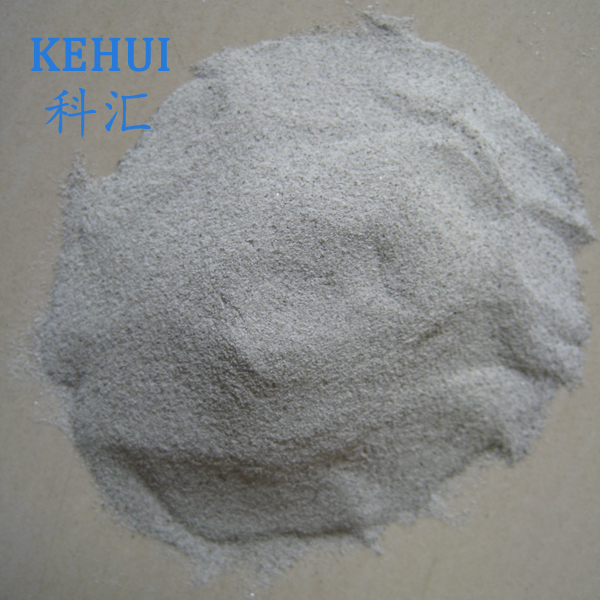
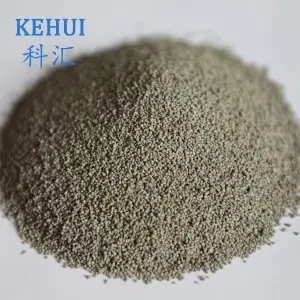
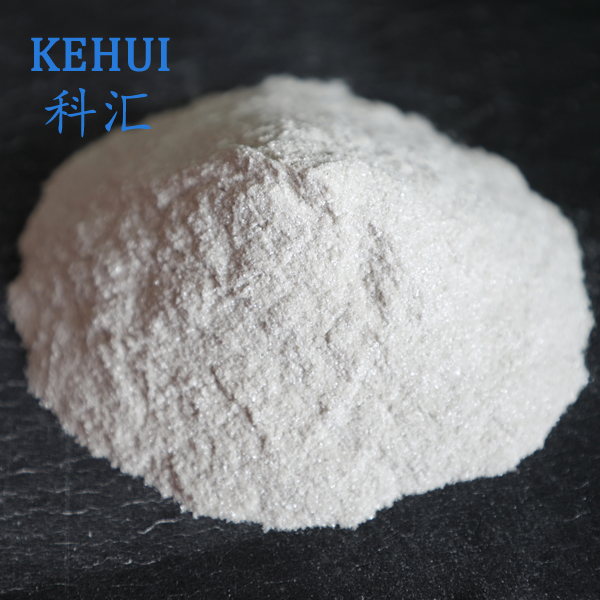
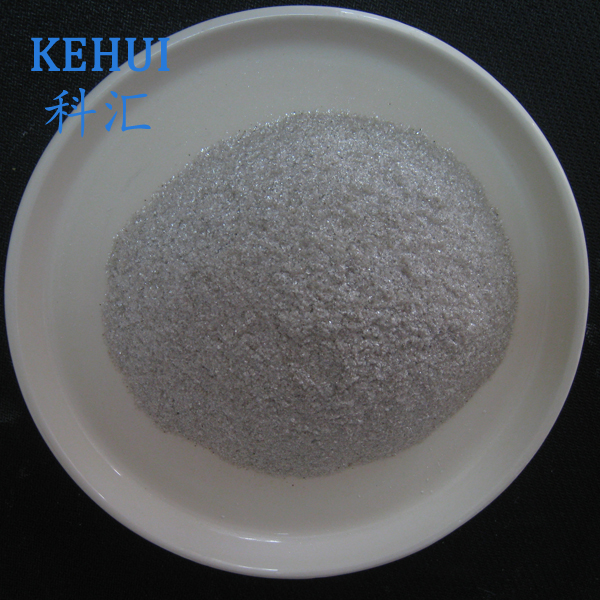
Refractory Cenospheres Ash Hollow Microspheres - Lightweight Insulation
Introduction to Advanced Refractory Cenospheres
In the realm of advanced material science, the pursuit of lighter, stronger, and more energy-efficient components is relentless. Among the innovations driving this evolution are hollow microspheres, and specifically, Refractory Cenospheres Ash Hollow Microspheres represent a pinnacle in high-performance refractory fillers. These unique spherical particles, derived as a by-product of coal combustion, are characterized by their low density, high compressive strength, excellent thermal insulation properties, and chemical inertness. Their distinct structure and composition make them indispensable in a diverse array of industrial applications where weight reduction, thermal management, and enhanced durability are paramount. This comprehensive overview delves into the technical intricacies, application benefits, and market dynamics surrounding these specialized materials, providing critical insights for B2B decision-makers and technical professionals.
Industry Trends and Market Dynamics
The market for advanced refractory materials, including Refractory Cenospheres Ash Hollow Microspheres, is experiencing robust growth, driven by several key global trends. Increasing demand for lightweight and high-performance materials in industries such as oil and gas, construction, automotive, aerospace, and insulation is a primary catalyst. Regulatory pressures for energy efficiency and emission reduction also compel industries to adopt innovative materials that can withstand extreme temperatures and harsh chemical environments while reducing operational energy consumption. The shift towards sustainable manufacturing practices further positions cenospheres as an attractive option, given their origin as a recycled industrial by-product.
Recent market analyses project a compound annual growth rate (CAGR) for the global cenosphere market to be approximately 6-8% over the next five years, reaching significant valuation figures. This growth is underpinned by advancements in processing technologies that yield higher quality and more consistent cenosphere products, broadening their applicability. Key drivers include expansion in deep-sea drilling operations requiring lightweight cement slurries, growth in high-temperature insulation materials for industrial furnaces, and increasing use in polymer composites for weight reduction in transportation. The versatility of these microspheres, combined with their cost-effectiveness relative to other high-performance fillers, ensures their continued prominence in future material developments.
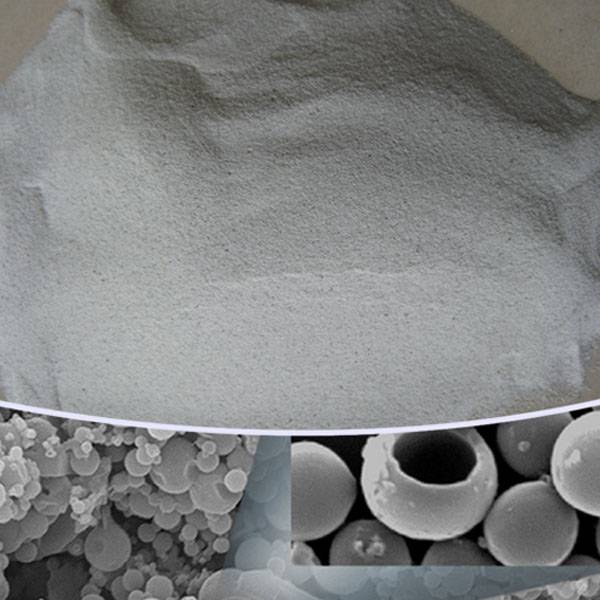
Detailed Process Flow: Manufacturing Refractory Cenospheres
The production of high-quality Refractory Cenospheres Ash Hollow Microspheres involves a sophisticated beneficiation process, starting from the collection of fly ash and culminating in a highly refined, application-ready product.
1. Collection and Initial Separation:
Cenospheres naturally occur as a minor component (typically 0.5% to 5%) in the fly ash generated from coal-fired power plants. Fly ash is collected from electrostatic precipitators or bag filters. The initial step involves wet separation, where the fly ash is mixed with water to form a slurry. Being lightweight and hollow, cenospheres float to the surface while heavier ash particles sink.
2. Washing and Drying:
The floating cenosphere-rich layer is skimmed off, washed thoroughly to remove soluble salts and fine ash particles, and then dewatered. The wet concentrate is subsequently dried using rotary kilns or flash dryers at controlled temperatures to remove moisture content.
3. Sieving and Classification:
After drying, the material undergoes a precise sieving process to remove oversized agglomerates and contaminants. Advanced air classification or mechanical screening techniques are then employed to separate the cenospheres into various size fractions, catering to specific industrial requirements. This ensures a consistent particle size distribution, critical for uniform performance in end applications.
4. Magnetic Separation (Optional but Recommended):
For higher purity products, magnetic separation may be utilized to remove ferromagnetic impurities, primarily iron oxides, which can negatively impact the performance of refractory applications.
5. Quality Control and Packaging:
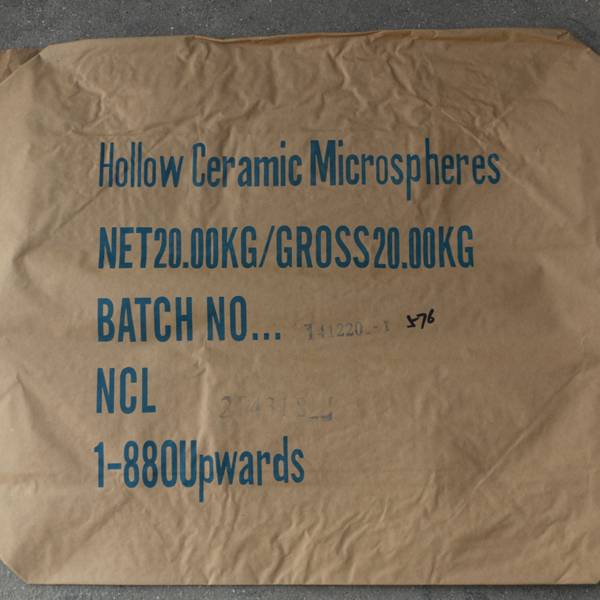
Throughout the process, stringent quality control measures are implemented. Samples are regularly tested against industry standards such as ISO (e.g., ISO 10673 for particle size analysis, ISO 787-1 for bulk density) and relevant ANSI standards for chemical composition and refractory properties. Key parameters checked include particle size distribution, true density, bulk density, crushing strength, specific surface area, and chemical composition (SiO2, Al2O3, Fe2O3 content). The final product, Refractory Cenospheres Ash Hollow Microspheres, is then packaged in various forms, such as super sacks or smaller bags, suitable for industrial transport and storage.
Target Industries: Petrochemical, Metallurgy, Water Supply & Drainage, Ceramics, Automotive, Construction, Aerospace.
Demonstrated Advantages in Typical Application Scenarios: Energy Saving: In refractory concretes and insulative coatings, the hollow structure significantly reduces thermal conductivity, leading to substantial energy savings in high-temperature furnaces and kilns. Corrosion Resistance: The ceramic-like composition, rich in silica and alumina, provides excellent resistance to chemical attack, extending the service life of materials in aggressive environments (e.g., acidic or alkaline conditions in chemical processing). Lightweighting: Their low density reduces the overall weight of finished products, crucial for applications like lightweight cement slurries in oil and gas drilling, or composite materials in automotive and aerospace sectors. Enhanced Flowability: The spherical shape improves the flow characteristics of slurries, concretes, and coatings, facilitating easier application and better distribution.
Technical Specifications and Parameters
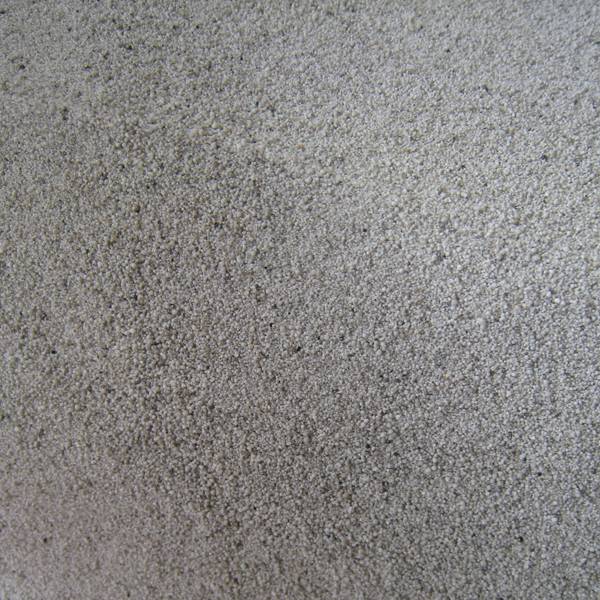
Understanding the precise technical parameters of Refractory Cenospheres Ash Hollow Microspheres is crucial for optimal material selection and application design. The following table outlines typical specifications that meet stringent industry requirements.
Application Scenarios and Industry Impact
The unique combination of properties offered by Refractory Cenospheres Ash Hollow Microspheres makes them highly versatile across numerous demanding industrial sectors.
- Oil & Gas Exploration: Used extensively in lightweight cement slurries for oil wells. Their low density reduces hydrostatic pressure on geological formations, preventing fluid loss and improving drilling efficiency, especially in deep-water or challenging geological conditions. They also provide thermal insulation for downhole cementing, maintaining wellbore integrity.
- Refractory Materials: Integral components in lightweight insulating refractory bricks, castables, and gunning mixes. They enhance thermal shock resistance, reduce thermal conductivity, and decrease overall material weight in furnaces, kilns, and other high-temperature processing units in metallurgy, ceramics, and chemical industries.
- Construction and Building Materials: Incorporated into lightweight concrete, mortars, and specialty coatings. They reduce structural load, improve insulation properties, and enhance fire resistance for various architectural and structural applications.
- Plastics, Composites & Rubber: Serve as functional fillers to reduce density, improve dimensional stability, and enhance stiffness in polymer composites used in automotive, aerospace, and marine industries. This contributes to fuel efficiency and performance by reducing component weight without significant strength loss.
- Paints & Coatings: Utilized in thermal insulation coatings, anti-corrosion paints, and intumescent fire-resistant coatings. The spherical shape aids in better flow and reduced resin demand, while the hollow nature provides insulation and reduces density.
The adaptability of these microspheres to various matrices and processing techniques underscores their critical role in developing next-generation materials with superior performance characteristics and a reduced environmental footprint.
Technical Advantages Over Traditional Materials
The adoption of Refractory Cenospheres Ash Hollow Microspheres often stems from their compelling advantages over conventional fillers and aggregates.
- Superior Thermal Insulation: Unlike solid aggregates, the gas entrapped within the hollow structure of cenospheres significantly reduces thermal conductivity. This translates to substantial energy savings in high-temperature processes and improved thermal stability in end products. For example, a refractory castable containing cenospheres can achieve thermal conductivities 50% lower than one made with solid aggregates.
- Significant Weight Reduction: With true densities typically between 0.6-0.9 g/cm³, cenospheres are considerably lighter than most mineral fillers (e.g., quartz ~2.65 g/cm³, alumina ~3.9 g/cm³). This reduction in density directly leads to lighter end products, reducing transportation costs, easing installation, and improving fuel efficiency in vehicles and aircraft.
- Enhanced Compressive Strength and Stability: Despite their hollow nature, the spherical geometry of cenospheres provides excellent compressive strength and minimizes stress concentrations within a matrix. This contributes to improved mechanical properties and longer service life for materials, especially under load.
- Chemical Inertness and High Refractoriness: Composed primarily of silica and alumina, cenospheres exhibit exceptional chemical resistance to acids, alkalis, and solvents, alongside a high melting point. This makes them ideal for applications in corrosive and high-temperature environments where other materials would degrade.
- Improved Rheology and Processing: The perfect spherical shape acts as a 'ball bearing' in fluid systems, reducing viscosity and improving flow characteristics of slurries, grouts, and polymer melts. This allows for higher filler loadings, easier pumping, and better surface finishes, thereby optimizing manufacturing processes.
- Cost-Effectiveness: As a beneficiated by-product, cenospheres often present a more cost-effective solution compared to synthetic hollow microspheres or other high-performance lightweight fillers, offering an excellent balance of performance and economic viability.
Vendor Comparison and Selection Criteria
Choosing the right supplier for Refractory Cenospheres Ash Hollow Microspheres is critical to ensuring consistent product quality and reliable supply. While specific vendor names are not discussed here, key differentiators and evaluation criteria are essential.
A reputable vendor will consistently provide materials that meet or exceed industry standards, coupled with comprehensive technical support and the ability to scale production as required. Due diligence including requesting samples, reviewing certifications, and site visits (if feasible) is recommended.
Customized Solutions
Recognizing that every industrial application presents unique challenges, leading suppliers of Refractory Cenospheres Ash Hollow Microspheres offer customized solutions. This involves tailoring the cenospheres to meet specific performance requirements beyond standard product grades. Customization options typically include:
- Specific Particle Size Distributions: Precision sizing for optimal packing density, rheology control, or surface finish in specialized coatings or lightweight fillers.
- Controlled Chemical Composition: Adjustments in silica, alumina, or iron oxide content to enhance refractoriness, chemical resistance, or compatibility with specific binder systems.
- Surface Modifications: Treatments to improve dispersion in polymer matrices, enhance bonding with resins, or impart hydrophobicity/hydrophilicity for various applications.
- Enhanced Crushing Strength: Selection and processing for higher individual particle strength, crucial for high-pressure environments like deep-well cementing.
- Packaging Solutions: Tailored packaging (e.g., specific bag sizes, bulk bags with liners, moisture-resistant packaging) to suit client logistics and processing equipment.
Collaborating with an experienced material science team can translate unique application demands into optimized cenosphere grades, ensuring superior performance and cost-efficiency.
Application Case Studies
Real-world deployments illustrate the tangible benefits of incorporating Refractory Cenospheres Ash Hollow Microspheres.
-
Case Study 1: Lightweight Cementing in Deepwater Drilling (Oil & Gas)
A major offshore drilling company faced challenges with high hydrostatic pressures and lost circulation during deepwater well cementing. By replacing a portion of traditional aggregates with cenospheres in their cement slurry, they achieved a 20% reduction in slurry density (from 1.9 g/cm³ to 1.5 g/cm³). This led to a significant decrease in lost circulation events, improved cement bond integrity, and an estimated 15% reduction in overall cementing costs due to less material wastage and reduced rig time. Customer feedback highlighted the consistent quality and excellent dispersion of the cenospheres, crucial for reliable pumping operations.
-
Case Study 2: High-Performance Insulating Refractory (Metallurgy)
A steel manufacturing plant sought to improve the energy efficiency of its annealing furnaces. They switched from traditional dense firebrick to a lightweight insulating refractory castable incorporating high-purity cenospheres. The new lining exhibited a 30% lower thermal conductivity and a 40% reduction in weight compared to the previous material. This resulted in annual energy savings of approximately 18% for the furnace operation and reduced downtime for repairs due to enhanced thermal shock resistance. The plant reported an increase in lining service life by 2 years, underscoring the long-term value.
-
Case Study 3: Advanced Lightweight Composites (Automotive)
An automotive component manufacturer aimed to reduce the weight of internal trim panels without compromising mechanical integrity. By incorporating cenospheres as a filler in their polypropylene composite, they achieved a 12% weight reduction in the final product. This not only contributed to overall vehicle lightweighting (and thus fuel economy) but also improved the material's processability, reducing cycle times by 7% during injection molding due to improved melt flow. The resulting panels maintained excellent dimensional stability and impact resistance.
Commitment to Trust and Support ( Principles)
Our dedication to supporting our B2B partners extends beyond product delivery. We are committed to fostering long-term relationships built on trust, transparency, and unparalleled service.
Frequently Asked Questions (FAQ)
Q: What is the primary difference between cenospheres and microspheres?
A: Cenospheres are a specific type of naturally occurring hollow ceramic microsphere derived from coal fly ash. While all cenospheres are microspheres, not all microspheres are cenospheres. Microspheres can be made from various materials (glass, polymer) and through different synthetic processes, whereas cenospheres have a specific geological and industrial origin and distinct mineral composition.
Q: Are your Refractory Cenospheres environmentally friendly?
A: Yes, our Refractory Cenospheres Ash Hollow Microspheres are an excellent example of sustainable material sourcing. They are a high-value by-product of coal combustion, which diverts material from landfills and reduces the need for virgin raw materials, significantly lowering the environmental impact of industrial processes.
Q: How do you ensure consistent product quality?
A: We adhere to strict quality control protocols throughout our manufacturing process, from raw material selection to final packaging. This includes regular testing against international standards (e.g., ISO, ASTM) for particle size, density, crushing strength, and chemical composition, backed by comprehensive Certificates of Analysis (CoA) for every batch.
Lead Time and Fulfillment
We maintain robust inventory levels and efficient logistics to ensure timely delivery. Standard lead times for common grades typically range from 2-4 weeks for bulk orders, depending on destination and order volume. For customized grades, lead times may extend to 4-6 weeks to accommodate specialized processing and quality checks. We offer global shipping capabilities and work closely with clients to manage supply chain requirements effectively.
Warranty Commitments
Our Refractory Cenospheres Ash Hollow Microspheres are warranted to meet the published specifications and applicable industry standards. In the event of any material non-conformity, our dedicated technical support team will promptly investigate and work towards a satisfactory resolution, including product replacement or credit, as per our standard terms and conditions. We stand behind the quality and performance of our products.
Customer Support and Technical Assistance
Our team of experienced material scientists and application engineers is available to provide comprehensive technical support, from product selection and application development to troubleshooting and process optimization. We offer in-depth guidance on integrating cenospheres into existing formulations and developing new material solutions. Reach out to us via phone, email, or through our website for expert assistance.
References
- American Society for Testing and Materials (ASTM) Standards.
- International Organization for Standardization (ISO) Standards.
- Cenospheres: A Review of Production, Properties, and Applications. Journal of Cleaner Production, 2017.
- Fly Ash: A Review of the Properties and Applications of Cenospheres. Fuel, 2019.
- Global Cenosphere Market Size, Share & Trends Analysis Report. Grand View Research, 2023.
Latest news
-
Global Analysis and Trends of the Calcined Mica Flakes MarketNewsApr.16,2026
-
Technical Benefits of Calcined Mica for Welding ElectrodesNewsApr.09,2026
-
Superior Calcined Mica for Electrical Insulators Applications and BenefitsNewsApr.07,2026
-
Exploring the Versatility of Calcined Mica for Decoration and Diverse ApplicationsNewsApr.04,2026
-
Exploring Calcined Mica Properties Applications and Sourcing OptionsNewsMar.31,2026
-
Exploring the Versatile Applications of Mica Flakes Powder Across IndustriesNewsMar.28,2026
-
Comprehensive Guide to 100 Mesh Mica Powder Applications and Industrial BenefitsNewsMar.26,2026
Related Products