Mar . 05, 2026 02:35
Back to list
Is Mica Powder Natural? A Comprehensive Guide to Origins and Ethical Sourcing
Mica Powder Is It Natural? A Comprehensive Guide
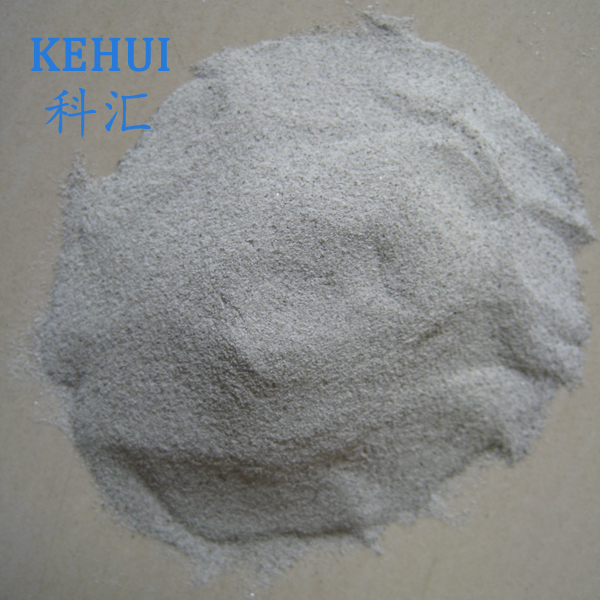
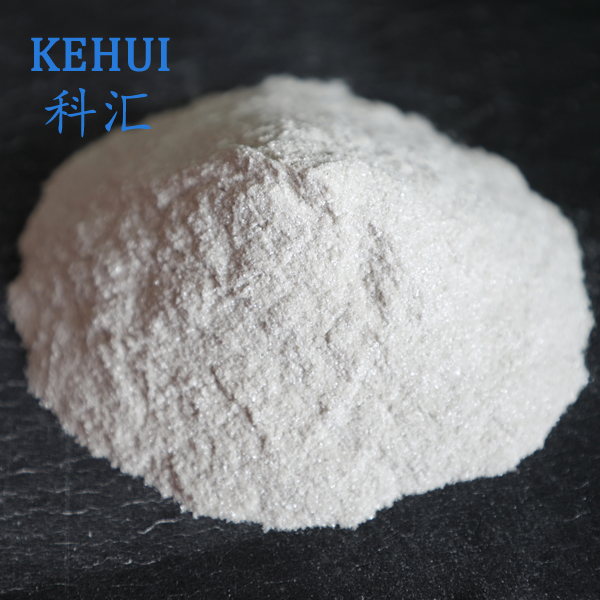
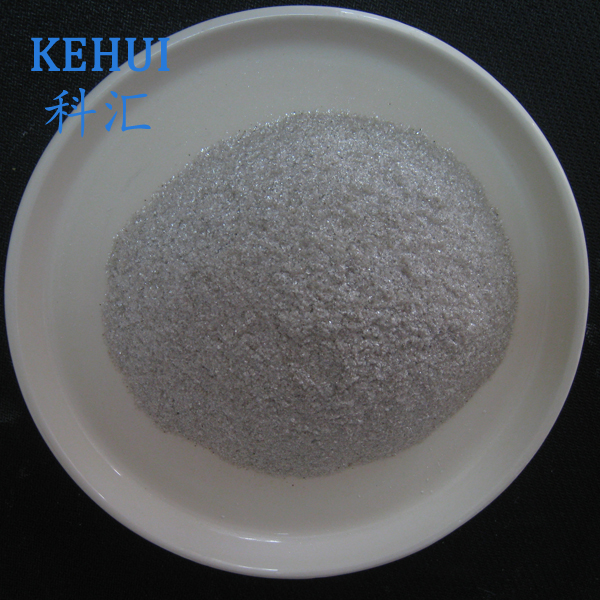
Mica powder has gained tremendous popularity in recent years, finding its way into a wide array of products from cosmetics and paints to plastics and even automotive coatings. A key question consumers and manufacturers alike often ask is: mica powder is it natural? The answer is nuanced. While naturally occurring, the journey from earth to product is complex. This article will delve into the origins of mica, the different types available, processing methods, and how to identify natural versus synthetic options. Understanding these details is crucial for making informed decisions, particularly concerning ethical sourcing and product quality. Kehui Mica offers a wide range of high-quality mica powders, and we’ll explore that further.
The Origins and Composition of Mica
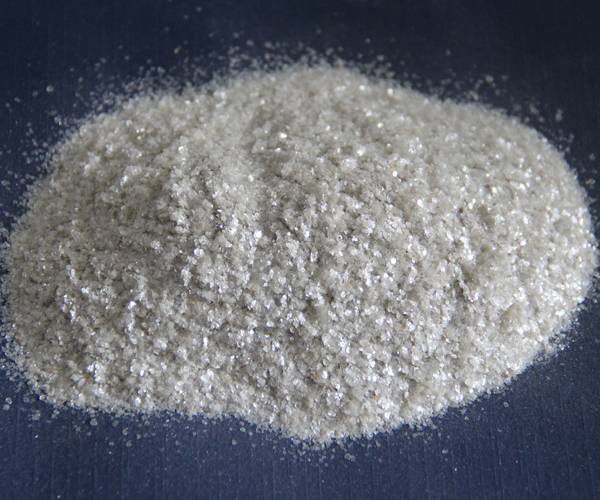
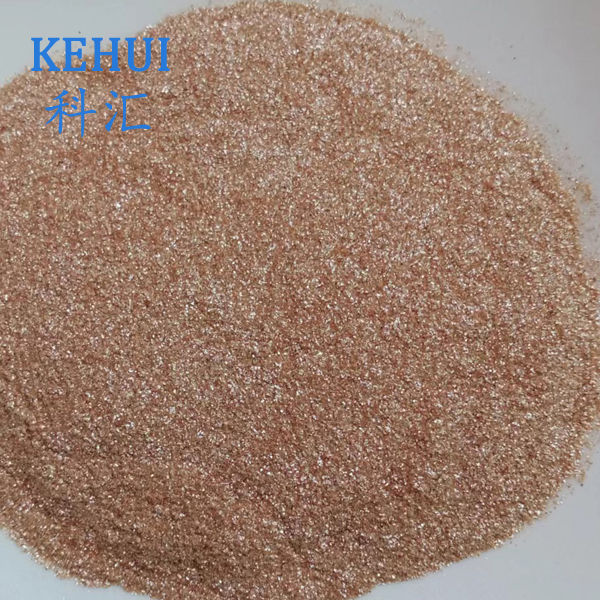
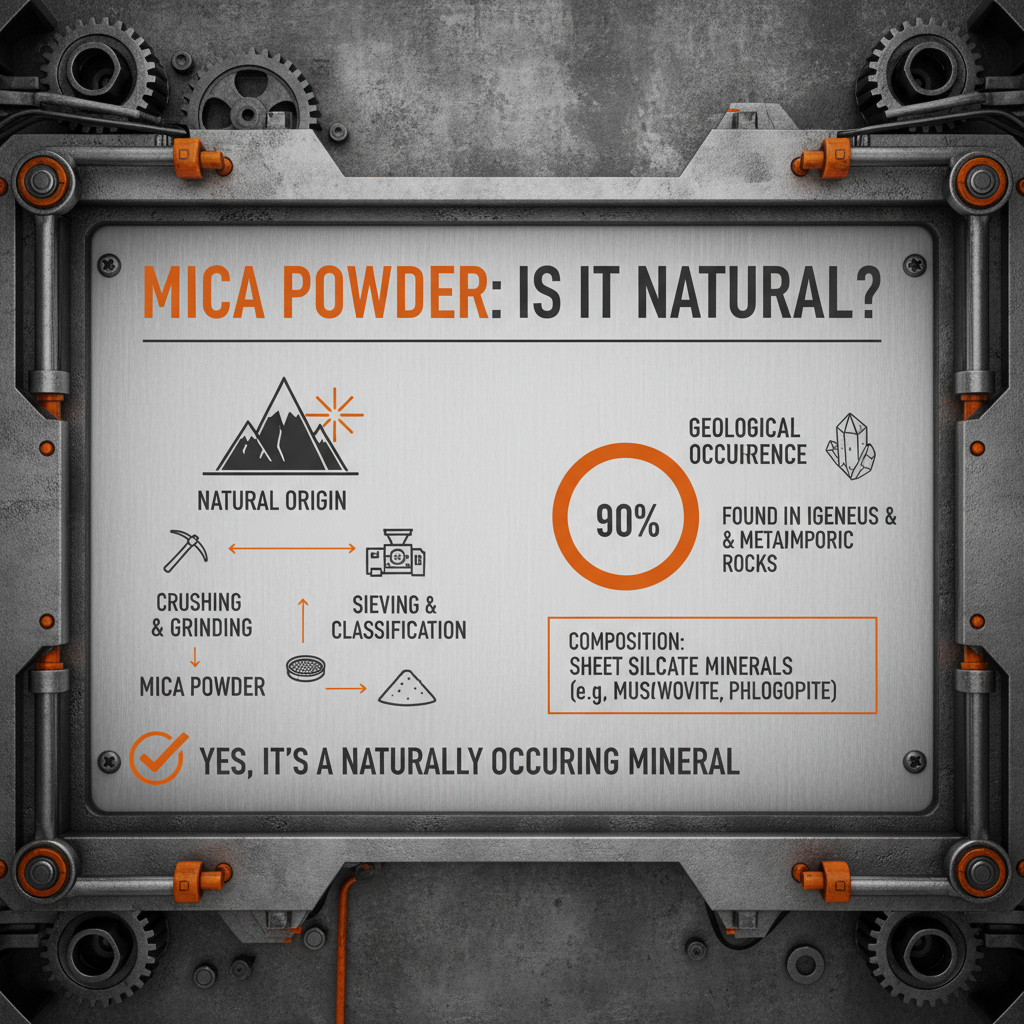
Mica is a naturally occurring group of silicate minerals. It’s formed under immense heat and pressure within the Earth's crust, primarily in igneous and metamorphic rocks. The most common types used commercially are muscovite and phlogopite. Muscovite is known for its clarity and is often used in cosmetics, while phlogopite offers a wider range of colors and is frequently found in industrial applications. Mica's layered structure gives it a unique ability to split into thin, flexible, and remarkably resilient sheets. This structure also contributes to its pearlescent sheen, making it valuable as a pigment. The term “natural mica” refers to mica that has been mined directly from the earth. The inherent properties of mica contribute to its versatility across industries.
Key Highlights: Mica is a silicate mineral formed under immense heat and pressure. Muscovite and phlogopite are the most commonly used types, each possessing unique characteristics that make them suitable for different applications.
Natural vs. Synthetic Mica: A Detailed Comparison
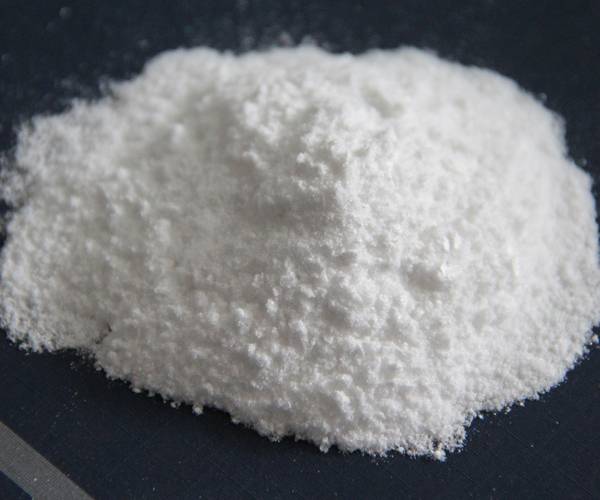
While the majority of mica used is naturally sourced, synthetic mica (bismuth oxychloride) exists as an alternative. Synthetic mica offers consistent particle size, high purity, and a bright, reflective appearance. However, it lacks the unique mineral composition and subtle iridescence of natural mica. The primary difference lies in their origin and creation process. Natural mica is mined, processed, and refined, while synthetic mica is manufactured in a laboratory. This distinction impacts both the environmental footprint and the resulting properties of the final product. Considering ethical sourcing is crucial when choosing natural mica, as some mining practices have faced scrutiny.
Natural vs. Synthetic Mica:
• Origin: Natural - mined from the earth; Synthetic - laboratory-created
• Composition: Natural - complex silicate minerals; Synthetic - bismuth oxychloride
• Particle Size: Natural – variable; Synthetic - consistent
• Iridescence: Natural - subtle, unique; Synthetic – bright, reflective
The Processing of Natural Mica: From Mine to Powder
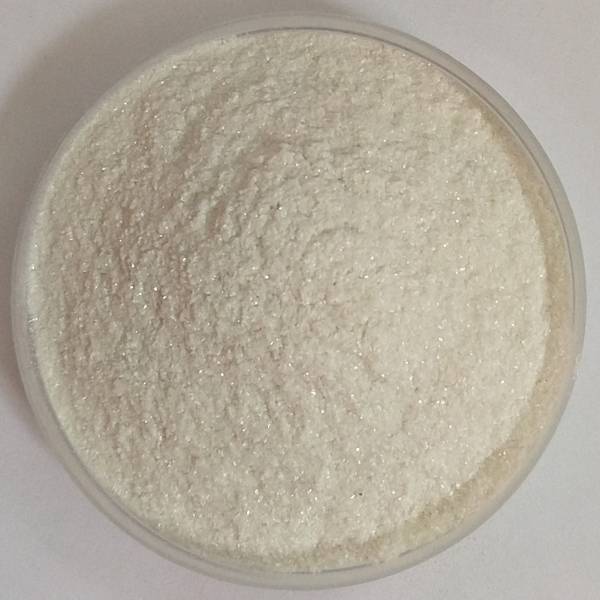
The process of transforming raw mica into a usable powder involves several key steps. First, the mica ore is mined, typically from open-pit or underground mines. The ore is then crushed and ground into smaller flakes. These flakes are sorted by size and quality. Next, they undergo a purification process to remove impurities. Finally, the purified mica is milled into a fine powder. The fineness of the powder can be controlled to achieve different effects in various applications. At Kehui Mica, we employ rigorous quality control measures throughout the entire process to ensure consistent, high-purity mica powders.
Applications of Mica Powder: A Versatile Mineral
The applications of mica powder are remarkably diverse. In the cosmetics industry, it provides shimmer and luminosity to products like eyeshadow, blush, and foundation. In the automotive industry, mica contributes to the metallic appearance of paints and coatings. It's also used in plastics to enhance strength and durability, and in electronics as an insulator. Furthermore, mica's heat-resistant properties make it valuable in fireproofing materials. Kehui Mica serves a multitude of industries with customized mica solutions.
Ethical Sourcing and Sustainability in Mica Production
The mica industry has faced scrutiny regarding ethical sourcing and labor practices, particularly in regions where child labor has been reported. It's essential to partner with suppliers committed to responsible mining and fair labor standards. Kehui Mica prioritizes ethical sourcing, ensuring our mica is obtained from mines that adhere to strict labor and environmental regulations. Sustainability is also a key focus, with efforts to minimize environmental impact through responsible mining practices and waste management. Choosing ethically sourced mica supports a more sustainable and responsible supply chain.
Conclusion: Understanding the Nuances of Natural Mica
Ultimately, mica powder is natural in its origin, but its journey to becoming a finished product involves processing and considerations regarding ethical sourcing. By understanding these nuances, consumers and businesses can make informed decisions that align with their values. Prioritizing suppliers like Kehui Mica, who are committed to quality, sustainability, and ethical practices, ensures a responsible and high-performing mica supply.
Frequently Asked Questions (FAQs)
What are the main differences between muscovite and phlogopite mica?
Muscovite mica is known for its high clarity and is often preferred in cosmetic applications due to its delicate shimmer. It’s a potassium aluminum silicate. Phlogopite, on the other hand, is a magnesium iron aluminum silicate and generally exhibits a wider color range, from colorless to greenish-brown. It is frequently used in industrial applications, such as paints and plastics, where its heat resistance and durability are valuable. Both offer excellent dielectric properties, but phlogopite is often more resistant to heat degradation.
Is natural mica safe for use in cosmetics?
Generally, yes, natural mica is considered safe for cosmetic use. However, concerns have been raised about potential heavy metal contamination depending on the source. Reputable suppliers, like Kehui Mica, meticulously test their mica powders to ensure they meet stringent safety standards and are free from harmful contaminants. Look for cosmetic-grade mica that complies with relevant regulations, such as those set by the FDA or EU Cosmetics Regulation.
How can I identify ethically sourced mica?
Identifying ethically sourced mica can be challenging, but look for suppliers who are transparent about their sourcing practices. Ask about their supply chain traceability and whether they conduct audits to ensure fair labor conditions and environmental responsibility. Certifications like those from the Responsible Minerals Initiative (RMI) can also indicate a commitment to ethical sourcing. Supporting companies that prioritize ethical practices is crucial for promoting a more sustainable mica industry.
What particle size of mica powder should I use for different applications?
The ideal particle size depends on the application. For cosmetics like eyeshadow, a finer particle size (around 10-20 microns) is preferred for a smooth, even application. For paints and coatings, a larger particle size (20-100 microns) can provide better opacity and durability. For plastics, the particle size will vary depending on the desired effect. Kehui Mica offers a range of particle sizes to suit diverse needs; contacting our team can help determine the best option for your specific application.
Latest news
-
Technical Benefits of Calcined Mica for Welding ElectrodesNewsApr.09,2026
-
Superior Calcined Mica for Electrical Insulators Applications and BenefitsNewsApr.07,2026
-
Exploring the Versatility of Calcined Mica for Decoration and Diverse ApplicationsNewsApr.04,2026
-
Exploring Calcined Mica Properties Applications and Sourcing OptionsNewsMar.31,2026
-
Exploring the Versatile Applications of Mica Flakes Powder Across IndustriesNewsMar.28,2026
-
Synthetic Mica Flakes- Kehui Mica Co.|Heat-Resistant, High WhitenessNewsMar.27,2026
-
Synthetic Mica Flakes- Kehui Mica Co.|Heat-Resistant, High WhitenessNewsMar.27,2026
Related Products