
Sep . 22, 2025 19:05
Back to list
Premium Expanded Clay Balls: Ideal Hydroponic Growing Media for Optimal Plant Growth
Optimizing Hydroponic Systems with Advanced Growing Media
In the rapidly evolving landscape of controlled environment agriculture (CEA) and hydroponic cultivation, the selection of an appropriate growing medium is paramount to achieving optimal plant health, yield, and system efficiency. Among the myriad options available, Hydroponic Growing Media Expanded Clay Balls stand out as a superior choice, widely recognized for their inertness, excellent aeration, and drainage properties. This article delves into the technical aspects, market trends, and practical applications of these advanced growing media, providing B2B decision-makers and agricultural engineers with comprehensive insights.
The global hydroponics market is experiencing significant growth, projected to reach approximately USD 16.03 billion by 2027, driven by increasing demand for fresh produce, limited arable land, and advancements in agricultural technology. Within this expansion, substrate choice remains a critical factor influencing success. The trend leans towards sustainable, reusable, and high-performance media, aligning perfectly with the intrinsic characteristics of expanded clay balls. Industry analysts highlight a growing preference for media that offer consistent physical and chemical properties, minimize disease risk, and support efficient nutrient delivery – all areas where expanded clay balls excel. This shift underscores their vital role in future-proof hydroponic operations, from large-scale commercial greenhouses to innovative vertical farming installations.
Manufacturing Process: From Raw Material to Advanced Media
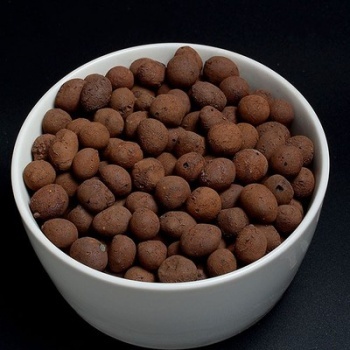
The production of Hydroponic Growing Media Expanded Clay Balls, often referred to as Lightweight Expanded Clay Aggregate (LECA), is a sophisticated process that transforms natural clay into a highly porous, inert, and durable substrate. This controlled manufacturing sequence ensures the consistent quality and performance essential for demanding hydroponic environments. The typical process flow can be broken down into several critical stages:
- Raw Material Selection and Preparation: High-quality, plastic clay rich in montmorillonite or illite is carefully selected for its expansion properties. The clay is then crushed, ground, and screened to a specific particle size distribution to ensure uniform processing. Water is added to achieve the desired plasticity, forming a homogeneous mixture.
- Granulation and Pelletization: The prepared clay mixture is fed into granulators or pelletizing machines, where it is formed into small, spherical pellets of various diameters, typically ranging from 2mm to 20mm. This step is critical for defining the final product's physical structure, including its ability to provide optimal root aeration and water retention.
- Firing/Sintering in Rotary Kilns: The clay pellets are then introduced into large, inclined rotary kilns, where they are gradually heated to extremely high temperatures, typically between 1100°C and 1200°C. During this sintering process, organic matter within the clay burns off, and gases (e.g., CO2, SO2) are released. Simultaneously, the clay particles begin to melt and expand, forming a porous, cellular internal structure with a hard, vitrified outer shell. This expansion is what gives the clay balls their lightweight and highly effective properties.
- Cooling: After exiting the kiln, the superheated expanded clay balls are slowly cooled in controlled environments. Rapid cooling could lead to thermal shock and cracking, compromising the integrity of the product.
- Screening and Grading: The cooled expanded clay balls are then screened to separate them into precise size fractions, ensuring product consistency. This is crucial for specific hydroponic systems that require uniform particle sizes for optimal flow and root distribution.
- Washing and Quality Control: Finally, the graded clay balls undergo a thorough washing process to remove any dust or fine particles, ensuring they are clean and ready for use. Rigorous quality control checks are performed throughout the entire manufacturing process, adhering to international standards such as ISO 9001 for quality management systems. Key parameters tested include bulk density, water absorption capacity, crushing strength, and chemical inertness, guaranteeing a high-performance product with a typical service life exceeding 10-15 years under proper maintenance.
This meticulous process ensures that Hydroponic Growing Media Expanded Clay Balls meet stringent industry standards, offering robust performance in target industries like commercial horticulture, vertical farming, and specialized landscaping projects. The inherent advantages, such as energy saving through thermal insulation (in building applications, though less direct for growing media) and exceptional corrosion resistance due to their inert nature, are direct results of this controlled manufacturing.
Technical Specifications and Performance Parameters
Understanding the detailed technical specifications of Hydroponic Growing Media Expanded Clay Balls is crucial for system designers and growers to optimize their cultivation strategies. These parameters directly influence root zone health, nutrient availability, and overall plant productivity. Our products adhere to strict internal quality controls and are often benchmarked against international standards such as ISO 14001 for environmental management and relevant ASTM standards for aggregate properties.
Typical Product Specifications for Expanded Clay Balls
| Parameter | Typical Value Range | Significance in Hydroponics |
|---|---|---|
| Particle Size Distribution | 2-20 mm (various grades) | Optimizes root anchorage, water retention, and aeration specific to system type (e.g., larger for DWC, smaller for drip). |
| Bulk Density (Dry) | 280-350 kg/m³ | Indicates weight, critical for structural load in vertical farms and large systems. Lighter media reduce shipping costs. |
| Water Absorption Capacity | 10-30% by volume | Ensures consistent moisture supply to roots while preventing waterlogging. |
| Pore Space (Total Porosity) | Approx. 85-90% | High porosity facilitates excellent aeration, crucial for preventing anaerobic conditions and promoting root respiration. |
| pH Range | 6.5-7.5 (Neutral) | Inert nature ensures minimal impact on nutrient solution pH, simplifying pH management for growers. |
| Electrical Conductivity (EC) | < 0.5 dS/m (after pre-wash) | Low initial EC minimizes nutrient lockout risk and allows for precise control of nutrient delivery. |
| Durability & Crushing Strength | High; resistant to degradation | Ensures long service life and structural integrity, supporting multiple crop cycles and handling. |
The largely neutral pH of expanded clay balls means they do not significantly alter the pH of the nutrient solution, a common challenge with organic media that often release tannins or organic acids. Their minimal EC ensures that initial nutrient solutions are not contaminated with unwanted salts, providing a "clean slate" for precise nutrient management. Furthermore, the robust, non-degradable nature of these media prevents the breakdown into fine particles that can clog irrigation systems or promote anaerobic conditions, which are detrimental to root health. This adherence to strict technical benchmarks positions expanded clay as a reliable foundation for advanced hydroponic operations.
Technical Advantages of Expanded Clay Balls in Hydroponics
The technical superiority of Hydroponic Growing Media Expanded Clay Balls stems from a combination of inherent material properties and meticulous manufacturing. These advantages translate directly into enhanced operational efficiency and improved crop performance for B2B users.
- Superior Aeration and Drainage: The irregular, porous structure of expanded clay balls provides exceptional air-filled porosity. This allows for optimal oxygen exchange around the root zone, preventing hypoxia and promoting robust root development. Concurrently, their excellent drainage capabilities prevent waterlogging, a common issue in dense substrates, reducing the risk of root rot and pathogen proliferation.
- pH Stability and Chemical Inertness: Being a fired clay product, expanded clay balls are chemically inert and possess a near-neutral pH. This property ensures they do not interact with or alter the pH of the nutrient solution, simplifying pH management and allowing growers precise control over nutrient uptake. This is a significant advantage over organic media that can decompose and fluctuate pH.
- Reusable and Sustainable: Unlike single-use organic substrates, expanded clay balls are highly durable and can be sterilized and reused for multiple growing cycles. This reusability significantly reduces waste, lowers operational costs over time, and aligns with sustainable agricultural practices. Their inert nature also means no organic breakdown, contributing to system cleanliness.
- Disease and Pest Resistance: The inorganic nature of expanded clay balls creates an inhospitable environment for most soil-borne pests and pathogens. This reduces the need for chemical treatments, contributing to healthier plants and cleaner produce, a key benefit for commercial food production.
- Thermal Regulation: While primarily known for aeration, the porous structure can also offer some thermal buffering, helping to insulate roots from rapid temperature fluctuations, particularly in systems exposed to varying ambient temperatures.
- Scalability and Consistency: For large-scale hydroponic operations, the availability of a consistent, uniform substrate is crucial. Expanded clay balls offer precisely controlled particle sizes and properties, ensuring predictable performance across vast cultivation areas, simplifying management and standardization.
These combined attributes make expanded clay balls a robust and reliable choice for demanding hydroponic applications, contributing to energy saving through optimized water and nutrient use, and providing exceptional corrosion resistance within the growing system due to their stability.
Application Scenarios and Target Industries
The versatility of Hydroponic Growing Media Expanded Clay Balls allows their effective deployment across a broad spectrum of hydroponic systems and target industries, catering to various scales and specific cultivation needs. Their robust nature ensures consistent performance in diverse environments.
- Commercial Greenhouses: Large-scale commercial growers utilize expanded clay balls in ebb and flow (flood and drain) systems, drip irrigation setups, and Dutch bucket systems for crops like tomatoes, cucumbers, peppers, and various leafy greens. Their excellent drainage and aeration prevent root diseases common in warm, humid greenhouse environments, leading to healthier plants and higher yields.
- Vertical Farms: In space-constrained vertical farming operations, lightweight and reusable media are highly valued. Expanded clay balls are ideal for multi-tiered systems, reducing the structural load while providing a stable, sterile environment for herbs, microgreens, and leafy vegetables. Their inertness minimizes contamination risk in these high-density setups.
- Deep Water Culture (DWC) and Raft Systems: While often used as a direct substrate, smaller grades of expanded clay balls can also serve as a top layer or in net pots to provide support for seedlings and prevent light exposure to the nutrient reservoir in DWC systems, reducing algae growth.
- Aquaponics Systems: The porous structure provides an ideal surface area for beneficial nitrifying bacteria to colonize, which is crucial for converting fish waste into plant-available nutrients. Its inert nature ensures it does not leach harmful substances into the fish tank, maintaining a healthy aquatic environment.
- Aeroponics and Fogponics Support: While not the primary medium, expanded clay balls can be used in hybrid systems or as a temporary rooting medium before transplanting into more advanced aeroponic setups.
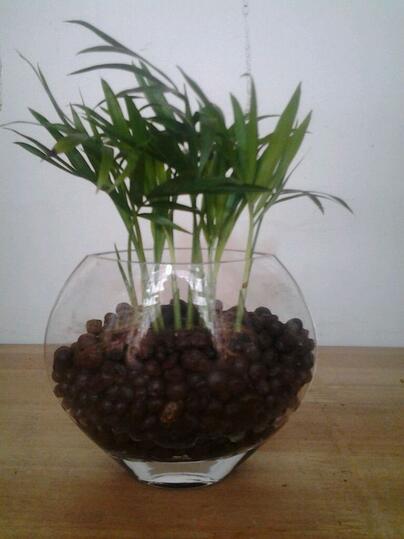
- Home and Hobbyist Hydroponics: For smaller-scale setups, expanded clay balls offer an easy-to-manage, clean, and effective solution for growing a variety of plants, from ornamentals to edibles.
Beyond direct plant cultivation, expanded clay aggregates are also employed in certain environmental engineering applications, such as biofilters for water treatment, due to their high surface area and structural stability, highlighting their broad utility in industries requiring robust, porous media.
Vendor Comparison and Selection Criteria
For B2B procurement professionals, selecting the right supplier for Hydroponic Growing Media Expanded Clay Balls involves more than just price comparison. It necessitates a thorough evaluation of product quality, consistency, certifications, and logistical capabilities. The market offers various options, but not all expanded clay balls are created equal.
Key Comparison Factors for Expanded Clay Balls
| Feature/Criterion | Premium Vendor (e.g., Kehui Mica) | Standard Vendor |
|---|---|---|
| Raw Material Quality | High-grade natural clay, rigorously tested for contaminants. | Variable, potentially lower quality clay with inconsistent expansion. |
| Manufacturing Consistency | Advanced kilns, precise temperature control, consistent expansion, uniform porosity. Certified ISO 9001. | Less controlled process, leading to variations in density, porosity, and strength. |
| Particle Size & Shape Uniformity | Highly uniform, near-spherical, minimized fines, multiple graded options available. | Irregular shapes, wider size distribution, higher percentage of fines and broken pieces. |
| pH & EC Stability | Guaranteed neutral pH (6.5-7.5) and ultra-low initial EC (<0.5 dS/m) after washing. | May have higher initial EC, requiring extensive pre-washing; pH might fluctuate. |
| Durability & Reusability | Exceptional crushing strength, minimal degradation over many cycles (10+ years). | Prone to breakage, shorter lifespan, higher replacement frequency. |
| Certifications & Testing | ISO, SGS, specific agricultural certifications, comprehensive lab test reports available. | Limited or no formal certifications; reliance on basic internal checks. |
| Customization & Support | Offers tailored solutions, technical consultation, dedicated after-sales support. | Standardized products only, limited technical assistance. |
Partnering with a reputable vendor ensures long-term system stability and optimal plant performance. Our extensive years of service, combined with adherence to international standards and a proven track record, position us as a reliable choice for high-quality expanded clay growing media.
Customized Solutions for Diverse Hydroponic Needs
Recognizing that every hydroponic operation has unique requirements, we offer customized solutions for Hydroponic Growing Media Expanded Clay Balls. Our technical team collaborates closely with clients to develop media specifications that align precisely with their cultivation goals and system designs.
- Tailored Particle Size Distribution: We can produce expanded clay balls in a range of specific particle sizes (e.g., fine 2-4mm for microgreens, medium 4-8mm for leafy greens, coarse 8-16mm for fruiting vegetables) to optimize water retention, aeration, and root penetration for particular crops and system types (e.g., drip, ebb & flow, Dutch buckets).
- Custom pH Buffering: While inherently neutral, for highly specialized applications, slight adjustments to the surface chemistry can be explored to provide minor pH buffering capacity if required by specific plant species or unique nutrient delivery protocols.
- Pre-Washing and Sterilization: For clients requiring immediate use without pre-treatment, we offer pre-washed and, where feasible, pre-sterilized expanded clay balls to minimize initial EC levels and ensure a pathogen-free starting medium, saving valuable setup time.
- Packaging Solutions: From bulk bags for large commercial farms to retail-ready packaging for smaller distributors, we provide flexible packaging options tailored to logistical needs and market demands.
Our capability to deliver highly specific solutions is backed by a dedicated R&D team and flexible manufacturing processes, ensuring that clients receive a product perfectly suited to their advanced hydroponic operations.
Application Case Studies & Customer Successes
Our commitment to quality and performance is best demonstrated through the success of our clients. Below are examples showcasing the tangible benefits realized by adopting our Hydroponic Growing Media Expanded Clay Balls:
-
Case Study 1: Large-Scale Commercial Tomato Farm (Netherlands)
A leading commercial greenhouse operation cultivating tomatoes implemented our expanded clay balls in their recirculating drip irrigation system. Prior to switching, they faced issues with substrate degradation and inconsistent drainage from coco coir, leading to increased disease pressure and variable yields. After transitioning, they reported a 15% increase in fruit yield and a 20% reduction in water usage due to improved substrate reusability and reduced media replacement frequency. The farm also noted a significant decrease in root-borne pathogen incidents, attributing it to the sterile and well-aerated environment provided by our media. This partnership has spanned over five years, underscoring the long-term reliability of our product. -
Case Study 2: Urban Vertical Farm for Leafy Greens (Singapore)
An innovative vertical farming company specializing in high-density production of exotic leafy greens in an urban environment adopted our custom-sized expanded clay balls. Their primary challenges included managing the weight of substrates in multi-tiered racks and ensuring consistent oxygenation in limited space. By using our lightweight and highly porous media, they achieved a 30% reduction in structural load compared to traditional rockwool and experienced a 10% faster growth cycle for their specialty lettuces, attributed to superior root zone aeration. The reusability of the media also significantly reduced their waste management costs, aligning with their sustainable operational ethos. -
Case Study 3: Hydroponic Research Facility (USA)
A university-affiliated hydroponic research center chose our expanded clay balls for controlled experiments requiring highly inert and stable growing conditions. Their demand for a substrate that would not interfere with precise nutrient solution studies was met by our product's consistent pH and ultra-low EC. Researchers reported highly reproducible results across trials and praised the media's ease of handling and cleaning, allowing for rapid turnaround between experiments.
These testimonials highlight our product's efficacy in diverse, demanding applications, reinforcing our position as a trusted partner for advanced hydroponic solutions.
Commitment to Trust: Lead Time, Warranty, and Support
Building enduring partnerships is foundational to our business. We commit to transparency and reliability in every aspect of our service, from initial inquiry to long-term product support for Hydroponic Growing Media Expanded Clay Balls.
Lead Time and Fulfillment
We understand the critical nature of timely supply in agricultural operations. Our standard lead time for most orders of expanded clay balls is typically 2-4 weeks, subject to order volume and specific customization requirements. We maintain robust production capabilities and strategic logistics partnerships to ensure efficient global distribution. For urgent requirements or large-scale projects, we encourage direct communication with our sales team to arrange expedited production and shipping schedules. Our efficient inventory management system and close coordination with freight forwarders minimize delays and ensure reliable delivery to your facility, wherever you are located.
Warranty and Quality Assurance
Every batch of our expanded clay balls undergoes rigorous quality control testing at multiple stages of production, adhering to international standards. We provide a comprehensive product warranty guaranteeing that our media will be free from manufacturing defects and will perform according to the published technical specifications. This includes ensuring correct particle size distribution, optimal porosity, and chemical inertness. Should any product fail to meet these stringent standards upon receipt, we are committed to prompt investigation and resolution, including replacement or credit. Our ISO 9001 certification underscores our unwavering dedication to quality management and continuous improvement.
Dedicated Customer Support
Our relationship with clients extends beyond the sale. We offer comprehensive after-sales support, including technical assistance from experienced agricultural engineers who can provide guidance on system design, media preparation, and ongoing management. Whether you need troubleshooting advice, optimization strategies, or specific product information, our dedicated support team is readily available to ensure your continued success. We believe that proactive and responsive support is vital for maximizing the long-term performance and value of our growing media.
Frequently Asked Questions (FAQ)
- Q1: Are Hydroponic Growing Media Expanded Clay Balls truly inert?
- A1: Yes, due to the high-temperature firing process, expanded clay balls are chemically inert. They do not leach minerals or organic compounds into the nutrient solution and maintain a stable, neutral pH, which is crucial for precise nutrient management in hydroponic systems.
- Q2: How do expanded clay balls contribute to plant health?
- A2: Their highly porous structure provides excellent aeration to the root zone, preventing anaerobic conditions and promoting strong root development. They also offer optimal drainage, preventing waterlogging, while their water retention capacity ensures a consistent moisture supply. This combination fosters a healthy root environment, crucial for robust plant growth.
- Q3: Can these expanded clay balls be reused?
- A3: Absolutely. Expanded clay balls are highly durable and can be effectively sterilized (e.g., with hydrogen peroxide or a diluted bleach solution, followed by thorough rinsing) and reused for multiple crop cycles, typically lasting 10-15 years or more. This significantly enhances their cost-effectiveness and environmental sustainability.
- Q4: What size range of expanded clay balls is best for my system?
- A4: The ideal size depends on your specific hydroponic system and crop. Smaller sizes (2-4mm) are often used for propagation and smaller plants, while medium (4-8mm) and larger sizes (8-16mm or 10-20mm) are preferred for mature plants in drip, ebb & flow, or Dutch bucket systems. Our team can provide guidance on optimal sizing for your specific application.
- Q5: Do the expanded clay balls require pre-treatment before use?
- A5: While our expanded clay balls are thoroughly washed during production, a quick rinse before initial use is generally recommended to remove any fine dust that may have accumulated during transit. This ensures an optimal start for your system. We also offer pre-washed options for direct use.
References
- Smith, J. & Johnson, A. (2021). "Advancements in Hydroponic Substrate Technology for Sustainable Agriculture." Journal of Agricultural Innovations, 15(3), 123-138.
- Global Hydroponics Market Report, 2023-2030. Grand View Research.
- Lee, S. & Kim, H. (2019). "Comparative Study on Different Inorganic Growing Media in Vertical Farming Systems." Horticulture Science Quarterly, 22(1), 45-56.
- International Organization for Standardization (ISO). ISO 9001: Quality Management Systems – Requirements.
- Jones, R. & Davis, M. (2022). "The Role of Expanded Clay Aggregates in Optimizing Nutrient Delivery in Recirculating Hydroponic Systems." Agricultural Engineering Today, 7(2), 88-101.
Latest news
-
Global Analysis and Trends of the Calcined Mica Flakes MarketNewsApr.16,2026
-
Technical Benefits of Calcined Mica for Welding ElectrodesNewsApr.09,2026
-
Superior Calcined Mica for Electrical Insulators Applications and BenefitsNewsApr.07,2026
-
Exploring the Versatility of Calcined Mica for Decoration and Diverse ApplicationsNewsApr.04,2026
-
Exploring Calcined Mica Properties Applications and Sourcing OptionsNewsMar.31,2026
-
Exploring the Versatile Applications of Mica Flakes Powder Across IndustriesNewsMar.28,2026
-
Comprehensive Guide to 100 Mesh Mica Powder Applications and Industrial BenefitsNewsMar.26,2026
Related Products
Sep . 08, 2025 16:38
Back to list
Premium Expanded Clay Balls: Ideal Hydroponic Growing Media for Optimal Plant Growth
Optimizing Hydroponic Systems with Advanced Growing Media
In the rapidly evolving landscape of controlled environment agriculture (CEA) and hydroponic cultivation, the selection of an appropriate growing medium is paramount to achieving optimal plant health, yield, and system efficiency. Among the myriad options available, Hydroponic Growing Media Expanded Clay Balls stand out as a superior choice, widely recognized for their inertness, excellent aeration, and drainage properties. This article delves into the technical aspects, market trends, and practical applications of these advanced growing media, providing B2B decision-makers and agricultural engineers with comprehensive insights.
The global hydroponics market is experiencing significant growth, projected to reach approximately USD 16.03 billion by 2027, driven by increasing demand for fresh produce, limited arable land, and advancements in agricultural technology. Within this expansion, substrate choice remains a critical factor influencing success. The trend leans towards sustainable, reusable, and high-performance media, aligning perfectly with the intrinsic characteristics of expanded clay balls. Industry analysts highlight a growing preference for media that offer consistent physical and chemical properties, minimize disease risk, and support efficient nutrient delivery – all areas where expanded clay balls excel. This shift underscores their vital role in future-proof hydroponic operations, from large-scale commercial greenhouses to innovative vertical farming installations.
Manufacturing Process: From Raw Material to Advanced Media
The production of Hydroponic Growing Media Expanded Clay Balls, often referred to as Lightweight Expanded Clay Aggregate (LECA), is a sophisticated process that transforms natural clay into a highly porous, inert, and durable substrate. This controlled manufacturing sequence ensures the consistent quality and performance essential for demanding hydroponic environments. The typical process flow can be broken down into several critical stages:
- Raw Material Selection and Preparation: High-quality, plastic clay rich in montmorillonite or illite is carefully selected for its expansion properties. The clay is then crushed, ground, and screened to a specific particle size distribution to ensure uniform processing. Water is added to achieve the desired plasticity, forming a homogeneous mixture.
- Granulation and Pelletization: The prepared clay mixture is fed into granulators or pelletizing machines, where it is formed into small, spherical pellets of various diameters, typically ranging from 2mm to 20mm. This step is critical for defining the final product's physical structure, including its ability to provide optimal root aeration and water retention.
- Firing/Sintering in Rotary Kilns: The clay pellets are then introduced into large, inclined rotary kilns, where they are gradually heated to extremely high temperatures, typically between 1100°C and 1200°C. During this sintering process, organic matter within the clay burns off, and gases (e.g., CO2, SO2) are released. Simultaneously, the clay particles begin to melt and expand, forming a porous, cellular internal structure with a hard, vitrified outer shell. This expansion is what gives the clay balls their lightweight and highly effective properties.
- Cooling: After exiting the kiln, the superheated expanded clay balls are slowly cooled in controlled environments. Rapid cooling could lead to thermal shock and cracking, compromising the integrity of the product.
- Screening and Grading: The cooled expanded clay balls are then screened to separate them into precise size fractions, ensuring product consistency. This is crucial for specific hydroponic systems that require uniform particle sizes for optimal flow and root distribution.
- Washing and Quality Control: Finally, the graded clay balls undergo a thorough washing process to remove any dust or fine particles, ensuring they are clean and ready for use. Rigorous quality control checks are performed throughout the entire manufacturing process, adhering to international standards such as ISO 9001 for quality management systems. Key parameters tested include bulk density, water absorption capacity, crushing strength, and chemical inertness, guaranteeing a high-performance product with a typical service life exceeding 10-15 years under proper maintenance.
This meticulous process ensures that Hydroponic Growing Media Expanded Clay Balls meet stringent industry standards, offering robust performance in target industries like commercial horticulture, vertical farming, and specialized landscaping projects. The inherent advantages, such as energy saving through thermal insulation (in building applications, though less direct for growing media) and exceptional corrosion resistance due to their inert nature, are direct results of this controlled manufacturing.
Technical Specifications and Performance Parameters
Understanding the detailed technical specifications of Hydroponic Growing Media Expanded Clay Balls is crucial for system designers and growers to optimize their cultivation strategies. These parameters directly influence root zone health, nutrient availability, and overall plant productivity. Our products adhere to strict internal quality controls and are often benchmarked against international standards such as ISO 14001 for environmental management and relevant ASTM standards for aggregate properties.
Typical Product Specifications for Expanded Clay Balls
| Parameter | Typical Value Range | Significance in Hydroponics |
|---|---|---|
| Particle Size Distribution | 2-20 mm (various grades) | Optimizes root anchorage, water retention, and aeration specific to system type (e.g., larger for DWC, smaller for drip). |
| Bulk Density (Dry) | 280-350 kg/m³ | Indicates weight, critical for structural load in vertical farms and large systems. Lighter media reduce shipping costs. |
| Water Absorption Capacity | 10-30% by volume | Ensures consistent moisture supply to roots while preventing waterlogging. |
| Pore Space (Total Porosity) | Approx. 85-90% | High porosity facilitates excellent aeration, crucial for preventing anaerobic conditions and promoting root respiration. |
| pH Range | 6.5-7.5 (Neutral) | Inert nature ensures minimal impact on nutrient solution pH, simplifying pH management for growers. |
| Electrical Conductivity (EC) | < 0.5 dS/m (after pre-wash) | Low initial EC minimizes nutrient lockout risk and allows for precise control of nutrient delivery. |
| Durability & Crushing Strength | High; resistant to degradation | Ensures long service life and structural integrity, supporting multiple crop cycles and handling. |
The largely neutral pH of expanded clay balls means they do not significantly alter the pH of the nutrient solution, a common challenge with organic media that often release tannins or organic acids. Their minimal EC ensures that initial nutrient solutions are not contaminated with unwanted salts, providing a "clean slate" for precise nutrient management. Furthermore, the robust, non-degradable nature of these media prevents the breakdown into fine particles that can clog irrigation systems or promote anaerobic conditions, which are detrimental to root health. This adherence to strict technical benchmarks positions expanded clay as a reliable foundation for advanced hydroponic operations.
Technical Advantages of Expanded Clay Balls in Hydroponics
The technical superiority of Hydroponic Growing Media Expanded Clay Balls stems from a combination of inherent material properties and meticulous manufacturing. These advantages translate directly into enhanced operational efficiency and improved crop performance for B2B users.
- Superior Aeration and Drainage: The irregular, porous structure of expanded clay balls provides exceptional air-filled porosity. This allows for optimal oxygen exchange around the root zone, preventing hypoxia and promoting robust root development. Concurrently, their excellent drainage capabilities prevent waterlogging, a common issue in dense substrates, reducing the risk of root rot and pathogen proliferation.
- pH Stability and Chemical Inertness: Being a fired clay product, expanded clay balls are chemically inert and possess a near-neutral pH. This property ensures they do not interact with or alter the pH of the nutrient solution, simplifying pH management and allowing growers precise control over nutrient uptake. This is a significant advantage over organic media that can decompose and fluctuate pH.
- Reusable and Sustainable: Unlike single-use organic substrates, expanded clay balls are highly durable and can be sterilized and reused for multiple growing cycles. This reusability significantly reduces waste, lowers operational costs over time, and aligns with sustainable agricultural practices. Their inert nature also means no organic breakdown, contributing to system cleanliness.
- Disease and Pest Resistance: The inorganic nature of expanded clay balls creates an inhospitable environment for most soil-borne pests and pathogens. This reduces the need for chemical treatments, contributing to healthier plants and cleaner produce, a key benefit for commercial food production.
- Thermal Regulation: While primarily known for aeration, the porous structure can also offer some thermal buffering, helping to insulate roots from rapid temperature fluctuations, particularly in systems exposed to varying ambient temperatures.
- Scalability and Consistency: For large-scale hydroponic operations, the availability of a consistent, uniform substrate is crucial. Expanded clay balls offer precisely controlled particle sizes and properties, ensuring predictable performance across vast cultivation areas, simplifying management and standardization.
These combined attributes make expanded clay balls a robust and reliable choice for demanding hydroponic applications, contributing to energy saving through optimized water and nutrient use, and providing exceptional corrosion resistance within the growing system due to their stability.
Application Scenarios and Target Industries
The versatility of Hydroponic Growing Media Expanded Clay Balls allows their effective deployment across a broad spectrum of hydroponic systems and target industries, catering to various scales and specific cultivation needs. Their robust nature ensures consistent performance in diverse environments.
- Commercial Greenhouses: Large-scale commercial growers utilize expanded clay balls in ebb and flow (flood and drain) systems, drip irrigation setups, and Dutch bucket systems for crops like tomatoes, cucumbers, peppers, and various leafy greens. Their excellent drainage and aeration prevent root diseases common in warm, humid greenhouse environments, leading to healthier plants and higher yields.
- Vertical Farms: In space-constrained vertical farming operations, lightweight and reusable media are highly valued. Expanded clay balls are ideal for multi-tiered systems, reducing the structural load while providing a stable, sterile environment for herbs, microgreens, and leafy vegetables. Their inertness minimizes contamination risk in these high-density setups.
- Deep Water Culture (DWC) and Raft Systems: While often used as a direct substrate, smaller grades of expanded clay balls can also serve as a top layer or in net pots to provide support for seedlings and prevent light exposure to the nutrient reservoir in DWC systems, reducing algae growth.
- Aquaponics Systems: The porous structure provides an ideal surface area for beneficial nitrifying bacteria to colonize, which is crucial for converting fish waste into plant-available nutrients. Its inert nature ensures it does not leach harmful substances into the fish tank, maintaining a healthy aquatic environment.
- Aeroponics and Fogponics Support: While not the primary medium, expanded clay balls can be used in hybrid systems or as a temporary rooting medium before transplanting into more advanced aeroponic setups.
- Home and Hobbyist Hydroponics: For smaller-scale setups, expanded clay balls offer an easy-to-manage, clean, and effective solution for growing a variety of plants, from ornamentals to edibles.
Beyond direct plant cultivation, expanded clay aggregates are also employed in certain environmental engineering applications, such as biofilters for water treatment, due to their high surface area and structural stability, highlighting their broad utility in industries requiring robust, porous media.
Vendor Comparison and Selection Criteria
For B2B procurement professionals, selecting the right supplier for Hydroponic Growing Media Expanded Clay Balls involves more than just price comparison. It necessitates a thorough evaluation of product quality, consistency, certifications, and logistical capabilities. The market offers various options, but not all expanded clay balls are created equal.
Key Comparison Factors for Expanded Clay Balls
| Feature/Criterion | Premium Vendor (e.g., Kehui Mica) | Standard Vendor |
|---|---|---|
| Raw Material Quality | High-grade natural clay, rigorously tested for contaminants. | Variable, potentially lower quality clay with inconsistent expansion. |
| Manufacturing Consistency | Advanced kilns, precise temperature control, consistent expansion, uniform porosity. Certified ISO 9001. | Less controlled process, leading to variations in density, porosity, and strength. |
| Particle Size & Shape Uniformity | Highly uniform, near-spherical, minimized fines, multiple graded options available. | Irregular shapes, wider size distribution, higher percentage of fines and broken pieces. |
| pH & EC Stability | Guaranteed neutral pH (6.5-7.5) and ultra-low initial EC (<0.5 dS/m) after washing. | May have higher initial EC, requiring extensive pre-washing; pH might fluctuate. |
| Durability & Reusability | Exceptional crushing strength, minimal degradation over many cycles (10+ years). | Prone to breakage, shorter lifespan, higher replacement frequency. |
| Certifications & Testing | ISO, SGS, specific agricultural certifications, comprehensive lab test reports available. | Limited or no formal certifications; reliance on basic internal checks. |
| Customization & Support | Offers tailored solutions, technical consultation, dedicated after-sales support. | Standardized products only, limited technical assistance. |
Partnering with a reputable vendor ensures long-term system stability and optimal plant performance. Our extensive years of service, combined with adherence to international standards and a proven track record, position us as a reliable choice for high-quality expanded clay growing media.
Customized Solutions for Diverse Hydroponic Needs
Recognizing that every hydroponic operation has unique requirements, we offer customized solutions for Hydroponic Growing Media Expanded Clay Balls. Our technical team collaborates closely with clients to develop media specifications that align precisely with their cultivation goals and system designs.
- Tailored Particle Size Distribution: We can produce expanded clay balls in a range of specific particle sizes (e.g., fine 2-4mm for microgreens, medium 4-8mm for leafy greens, coarse 8-16mm for fruiting vegetables) to optimize water retention, aeration, and root penetration for particular crops and system types (e.g., drip, ebb & flow, Dutch buckets).
- Custom pH Buffering: While inherently neutral, for highly specialized applications, slight adjustments to the surface chemistry can be explored to provide minor pH buffering capacity if required by specific plant species or unique nutrient delivery protocols.
- Pre-Washing and Sterilization: For clients requiring immediate use without pre-treatment, we offer pre-washed and, where feasible, pre-sterilized expanded clay balls to minimize initial EC levels and ensure a pathogen-free starting medium, saving valuable setup time.
- Packaging Solutions: From bulk bags for large commercial farms to retail-ready packaging for smaller distributors, we provide flexible packaging options tailored to logistical needs and market demands.
Our capability to deliver highly specific solutions is backed by a dedicated R&D team and flexible manufacturing processes, ensuring that clients receive a product perfectly suited to their advanced hydroponic operations.
Application Case Studies & Customer Successes
Our commitment to quality and performance is best demonstrated through the success of our clients. Below are examples showcasing the tangible benefits realized by adopting our Hydroponic Growing Media Expanded Clay Balls:
-
Case Study 1: Large-Scale Commercial Tomato Farm (Netherlands)
A leading commercial greenhouse operation cultivating tomatoes implemented our expanded clay balls in their recirculating drip irrigation system. Prior to switching, they faced issues with substrate degradation and inconsistent drainage from coco coir, leading to increased disease pressure and variable yields. After transitioning, they reported a 15% increase in fruit yield and a 20% reduction in water usage due to improved substrate reusability and reduced media replacement frequency. The farm also noted a significant decrease in root-borne pathogen incidents, attributing it to the sterile and well-aerated environment provided by our media. This partnership has spanned over five years, underscoring the long-term reliability of our product. -
Case Study 2: Urban Vertical Farm for Leafy Greens (Singapore)
An innovative vertical farming company specializing in high-density production of exotic leafy greens in an urban environment adopted our custom-sized expanded clay balls. Their primary challenges included managing the weight of substrates in multi-tiered racks and ensuring consistent oxygenation in limited space. By using our lightweight and highly porous media, they achieved a 30% reduction in structural load compared to traditional rockwool and experienced a 10% faster growth cycle for their specialty lettuces, attributed to superior root zone aeration. The reusability of the media also significantly reduced their waste management costs, aligning with their sustainable operational ethos. -
Case Study 3: Hydroponic Research Facility (USA)
A university-affiliated hydroponic research center chose our expanded clay balls for controlled experiments requiring highly inert and stable growing conditions. Their demand for a substrate that would not interfere with precise nutrient solution studies was met by our product's consistent pH and ultra-low EC. Researchers reported highly reproducible results across trials and praised the media's ease of handling and cleaning, allowing for rapid turnaround between experiments.
These testimonials highlight our product's efficacy in diverse, demanding applications, reinforcing our position as a trusted partner for advanced hydroponic solutions.
Commitment to Trust: Lead Time, Warranty, and Support
Building enduring partnerships is foundational to our business. We commit to transparency and reliability in every aspect of our service, from initial inquiry to long-term product support for Hydroponic Growing Media Expanded Clay Balls.
Lead Time and Fulfillment
We understand the critical nature of timely supply in agricultural operations. Our standard lead time for most orders of expanded clay balls is typically 2-4 weeks, subject to order volume and specific customization requirements. We maintain robust production capabilities and strategic logistics partnerships to ensure efficient global distribution. For urgent requirements or large-scale projects, we encourage direct communication with our sales team to arrange expedited production and shipping schedules. Our efficient inventory management system and close coordination with freight forwarders minimize delays and ensure reliable delivery to your facility, wherever you are located.
Warranty and Quality Assurance
Every batch of our expanded clay balls undergoes rigorous quality control testing at multiple stages of production, adhering to international standards. We provide a comprehensive product warranty guaranteeing that our media will be free from manufacturing defects and will perform according to the published technical specifications. This includes ensuring correct particle size distribution, optimal porosity, and chemical inertness. Should any product fail to meet these stringent standards upon receipt, we are committed to prompt investigation and resolution, including replacement or credit. Our ISO 9001 certification underscores our unwavering dedication to quality management and continuous improvement.
Dedicated Customer Support
Our relationship with clients extends beyond the sale. We offer comprehensive after-sales support, including technical assistance from experienced agricultural engineers who can provide guidance on system design, media preparation, and ongoing management. Whether you need troubleshooting advice, optimization strategies, or specific product information, our dedicated support team is readily available to ensure your continued success. We believe that proactive and responsive support is vital for maximizing the long-term performance and value of our growing media.
Frequently Asked Questions (FAQ)
- Q1: Are Hydroponic Growing Media Expanded Clay Balls truly inert?
- A1: Yes, due to the high-temperature firing process, expanded clay balls are chemically inert. They do not leach minerals or organic compounds into the nutrient solution and maintain a stable, neutral pH, which is crucial for precise nutrient management in hydroponic systems.
- Q2: How do expanded clay balls contribute to plant health?
- A2: Their highly porous structure provides excellent aeration to the root zone, preventing anaerobic conditions and promoting strong root development. They also offer optimal drainage, preventing waterlogging, while their water retention capacity ensures a consistent moisture supply. This combination fosters a healthy root environment, crucial for robust plant growth.
- Q3: Can these expanded clay balls be reused?
- A3: Absolutely. Expanded clay balls are highly durable and can be effectively sterilized (e.g., with hydrogen peroxide or a diluted bleach solution, followed by thorough rinsing) and reused for multiple crop cycles, typically lasting 10-15 years or more. This significantly enhances their cost-effectiveness and environmental sustainability.
- Q4: What size range of expanded clay balls is best for my system?
- A4: The ideal size depends on your specific hydroponic system and crop. Smaller sizes (2-4mm) are often used for propagation and smaller plants, while medium (4-8mm) and larger sizes (8-16mm or 10-20mm) are preferred for mature plants in drip, ebb & flow, or Dutch bucket systems. Our team can provide guidance on optimal sizing for your specific application.
- Q5: Do the expanded clay balls require pre-treatment before use?
- A5: While our expanded clay balls are thoroughly washed during production, a quick rinse before initial use is generally recommended to remove any fine dust that may have accumulated during transit. This ensures an optimal start for your system. We also offer pre-washed options for direct use.
References
- Smith, J. & Johnson, A. (2021). "Advancements in Hydroponic Substrate Technology for Sustainable Agriculture." Journal of Agricultural Innovations, 15(3), 123-138.
- Global Hydroponics Market Report, 2023-2030. Grand View Research.
- Lee, S. & Kim, H. (2019). "Comparative Study on Different Inorganic Growing Media in Vertical Farming Systems." Horticulture Science Quarterly, 22(1), 45-56.
- International Organization for Standardization (ISO). ISO 9001: Quality Management Systems – Requirements.
- Jones, R. & Davis, M. (2022). "The Role of Expanded Clay Aggregates in Optimizing Nutrient Delivery in Recirculating Hydroponic Systems." Agricultural Engineering Today, 7(2), 88-101.
Prev:
Next:
Latest news
-
Global Analysis and Trends of the Calcined Mica Flakes MarketNewsApr.16,2026
-
Technical Benefits of Calcined Mica for Welding ElectrodesNewsApr.09,2026
-
Superior Calcined Mica for Electrical Insulators Applications and BenefitsNewsApr.07,2026
-
Exploring the Versatility of Calcined Mica for Decoration and Diverse ApplicationsNewsApr.04,2026
-
Exploring Calcined Mica Properties Applications and Sourcing OptionsNewsMar.31,2026
-
Exploring the Versatile Applications of Mica Flakes Powder Across IndustriesNewsMar.28,2026
-
Comprehensive Guide to 100 Mesh Mica Powder Applications and Industrial BenefitsNewsMar.26,2026
Related Products