Inside the Supply Chain: 40‑mesh Muscovite Mica from a Real Factory Floor
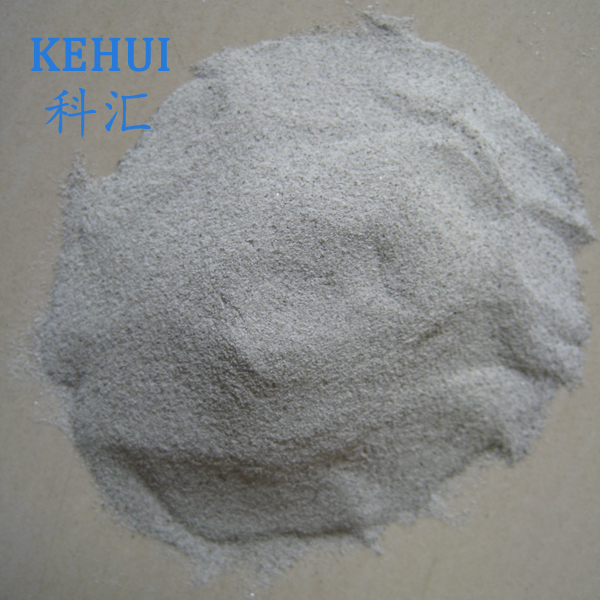
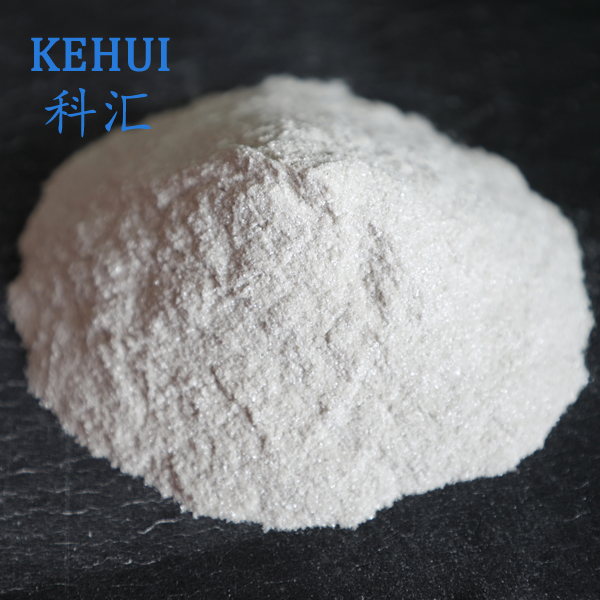
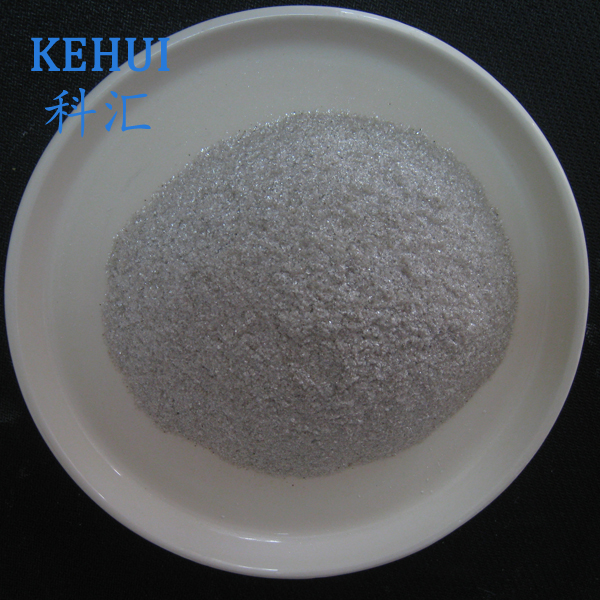
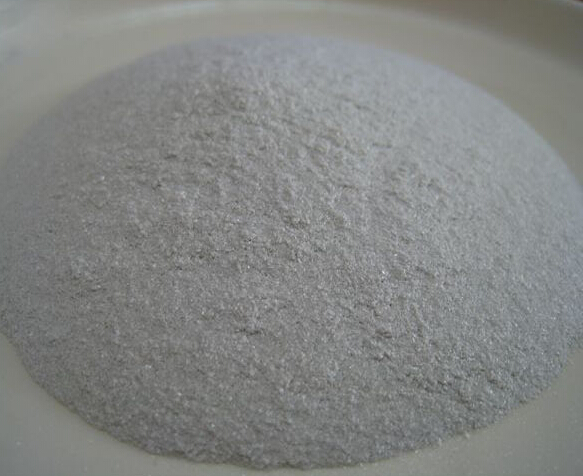
If you’ve ever wondered who actually makes the mica that ends up in anti-corrosive paints, welding rods, or oilfield mud systems, you’re not alone. I’ve spent time with processors in Hebei, and yes, the work is a lot more hands-on than glossy brochures suggest. The 40 mesh Dry Ground Muscovite Mica Powder factory I toured sits in Nanjialiang Village, Lingshou County—an area that lives and breathes mineral processing.
Why 40‑mesh? And what’s trending now
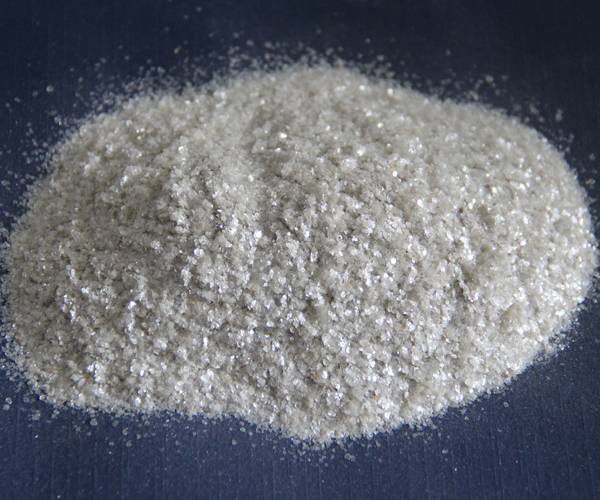
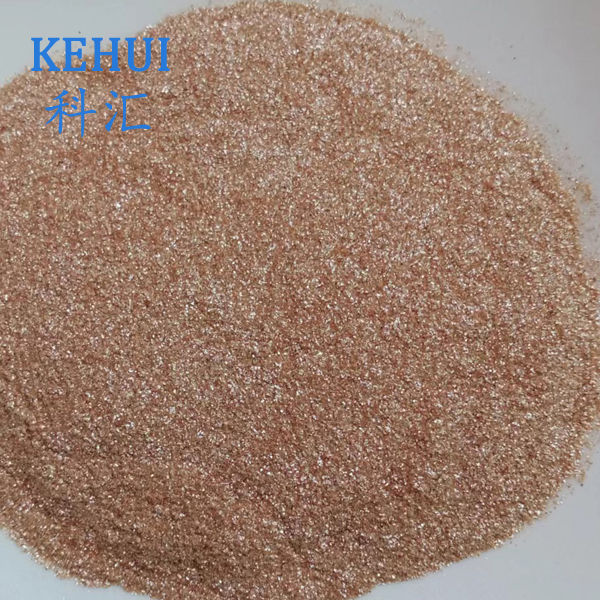
40‑mesh (≈425 µm) muscovite keeps the flake structure that designers love for barrier performance. In paint and coatings, it forms overlapping “platelets,” slowing moisture and ions. In rubber and plastics, it adds dimensional stability without killing processability. Industry trend? To be honest, tighter iron control and cleaner surfaces are the asks. Many customers say they’re shifting to low-Fe, low-moisture grades to push salt-spray hours and dielectric reliability.
From rock to flake: real process flow
- Materials: select muscovite ore (light color, low Fe) from Hebei quarries.
- Methods: dry grinding with staged hammer/mill lines; gentle to preserve flakes.
- Classification: multi-screen sieving (40‑mesh cut) with air feedback; magnetic separation to trim Fe.
- Dust control: baghouse and cyclones—cleaner powder, cleaner plant.
- Testing: ISO 3262 checks; sieve residue; moisture; whiteness; pH; trace Fe; dielectric test (ASTM D149) on pressed pellets, real-world use may vary.
- Service life: in epoxy primers, users report around 20–30% better abrasion life (ASTM D4060) and improved corrosion resistance (ASTM B117).
Typical Specifications (40‑mesh Muscovite)
| Property | Typical Value |
|---|---|
| Particle size | 40‑mesh cut (≈425 µm; D50 around 380–450 µm) |
| Sieve pass rate | ≥ 98% through 40‑mesh |
| Moisture | |
| Whiteness | ≈ 75–85 |
| pH (10% slurry) | 7–9 |
| Fe (total) | ≤ 0.5% (after magnetic step) |
| Oil absorption | 35–50 g/100 g (approx.) |
| Dielectric constant | ≈ 6–7 |
Applications: Paint coatings, rubber, plastics, welding rods, building materials, automobile composites, oil drilling fluids, lubricants. Mica—a temperature‑resistant filler that actually behaves when things get hot.
Vendor snapshot (real‑world buyer notes)
| Vendor | Origin | Certs | 40‑mesh Pass | Customization | Lead Time |
|---|---|---|---|---|---|
| KeHui (Hebei) | Nanjialiang, Lingshou | ISO 9001, REACH, RoHS | ≥ 98% | Fe‑control, surface treatment, packing | 7–12 days (around) |
| Vendor A (Domestic) | Hebei | ISO 9001 | 95–97% | Limited | 10–15 days |
| Importer B | Mixed | Varies | ≈ 95% | MOQ‑dependent | 3–6 weeks |
Customization & QC
Grades offered: 20, 40, 60, 100, 200 mesh. Surface treatment (silane or stearate) is available for plastics/rubber. Packaging: 25 kg bags or 1‑ton super sacks. Tests reference ISO 3262 for extenders and ASTM methods for coatings and electrical checks. I guess it sounds dry, but consistent sieve curves matter when you scale.
Mini case studies (field notes)
- Marine primer in Southeast Asia: swapping talc for 40 mesh Dry Ground Muscovite Mica Powder factory grade lifted B117 salt-spray from ~600 to ~800 hours at equal DFT, according to the plant QC lead.
- EPDM gasket line: users claimed easier demolding and around 8–10% shrinkage reduction after a switch to a low‑Fe 40‑mesh muscovite blend.
- Oil drilling mud: torque dropped ≈12% on a shale section when adding 3–5 ppb mica flakes; nothing fancy, just the right shape factor.
Bottom line: if you need a barrier filler that behaves under heat and shear, 40 mesh Dry Ground Muscovite Mica Powder factory output from Lingshou is a practical, supply‑secure choice.
Certifications & Standards
ISO 9001 QMS; REACH & RoHS statements available. Key references: ISO 3262‑3 (muscovite), ASTM B117, ASTM D4060, ASTM D149.
References
- ISO 3262‑3: Extenders for paints — Specifications and methods of test — Part 3: Muscovite mica.
- ASTM B117: Standard Practice for Operating Salt Spray (Fog) Apparatus.
- ASTM D4060: Standard Test Method for Abrasion Resistance of Organic Coatings by the Taber Abraser.
- ASTM D149: Standard Test Method for Dielectric Breakdown Voltage and Dielectric Strength of Solid Electrical Insulating Materials.
Latest news
-
Technical Benefits of Calcined Mica for Welding ElectrodesNewsApr.09,2026
-
Superior Calcined Mica for Electrical Insulators Applications and BenefitsNewsApr.07,2026
-
Exploring the Versatility of Calcined Mica for Decoration and Diverse ApplicationsNewsApr.04,2026
-
Exploring Calcined Mica Properties Applications and Sourcing OptionsNewsMar.31,2026
-
Exploring the Versatile Applications of Mica Flakes Powder Across IndustriesNewsMar.28,2026
-
Synthetic Mica Flakes- Kehui Mica Co.|Heat-Resistant, High WhitenessNewsMar.27,2026
-
Synthetic Mica Flakes- Kehui Mica Co.|Heat-Resistant, High WhitenessNewsMar.27,2026
Related Products