A Field Note on Lightweight Fillers: Why Cenospheres Are Back in the Spotlight
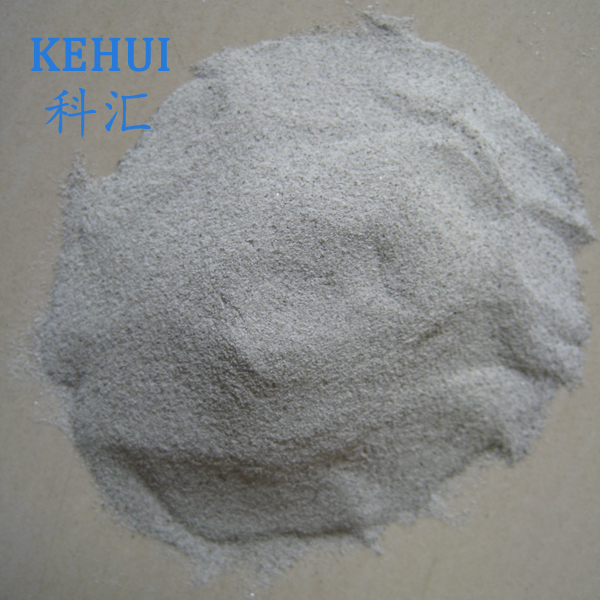
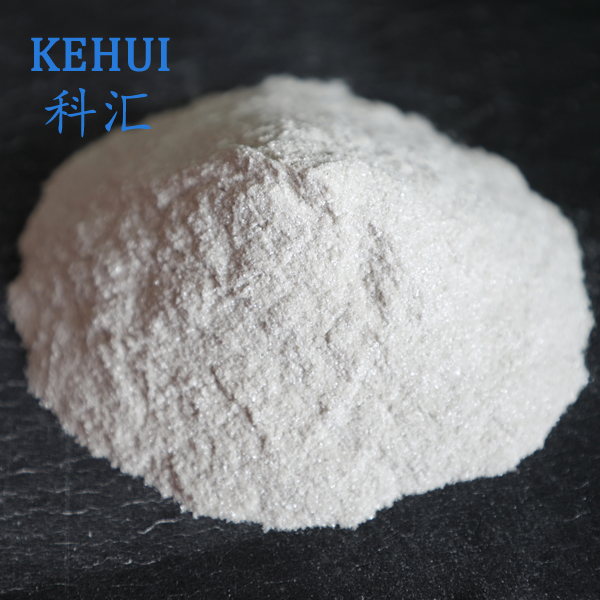
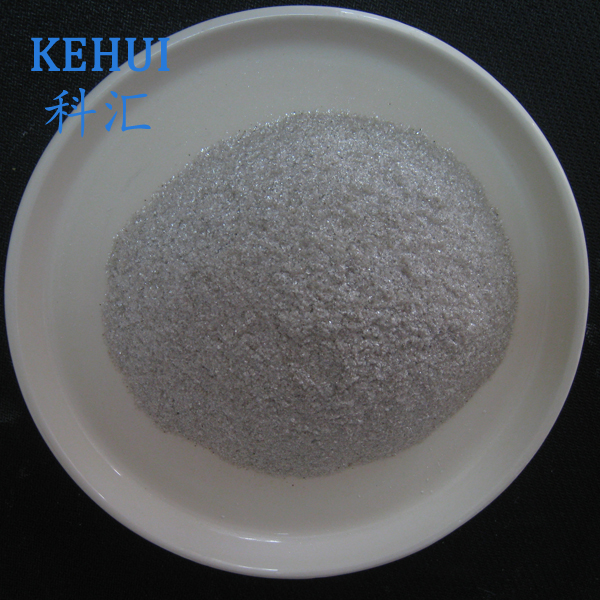
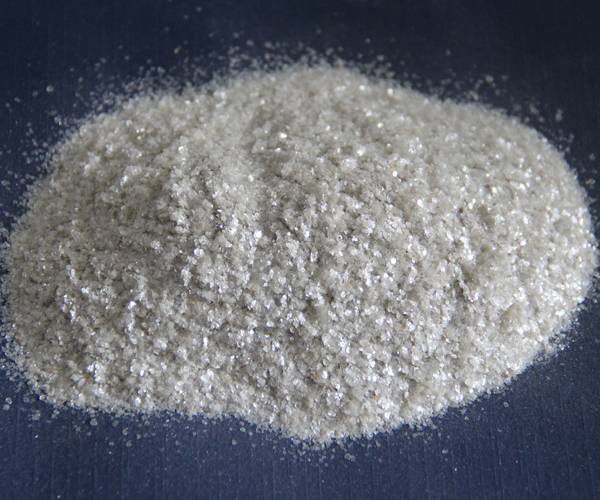
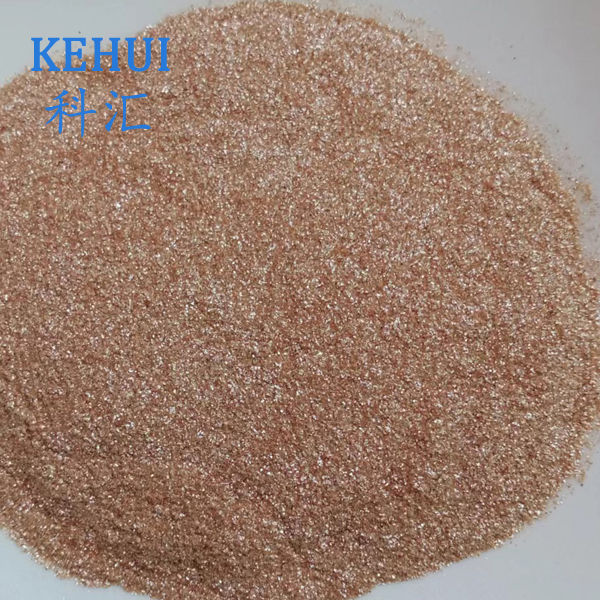
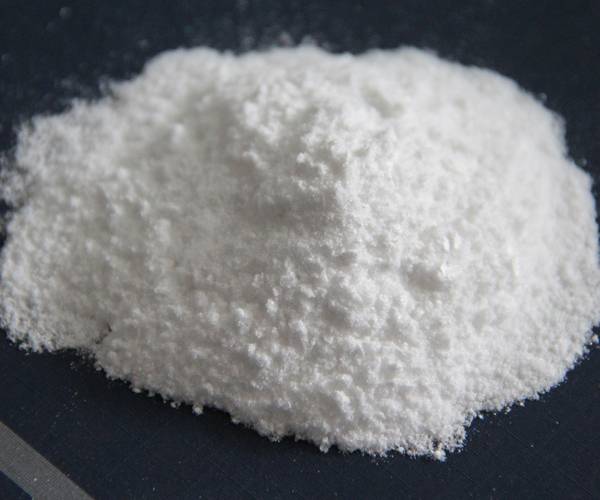
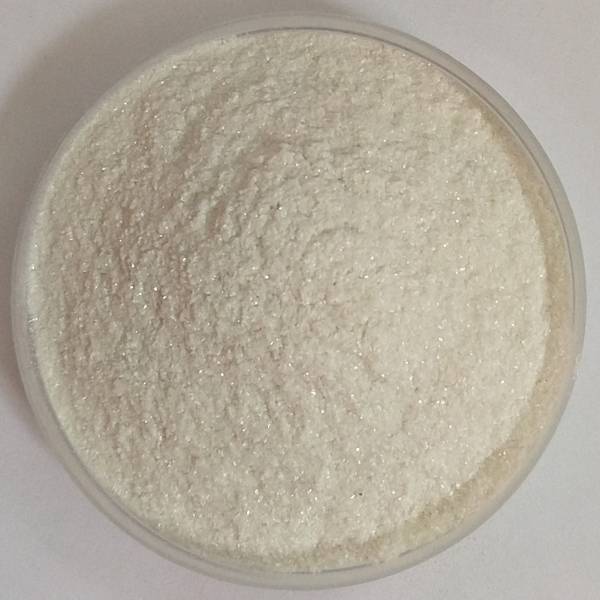
If you work in composites, cementing, or high-performance coatings, you’ve likely heard the renewed buzz around Lightweight Cenosphere Powder Ceramic Hollow Microspheres. To be honest, I wasn’t surprised. The industry’s chasing weight reduction, thermal efficiency, and lower embodied carbon; cenospheres tick all three with a fairly down-to-earth value proposition.
Quick context and origin
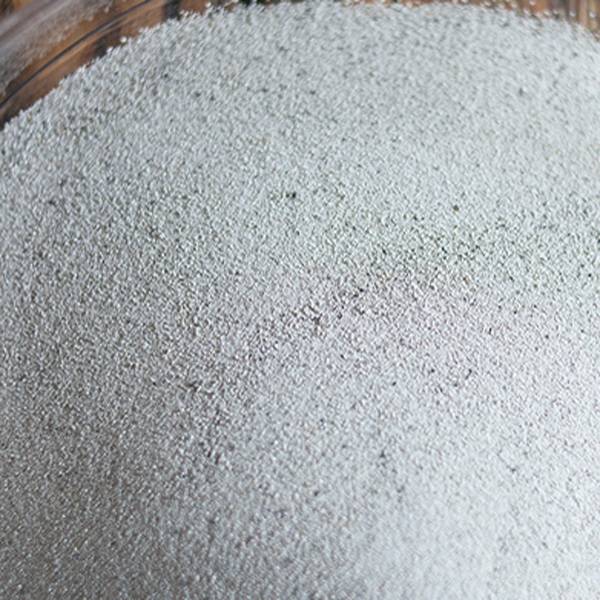
These ceramic, hollow alumino-silicate spheres are sifted from fly-ash streams and refined. The batch I inspected recently came from Nanjialiang Village, Lingshou County, Shijiazhuang, Hebei, China—an area that, frankly, has gotten very good at consistent grading and post-treatment. Many customers say the flow and cleanliness are better than they expected at this price point.
Product snapshot and key specs
| Density (true) | ≈0.35–0.45 g/cc (ISO 12154) |
| Available sizes | ≈100, 150, 300, 500, 210–850 μm cuts (real-world sieving may vary) |
| Crush resistance | Up to ≈25–35 MPa equivalent (ISO 13503-2 analog) |
| Thermal stability | ≥1100°C short-term; low thermal conductivity (ASTM E1461) |
| Oil absorption (DBP) | ≈18–28 g/100 g (ASTM D281) |
| Bulk density | ≈0.20–0.35 g/cc (ISO 3923-1) |
| Certifications | Supplier claims ISO 9001; REACH prereg where applicable |
Process flow (how it’s made, briefly)
Materials: alumino-silicate hollow spheres from refined fly ash. Methods: wet floatation, magnetic separation, de-dusting, calcination/conditioning, precise sieving, optional silane or hydrophobic surface treatment. Testing: density (ISO 12154), particle size (ISO 13320), crush (ISO 13503-2), oil absorption (ASTM D281), thermal (ASTM E1461), chemical resistance (ASTM C267). Service life: in cementitious and polymer matrices often 10–25 years, depending on exposure and binder chemistry.
Where they shine (use cases)
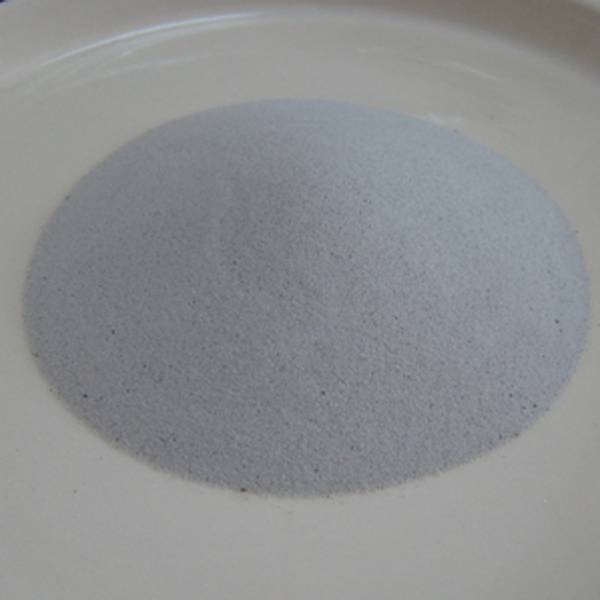
- Lightweight concrete/grouts and oil-well cementing (API/ISO cement protocols); reduced slurry density, better thermal insulation.
- Polymer compounding (PP, PA, epoxy syntactic foams): lighter parts, lower sink marks.
- Protective and marine coatings: improved sandability, lower VOC via higher solids, decent abrasion resistance.
- Refractory castables/insulation panels: stable voids, lower k-value.
Field feedback: one composites producer told me they shaved ~18% weight while keeping compressive strength within +3% of baseline. In cementing, I’ve seen density drop from 1.95 to 1.55 g/cc with acceptable rheology after minor dispersant tweaks.
Real-world performance data (indicative)
In epoxy syntactic panels with Lightweight Cenosphere Powder Ceramic Hollow Microspheres at 30 vol%: weight ≈22%, thermal conductivity ≈25%, compressive strength ≈+5% vs. talc-filled control. In G-level well cement: density 1.55 g/cc, thickening time ~2.5 h at 80°C (API schedule), 24 h UCS ≈12–14 MPa—your additives will nudge this.
Vendor snapshot (informal comparison)
| Vendor | Origin | Density (g/cc) | Sizes | Certs | Lead time |
|---|---|---|---|---|---|
| Kehuimica (Lightweight Cenosphere Powder Ceramic Hollow Microspheres) | Hebei, China | ≈0.35–0.45 | 100–850 μm cuts | ISO 9001 (claimed) | ≈2–3 weeks ex-works |
| Vendor A | India | ≈0.40–0.55 | 150–600 μm | ISO 9001 | 3–5 weeks |
| Vendor B | SEA | ≈0.38–0.50 | 200–800 μm | ISO 9001/REACH | 4–6 weeks |
Customization tips
Ask for tight cuts (e.g., 250–350 μm) for smoother polymer finishes; hydrophobic or silane-treated grades for epoxy/PU; pre-dried lots for cementing. Packaging in multi-layer bags or FIBCs with liner helps; moisture can be a pain in the neck.
Case notes
- Lightweight render: 12% mass reduction, trowelability improved; minor color shift corrected with TiO2.
- Marine syntactic foam: buoyancy up ≈15%, thermal cycling stable after 300 cycles from −20 to 80°C.
References
- ISO 12154:2014 – Determination of density of solids by gas pycnometer (helium).
- ISO 13320:2020 – Particle size analysis by laser diffraction methods.
- ISO 13503-2 – Measurement of properties of proppants used in hydraulic fracturing (crush resistance analogy).
- API Spec 10A / ISO 10426-2 – Well cement testing; density and thickening time guidance.
Latest news
-
Global Analysis and Trends of the Calcined Mica Flakes MarketNewsApr.16,2026
-
Technical Benefits of Calcined Mica for Welding ElectrodesNewsApr.09,2026
-
Superior Calcined Mica for Electrical Insulators Applications and BenefitsNewsApr.07,2026
-
Exploring the Versatility of Calcined Mica for Decoration and Diverse ApplicationsNewsApr.04,2026
-
Exploring Calcined Mica Properties Applications and Sourcing OptionsNewsMar.31,2026
-
Exploring the Versatile Applications of Mica Flakes Powder Across IndustriesNewsMar.28,2026
-
Comprehensive Guide to 100 Mesh Mica Powder Applications and Industrial BenefitsNewsMar.26,2026
Related Products