Mar . 17, 2026 02:35
Back to list
Comprehensive Guide to Mica Powder Price Factors and Market Trends
Understanding Mica Powder Price: A Comprehensive Guide
Mica powder is a versatile material gaining popularity across various industries, from cosmetics and paints to plastics and automotive. Understanding the factors influencing mica powder price is crucial for informed purchasing decisions. This article will delve into the intricacies of mica powder pricing, covering types, grades, market trends, and supplier considerations. Whether you’re a small business owner or a large-scale manufacturer, this guide will provide valuable insights to help you navigate the mica market effectively.
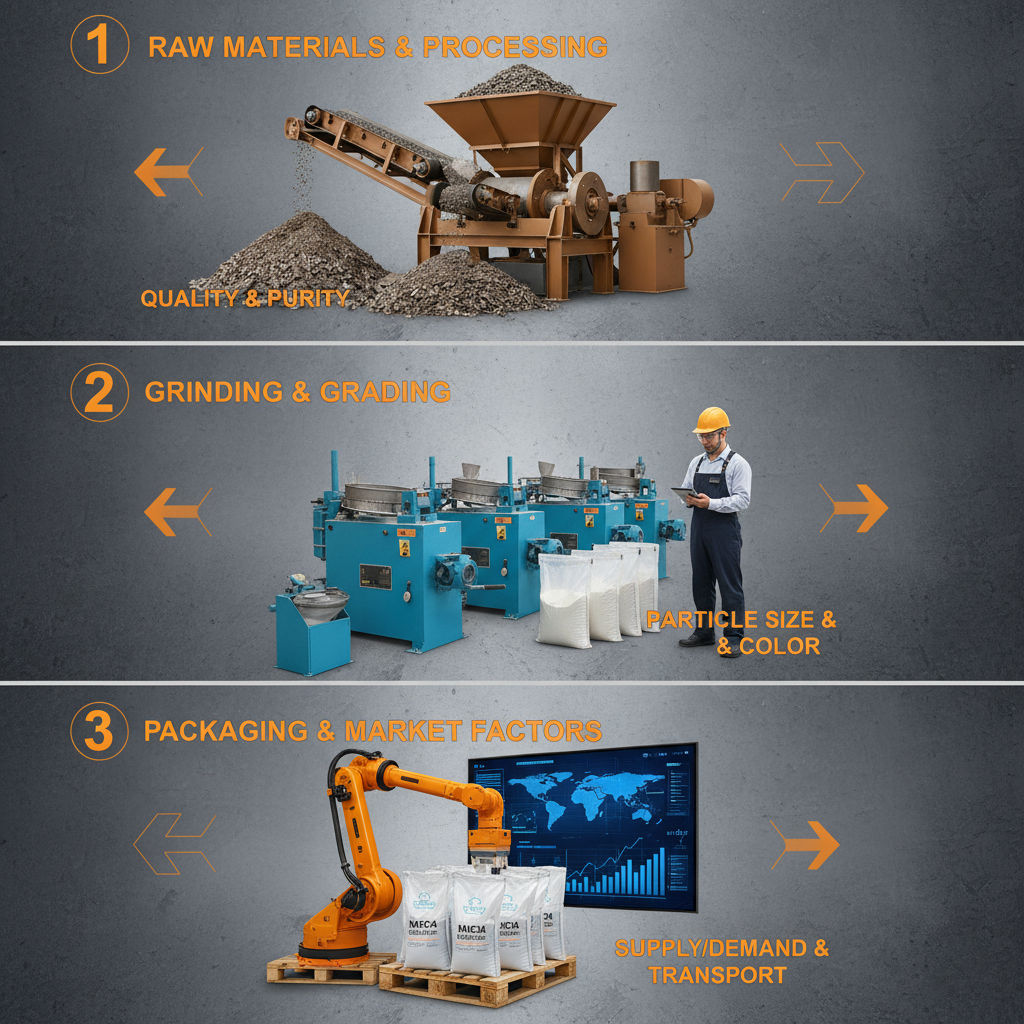
What Influences Mica Powder Price?
Several factors contribute to the cost of mica powder. The type of mica – whether it’s natural mica, synthetic mica (fluorphlogopite), or sericite – is a primary driver. Synthetic mica generally commands a higher price due to its purity and consistent particle size. The grade of the mica, determined by particle size, color consistency, and purity, also significantly impacts the price. Finer particle sizes and higher purity levels typically result in higher costs. Furthermore, market demand, supply chain logistics, and geopolitical factors all play a role in price fluctuations.
Key Highlights: Price is determined by type, grade, purity, and market factors.
Types of Mica Powder and Their Price Points
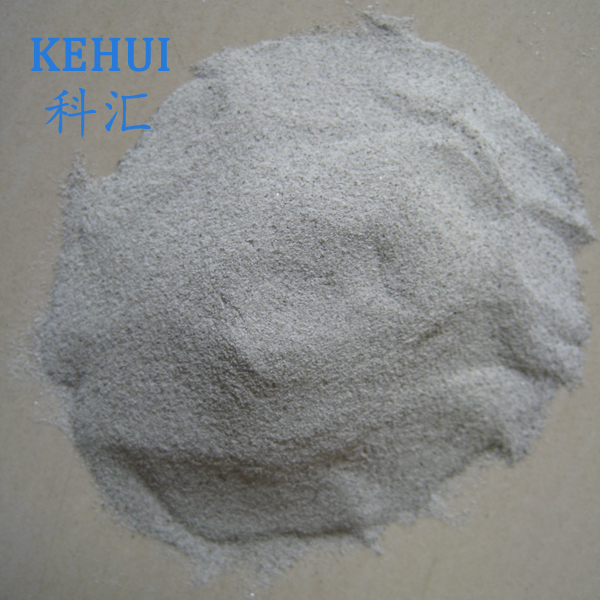
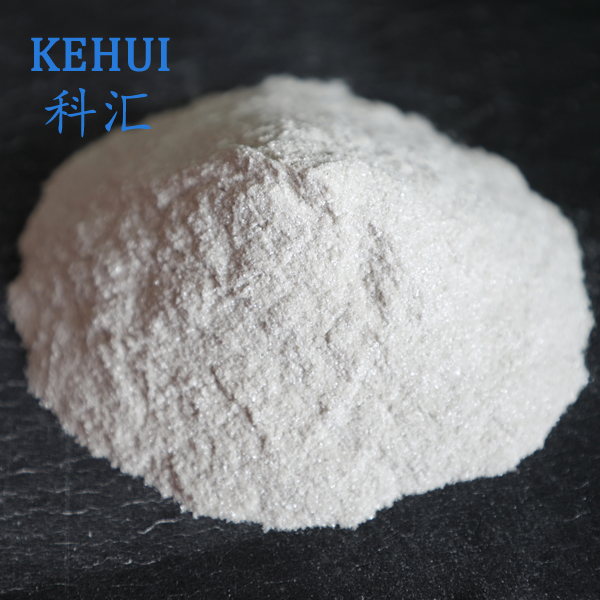
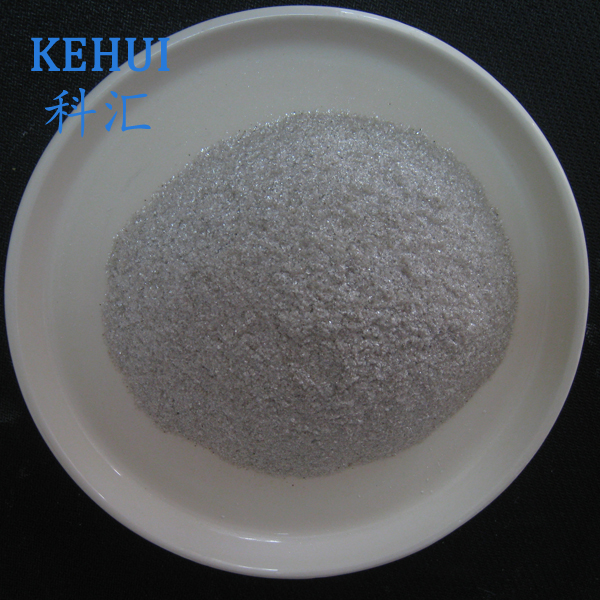
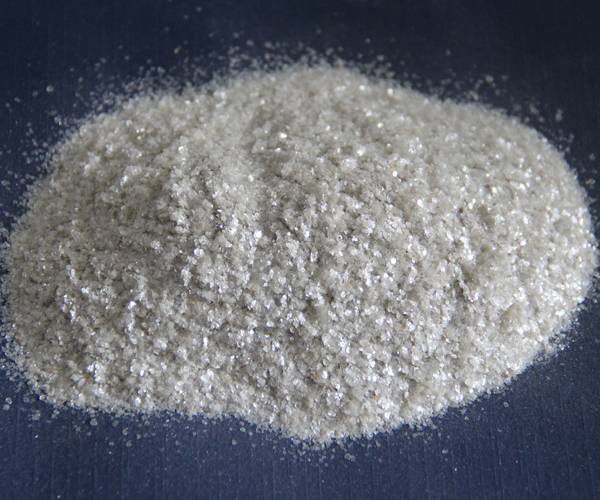
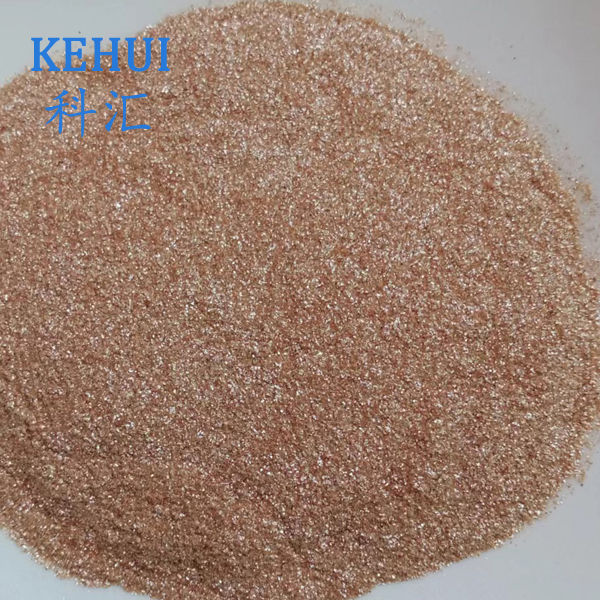
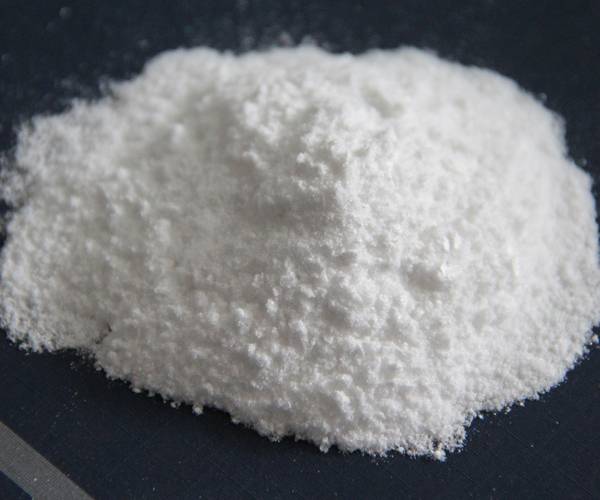
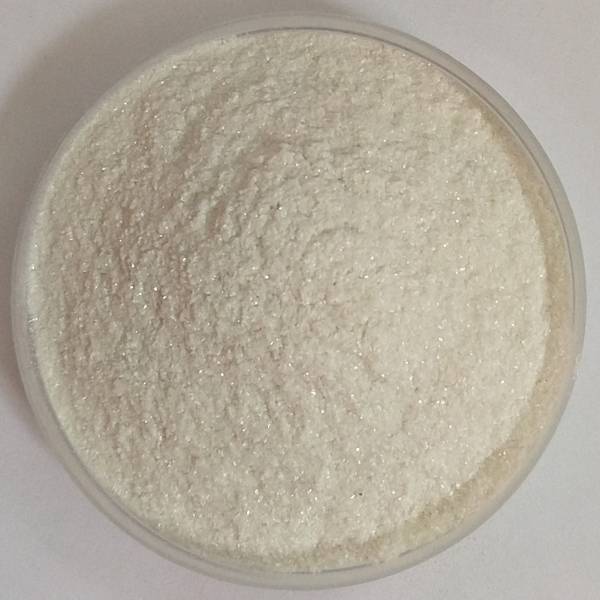
Different types of mica powder are available, each with unique properties and corresponding price points. Natural mica, such as muscovite and phlogopite, is the most affordable option. Synthetic mica, fluorphlogopite, is more expensive due to its consistent quality and chemical inertness. Sericite, a fine-grained mica, falls somewhere in between. The specific color or effect also impacts the price, with pearlescent and iridescent powders typically costing more than natural shades. For applications requiring exceptional purity and consistency, synthetic mica is often the preferred choice, despite the higher cost.
Mica Powder Types & Price Range (USD/kg):
• Natural Mica (Muscovite/Phlogopite): $2 - $10
• Sericite: $5 - $15
• Synthetic Mica (Fluorphlogopite): $15 - $40+
Note: Prices are approximate and can vary.
Mica Powder Price Comparison: Natural vs. Synthetic
The choice between natural and synthetic mica often comes down to balancing cost and performance. Natural mica is a cost-effective option for applications where absolute purity and consistency aren’t critical. However, synthetic mica offers several advantages, including a brighter pearlescent effect, better chemical resistance, and a more uniform particle size distribution. While the initial investment for synthetic mica is higher, its superior performance can lead to cost savings in the long run, particularly in applications requiring high-quality results.
Finding a Reliable Mica Powder Supplier
Choosing the right supplier is paramount to securing competitive mica powder prices and consistent quality. Look for suppliers with a proven track record, certifications (like ISO 9001), and a commitment to sustainability. Consider factors like minimum order quantities, shipping costs, and lead times. Kehui Mica offers a wide range of mica powders, competitive pricing, and excellent customer service.
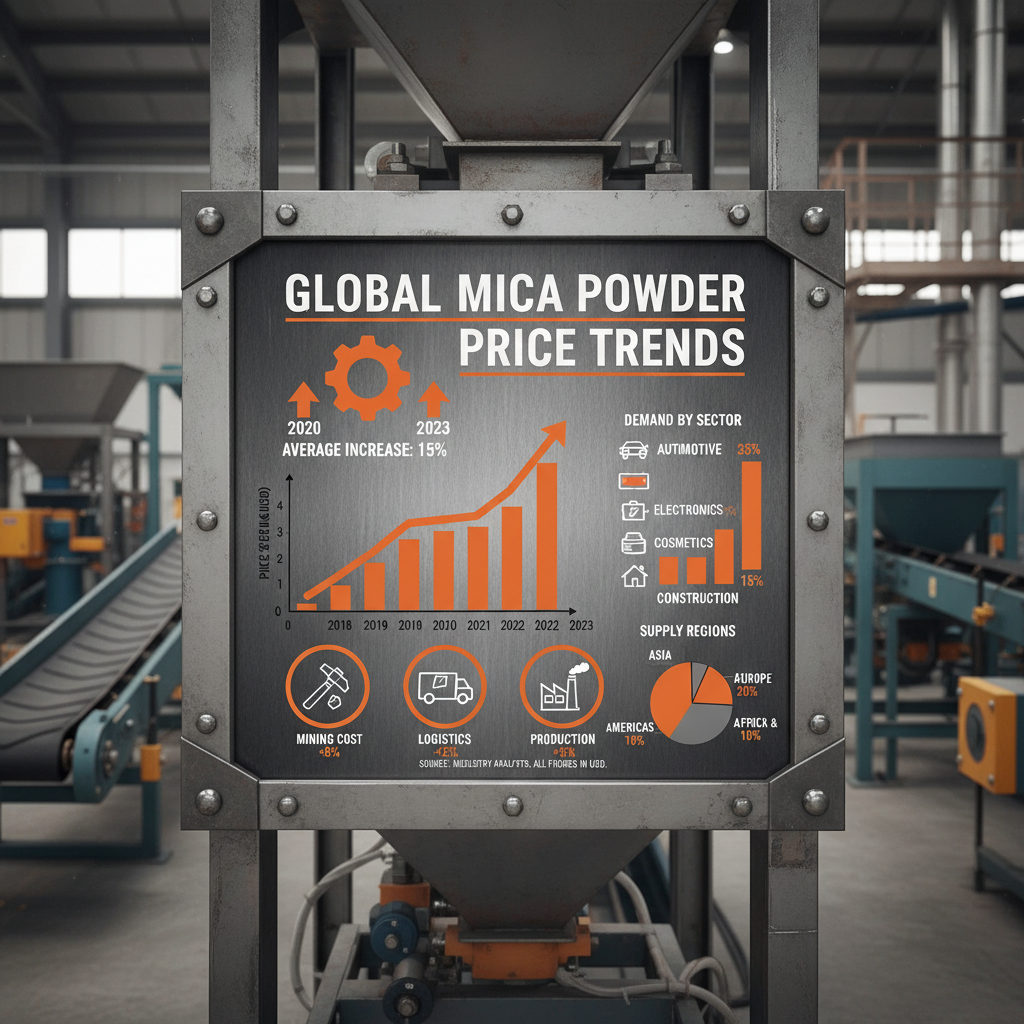
Factors to Consider When Evaluating Suppliers
When evaluating potential mica powder suppliers, consider their ability to meet your specific requirements. Do they offer the type and grade of mica you need? What are their quality control procedures? Can they provide samples for testing? Furthermore, assess their supply chain reliability and their commitment to ethical sourcing practices. A reputable supplier will be transparent about their processes and willing to address your concerns.
Conclusion: Navigating Mica Powder Pricing
Understanding the factors that influence mica powder price is essential for making informed purchasing decisions. By considering the type, grade, and supplier reputation, you can secure high-quality mica powder at a competitive price. Remember to prioritize reliability and transparency when choosing a supplier to ensure a consistent and dependable supply chain.
Frequently Asked Questions (FAQs)
What is the minimum order quantity (MOQ) for mica powder?
The MOQ varies significantly depending on the supplier and the type of mica powder. Some suppliers cater to small businesses and offer relatively low MOQs, while others focus on large-scale orders. Generally, MOQs range from 1kg to 500kg. It’s important to inquire about the MOQ before placing an order to ensure it aligns with your needs. Kehui Mica offers flexible MOQs to accommodate diverse customer requirements.
How long does it take to receive a mica powder order?
Lead times can vary depending on the supplier's location, production capacity, and shipping methods. Typically, it takes between 3 to 10 business days to receive a mica powder order after it has been processed. International orders may take longer due to customs clearance and shipping distances. Confirm the estimated delivery time with your supplier before placing your order.
What are the typical applications of mica powder?
Mica powder has a wide range of applications, including cosmetics (foundations, eyeshadows, lipsticks), paints and coatings, plastics, rubber, electronics, and automotive industries. It's used as a filler, extender, and pigment to enhance properties like opacity, luster, and durability. In cosmetics, it provides a shimmering effect and improves product texture. In industrial applications, it offers excellent electrical insulation and thermal stability.
Is mica ethically sourced?
Ethical sourcing of mica is a growing concern, particularly regarding child labor in certain regions. Reputable suppliers prioritize ethical sourcing practices and ensure that their mica is mined responsibly. Look for suppliers who are transparent about their supply chain and committed to fair labor standards.
Next:
Latest news
-
Technical Benefits of Calcined Mica for Welding ElectrodesNewsApr.09,2026
-
Superior Calcined Mica for Electrical Insulators Applications and BenefitsNewsApr.07,2026
-
Exploring the Versatility of Calcined Mica for Decoration and Diverse ApplicationsNewsApr.04,2026
-
Exploring Calcined Mica Properties Applications and Sourcing OptionsNewsMar.31,2026
-
Exploring the Versatile Applications of Mica Flakes Powder Across IndustriesNewsMar.28,2026
-
Synthetic Mica Flakes- Kehui Mica Co.|Heat-Resistant, High WhitenessNewsMar.27,2026
-
Synthetic Mica Flakes- Kehui Mica Co.|Heat-Resistant, High WhitenessNewsMar.27,2026
Related Products