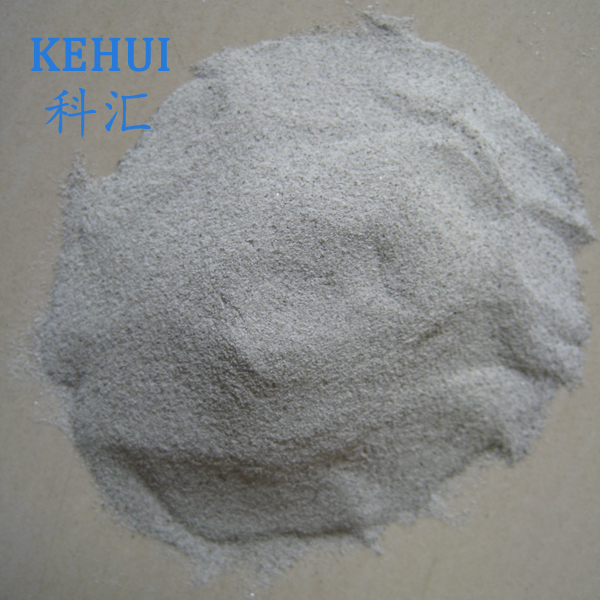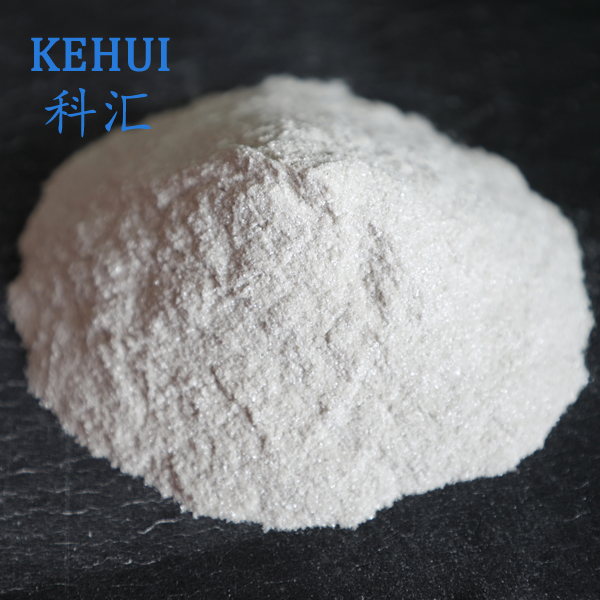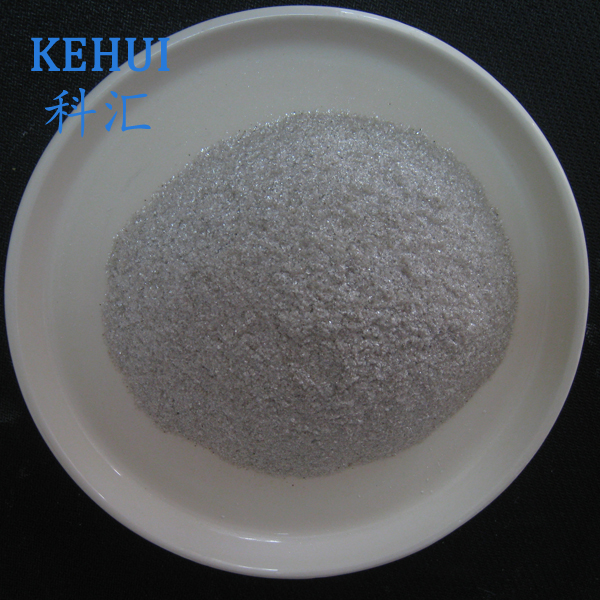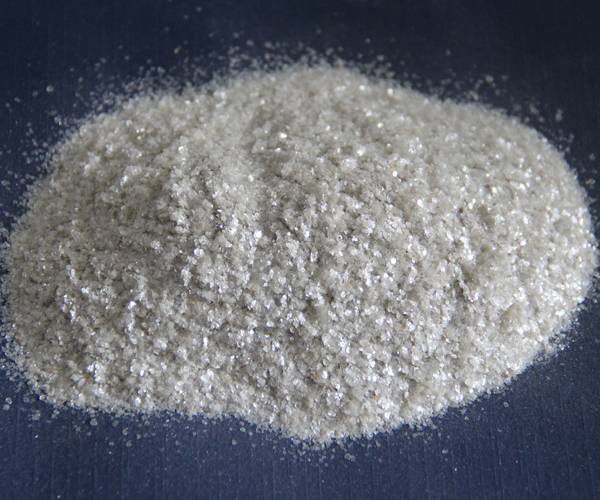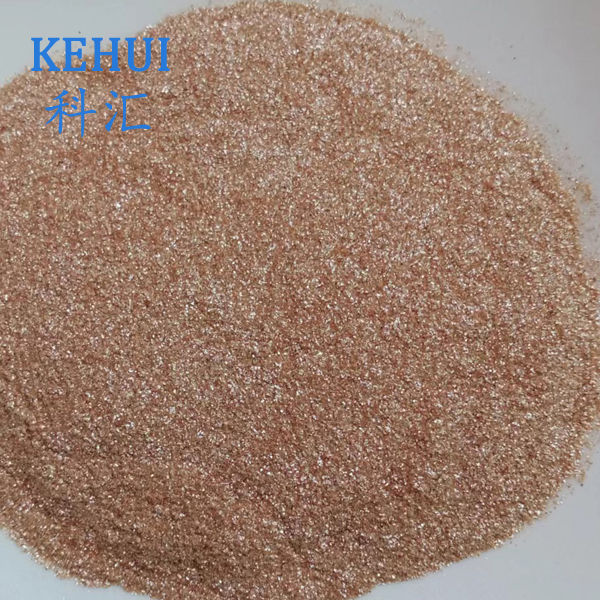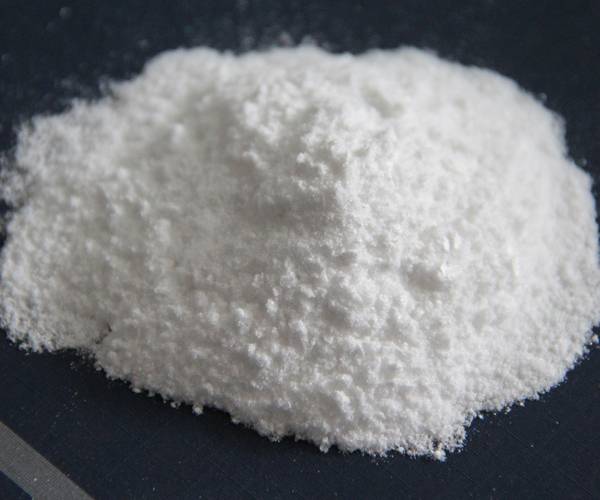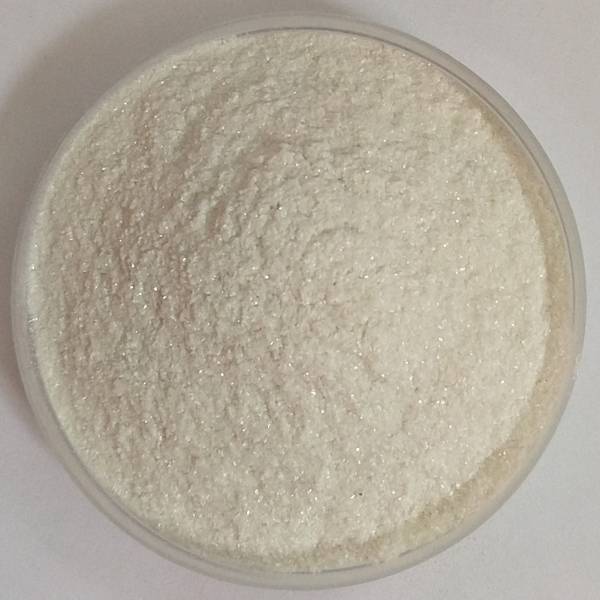
Global Insights into the Calcined Mica Flakes Market
The industrial demand for high-performance insulating materials has led to a significant surge in the calcined mica flakes market. Calcined mica, produced through the thermal treatment of natural mica, offers superior thermal stability, dielectric strength, and chemical resistance compared to its raw counterpart. As modern electronics and automotive industries push for smaller, more heat-resistant components, the strategic importance of processed mica has never been higher. In this comprehensive guide, we will explore the market dynamics, technical specifications, and the diverse industrial applications that drive the growth of this essential mineral product.
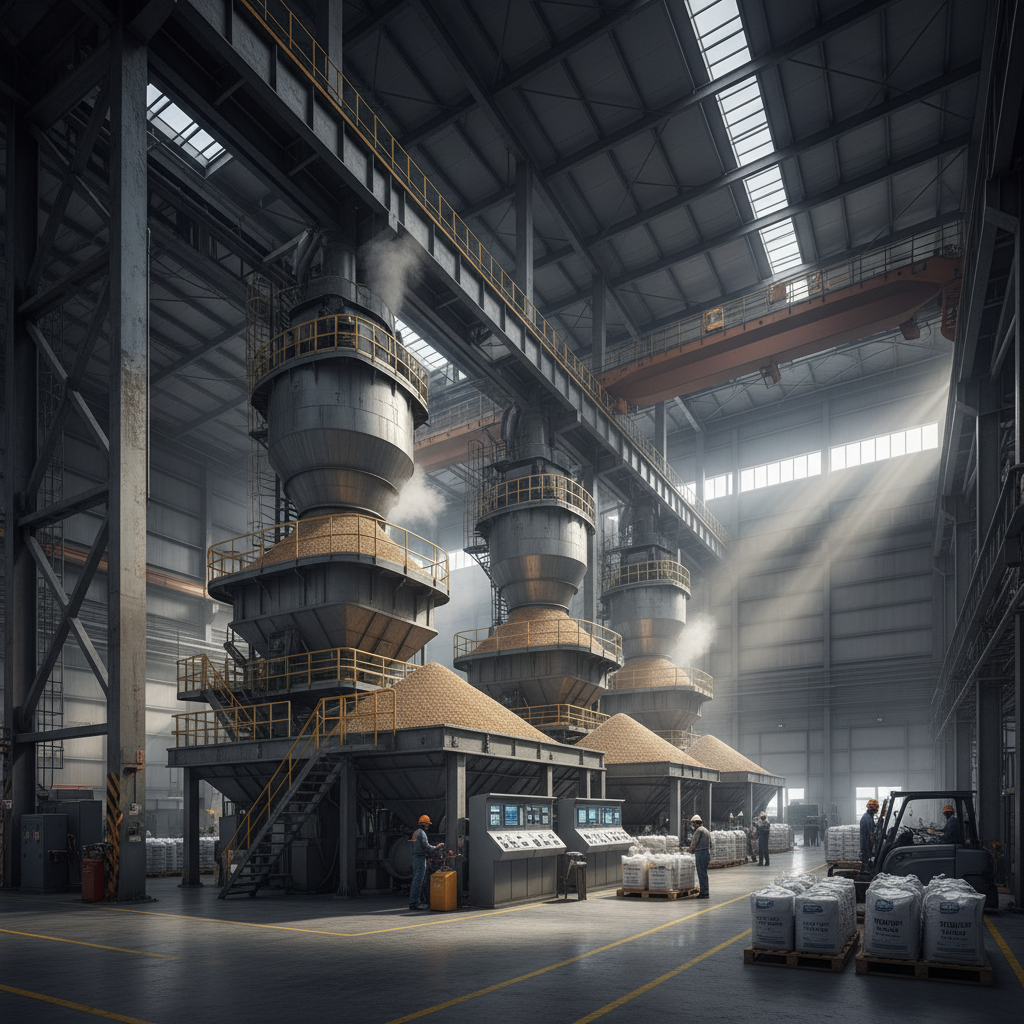
The Production Process and Value Addition
The transformation of raw mica into high-value flakes involves a precise calcination process. By heating the mineral to specific high temperatures, volatile impurities are removed, and the crystalline structure is stabilized. This process enhances the material's ability to withstand extreme heat without decomposing. For procurement managers in the calcined mica flakes market, understanding this thermal treatment is key to ensuring the product meets the rigorous safety standards required for electrical insulation and high-temperature gaskets.
Industrial Tip: The precise temperature control during calcination determines the final flake size and purity, directly impacting the dielectric breakdown voltage of the finished composite material.
Key Drivers of the Calcined Mica Flakes Market
Several factors are propelling the growth of this sector. First, the transition to Electric Vehicles (EVs) requires battery housings and power electronics that can handle high thermal loads. Second, the expansion of 5G infrastructure necessitates materials with low signal loss and high heat dissipation. Consequently, manufacturers are shifting toward calcined varieties to achieve these performance benchmarks. The calcined mica flakes market is therefore closely linked to the evolution of green energy and telecommunications technology.
Comparative Analysis: Raw Mica vs. Calcined Mica
When selecting a material for industrial application, it is crucial to compare the properties of raw and calcined versions. While raw mica is cost-effective for basic fillers, calcined mica is indispensable for environments where thermal shock and chemical degradation are risks. The following table highlights why the calcined mica flakes market is preferred for high-end engineering applications.
Diverse Applications Across Modern Industry
The utility of these flakes extends far beyond simple insulation. In the automotive sector, they are used in high-temperature brake pads and clutch linings. In the chemical industry, they serve as a reinforcement agent in corrosion-resistant coatings. Because of their unique plate-like structure, they create a "labyrinth effect" that prevents moisture and gases from penetrating through polymers. This versatility ensures that the calcined mica flakes market remains resilient across multiple economic sectors.
Technical Specifications for Quality Assurance
To maintain consistency in high-precision manufacturing, the calcined mica flakes market adheres to strict quality parameters. Factors such as particle size distribution (PSD), loss on ignition (LOI), and Fe2O3 content are critical metrics. Buyers must ensure that the flakes provided maintain a consistent aspect ratio to ensure optimal reinforcement in composite materials. Below is a typical specification sheet for industrial-grade calcined mica.
Conclusion: Navigating the Future of Mica Solutions
As the world moves toward higher energy efficiency and extreme environment engineering, the calcined mica flakes market is poised for steady expansion. By integrating superior thermal stability with unmatched dielectric properties, calcined mica remains the gold standard for critical insulation. For businesses looking to enhance product durability and safety, partnering with a professional supplier is the first step toward innovation. Invest in quality, ensure compliance, and leverage the power of processed minerals for your next project.
Frequently Asked Questions (FAQs)
What is the primary difference between raw and calcined mica flakes?
The primary difference lies in the thermal processing. Raw mica contains natural moisture and organic volatiles that can release gases when heated, potentially causing voids or bubbles in a composite material. Calcined mica has undergone a high-temperature firing process that removes these impurities. This results in a product with significantly higher thermal stability, improved purity, and a more consistent crystalline structure, making it ideal for the high-precision requirements of the calcined mica flakes market.
In which industries is calcined mica most commonly used?
Calcined mica is widely used in industries where heat and electricity intersect. This includes the automotive industry (for EV battery thermal management and brake systems), the aerospace sector (for high-temperature insulation), and the electronics industry (for capacitors and semiconductor packaging). Additionally, it is used in the production of specialized paints and coatings to provide a barrier against chemical corrosion and moisture penetration, ensuring long-term structural integrity in harsh environments.
How do I choose the right particle size for my application?
Selecting the correct particle size depends on the desired outcome of your composite. Larger flakes provide a better "barrier effect" and are excellent for thermal insulation and moisture resistance. Smaller, micronized flakes are better for achieving a smooth surface finish and improving the mechanical strength of the resin matrix. We recommend analyzing your material's viscosity and the final product's thickness before ordering from the calcined mica flakes market to ensure optimal compatibility.
Is calcined mica environmentally sustainable?
Mica is a naturally occurring mineral, and the calcination process is a physical thermal treatment rather than a complex chemical synthesis, which reduces the production of hazardous waste. Furthermore, by increasing the lifespan of industrial components and enabling the efficiency of electric vehicles, calcined mica contributes to overall energy sustainability. Many suppliers in the modern market are also implementing energy-efficient kilns to reduce the carbon footprint of the calcination process.
Prev:
This is the first article
Latest news
-
Technical Benefits of Calcined Mica for Welding ElectrodesNewsApr.09,2026
-
Superior Calcined Mica for Electrical Insulators Applications and BenefitsNewsApr.07,2026
-
Exploring the Versatility of Calcined Mica for Decoration and Diverse ApplicationsNewsApr.04,2026
-
Exploring Calcined Mica Properties Applications and Sourcing OptionsNewsMar.31,2026
-
Exploring the Versatile Applications of Mica Flakes Powder Across IndustriesNewsMar.28,2026
-
Synthetic Mica Flakes- Kehui Mica Co.|Heat-Resistant, High WhitenessNewsMar.27,2026
-
Synthetic Mica Flakes- Kehui Mica Co.|Heat-Resistant, High WhitenessNewsMar.27,2026
Related Products