Perlite Plaster: What It Is and Why It Matters Globally
Perlite plaster isn’t just another construction material—it’s a fascinating blend of natural volcanic glass and modern innovation, offering a lightweight, insulating, and fire-resistant option for construction worldwide. Understanding perlite plaster is vital not only because it enhances building performance but also because it plays a meaningful role in sustainability and energy efficiency initiatives that are shaping our built environments globally.
Introduction: The Global Context of Perlite Plaster
In an era when building materials need to meet both ecological and structural demands, perlite plaster stands out. According to the United Nations Environment Programme, the construction sector accounts for nearly 39% of global carbon emissions—a hefty statistic that pushes the industry toward greener solutions. Perlite plaster addresses multiple challenges: reducing heat loss, improving fire safety, and minimizing raw material consumption thanks to its lightness and insulation properties.
However, many regions struggle with high energy costs and harsh climates where traditional materials prove inefficient or costly. This grey area is precisely where perlite plaster is gaining traction, especially in emerging markets and post-disaster rebuilding projects.
Definition & Meaning of Perlite Plaster
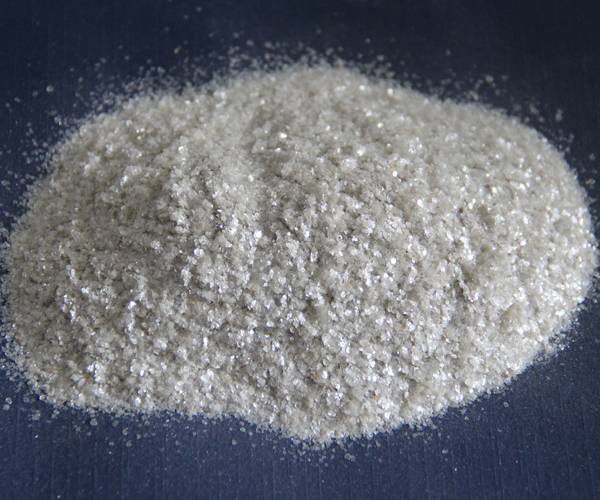
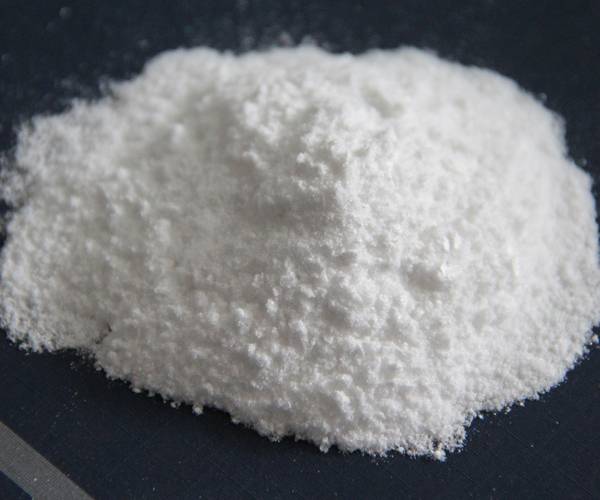
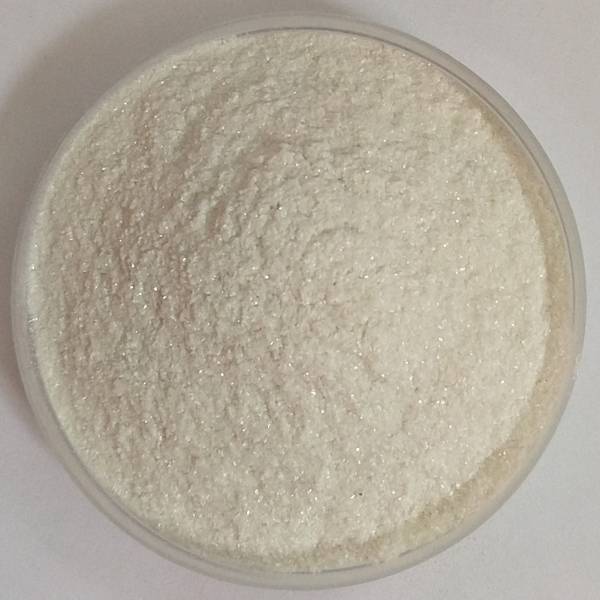
Simply put, perlite plaster is a lightweight plaster that incorporates expanded perlite particles into a cement or gypsum base. Perlite itself is a form of volcanic glass that, when heated, expands dramatically and becomes porous. This expanded perlite is what gives perlite plaster its remarkable insulation and fire-resistance qualities.
This material bridges traditional plaster’s protective coating role with the demands of thermal insulation and environmental responsibility—an increasingly valuable combination as building standards evolve globally.
Key Factors in Perlite Plaster
Durability
Though lightweight, perlite plaster doesn’t skimp on durability. Its cellular structure absorbs shocks and reduces cracking compared to conventional plasters. This means longer-lasting finishes and lower maintenance costs for buildings.
Scalability
The natural abundance of perlite and efficient manufacturing processes ensure that perlite plaster can be produced at scale to meet growing global demands—from urban centers to remote communities.
Cost Efficiency
Perlite plaster can be mixed on-site or pre-mixed, reducing transport costs and waste. While initial unit price might appear slightly higher, its long-term savings on heating or cooling bills and repairs pays off.
Fire Resistance
Expanded perlite’s inherent fire-retardant properties contribute to safer buildings, a feature crucial for densely populated areas or factories handling flammable materials.
Thermal Insulation
One of perlite plaster’s killer features is thermal insulation. It slows heat transfer, reducing energy needed to heat or cool a space—perfect for both hot and cold climates.
Eco-Friendliness
Since it's made from natural volcanic glass and typically involves minimal chemical additives, perlite plaster is a greener alternative to synthetic insulation materials. It also contributes to healthier indoor air quality by being mold-resistant and non-toxic.
Mini takeaway: Perlite plaster’s combination of durability, insulation, and fire resistance makes it highly versatile across different construction scenarios.
Global Applications & Use Cases of Perlite Plaster
Across continents, perlite plaster is finding compelling applications:
- Post-disaster housing: In earthquake-prone regions like Turkey and Nepal, perlite plaster is used to quickly rebuild insulated, fire-safe homes that are lighter and easier to assemble.
- Industrial warehouses in North America: The fire-resistant and insulating properties reduce insurance costs and maintain climate control efficiently.
- Energy-saving retrofits in Europe: Historic buildings get upgraded with thin layers of perlite plaster to improve thermal performance without altering facades.
- Remote mining operations in Australia: Perlite plaster helps maintain stable indoor temperatures in extreme conditions where energy is limited.
Oddly enough, even humanitarian organizations have started recommending perlite-based plasters when rapid deployment with improved comfort is necessary.
Advantages & Long-Term Value
So, why do engineers and architects consistently choose perlite plaster? First, it offers tangible cost savings through reduced energy consumption and maintenance. Second, it carries social value: safer, more comfortable homes foster dignity and well-being, especially where resources are scarce.
On a more emotional note, many users report that perlite plastered walls feel “warmer” or “calmer” to live in, something not easily quantified but absolutely real.
Product Specification Table: Typical Perlite Plaster
| Property | Value | Unit |
|---|---|---|
| Density | 350–600 | kg/m³ |
| Thermal Conductivity (λ) | 0.09–0.13 | W/(m·K) |
| Compressive Strength | 1.5–3.5 | MPa |
| Fire Resistance | Class A1 | Euroclass |
Vendor Comparison Table: Leading Perlite Plaster Suppliers
| Vendor | Price per m² | Product Range | Availability | Customization |
|---|---|---|---|---|
| Kehuimica | $12–$18 | Standard & high-performance mixes | Global | Yes (color & texture) |
| PerliteCo | $10–$15 | Basic thermal plasters | North America & Europe | Limited |
| EcoBuild Solutions | $14–$20 | Green-certified plasters | Europe & Asia | Extensive |
Future Trends & Innovations
The future of perlite plaster seems tightly linked to sustainability and digitalization. Researchers are incorporating nano-materials to enhance insulation and durability without adding weight. Meanwhile, perlite plaster blends optimized for 3D printing are also emerging, promising quicker onsite fabrication with less waste.
Policy-wise, stricter building codes emphasizing energy efficiency may popularize perlite plaster further. Oddly enough, this traditional volcanic material might just usher in a new era of smart, eco-friendly construction.
Challenges & Practical Solutions
One challenge is that perlite plaster requires careful mixing and application techniques—too much water or poor curing can lead to cracking or reduced performance. In remote or underdeveloped areas, lack of skilled labor adds an obstacle.
Innovative training programs and pre-packaged mixes with additives that improve workability are helping overcome these issues. Plus, partnerships with local producers shorten supply chains, lowering costs and supporting communities.
FAQ: Frequently Asked Questions About Perlite Plaster
- Q: How does perlite plaster improve building insulation compared to traditional plaster?
A: Perlite plaster’s expanded volcanic glass particles trap air, which lowers thermal conductivity significantly versus traditional sand-based plasters. This means buildings stay warmer in winter and cooler in summer, reducing energy use. - Q: Is perlite plaster suitable for humid environments?
A: Yes, because perlite plaster is porous yet resistive to moisture, it helps regulate humidity without encouraging mold growth, making it ideal for humid climates or bathrooms. - Q: Can perlite plaster be used on both interior and exterior walls?
A: Absolutely, it’s versatile enough for both; exterior applications benefit from its fire resistance and insulation, while interiors gain improved acoustics and aesthetic finishes. - Q: How long does perlite plaster typically last?
A: When properly applied and maintained, perlite plaster can last for decades, often matching or exceeding the lifespan of conventional plaster.
Conclusion and Call to Action
In real terms, perlite plaster represents a smart, sustainable choice with clear long-term benefits—energy savings, improved safety, and environmental respect. It’s exciting to see this volcanic material transforming modern construction so effectively.
If you’re looking into innovative plaster solutions, be sure to explore options from trusted sources like Kehuimica. Your buildings—and the planet—will thank you.
Final takeaway: Embracing perlite plaster is not just about materials but about building better futures.
References
Latest news
-
Global Analysis and Trends of the Calcined Mica Flakes MarketNewsApr.16,2026
-
Technical Benefits of Calcined Mica for Welding ElectrodesNewsApr.09,2026
-
Superior Calcined Mica for Electrical Insulators Applications and BenefitsNewsApr.07,2026
-
Exploring the Versatility of Calcined Mica for Decoration and Diverse ApplicationsNewsApr.04,2026
-
Exploring Calcined Mica Properties Applications and Sourcing OptionsNewsMar.31,2026
-
Exploring the Versatile Applications of Mica Flakes Powder Across IndustriesNewsMar.28,2026
-
Comprehensive Guide to 100 Mesh Mica Powder Applications and Industrial BenefitsNewsMar.26,2026
Related Products