Dec . 11, 2025 04:15
Back to list
Wet Ground Mica: High-Performance Industrial Mineral Additive from Kehuimica
Wet Ground Mica is a key solution in the industry, specifically within sectors like construction, paints & coatings, and rubber manufacturing. This article explores how kehuimica.com supports professionals with durable, high-performance products, and explains why this product is an ideal choice for businesses in these sectors.
Table of Contents
- Wet Ground Mica Overview
- Benefits & Use Cases of Wet Ground Mica
- Cost, Maintenance & User Experience
- Sustainability & Market Trends
Wet Ground Mica Overview
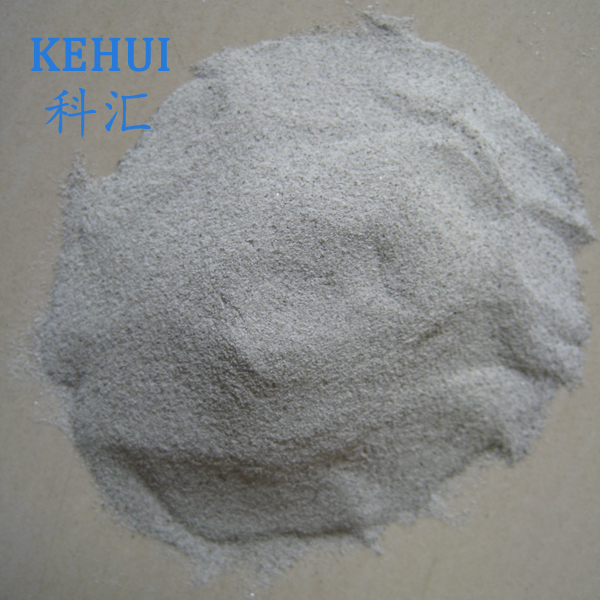
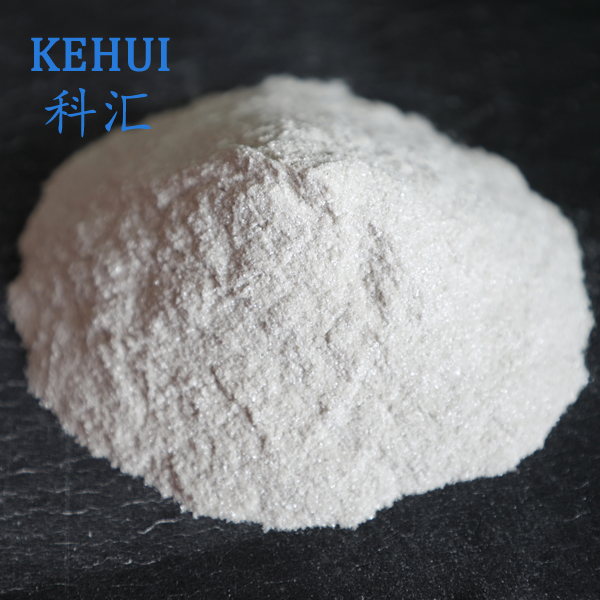
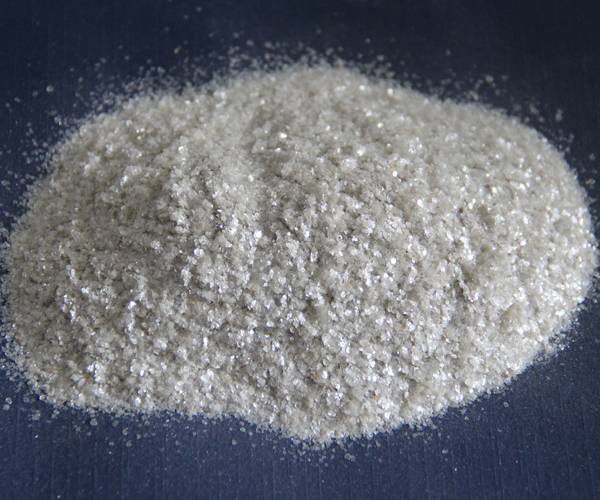
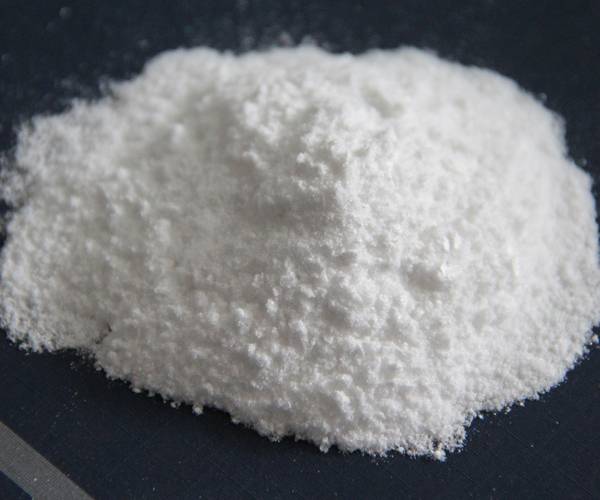
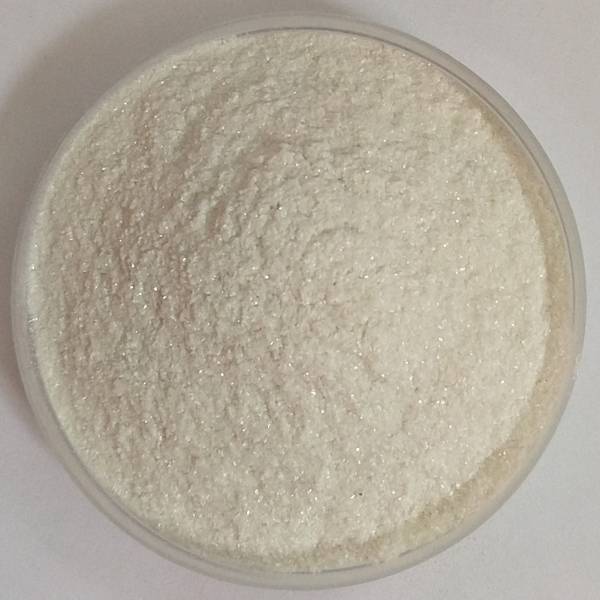
Wet ground mica is a fine, layered mineral powder produced by grinding mica in a wet process. Unlike dry-ground mica, this method helps reduce dust and produces a more uniform particle size, which is crucial for many industrial applications. Frankly, many engineers say that wet ground mica’s plate-like structure imparts excellent barrier properties, improving both thermal and electrical insulation. It’s widely used in products where durability and consistency are essential. For example, in coatings, its reflective properties enhance paint durability and weather resistance.
- Wet ground mica is a mica mineral processed via wet milling, producing consistent fine powders.
- It typically features particle sizes around 10 to 40 microns, with a natural platy structure.
- Case studies show improved coating adhesion and enhanced flexibility when mica is added.
| Specification | Typical Values |
|---|---|
| Particle Size (d50) | 15–40 microns |
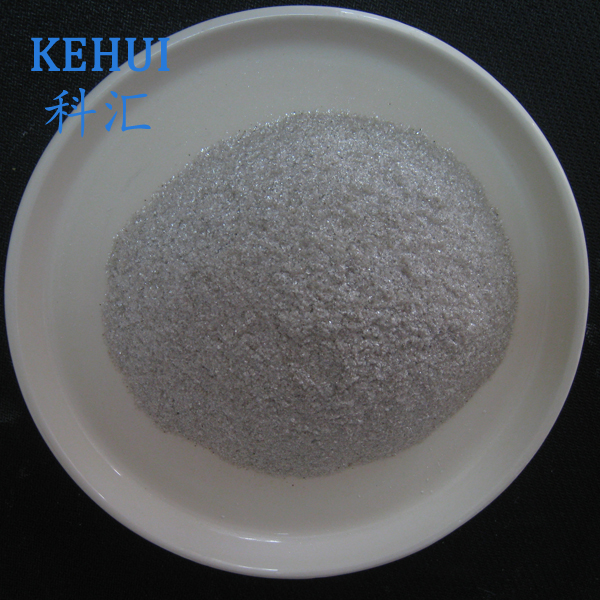
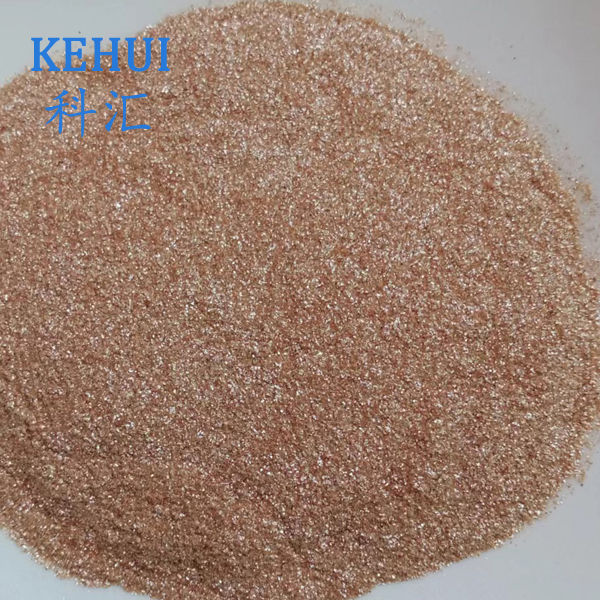
| Appearance | Off-white to pale beige powder |
| Brightness (ISO) | 78–82% |
| Bulk Density | 0.25–0.45 g/cm³ |
| Moisture Content | 3–5% |
Benefits & Use Cases of Wet Ground Mica
Delving into its applications, wet ground mica’s unique qualities really shine—especially when incorporated into paints, plastics, rubber, and drilling fluids. Many manufacturers prefer it because of its fine particle size and strong platy structure, which enhances flexibility and crack resistance. In rubber, for instance, it improves abrasion resistance while reducing shrinkage — qualities that speak directly to end-users demanding longevity without compromising performance.
- Improves thermal insulation and mechanical strength in coatings and plastics.
- Enhances dielectric properties for electrical industry use.
- Offers excellent barrier to gases and moisture, used widely in sealants.
- Its chemical stability makes it ideal for harsh environments.
Cost, Maintenance & User Experience
From a business perspective, wet ground mica offers a compelling total cost of ownership. While not always the cheapest mineral additive, its durability and performance can drastically reduce downstream issues—like premature cracking or fading in coatings—which often cost far more. Oddly enough, companies that switched reported up to 15% reduction in rework and maintenance expenses. I suppose that kind of ROI justifies the upfront investment.
- Durability over time lowers overall maintenance costs.
- Customer feedback points to improved process consistency with less downtime.
- Easier handling during mixing due to low dust generation improves workplace safety.
| Vendor | Price per Ton (USD) | Particle Size Range (microns) | Dust Reduction | Availability |
|---|---|---|---|---|
| Kehuimica | $850–950 | 15–40 | High | Excellent (China-based) |
| Vendor B | $900–1000 | 20–50 | Medium | Moderate |
| Vendor C | $800–900 | 10–35 | Low | Limited |
Sustainability & Market Trends
Sustainability is no longer just a buzzword—it’s a business imperative. Wet ground mica production generally has a lower dust emission footprint compared to dry milling, which aligns better with increasingly strict environmental regulations worldwide. The market for mica additives is forecast to grow steadily, with Asia-Pacific leading demand due to expanding automotive and construction sectors. Interestingly, innovations in more eco-friendly processing and waste reduction at plants like kehuimica.com’s facilities underscore the industry’s shift toward greener methodologies.
- Wet grinding reduces airborne particles, improving workplace safety.
- Growing demand for sustainable raw materials pushes technology advances.
- Regulatory pressure encourages higher purity and lower contaminant mica production.
Frequently Asked Questions about Wet Ground Mica
- What is Wet Ground Mica and how does it work?
- Wet ground mica is mica that’s been milled in water, which helps create very fine, consistent particles. This process reduces dust and retains the mica’s natural flat, plate-like texture, which helps improve properties like insulation and strength when added to other materials.
- What are the main benefits of using Wet Ground Mica in industrial applications?
- It offers great durability, improves thermal and moisture resistance, enhances flexibility in coatings and rubber, and reduces maintenance costs. Plus, the reduced dust makes working with it safer and cleaner.
- How does Wet Ground Mica compare to traditional alternatives?
- Compared to dry-ground or chemically treated mica, wet ground mica tends to have better particle uniformity and a larger surface area for bonding, which can translate into stronger end products and less waste.
- What industries can benefit most from Wet Ground Mica implementation?
- Construction, paint & coatings, rubber, plastics, drilling fluids, and electrical insulation sectors benefit immensely, with many companies experiencing improved product stability and longer lifespans.
Conclusion on Wet Ground Mica from china
To sum it up, wet ground mica is quite simply a workhorse additive for many industries, delivering enhanced durability, better product consistency, and sustainability benefits that align with modern manufacturing needs. If you want to explore a reliable supplier with competitive pricing and extensive expertise, visit our website: https://www.kehuimica.com.
- Wet ground mica offers measurable improvements in multiple industrial processes.
- Choosing the right vendor is key to ensure consistent quality and good ROI.
Reflecting on the market, I notice a clear trend toward more sustainable processes and smarter materials – and wet ground mica fits neatly into this evolving narrative. It’s kind of exciting how a mineral mined centuries ago still finds new life in modern industries.
Latest news
-
Technical Benefits of Calcined Mica for Welding ElectrodesNewsApr.09,2026
-
Superior Calcined Mica for Electrical Insulators Applications and BenefitsNewsApr.07,2026
-
Exploring the Versatility of Calcined Mica for Decoration and Diverse ApplicationsNewsApr.04,2026
-
Exploring Calcined Mica Properties Applications and Sourcing OptionsNewsMar.31,2026
-
Exploring the Versatile Applications of Mica Flakes Powder Across IndustriesNewsMar.28,2026
-
Synthetic Mica Flakes- Kehui Mica Co.|Heat-Resistant, High WhitenessNewsMar.27,2026
-
Synthetic Mica Flakes- Kehui Mica Co.|Heat-Resistant, High WhitenessNewsMar.27,2026
Related Products