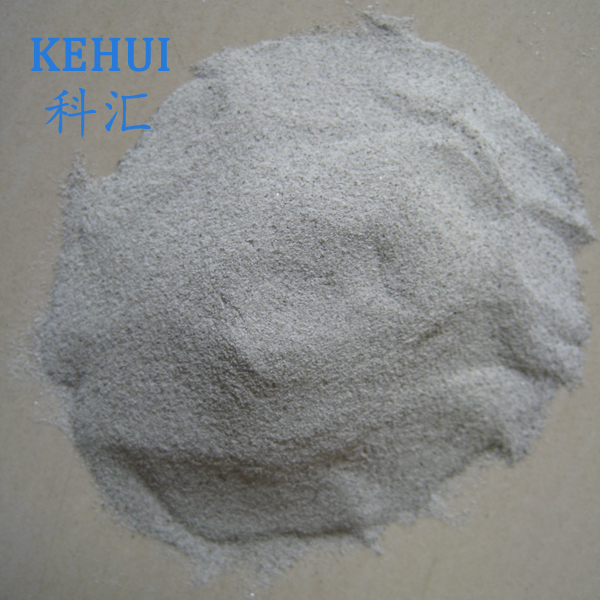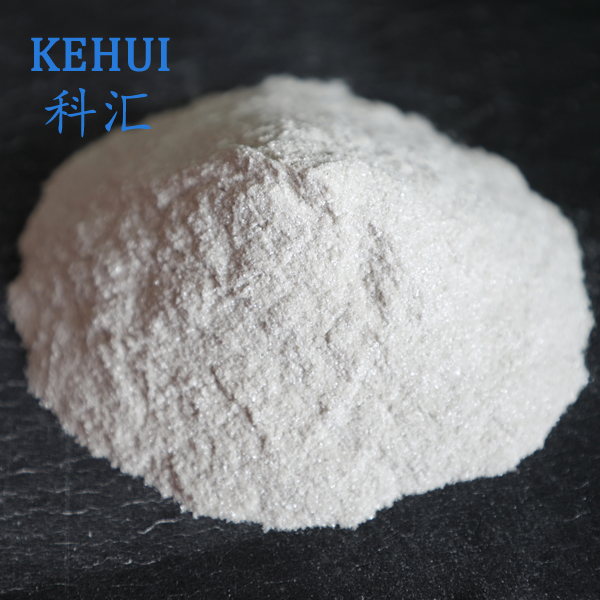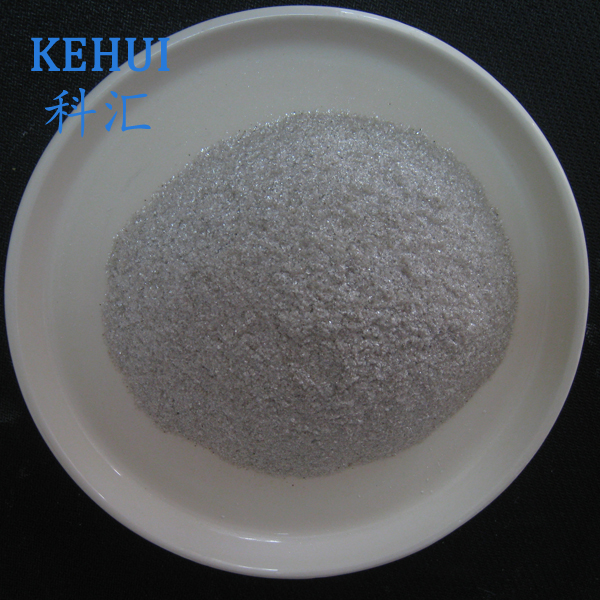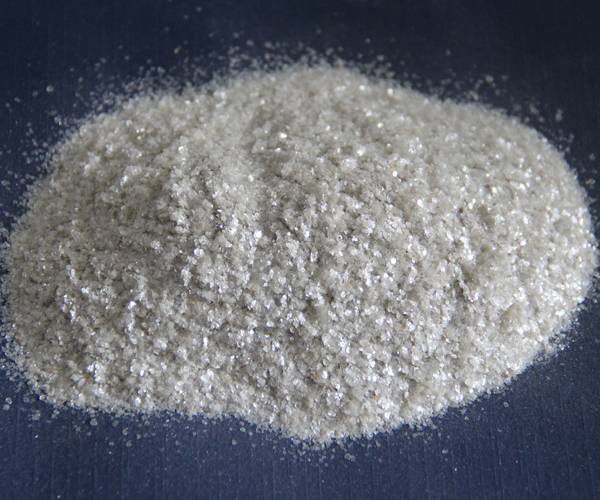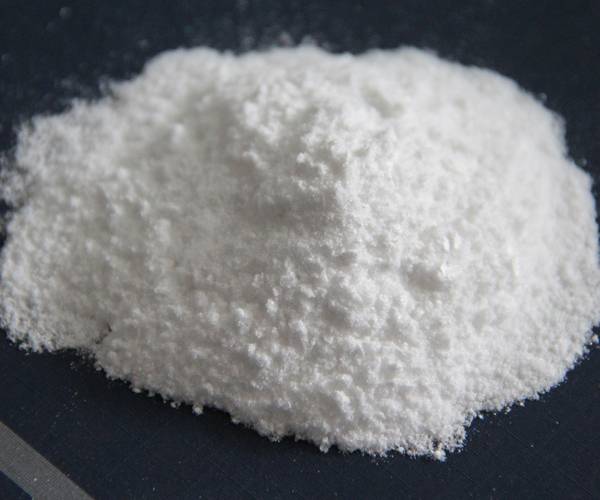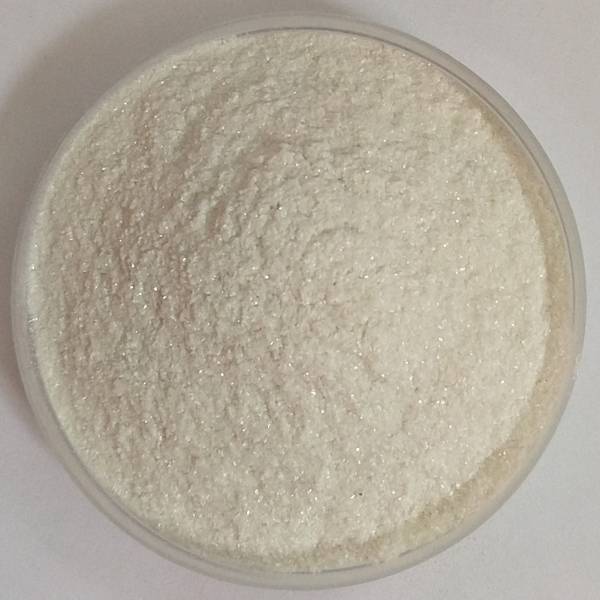
[Thermal Insulation Cenosphere Coal Ash Microsphere] is a key solution in the Material Industry industry, specifically within Inorganic non-metallic materials and Energy saving insulation materials. This article explores how Lingshou County Kehui Mica Co., Ltd. supports professionals with durable, high-performance products, and explains why this product is an ideal choice for businesses in these sectors.
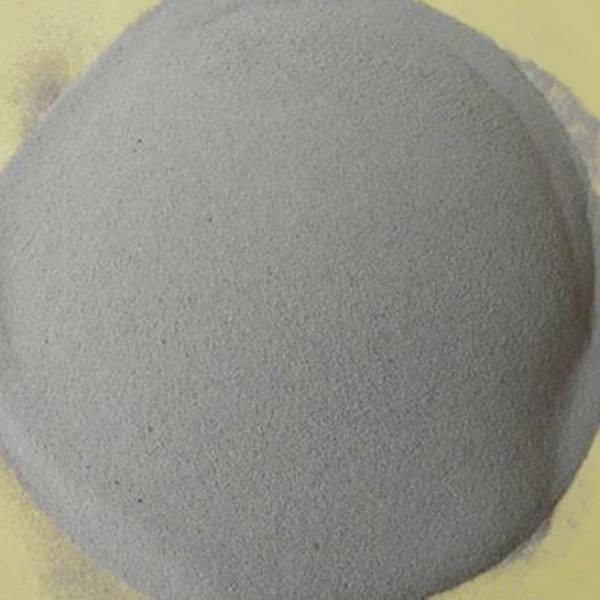
Table of Contents
- [Thermal Insulation Cenosphere Coal Ash Microsphere] Overview
- Benefits & Use Cases of [Thermal Insulation Cenosphere Coal Ash Microsphere] in Energy saving insulation materials
- Cost, Maintenance & User Experience
- Sustainability & Market Trends in Material Industry
- Conclusion on [Thermal Insulation Cenosphere Coal Ash Microsphere] from Lingshou County Kehui Mica Co., Ltd.
[Thermal Insulation Cenosphere Coal Ash Microsphere] Overview
The Thermal Insulation Cenosphere Coal Ash Microsphere is a lightweight, hollow, aluminosilicate ceramic sphere refined from coal fly ash. Naturally spherical and low in density, cenospheres deliver exceptional thermal insulation, dimensional stability, and processing efficiency—making them a cornerstone additive across inorganic non-metallic materials and energy-saving insulation systems. Their ceramic shell provides high temperature resistance, low thermal conductivity, and excellent chemical inertness, enabling consistent performance in demanding environments.
Typical quality parameters assessed by industrial buyers include particle size distribution (custom gradations available), bulk density, true density, loss on ignition (LOI), whiteness, sphericity, and crush resistance. In practice, cenospheres are selected to optimize flowability in slurries, reduce resin demand in coatings, lower component weight in composites, and enhance thermal efficiency in refractory castables and insulating boards. Lingshou County Kehui Mica Co., Ltd. applies rigorous classification and purification to supply consistent, clean, and stable cenospheres tailored to production requirements, with reliable packaging and logistics support for global B2B customers.
- Relevance: A proven lightweight ceramic filler for Material Industry applications where insulation, weight reduction, and processability matter.
- Technical focus: refined aluminosilicate microspheres with controlled PSD, low LOI, low thermal conductivity, and high thermal stability.
- Supplier assurance: Lingshou County Kehui Mica Co., Ltd. offers tight quality control and application matching for industrial-scale projects.
Benefits & Use Cases of [Thermal Insulation Cenosphere Coal Ash Microsphere] in Energy saving insulation materials
In energy-saving insulation materials, cenospheres are used to formulate lightweight insulating refractory castables, thermal insulation mortars, insulating boards, high-performance coatings, and polymer composites for building envelopes and industrial equipment. Their hollow structure introduces micro air voids, effectively lowering thermal conductivity while maintaining mechanical integrity. The spherical morphology also enhances flow and packing efficiency, enabling higher solids loading and smooth finishes in coatings and putties.
Competitive advantages include higher temperature resistance than polymeric hollow beads, low oil/water absorption that reduces binder demand, and excellent chemical stability in cementitious and resin systems. Industrial users report improvements in pumpability and reduced shrinkage in castables, mass reduction in composite panels, and thermal efficiency gains in insulating renders and spray-on coatings. Lingshou County Kehui Mica Co., Ltd. supports formulation design with tailored grading and consistent purity, helping engineers reach target density and thermal performance with fewer formulation iterations and more predictable scale-up.
- Applications: refractory insulation, lightweight cement, EIFS/ETICS coatings, fire-resistant boards, pipeline and equipment insulation, thermal barriers.
- Features: low density, low thermal conductivity, spherical flow aid, high-temperature stability, low LOI, excellent compatibility.
- Expertise: application-driven grading, steady supply, and technical guidance from Kehui’s material specialists.
Cost, Maintenance & User Experience
Total cost of ownership favors cenospheres due to multi-dimensional savings: reduced binder consumption (thanks to low absorption and spherical packing), lower transportation costs per coverage/volume (lightweight), and energy savings driven by improved thermal insulation. In cementitious and refractory systems, cenospheres can cut mix density without sacrificing performance, lowering structural loads and often simplifying installation. For coatings and resins, they can reduce viscosity at equal solids, enabling higher filler loading and improved spread rate, which translates to fewer coats or thinner sections for the same thermal benefit.
Durability is high: cenospheres are inorganic ceramics with excellent aging resistance and chemical inertness, requiring no special maintenance once embedded in the matrix. Best practice is to store the dry powder in sealed packaging to avoid moisture pickup. Feedback from users in the inorganic non-metallic materials sector highlights consistent lot-to-lot quality, fewer formulation adjustments during scale-up, and reliable delivery timelines as key reasons for repeat business with Lingshou County Kehui Mica Co., Ltd. Many projects report faster ROI due to a combination of material efficiencies and operational energy savings.
- TCO drivers: lower binder usage, reduced logistics weight, improved energy efficiency.
- User experience: stable quality, predictable processing, and strong technical support.
Sustainability & Market Trends in Material Industry
Cenospheres contribute to circular economy objectives by upcycling a coal combustion byproduct into a high-value, energy-saving raw material. As global regulations tighten around building energy codes, industrial heat loss, and embodied carbon, B2B decision makers are prioritizing materials that both perform and help meet ESG commitments. Lightweight insulating systems reduce operational energy demand, while optimized formulations can also lower overall binder and resin usage, indirectly reducing carbon footprints across the value chain.
The market is moving toward lighter, more thermally efficient constructions, durable high-temperature insulation for process industries, and robust fire performance in built environments. Lingshou County Kehui Mica Co., Ltd. aligns with these trends through stringent quality control, responsible sourcing and processing, and continuous product refinement for better consistency and clean handling. By providing traceability, dust-minimized packaging options, and application-focused support, Kehui positions the Thermal Insulation Cenosphere Coal Ash Microsphere as a future-ready material for sustainable growth in the Material Industry.
- Sustainability: circular upcycling, reduced energy use, and efficient material utilization.
- Trend fit: lightweighting, thermal efficiency, fire performance, and regulatory compliance support.
Conclusion on [Thermal Insulation Cenosphere Coal Ash Microsphere] from Lingshou County Kehui Mica Co., Ltd.
The Thermal Insulation Cenosphere Coal Ash Microsphere delivers a rare combination of low density, high thermal stability, and processing ease—ideal for Energy saving insulation materials across the Material Industry. From refractory castables to high-build coatings and insulating boards, it enables measurable efficiency gains and dependable performance. Lingshou County Kehui Mica Co., Ltd. stands out for consistent quality, tailored grading, and responsive technical support that help B2B teams de-risk scale-up and accelerate ROI.
- Value recap: reliable insulation, weight reduction, and cost efficiency for inorganic non-metallic systems.
- Supplier trust: proven capability from Lingshou County Kehui Mica Co., Ltd.
- Strong CTA: Contact us: email: admin@mcelia.com — Visit our website: https://www.kehuimica.com
Latest news
-
Technical Benefits of Calcined Mica for Welding ElectrodesNewsApr.09,2026
-
Superior Calcined Mica for Electrical Insulators Applications and BenefitsNewsApr.07,2026
-
Exploring the Versatility of Calcined Mica for Decoration and Diverse ApplicationsNewsApr.04,2026
-
Exploring Calcined Mica Properties Applications and Sourcing OptionsNewsMar.31,2026
-
Exploring the Versatile Applications of Mica Flakes Powder Across IndustriesNewsMar.28,2026
-
Synthetic Mica Flakes- Kehui Mica Co.|Heat-Resistant, High WhitenessNewsMar.27,2026
-
Synthetic Mica Flakes- Kehui Mica Co.|Heat-Resistant, High WhitenessNewsMar.27,2026
Related Products