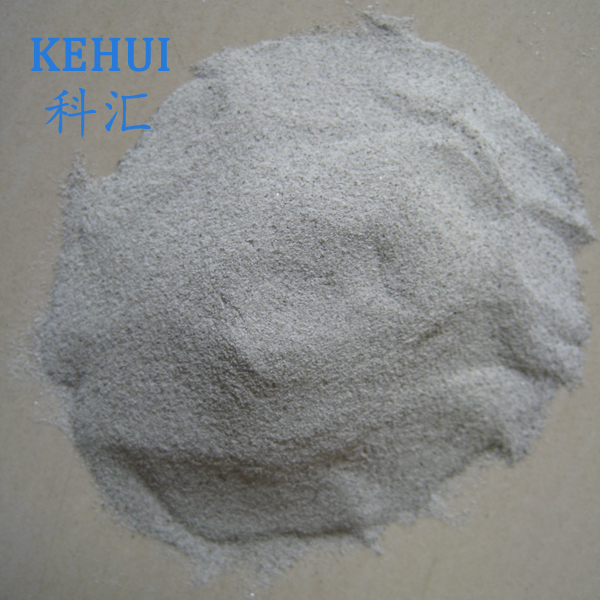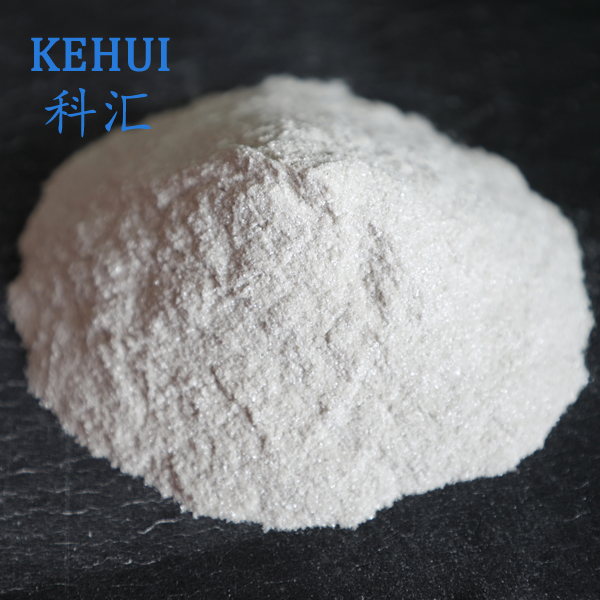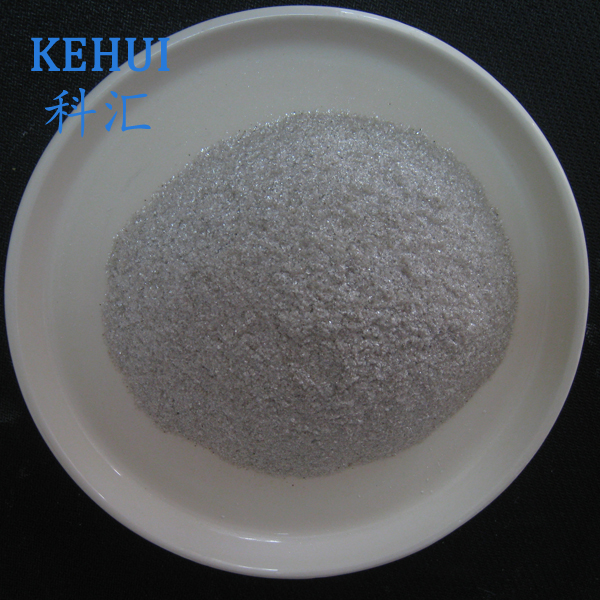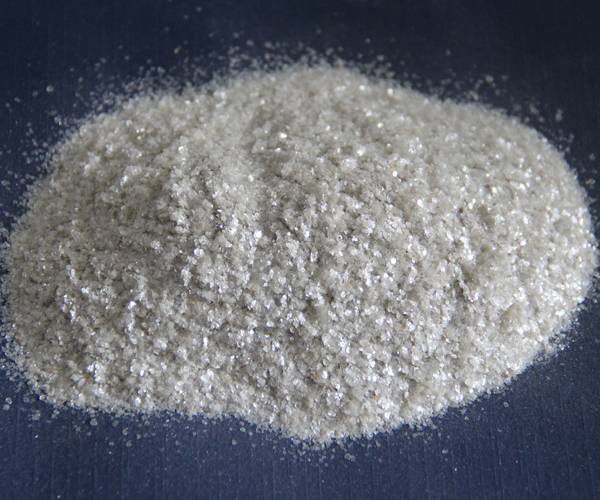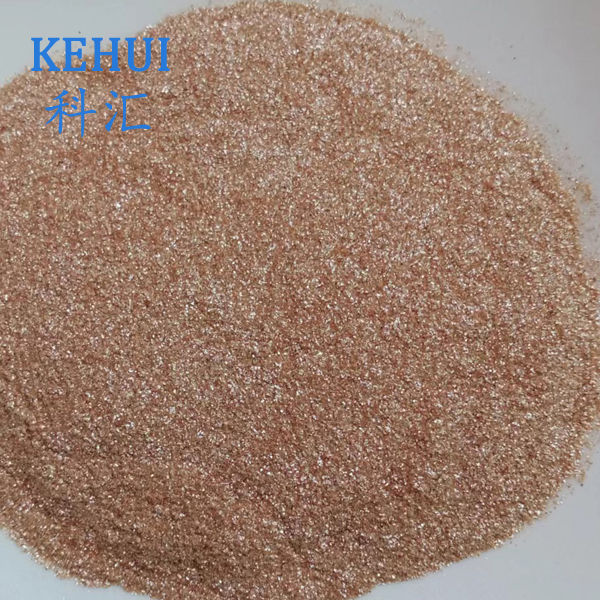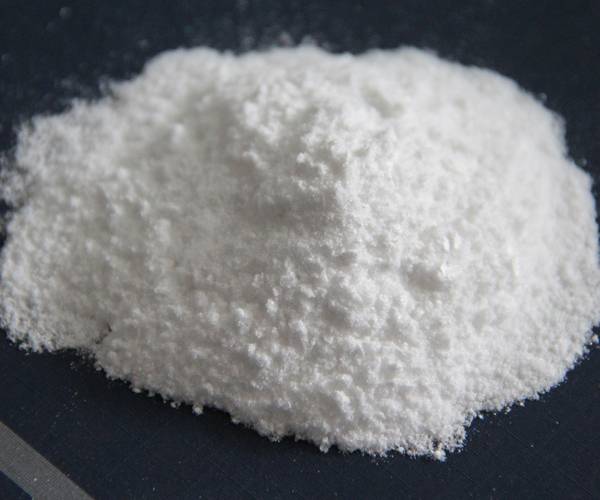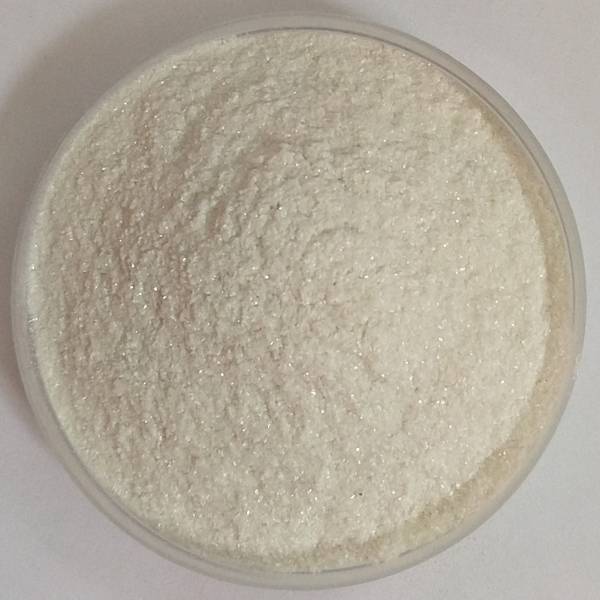
Why industries are rediscovering the Thermal Insulation Cenosphere Coal Ash Microsphere
In the race to cut weight and stop heat loss, I keep seeing a quiet hero showing up in specs: Thermal Insulation Cenosphere Coal Ash Microsphere. It’s not flashy—just tiny hollow ceramic spheres—but in coatings, cementing, and composites, they punch above their weight. Actually, literally.
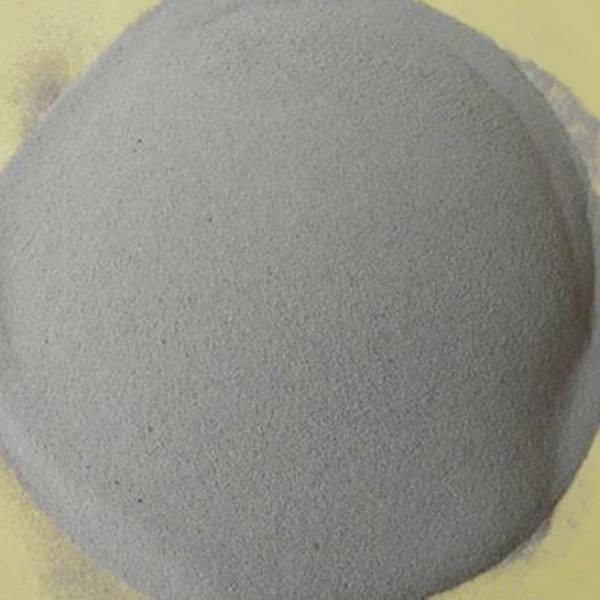
Quick specs and what matters in the field
Origin: Nanjialiang Village, Lingshou County, Shijiazhuang City, Hebei, China. Many customers say the material consistency is surprisingly steady, especially across size cuts (100–500 μm). Below is a snapshot; real-world use may vary.
| Parameter | Typical Value | Notes |
|---|---|---|
| True density | 0.35–0.45 g/cc | Ultra-light hollow ceramic shells |
| Particle size | ≈100, 150, 300, 500 μm; 210–850 μm cut | Custom sieving available |
| Thermal conductivity | ≈0.08–0.12 W/m·K | ASTM C177/C518 tested |
| Crush strength | ≈25–40 MPa | Grade-dependent |
| Chemistry | SiO2/Al2O3 rich ceramic | Inert, low alkali |
| LOI | ≤1.5% (typ.) | Low-carbon grades offered |
Process flow and quality
Materials: fly ash feedstock refined into Thermal Insulation Cenosphere Coal Ash Microsphere. Methods typically include dry magnetic separation, gravity float, air classification, calcination, precision sieving, and final dedusting. Testing: density (ASTM D792), thermal conductivity (ASTM C177/C518), moisture (ASTM C566), particle size (laser diffraction), and for cement uses, API RP 10B series. Service life: in well-formulated coatings/plasters, around 15–25 years; in oil-well or pipeline insulation slurries, aligned to cement sheath design life.
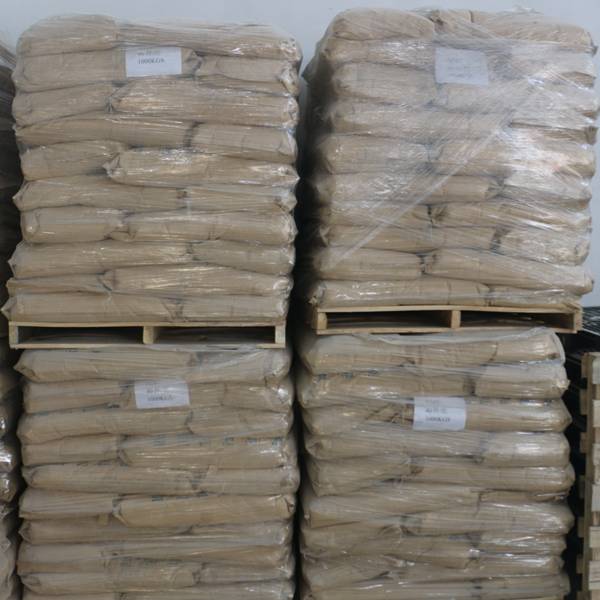
Where it’s used (and why)
- Insulating plasters/render and EIFS: lower density, smoother trowel, better R-value per thickness.
- Oil & gas cementing: buoyant slurries for cold regions; reduces thermal bridges.
- Thermal barrier coatings on pipelines, tanks, and HVAC ducts.
- Polymer composites and syntactic foams: weight cuts without killing compressive strength.
- Refractory castables: helps with thermal shock resistance and insulation.
Advantages I keep hearing about: easier pumping, reduced shrinkage, and fewer microcracks compared with perlite in certain mixes. To be honest, mixing discipline still matters—pre-wet and add gently to avoid shell breakage.
Customization and certifications
Custom size cuts (100–500 μm), narrow PSD, low-LOI, and surface treatments (e.g., silane) for polymer bonding are common. ISO 9001 systems, COA per lot, MSDS/REACH support on request.
| Vendor | Density (g/cc) | Size Range | Crush Strength | Lead Time | Certs |
|---|---|---|---|---|---|
| Kehuimica (Hebei) | 0.35–0.45 | 100–500 μm; 210–850 μm | ≈25–40 MPa | ≈7–15 days | ISO 9001 |
| GlobalBrand HGM | 0.38–0.60 | 80–400 μm | ≈30–55 MPa | ≈2–4 weeks | ISO 9001 |
| BudgetMinerals | 0.45–0.65 | Mixed cuts | ≈20–35 MPa | In stock/spot | Basic COA |
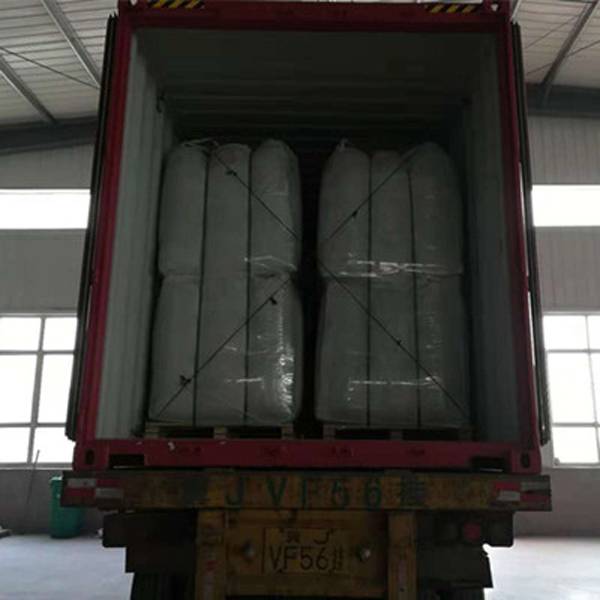
Field notes and case studies
Facade plaster, Central Europe: replacing 25% mineral filler with Thermal Insulation Cenosphere Coal Ash Microsphere cut wet density by ≈18% and improved λ by ≈14% (C177 bench data). Contractor feedback: “trowels smoother, less slump.”
Pipeline coating, North Asia: syntactic layer with 0.40 g/cc cenospheres showed ≈22% weight reduction vs. control and stable k after 1,000 h thermal cycling (−20°C to 80°C). Oil-well cement (API) in sub-Arctic: slurry density trimmed to ≈1.35 g/cc while maintaining compressive strength envelope after 7 days; no gas migration observed in lab tests.
How to specify (short checklist)
- State target density and size cut; ask for low-LOI grade if using in white or bright coatings.
- Reference ASTM C177/C518 for thermal tests; API RP 10B-2 for cementing workflows where relevant.
- Request COA, PSD curve, moisture, and crush data; verify ISO 9001.
- Pilot mix: add spheres late, low shear; validate viscosity and pumpability.
Authoritative references
Latest news
-
Global Analysis and Trends of the Calcined Mica Flakes MarketNewsApr.16,2026
-
Technical Benefits of Calcined Mica for Welding ElectrodesNewsApr.09,2026
-
Superior Calcined Mica for Electrical Insulators Applications and BenefitsNewsApr.07,2026
-
Exploring the Versatility of Calcined Mica for Decoration and Diverse ApplicationsNewsApr.04,2026
-
Exploring Calcined Mica Properties Applications and Sourcing OptionsNewsMar.31,2026
-
Exploring the Versatile Applications of Mica Flakes Powder Across IndustriesNewsMar.28,2026
-
Comprehensive Guide to 100 Mesh Mica Powder Applications and Industrial BenefitsNewsMar.26,2026
Related Products