Dec . 01, 2025 23:50
Back to list
The Comprehensive Guide to Perlite Potting Soil: Benefits, Uses, and Vendors
Perlite Potting Soil: A Growing Solution for Sustainable Growing
Perlite potting soil — you’ve probably seen it on garden center shelves or heard about it among plant enthusiasts. But what makes it more than just another potting soil additive? Well, perlite potting soil is a lightweight, highly aerated growing medium harnessed worldwide not only by hobbyists but also by commercial growers and humanitarian projects—especially in places where soil quality or accessibility is a challenge. Understanding its properties and applications isn’t just for gardeners; it ties into global efforts toward sustainable agriculture, water conservation, and even disaster relief efforts. So, why exactly does it matter on a global scale? That’s what we’ll explore here.
The Global Significance of Perlite Potting Soil
Perlite, essentially expanded volcanic glass, is prized for its ability to improve soil aeration and drainage, which is critical when trying to grow healthy plants in suboptimal or degraded soils. Globally, with the United Nations estimating that over a third of the world’s land is moderately to severely degraded (FAO Soil Portal), innovative soil amendments like perlite potting soil become vital. It supports sustainable practices by reducing the need for chemical inputs and excessive watering.
In fact, the World Bank notes rising urban agriculture particularly in developing countries, where traditional fertile lands are scarce or contaminated. Perlite potting soil offers a versatile medium that is lightweight enough to be used on rooftops, balconies, and urban gardens with drainage concerns, while maintaining plant health and yield.
What Exactly is Perlite Potting Soil?
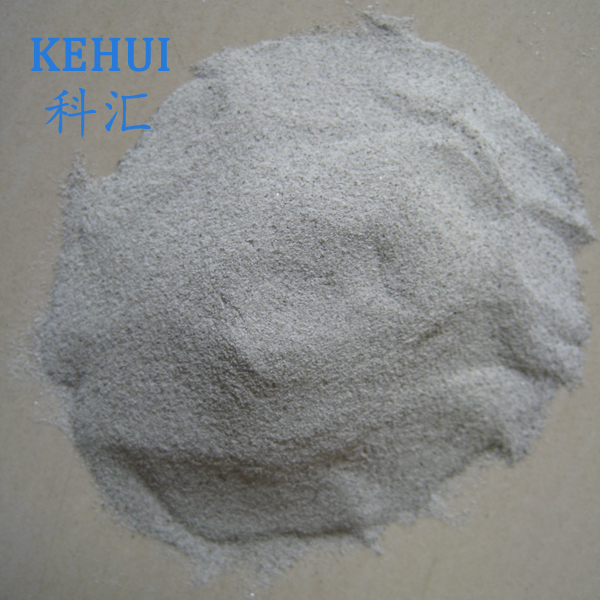
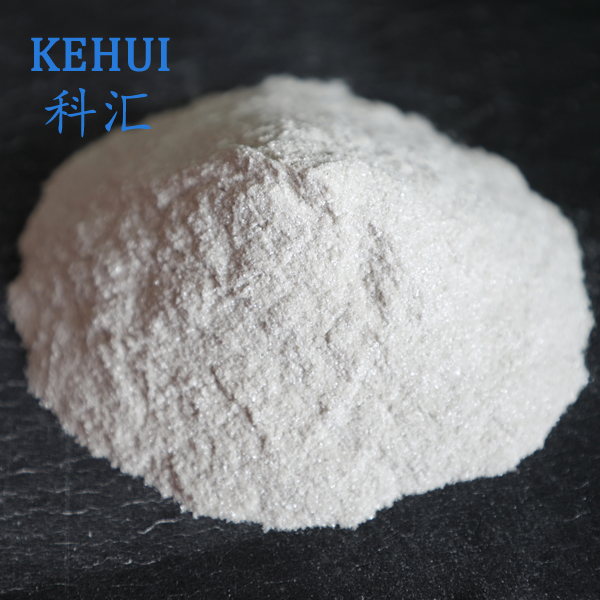
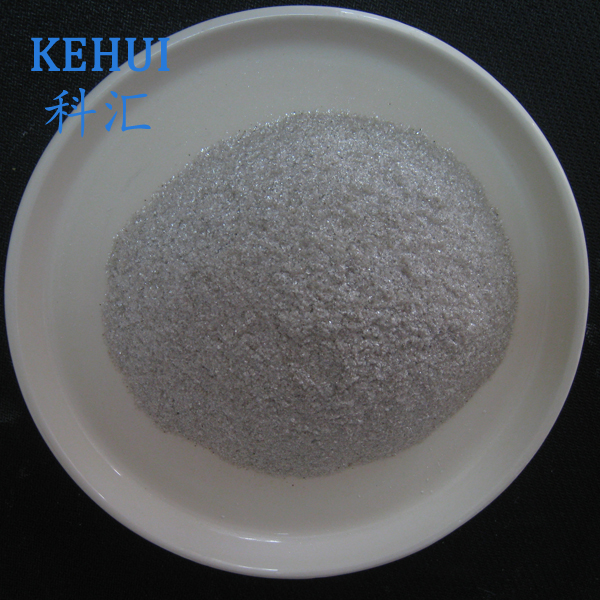
Simply put, perlite potting soil combines standard potting mixes with perlite — which is a naturally occurring form of amorphous volcanic glass. This glass is heated and rapidly expanded, sort of like popcorn, creating tiny, lightweight white balls with a porous structure. These tiny volcanic “popcorns” enhance the soil's warmth retention, aeration, and moisture regulation.
From a humanitarian point of view, perlite potting soil is frequently used in controlled-environment agriculture such as community gardens or reforestation projects where local soil isn’t supportive. It can dramatically improve growth outcomes, helping communities gain food security in difficult climates and terrains.
Core Components and Factors of Perlite Potting Soil
1. Aeration
Perlite’s cellular structure literally creates air pockets in the soil, which helps roots breathe and prevents soil compaction. This is key for healthy root development.
2. Drainage
Because of its porous nature, perlite allows excess water to drain efficiently, reducing the risk of overwatering and root rot — a common problem for indoor plants and heavy soils.
3. Lightweight Quality
This is especially useful when soil weight is a limitation — like in rooftop gardens or greenhouses — where heavy soil layers can cause structural problems.
4. pH Neutrality
Perlite itself is quite neutral (pH of 7.0–7.5), making it compatible with a wide range of plants without upsetting their nutrient uptake.
5. Longevity
Unlike organic amendments that break down, perlite remains stable indefinitely, reducing the need for frequent soil replacements.
| Property | Typical Value | Benefit |
|---|---|---|
| Bulk Density | 80–110 kg/m³ | Lightweight soil composition |
| Water Retention | 40–60% | Maintains moisture without waterlogging |
| pH | 7.0–7.5 | Neutral, safe for most flora |
| Particle Size | 1–3 mm (expanded grains) | Optimal aeration and drainage |
Global Applications & Use Cases
Perlite potting soil spans diverse applications:
- Urban Agriculture: Cities facing strict space and soil quality limitations use perlite potting mixes extensively. Rooftop farms in Europe and North America balance soil drainage and weight with perlite.
- Greenhouses & Nurseries: In the Netherlands and Israel, where high-efficiency horticulture is a priority, perlite-enhanced soils secure superior yields.
- Post-Disaster Relief: After floods or earthquakes, degraded soils make replanting tough. NGOs often ship perlite potting soil blends to support quick recovery in agriculture-based livelihoods (UN OCHA Relief Reports).
- Developing Regions: In parts of Africa and Asia, perlite potting soil is a reliable alternative for improving poor or contaminated soils, especially for food crops and landscaping initiatives.
For example, a community garden project in Kenya saw a 30% increase in tomato yield when switching from clay-heavy soils to perlite-enhanced potting mixes. These small wins ripple out to food security and economic resilience.
Advantages & Long-Term Value of Perlite Potting Soil
The list of tangible benefits is compelling:
- Cost-Effective: Despite the initial price, perlite reduces plant loss rates and watering needs — saving money over time.
- Water Conservation: By improving moisture retention and drainage, it helps reduce wasteful irrigation.
- Environmentally Friendly: It’s an inert natural mineral that doesn’t decompose, thus reducing soil amendment frequency.
- Social Impact: Healthy plants mean nutritious crops, livelihood improvement, and community empowerment.
- Reliability: It’s consistent in quality and performance, which growers value enormously.
It’s odd but true — working with soil feels almost like nurturing life itself, and having a trustworthy medium like perlite helps keep that connection alive.
Future Trends & Innovations
Looking ahead, perlite potting soil is evolving. For example:
- Blends with Biochar and Cocopeat: Combining perlite with organic materials improves nutrient retention and carbon sequestration potentials.
- Automation in Soil Mix Preparation: More growers use smart mixers for consistent soil blends, reducing waste and improving plant growth predictability.
- Greenhouse Circular Economy: Perlite’s recyclability makes it suitable for closed-loop systems, aligning with sustainability goals.
Common Challenges & Expert Solutions
Of course, no solution is perfect. Some challenges include cost accessibility for small farmers in developing countries, and the sometimes dusty nature of raw perlite which may cause inhalation risks during handling. However, innovations in affordable pelletizing and dust-reducing coatings help alleviate these concerns. Also, combining perlite with local organic waste products can lower costs.
Frequently Asked Questions About Perlite Potting Soil
- Is perlite potting soil suitable for all types of plants?
- Mostly yes. It works exceptionally well for plants needing well-drained soil like succulents, herbs, and tomatoes. However, plants tolerant of moisture-retentive soils (like ferns) may need less perlite.
- How often do I need to replace perlite in the soil?
- Since perlite doesn’t break down, it generally stays effective for years. You may only need to top up if you repot or refresh soil blends.
- Can I use perlite directly in garden beds?
- Sure, mixing perlite into garden soil can help improve drainage and aeration, especially in compacted clay soils. The ratio usually varies between 10-30% perlite by volume.
- Is perlite environmentally sustainable?
- Perlite is a natural volcanic mineral with minimal processing emissions. It’s recyclable and non-toxic, but mining impacts do exist. Responsible sourcing is key.
- Where can I buy quality perlite potting soil?
- Many nurseries carry blends, but for consistent commercial-grade products, look for reputable vendors online or local suppliers with verified quality, such as perlite potting soil specialists.
| Vendor | Product Quality | Price Range (per m³) | Special Features |
|---|---|---|---|
| Kehui Perlite | High - industrial grade | $150 - $200 | Dust-free, consistent particle size |
| GreenGrow Supply | Medium - garden quality | $120 - $170 | Organic mix blends available |
| Volcanic Soils Inc. | Premium horticultural grade | $180 - $220 | Eco-certified, recyclable packaging |
In Summary
Perlite potting soil ultimately bridges nature and innovation. It’s a humble mineral with outsized impacts on plant health, sustainability, urban farming, and even societal resilience. It feels a bit like a quiet hero in the quest for more sustainable food production — lightweight, versatile, and quietly dependable. So next time you pick up a bag or consider a soil mix, remember the story behind those tiny white balls and why they matter globally.
For those curious to explore more on quality perlite potting soil options, you might want to visit our recommended supplier. It’s always wise to source from trusted vendors who uphold quality and sustainability standards.
Happy growing!
References:
1. Food and Agriculture Organization, UN - Soil Degradation
2. UN OCHA - Humanitarian Relief Efforts
3. World Bank, Urban Agriculture Data, 2022
Latest news
-
Global Analysis and Trends of the Calcined Mica Flakes MarketNewsApr.16,2026
-
Technical Benefits of Calcined Mica for Welding ElectrodesNewsApr.09,2026
-
Superior Calcined Mica for Electrical Insulators Applications and BenefitsNewsApr.07,2026
-
Exploring the Versatility of Calcined Mica for Decoration and Diverse ApplicationsNewsApr.04,2026
-
Exploring Calcined Mica Properties Applications and Sourcing OptionsNewsMar.31,2026
-
Exploring the Versatile Applications of Mica Flakes Powder Across IndustriesNewsMar.28,2026
-
Comprehensive Guide to 100 Mesh Mica Powder Applications and Industrial BenefitsNewsMar.26,2026
Related Products