Jan . 03, 2026 01:25
Back to list
Quartz with Mica Flakes: Industrial Composite Advantages & Suppliers
Understanding Quartz with Mica Flakes: Industrial Insights
Having spent well over a decade in the industrial equipment sector, I’ve handled my fair share of mineral composites. One material that keeps popping up, both for its unique properties and versatile uses, is quartz with mica flakes. Oddly enough, it tends to fly under the radar outside niche manufacturing circles, but in real terms, it’s a fascinating composite.
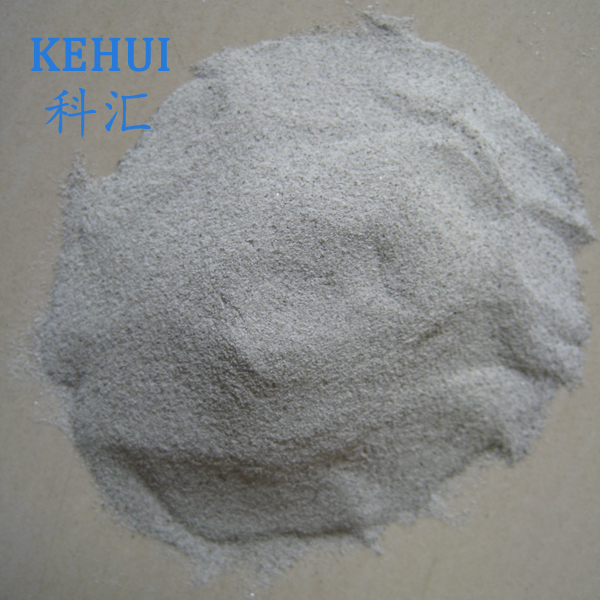
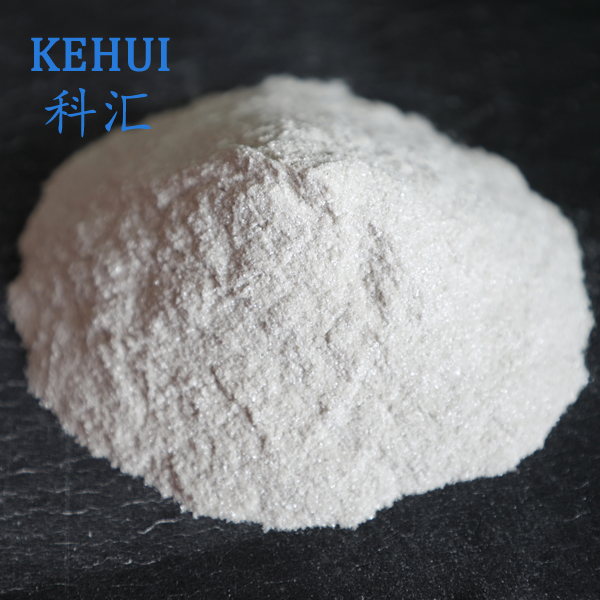
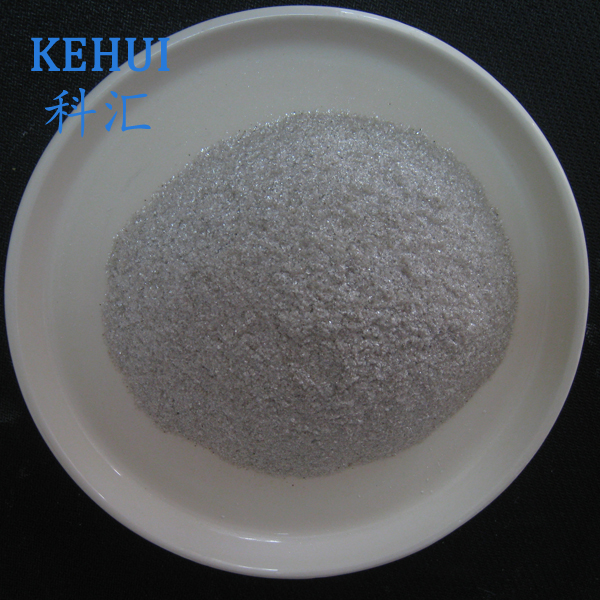
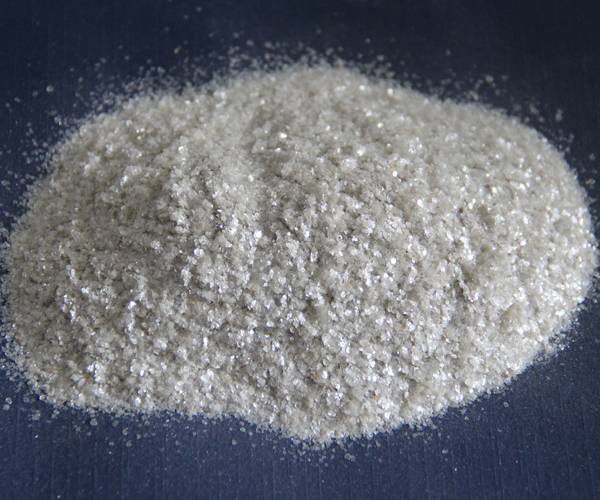
Why combine quartz and mica flakes, you might ask? Quartz brings hardness, wear resistance, and thermal stability to the table, while mica flakes add flexibility, improve heat insulation, and introduce a kind of structural layering that enhances fracture toughness. The union of these gives you a kind of best-of-both-worlds material – sturdy, resilient, and adaptable.
In practice, you often find this composite used in industrial flooring, high-temperature insulating panels, and sometimes in subtle aesthetic finishes where durability is non-negotiable. I recall a client from a chemical processing facility who swore by quartz-mica panels lining certain equipment housings; apparently, the combination resisted both abrasion and thermal shocks way better than some traditional coatings they had tested. It’s these kinds of real-world stories that make industrial materials more than just technical specs — it’s about solving practical, costly problems.
| Product Specification | Details |
|---|---|
| Quartz Content | 60-75% by weight |
| Mica Flakes Size | 50-200 microns |
| Thermal Stability | Up to 900°C |
| Bulk Density | 2.6 – 2.8 g/cm³ |
| Moisture Absorption | Less than 0.5% |
One thing that many engineers appreciate is how customizable this material can be. Adjusting the mica flake content or size tweaks not only the mechanical properties but also the workability during manufacturing. It feels almost like tuning a musical instrument, where the right mix changes the ‘sound’ and performance. This flexibility has pushed quartz with mica flakes into custom orders and specialty uses — a trend I expect to continue as industries seek materials that can hold up without the typical trade-offs.
| Vendor | Quartz Content | Mica Flake Size Range | Customization Options | Typical Lead Time |
|---|---|---|---|---|
| KeHui Mica | 65-70% | 50-150 microns | High (flake size & concentration) | 2-3 weeks |
| MicaCorp Industries | 60-65% | 100-200 microns | Medium (flake size only) | 3-4 weeks |
| QuartzMica Co. | 70-75% | 50-100 microns | Low (standard mix) | 1-2 weeks |
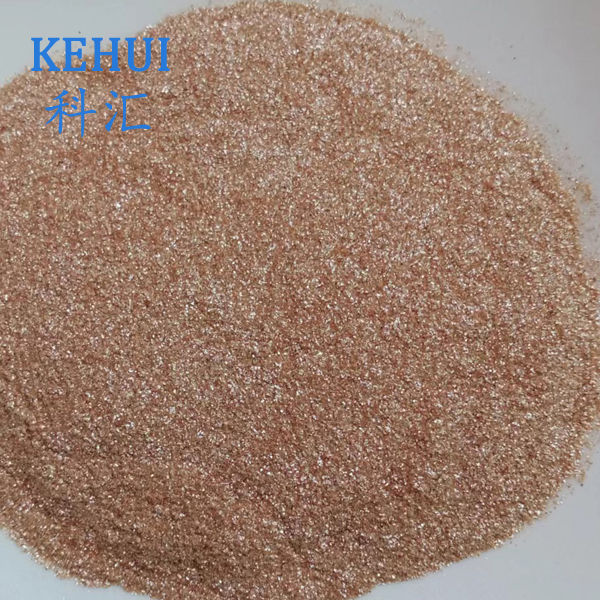
To me, the standout vendor in this niche remains KeHui Mica. Their ability to tailor the mica flakes’ parameters stands out, plus their lead times are pretty reasonable for the kind of manufacturing precision they offer. Honestly, it’s refreshing when a supplier combines technical flexibility with practical timelines because—well—time is often more critical than raw specs.
In terms of testing, quartz with mica flakes undergoes rigorous scrutiny — from thermal cycling to abrasion resistance — to mimic harsh industrial environments. I’ve personally seen samples endure repeated thermal shocks without cracking, which, frankly, is what you want if you’re lining reactive vessels or high-wear surfaces. The material’s performance really speaks for itself.
One caveat: while quartz adds hardness, it also makes the composite somewhat brittle if the mica content is too low. Finding that sweet spot is tricky, which is why I recommend working with vendors who understand the nuanced balance. It’s kind of like baking a cake — too much of one ingredient and it just won’t turn out right.
Wrapping up, quartz combined with mica flakes feels like one of those quietly powerful materials that’s gotten better through iterative innovation rather than blockbuster breakthroughs. Its combination of hardness, heat endurance, and flexibility suits many industrial applications well, especially as operations demand materials that last without fail.
For anyone involved in industrial manufacturing, especially specialties involving high temperature and wear, it’s worth giving this composite a closer look. In fact, you might find that it solves a problem you didn’t even realize was holding your processes back.
References:
- Industrial Mineral Composites Handbook, 2022 Edition
- KeHui Mica Technical Data Sheets (2023)
- Proc. of the Int’l Conf. on Thermal Materials, 2021
Latest news
-
Global Analysis and Trends of the Calcined Mica Flakes MarketNewsApr.16,2026
-
Technical Benefits of Calcined Mica for Welding ElectrodesNewsApr.09,2026
-
Superior Calcined Mica for Electrical Insulators Applications and BenefitsNewsApr.07,2026
-
Exploring the Versatility of Calcined Mica for Decoration and Diverse ApplicationsNewsApr.04,2026
-
Exploring Calcined Mica Properties Applications and Sourcing OptionsNewsMar.31,2026
-
Exploring the Versatile Applications of Mica Flakes Powder Across IndustriesNewsMar.28,2026
-
Comprehensive Guide to 100 Mesh Mica Powder Applications and Industrial BenefitsNewsMar.26,2026
Related Products