Understanding China Black Mica Flakes in Industrial Applications
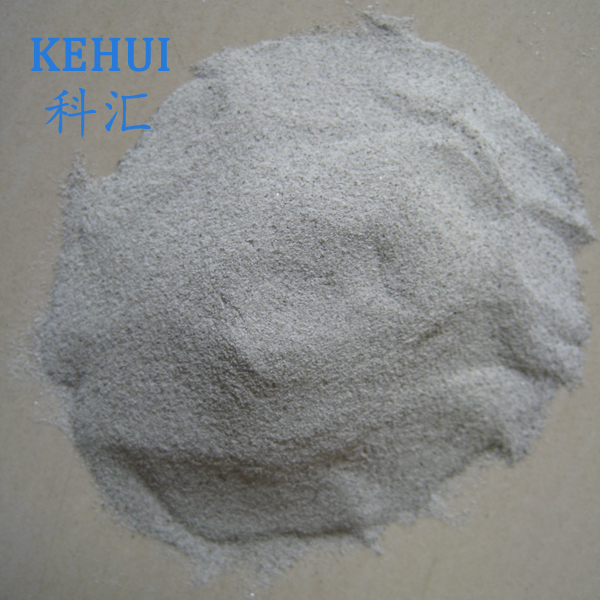
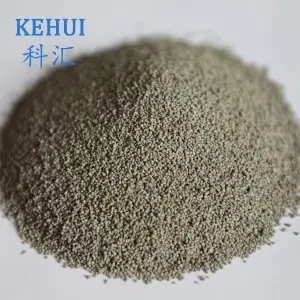
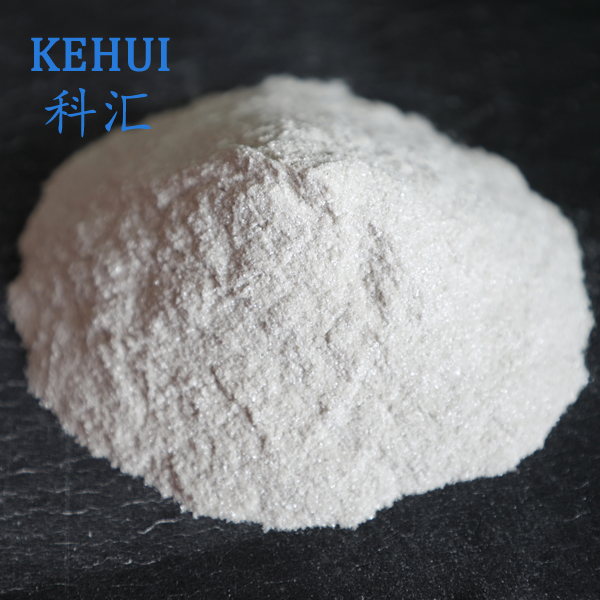
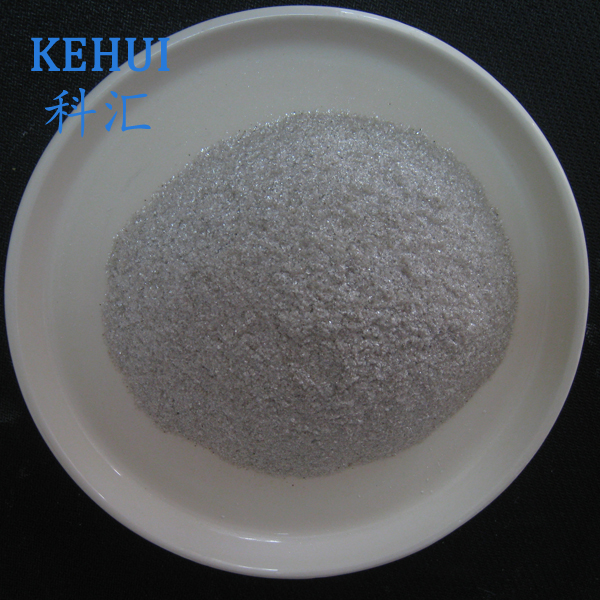
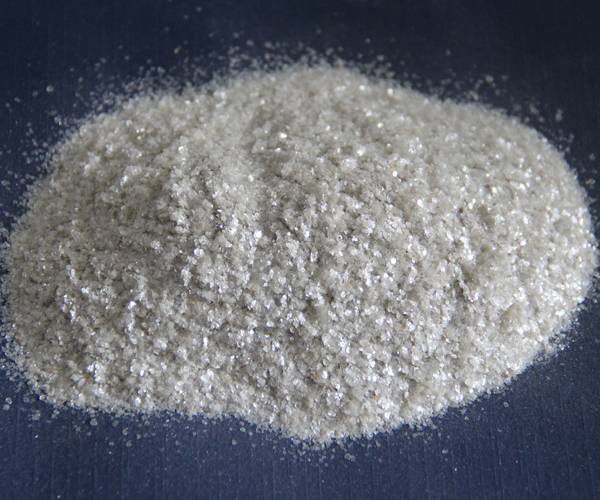
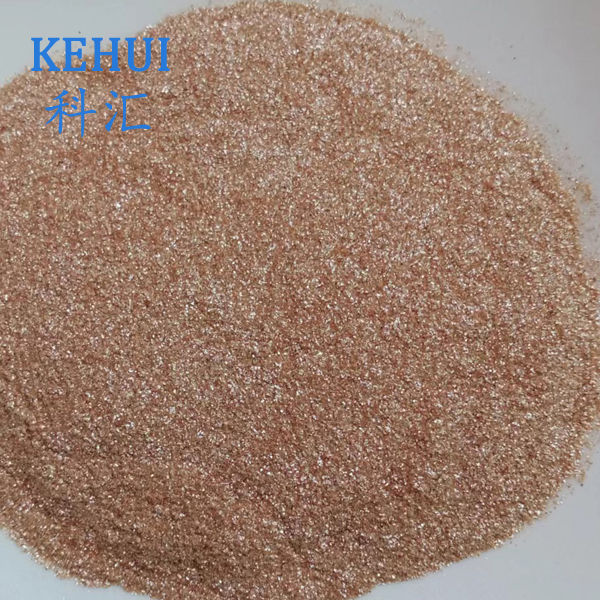
Having spent quite some time in the industrial equipment trade, I frequently crossed paths with various mineral additives. One that consistently sparked some interesting conversations is China black mica flakes. Oddly enough, these modest-looking flakes pack a punch in terms of versatility and performance. They're not just filler material — they're a key component that enhances the durability and aesthetics of multiple products.
You see, black mica flakes mined and processed in China have long been valued for their consistent quality and cost-effectiveness. I suppose what sets them apart is their crystalline structure, which provides excellent thermal resistance and chemical stability. So, when engineers talk about these flakes, they often mention how they help in heat insulation and corrosion resistance — a big deal for coatings and plastics manufacturers.
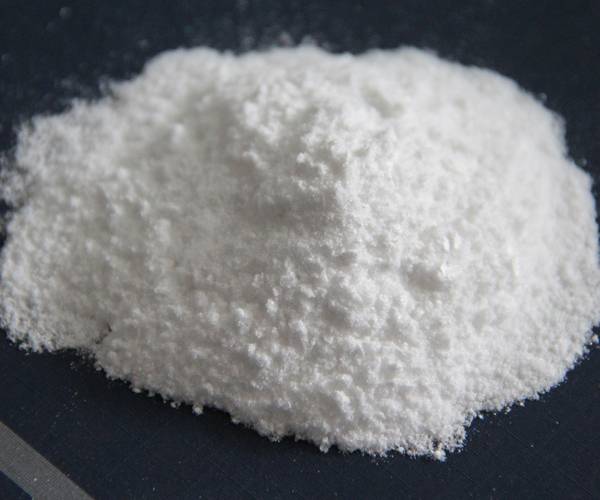
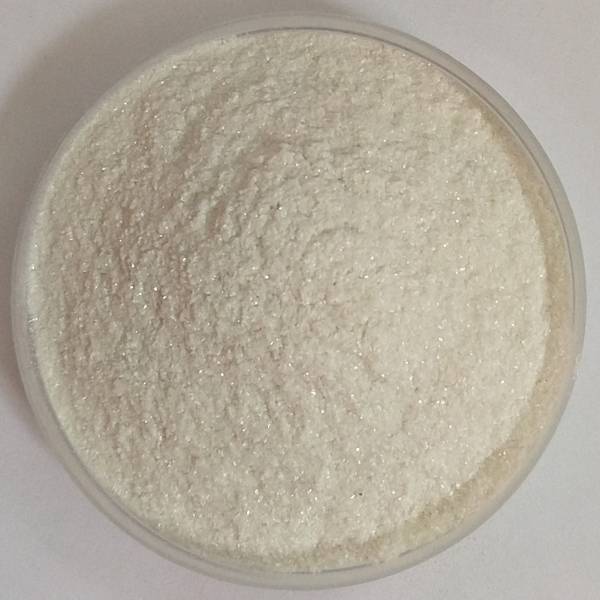
In real terms, the flakes come in various grades and sizes. From ultra-fine powder to larger flakes, the gradation affects their application. It feels like many suppliers try to balance flake size distribution carefully because this directly impacts ease of dispersion and overall final product aesthetics. Frankly, finding a vendor who consistently nails this is no small feat.
| Parameter | Typical Range | Importance |
|---|---|---|
| Flake Size | 30–100 mesh | Impacts surface finish & dispersion |
| Purity (Muscovite content) | 85-92% | Affects chemical resistance |
| Moisture Content | ≤ 0.5% | Ensures product longevity |
| Color | Deep Black to Dark Gray | Aesthetic appeal in coatings |
| Thermal Stability | Up to 900°C | For high-temperature applications |
One interesting nugget I picked up: customization is often key. Suppliers who can tailor flake size distribution or surface treatment often stand out. For instance, a customer I worked with emphasized the need for flakes that blended seamlessly into powder coatings used on automotive parts. The challenge was to avoid any unwanted sparkle or uneven texture, which can seriously affect product perception. Turns out, the right black mica flakes are as much about subtlety as performance.
Now, since many manufacturers source mica flakes globally, I find it handy to quickly compare top vendors — especially for those on tight budgets but unwilling to compromise quality. Here's a snapshot of a few well-known mica suppliers, including Chinese manufacturers and alternatives.
| Vendor | Price Range (per ton) | Product Consistency | Customization | Lead Time |
|---|---|---|---|---|
| Kehuimica (China) | $600–$850 | High | Yes | 2-4 weeks |
| Vendor B (India) | $700–$900 | Medium | Limited | 3-5 weeks |
| Vendor C (USA) | $900–$1100 | Very High | Yes | 1-3 weeks |
What I keep telling folks is that quality and supplier reliability ultimately define performance. Even the finest flakes won't deliver much if they're poorly stored or not properly tested for impurity levels. In many plants I've seen, incoming raw material inspection involves simple XRD and moisture analysis to quickly flag any anomalies. A smart QA step, if you ask me.
To wrap up, China black mica flakes remain a steadfast choice in many industries – from paints and coatings to plastics and even some specialty electronics. They balance cost, performance, and availability in a way few alternatives manage. Next time you hold an item with a sleek black finish or a durable heat shield, you might be touching mica flakes right under your fingertips. It’s funny how such tiny minerals make a big industrial difference.
A final thought: choosing the right mica flake supplier deserves as much care as selecting the rest of your raw material stack — kind of a quiet foundation that keeps things running smoothly.
References
- Industry Mineral Additives Handbook, 2022 Edition
- Thermal Performance Studies in Coating Materials, J. Materials Res. 2021
- Kehuimica Product Datasheets & Technical Bulletins
Latest news
-
Global Analysis and Trends of the Calcined Mica Flakes MarketNewsApr.16,2026
-
Technical Benefits of Calcined Mica for Welding ElectrodesNewsApr.09,2026
-
Superior Calcined Mica for Electrical Insulators Applications and BenefitsNewsApr.07,2026
-
Exploring the Versatility of Calcined Mica for Decoration and Diverse ApplicationsNewsApr.04,2026
-
Exploring Calcined Mica Properties Applications and Sourcing OptionsNewsMar.31,2026
-
Exploring the Versatile Applications of Mica Flakes Powder Across IndustriesNewsMar.28,2026
-
Synthetic Mica Flakes- Kehui Mica Co.|Heat-Resistant, High WhitenessNewsMar.27,2026
Related Products