Dec . 02, 2025 12:55
Back to list
Perlite for Cactus – Optimizing Growth & Sustainability with Expert Soil Amendments
Perlite for Cactus: Enhancing Growth Through Lightweight Soil Innovation
If you've ever dabbled in succulent care or have admired desert botanics, you might have stumbled across perlite for cactus. Perlite, a naturally occurring volcanic glass, plays a surprisingly pivotal role in how these resilient plants thrive—globally, even. The interest in this additive isn’t just hobbyist whimsy but ties directly into sustainable gardening, water conservation, and urban greening efforts worldwide. Understanding its function and benefits offers gardeners and industries alike an edge in nurturing healthier plants while conserving vital resources.
Global Relevance of Perlite in Cactus Cultivation
Oddly enough, the humble cactus has become something of a global ambassador for drought-resistant landscaping—a crucial trend as regions face increasing water scarcity. According to the United Nations’ World Water Development Report 2023, nearly 40% of the world’s population lives in water-stressed areas, and that’s set to rise (1). In such a context, using perlite for cactus cultivation is more than a gardening choice—it’s part of a strategy to optimize limited resources.
The challenge here is straightforward but tricky: cactus require well-draining soil that balances moisture retention without risking root rot. Traditional soils often fail to provide this balance, particularly in urban or indoor settings where natural soil profiles are limited.
Mini takeaway: Perlite’s role in cactus cultivation isn’t just niche—it's a practical solution to increasing global water and soil management challenges.
Defining Perlite for Cactus
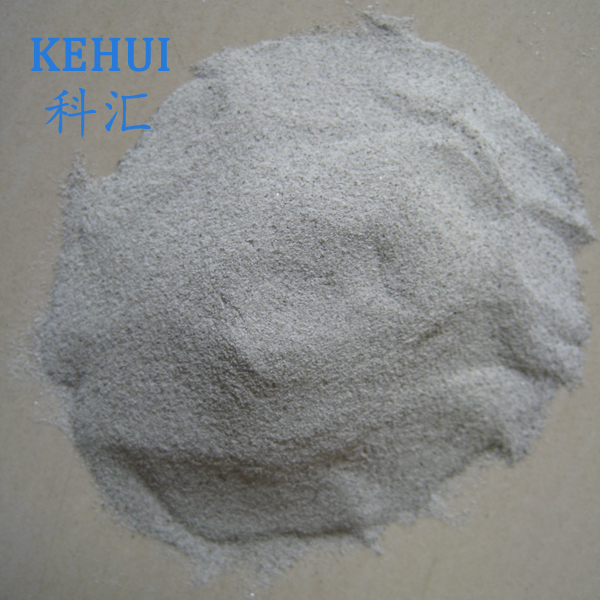
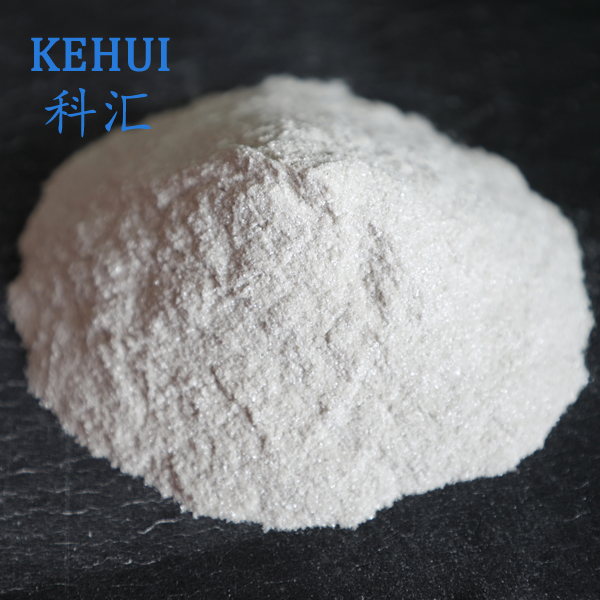
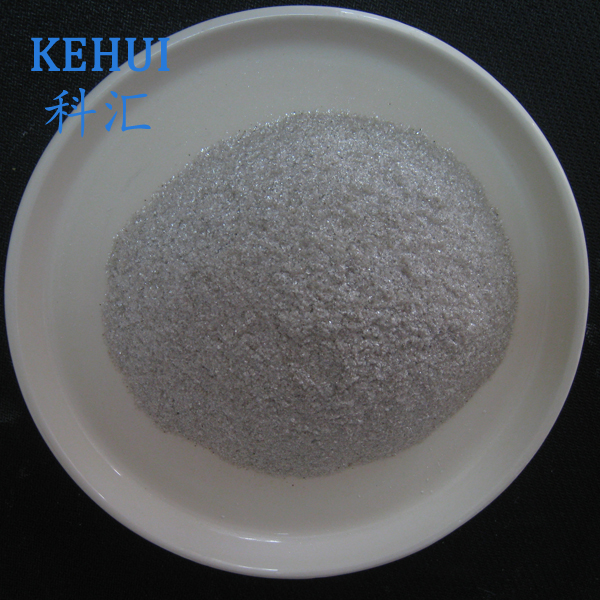
So what exactly is perlite for cactus? Perlite is an amorphous volcanic glass that, when heated to about 850–900°C, expands into lightweight, porous particles. These tiny white granules are sterile, inert, and highly porous, creating an ideal soil additive.
For cactus, these properties translate to improved aeration and moisture control in potting mixes. Given cacti’s adaptation to dry, often rocky habitats, mimicking these soil conditions facilitates healthier root systems and overall plant vigor.
From an industrial perspective, perlite’s lightweight nature also benefits the horticulture supply chain — making transport easier and reducing packaging volumes.
Key Factors in Perlite Use for Cactus
1. Soil Aeration
Cactus roots demand oxygen, akin to how we need air. Perlite creates air pockets improving root breathability and preventing compacted soil zones.
2. Water Retention and Drainage
Perlite holds a small amount of moisture but drains excess efficiently, which is paramount to prevent overwatering. This balance reduces root rot risk dramatically.
3. pH Neutrality
Because perlite is chemically inert, it won’t alter soil pH — preserving the slightly acidic to neutral soils cacti prefer.
4. Lightweight
Its low density means pots aren’t overly heavy, a boon for both indoor gardeners and commercial operations.
5. Sterility
Perlite is naturally sterile, reducing risk of soil-borne diseases that can stress or kill plants.
Mini takeaway: These core aspects show why perlite isn’t just filler but a functional amendment crucial to cactus cultivation and soil health.
Product Specification of Perlite for Cactus
| Property | Specification |
|---|---|
| Particle Size | 2-5 mm (standard horticultural grade) |
| Bulk Density | 80-140 kg/m³ |
| Moisture Content | |
| pH | 6.5–7.5 (neutral) |
| Sterility | Yes (naturally sterile) |
Leading Vendors of Perlite for Cactus
| Vendor | Product Range | Price Range (USD/ton) | Certifications |
|---|---|---|---|
| Kehuimica | Horticultural and industrial grades | 250 - 400 | ISO 9001, SGS |
| PerliteCactus Co. | Specialty cactus blends | 270 - 420 | Organic Certified |
| Volcanite Suppliers | Bulk raw perlite | 200 - 350 | ISO 14001 |
Global Applications & Use Cases
Around the globe, from the arid central valleys of California to the greenhouses of Northern Europe, perlite for cactus has found its niche. In industrial greenhouse settings, the combination of perlite with traditional peat or coconut coir improves cactus yields and reduces water consumption by up to 30%, according to studies by horticultural research centers (2).
In post-disaster urban greening initiatives—say, rebuilding drought-resistant parks after a wildfire—perlite-amended soil mixes accelerate plant establishment, enhancing ecosystem recovery. Similarly, botanical gardens in dry climates leverage perlite’s soil-conditioning to maintain rare cactus species with minimal water input.
Mini takeaway: Perlite’s real-world success isn’t just theoretical but shows tangible returns in water savings, plant health, and ecosystem restoration.
Advantages and Long-Term Value
- Cost Efficiency: While perlite costs slightly more upfront than basic soil, the improved water retention and plant health reduce replacement and watering expenses long-term.
- Sustainability: Given its natural origin and reusability, perlite fits well within eco-conscious gardening and agriculture movements.
- Social Impact: Encouraging drought-resilient gardening supports community well-being in water-stressed regions.
- Reliability: Its inert, stable nature means consistent performance season after season.
Future Trends & Innovations
Innovations in perlite processing are underway, focusing on enhancing pore structure for even better moisture regulation. There's interest as well in combining perlite with biochar or algae-based additives to merge water retention with nutrient release.
Digital soil sensors now integrate well with perlite’s predictable performance, enabling smart irrigation systems to adjust water delivery precisely, dovetailing with urban sustainability goals. I expect these trends to boost perlite’s popularity in smart horticulture.
Challenges & Solutions
One downside is perlite dust, which can pose inhalation risks during handling. Wearing a mask and using moistening sprays during application mitigate this risk. Also, some gardeners find perlite’s retention lower in very fine grades, so choosing the right particle size is crucial — often a blend is best.
Environmentally, since perlite is mined, concerns about habitat disruption exist. Vendors with ISO 14001 certification demonstrate responsible mining practices, which is a good quality signal.
FAQ: Frequently Asked Questions About Perlite for Cactus
- Q: Can I use perlite alone as a growing medium for cacti?
A: Pure perlite doesn’t provide nutrients, so while it offers excellent drainage, it's best mixed with organic matter or fertilizers for sustained plant health. - Q: How often should I repot cacti with perlite mix?
A: Generally, repotting every 2-3 years is ideal, ensuring root health and replenishing nutrients in the soil mix. - Q: Is perlite safe for indoor cactus plants?
A: Yes, perlite is inert and safe indoors; just minimize dust during handling. - Q: Where can I buy high-quality perlite for cactus?
A: Trusted suppliers like Kehuimica offer horticultural-grade perlite tailored for cactus and succulent care.
Conclusion
In real terms, perlite for cactus represents a blend of ancient geological processes meeting modern horticultural needs. It’s a small but mighty component that drastically improves plant health, water efficiency, and sustainability in cactus growing worldwide. Whether you’re a hobbyist nurturing a windowsill collection or a commercial grower scaling production, incorporating perlite elevates both outcomes and environmental responsibility.
Interested in exploring premium quality perlite products? Visit Kehuimica’s website for detailed options that suit your cactus growing needs.
Thanks for reading — and happy planting!
References:
1. United Nations World Water Development Report, 2023
2. Horticultural Research Institute, Water Use Efficiency Study, 2022
3. ISO Environmental Management Standards (ISO 14001)
Latest news
-
Global Analysis and Trends of the Calcined Mica Flakes MarketNewsApr.16,2026
-
Technical Benefits of Calcined Mica for Welding ElectrodesNewsApr.09,2026
-
Superior Calcined Mica for Electrical Insulators Applications and BenefitsNewsApr.07,2026
-
Exploring the Versatility of Calcined Mica for Decoration and Diverse ApplicationsNewsApr.04,2026
-
Exploring Calcined Mica Properties Applications and Sourcing OptionsNewsMar.31,2026
-
Exploring the Versatile Applications of Mica Flakes Powder Across IndustriesNewsMar.28,2026
-
Comprehensive Guide to 100 Mesh Mica Powder Applications and Industrial BenefitsNewsMar.26,2026
Related Products