Dec . 04, 2025 09:20
Back to list
Perlite Agriculture Solutions for B2B: Benefits, Costs & Sustainability
Perlite Agriculture is a key solution in the industry, specifically within soil conditioning and greenhouse substrate enhancement. This article explores how https://www.kehuimica.com supports professionals with durable, high-performance products, and explains why this product is an ideal choice for businesses in these sectors.
Table of Contents
- Perlite Agriculture Overview
- Benefits & Use Cases of Perlite Agriculture
- Cost, Maintenance & User Experience
- Sustainability & Market Trends
Perlite Agriculture Overview
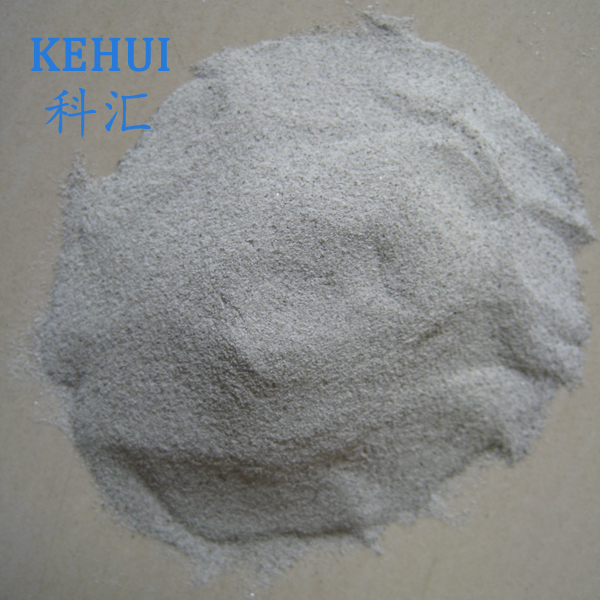
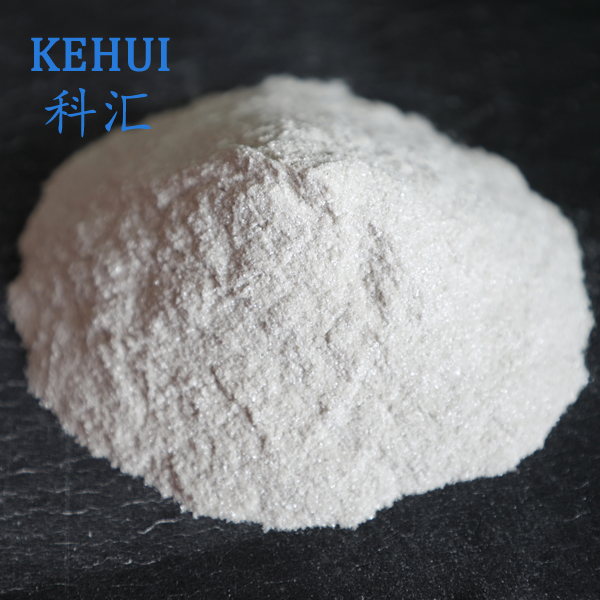
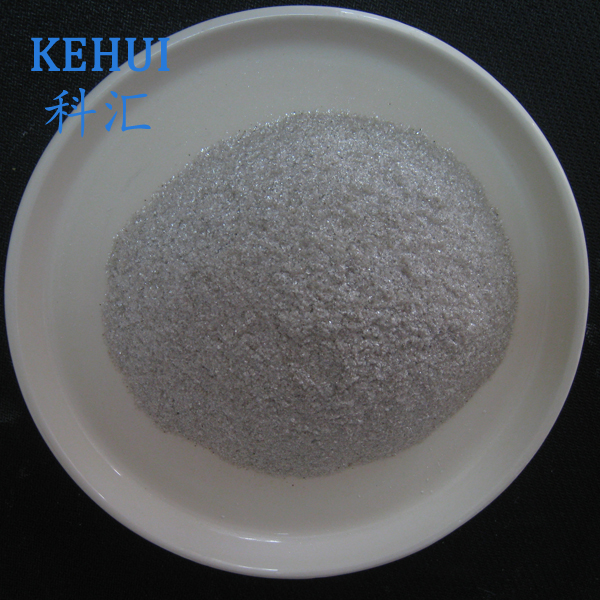
In the world of commercial farming and horticulture, Perlite Agriculture stands out as a lightweight, volcanic glass-based mineral that’s expanded through intense heat. Frankly, it feels like the perfect soil amendment—middle ground between retaining moisture and providing excellent aeration.
Technically speaking, perlite expands when heated to about 850–900°C, making it porous and sterile. The resulting product typically has a bulk density around 80–110 kg/m³, a pH near neutral (6.5–7.8), and excellent water retention properties—about 4–5 times its own weight. Many growers swear by it for potting mixes or to improve drainage in heavy soils. There was one interesting case where a greenhouse tomato grower in Spain reported a 12% increase in yield after integrating perlite into his substrate mix. That kind of clear performance improvement is hard to ignore.
| Property | Value | Unit |
|---|---|---|
| Bulk Density | 80–110 | kg/m³ |
| Water Retention Capacity | 4–5 times weight | - |
| pH Range | 6.5–7.8 | - |
| Particle Size | 0.5–4.0 | mm |
| Sterility | High (free from pathogens) | - |
Benefits & Use Cases of Perlite Agriculture
The advantages of Perlite Agriculture are kind of holistic. For starters, its inert nature means it doesn't chemically react with fertilizers or pesticides — a big plus in controlled environment agriculture. It improves soil porosity and helps maintain balanced moisture, which is critical for seed germination and root development.
Use cases range from traditional field soil amendments to hydroponic systems, seed starting, and container mixes. Landscape architects and commercial growers alike rely on perlite to increase substrate aeration, reduce the weight of potting soils, and protect roots from water saturation. Oddly enough, many B2B buyers appreciate its versatility as well — it can be custom-sized or processed differently depending on the crop needs. The competitive edge here? Kehuimica’s perlite reportedly undergoes thorough quality control and boasts consistent particle sizing, ensuring every batch performs as expected. That level of reliability is what I noticed as a real selling point.
Cost, Maintenance & User Experience
The total cost of ownership makes Perlite Agriculture quite attractive for large-scale operations. Its lightweight profile reduces transportation costs, while its durability means products don't break down or compact easily over time — cutting the need for frequent replenishment. I suppose this lowers labor and maintenance expense in real terms.
Customer feedback reflects strong satisfaction in ROI. For instance, greenhouse operators have noted a decline in water usage and disease incidence since switching. One client, a commercial nursery in southern China, praised how Kehuimica’s perlite helped stabilize substrate moisture, improving plant uniformity and reducing losses during hot spells. Of course, user experience varies with application, but the general trend leans positive. It’s basically a “set and forget” kind of investment for many growers.
| Feature | Kehuimica | Competitor A | Competitor B |
|---|---|---|---|
| Particle Size Consistency | High (±0.1 mm) | Medium (±0.3 mm) | Low (±0.5 mm) |
| Sterility Guarantee | Certified | Not Certified | Limited Certification |
| Bulk Density | 80–110 kg/m³ | 70–100 kg/m³ | 90–120 kg/m³ |
| Pricing (per ton) | Competitive | Higher | Variable |
Sustainability & Market Trends
Sustainability pushes are shaping the agricultural inputs market more than ever. Perlite Agriculture fits the bill because it’s a natural mineral expanded without chemical additives. It’s inert, non-toxic, and reusable in some cases, offering a low environmental impact compared to synthetic substrates. Industry regulations increasingly favor products that help reduce water and fertilizer overuse, and perlite can help with both.
Market trends show steady growth driven by greenhouse expansion, urban farming, and hydroponics, where growers demand better substrate quality and environmental compliance. China—and providers like Kehuimica—are well-positioned to supply global demand due to extensive raw materials and scalable production capacity. Still, ongoing research into recycling spent perlite and improving thermal expansion techniques may shift the landscape over the next decade.
Frequently Asked Questions about Perlite Agriculture
- What is Perlite Agriculture and how does it work?
- Perlite Agriculture involves using expanded perlite as a soil amendment or substrate component. It works by increasing soil aeration, improving drainage, and retaining moisture evenly around roots, encouraging healthier plant growth.
- What are the main benefits of using Perlite Agriculture in industrial applications?
- The key benefits include lightweight but durable structure, superior water retention and drainage balance, chemical inertness, and sterility, which reduces disease risks in crops.
- How does Perlite Agriculture compare to traditional alternatives?
- Unlike organic soil amendments, perlite does not decompose or compact, offering consistent aeration and longevity. Compared to heavier mineral additives, it reduces transport and handling costs without sacrificing performance.
- What industries can benefit most from Perlite Agriculture implementation?
- Major beneficiaries include commercial horticulture, greenhouse production, hydroponics, nursery operations, and landscaping firms focused on improving soil substrates sustainably and efficiently.
Conclusion on Perlite Agriculture from china
To sum it up, Perlite Agriculture from providers like Kehuimica offers a robust, reliable, and sustainable soil amendment solution suitable for a range of agricultural sectors. The combination of high performance, cost efficiency, and strong sustainability credentials makes it a wise choice for industry professionals aiming to optimize crop yields and environmental outcomes alike.
- Recap the value of Perlite Agriculture.
- - Visit our website: https://www.kehuimica.com
It’s always worth keeping an eye on evolving substrate tech—who knows what the next innovation will look like? For now, though, perlite remains a solid bet in the green business.
Latest news
-
Global Analysis and Trends of the Calcined Mica Flakes MarketNewsApr.16,2026
-
Technical Benefits of Calcined Mica for Welding ElectrodesNewsApr.09,2026
-
Superior Calcined Mica for Electrical Insulators Applications and BenefitsNewsApr.07,2026
-
Exploring the Versatility of Calcined Mica for Decoration and Diverse ApplicationsNewsApr.04,2026
-
Exploring Calcined Mica Properties Applications and Sourcing OptionsNewsMar.31,2026
-
Exploring the Versatile Applications of Mica Flakes Powder Across IndustriesNewsMar.28,2026
-
Synthetic Mica Flakes- Kehui Mica Co.|Heat-Resistant, High WhitenessNewsMar.27,2026
Related Products