Inside the supply chain: why Rubber Grade Illite powder factory sourcing is changing
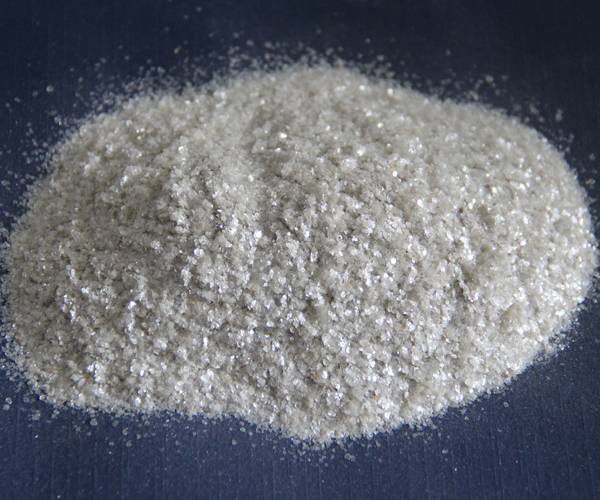
If you spend your days balancing reinforcement, processing aid, and cost in rubber compounds, you’ve noticed the shift. Mineral fillers aren’t just cheap extenders anymore; they’re tuned, audited, and—when chosen well—quietly boost durability. I’ve walked a few Hebei mines over the years, and the conversation keeps circling back to illite. It’s not hype: plate-like morphology, stable chemistry, and a surprisingly friendly price-to-performance.
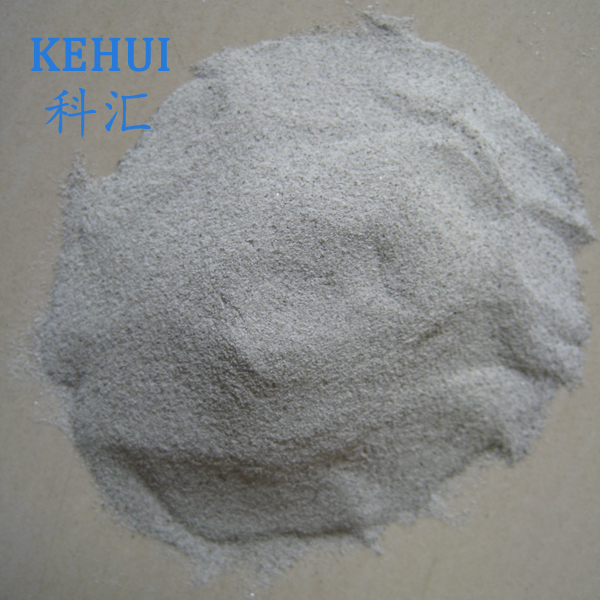
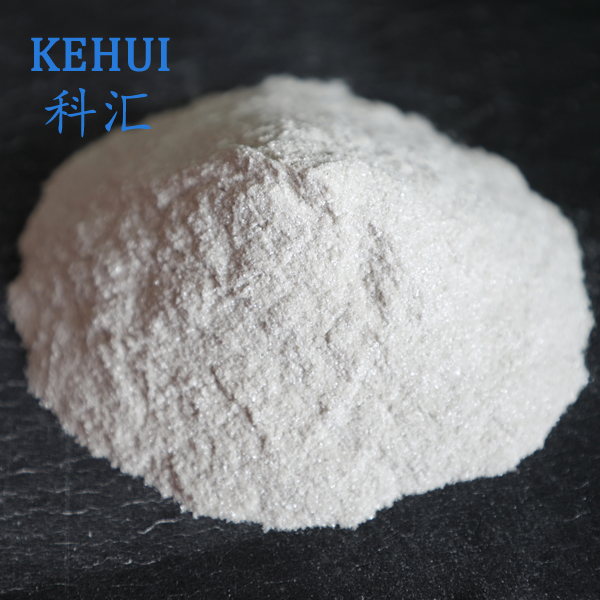
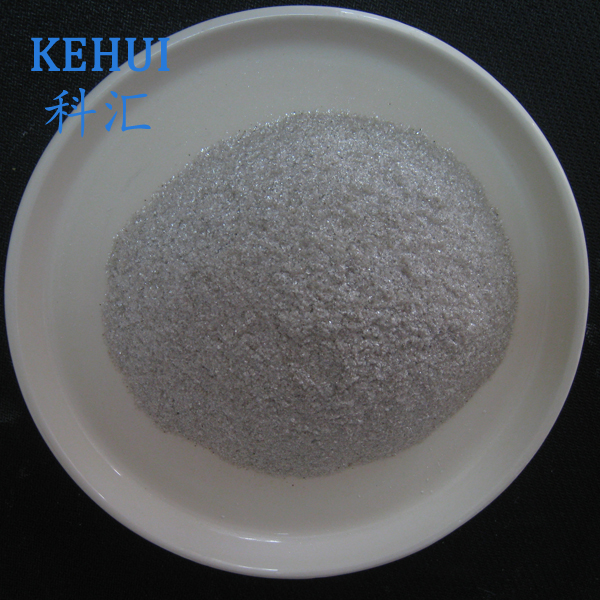
This material comes straight from Nanjialiang Village, Lingshou County, Shijiazhuang City, Hebei, China—right where the ore body sits. Proximity matters; shorter haul, fresher stock, traceability. To be honest, many customers say consistency is what they’re paying for, not just the powder.
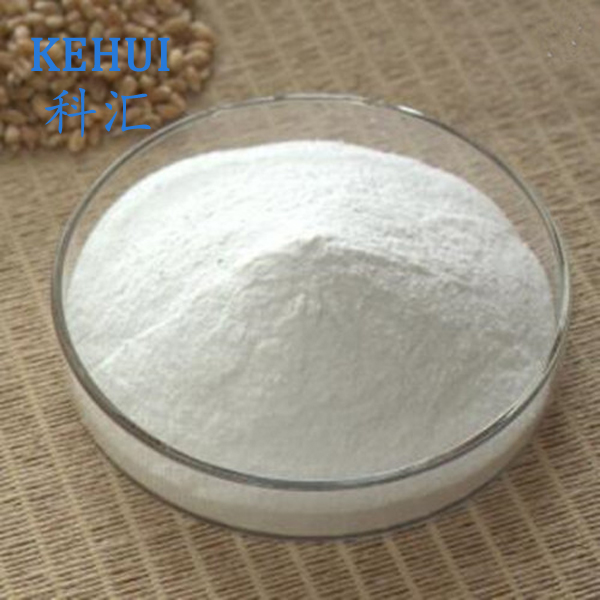
Quick specs (real-world use may vary)
| Parameter | Typical | Notes |
|---|---|---|
| Whiteness | ≈65–70 | Reflects ore seam; batch COA available |
| Particle size | 100–600 mesh | D50 often around 20–60 μm depending on grade |
| Specific gravity | 2.6–2.9 | XRF/XRD verified ranges |
| Moisture (as shipped) | ≤1.0% ≈ | Oven-dry method, batch tested |
Process flow and testing
Materials and methods: selective mining → crushing → magnetic removal → fine grinding → multi-stage air classification → moisture conditioning → bagging (25 kg or big-bag). Lot testing includes PSD (laser scattering), whiteness (reflectometer), LOI, and heavy metals screening per REACH guidance. Rubber validation uses ISO 37 / ASTM D412 tensile sets, and GB/T 3512 heat aging. In typical NR/SBR and NBR recipes, we’ve seen ≈5–12% abrasion improvement and slightly higher modulus at constant hardness—yes, depends on phr and co-fillers.
Where it fits
- Tires (inner components, not sidewall finish), shoe soles, conveyor belting, hoses, and gaskets.
- Good as partial replacement for kaolin or calcite when brightness isn’t critical but reinforcement is desired.
- Acts as processing aid in high-viscosity mixes—some mixers report easier sheet-off, surprisingly.
Why this Rubber Grade Illite powder factory stands out
- Mine-adjacent plant in Hebei enables tight PSD controls and fast grade switching.
- COA per lot; SGS/third-party testing available on request.
- Customization: tailored 200/325/600 mesh, surface treatment options (stearic acid or silane—pilot only).
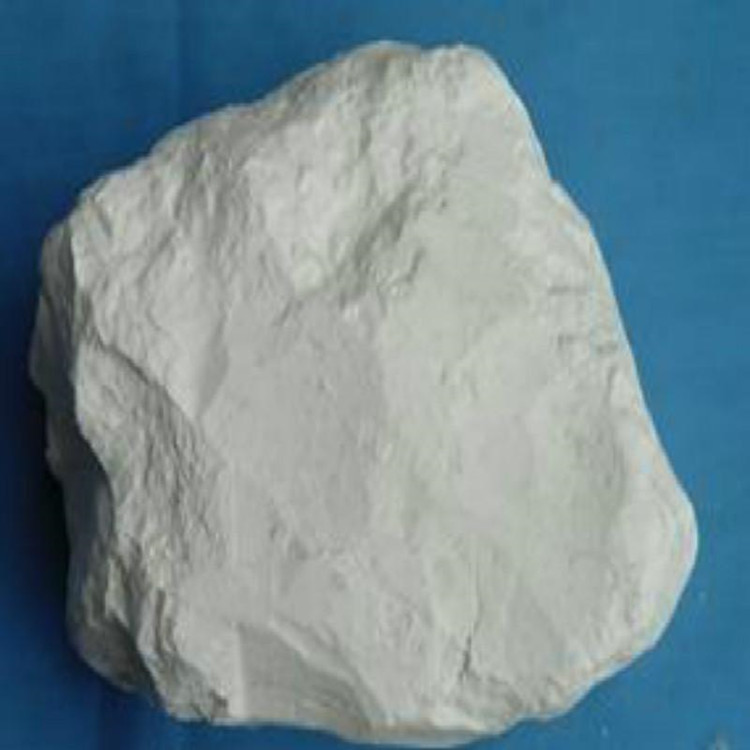
Vendor comparison (what buyers actually check)
| Criteria | Rubber Grade Illite powder factory | Trader B | Small Mill C |
|---|---|---|---|
| Ore proximity | On-site Hebei | Mixed sources | Regional |
| PSD control | Air classified, tight | Varies | Basic sieving |
| Certifications | ISO 9001; REACH aware | Claims only | None listed |
| MOQ / lead time | Flexible; 7–14 days ≈ | Fixed; 14–30 days | Uncertain |
Field notes and a quick case
One mid-size belt maker swapped 20 phr kaolin for 15 phr illite plus 5 phr CaCO3 in an NR/BR carcass. After aging at 100°C (GB/T 3512), tensile retention was ≈92% vs ≈86% baseline, and DIN abrasion improved about 8%. Not earth-shattering, but in large volumes it pays for itself. Their feedback: “mixing torque down a notch; finish is acceptable.”
Compliance and data points
- Quality system: ISO 9001 in place; batch COA archived ≥3 years.
- Safety/chemistry: aligns with EU REACH SVHC screening; heavy metals below common rubber limits (report available).
- Rubber testing references: ISO 37 / ASTM D412 tensile; GB/T 528 equivalent; GB/T 3512 heat aging.
- Service life: in abrasion-heavy parts, users report modest life extension when optimizing phr and coupling systems.
Origin note: Nanjialiang Village, Lingshou County, Shijiazhuang City, Hebei, China. Direct factory, keen pricing, and practical support for compounding tweaks.
- ISO 37: Rubber, vulcanized or thermoplastic — Determination of tensile stress-strain properties.
- ASTM D412: Standard Test Methods for Vulcanized Rubber and Thermoplastic Elastomers—Tension.
- GB/T 528-2009: Rubber, vulcanized or thermoplastic—Determination of tensile stress-strain properties.
- GB/T 3512-2014: Rubber, vulcanized or thermoplastic—Accelerated ageing and heat resistance tests.
- ISO 9001: Quality management systems—Requirements; EU REACH Regulation (EC) No 1907/2006.
Latest news
-
Global Analysis and Trends of the Calcined Mica Flakes MarketNewsApr.16,2026
-
Technical Benefits of Calcined Mica for Welding ElectrodesNewsApr.09,2026
-
Superior Calcined Mica for Electrical Insulators Applications and BenefitsNewsApr.07,2026
-
Exploring the Versatility of Calcined Mica for Decoration and Diverse ApplicationsNewsApr.04,2026
-
Exploring Calcined Mica Properties Applications and Sourcing OptionsNewsMar.31,2026
-
Exploring the Versatile Applications of Mica Flakes Powder Across IndustriesNewsMar.28,2026
-
Comprehensive Guide to 100 Mesh Mica Powder Applications and Industrial BenefitsNewsMar.26,2026
Related Products