Understanding mica price: Insights from the Industrial Equipment Sector
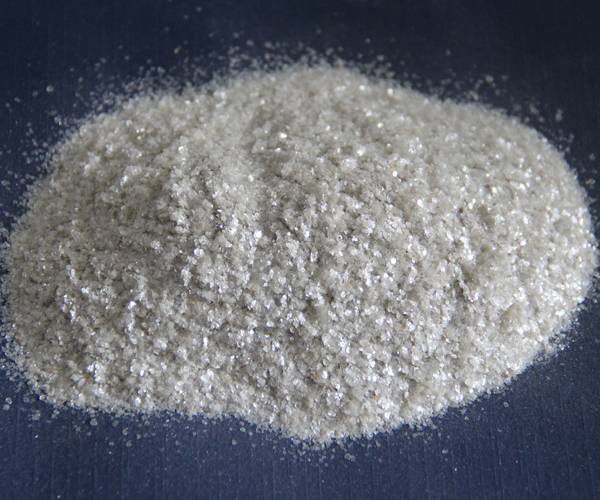
Having spent more than a decade in the industrial equipment world, I've grown to appreciate not only the materials we work with but also their market dynamics. Mica, for instance, isn’t just some dusty mineral on a geology chart. It’s an essential component in many electrical insulations, thermal barriers, and even high-voltage equipment. And, frankly, keeping an eye on the mica price movements often feels like navigating a tricky maze — influenced by mining yields, purity grades, and global demand.
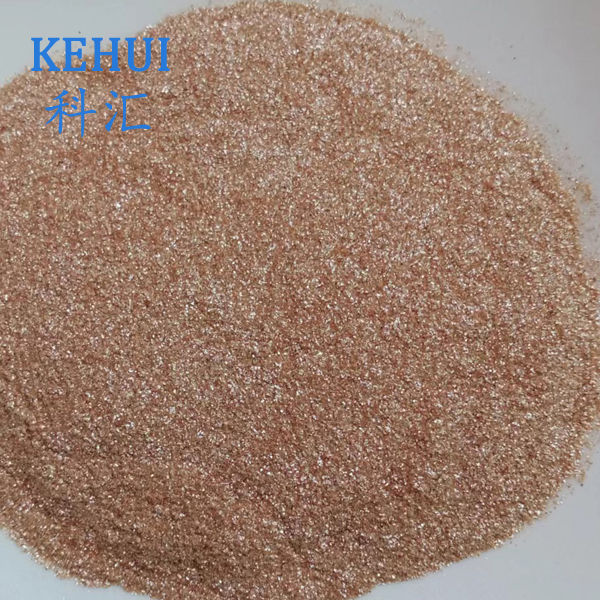
Now, if you’re wondering why mica price fluctuates so much, it’s mostly about quality and form. Crude mica extracted from mines needs significant processing to reach the specs suitable for our applications. The higher the grade – particularly in the muscovite variety – the higher the price. A bit anecdotal here, but I once worked on a project where the tinted mica’s cost doubled simply due to enhanced purity and layering thickness.
The industrial-grade mica we usually rely on is prized for its excellent dielectric strength and thermal resistance. Of course, these characteristics don’t come for free. The specs below give you a sense of the product’s vital stats we regularly track:
| Specification | Value | Notes |
|---|---|---|
| Grade | Electrical / Thermal Grade | Suitable for insulation & heat resistance |
| Purity | > 90% | High-grade mica sheets |
| Thickness | 0.1 – 0.5 mm | Varies by application |
| Thermal Resistance | Up to 700°C | Critical for many industrial uses |
| Dielectric Strength | > 50 kV/mm | Ensures excellent insulation |
When sourcing mica, vendors vary a lot – and so does their pricing strategy. I’ve worked with several suppliers, each with pros and quirks that affect mica price. For those just stepping into procurement or even engineers curious about their materials, it’s worth knowing how suppliers stack up beyond just the sticker price.
| Vendor | Price per Kg (USD) | Quality Rating | Delivery Speed | Customization |
|---|---|---|---|---|
| KeHuimica | 15 - 18 | High (90%+ purity) | Fast (2 weeks avg.) | Available on request |
| Vendor B | 13 - 16 | Medium (85% purity) | Moderate (3-4 weeks) | Limited |
| Vendor C | 18 - 22 | Very High (95%+ purity) | Slow (4-6 weeks) | Highly customizable |
Oddly enough, the best deals aren’t always the cheapest. That’s something I’ve seen firsthand. Whether it’s a large plant wiring up new equipment or a small outfit needing specialty mica sheets with unusual thickness, the vendor reliability and ability to meet specs on time is just as crucial as the mica price.
One story that sticks with me was a client who needed custom-cut mica sheets for high-temp transformers. The mica price was initially a concern, but a supplier like KeHuimica offered swift samples with exact tolerances. The peace of mind on delivery schedules and testing certification made all the difference, frankly — and saved them headaches, if not dollars.
In real terms, if you’re dealing with mica purchase decisions, it pays to balance cost with quality and supplier trustworthiness. Mica price is one piece of the puzzle; customer service and after-sale support are just as important. I suppose that’s true for most industrial commodities, but somehow mica, given its niche applications, demands that much more care.
So, if you’re navigating the mica scene, keep your eyes open, don’t just chase the lowest mica price, and remember: your supplier is a partner in your product’s reliability.
That’s just my two cents – from factories and field tests to vendor tables and real project stories.
References
- Industry standards for mica quality and thermal properties (IEC, ASTM)
- KeHuimica product catalogs and pricing sheets (2024)
- Customer feedback and supply chain case studies, 2018–2023
Latest news
-
Technical Benefits of Calcined Mica for Welding ElectrodesNewsApr.09,2026
-
Superior Calcined Mica for Electrical Insulators Applications and BenefitsNewsApr.07,2026
-
Exploring the Versatility of Calcined Mica for Decoration and Diverse ApplicationsNewsApr.04,2026
-
Exploring Calcined Mica Properties Applications and Sourcing OptionsNewsMar.31,2026
-
Exploring the Versatile Applications of Mica Flakes Powder Across IndustriesNewsMar.28,2026
-
Synthetic Mica Flakes- Kehui Mica Co.|Heat-Resistant, High WhitenessNewsMar.27,2026
-
Synthetic Mica Flakes- Kehui Mica Co.|Heat-Resistant, High WhitenessNewsMar.27,2026
Related Products