Mica Chips for Concrete: A Practical Insider’s Perspective
Having spent more than a dozen years navigating the industrial equipment and materials world, I’ve come across countless additives that promise to transform concrete — mica chips included. Oddly enough, these small mineral flakes tend to fly under the radar, yet they bring a distinctive flair to concrete mixes that engineers and contractors subtly appreciate.
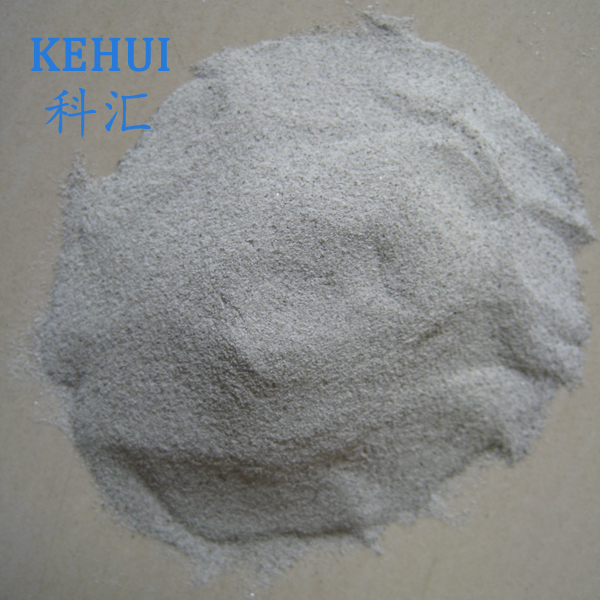
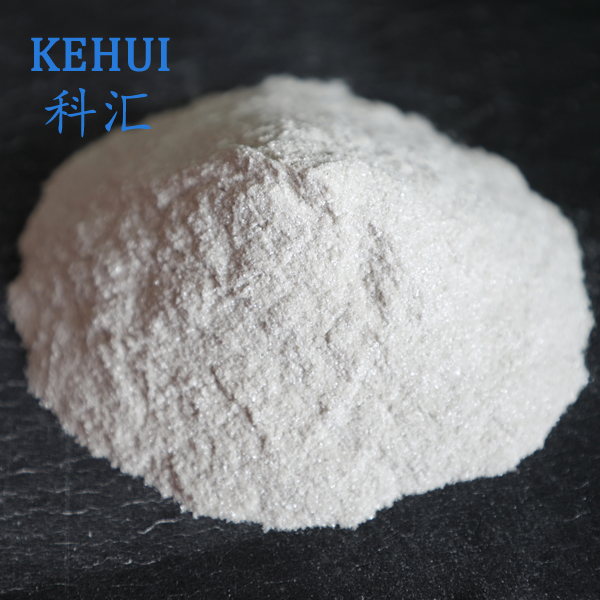
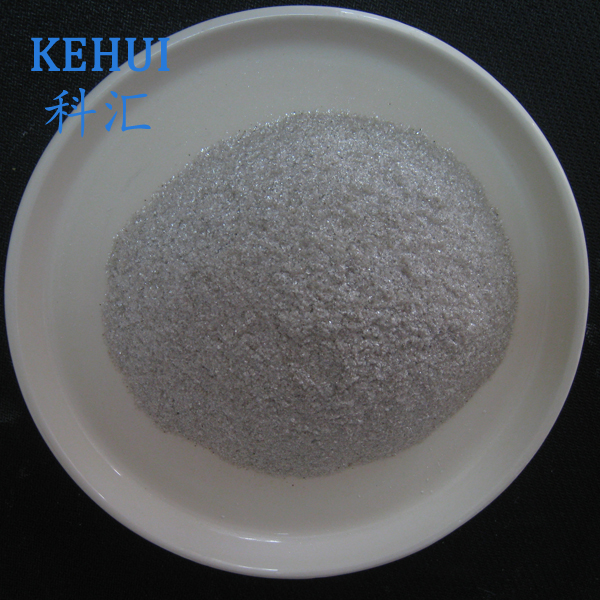
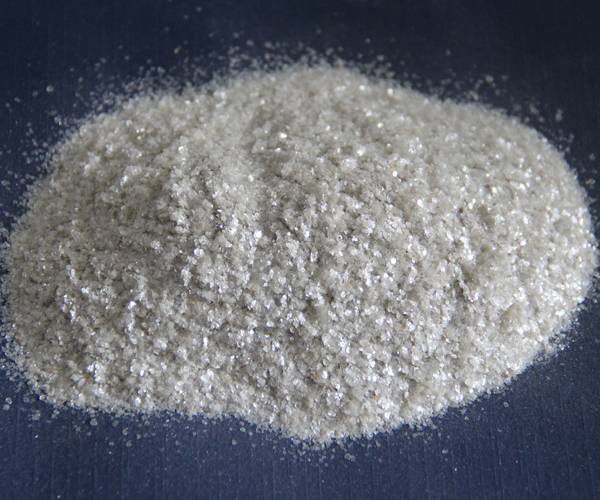
Mica chips for concrete have a unique ability to enhance both the visual appeal and functional quality of concrete surfaces. As someone who has handled various aggregates, I’ve noticed mica’s reflective properties add a subtle shimmer unlike other fillers. It’s not flashy—more like a quiet upgrade that shows up beautifully when the light hits your finished work.
What really intrigues me is mica’s natural composition: thin sheets of silicate minerals that bring natural toughness and flexibility to concrete. You might think adding minerals would make the mix heavy or brittle, but mica chips actually help control shrinkage and improve resistance to cracking. Frankly, that’s a big deal in industrial and architectural applications where surface integrity matters.
Product Specifications at a Glance
| Specification | Typical Value |
|---|---|
| Material | Natural Muscovite Mica |
| Chip Size | 0.5 – 3 mm |
| Moisture Content | Less than 0.5% |
| Purity | > 95% mica content |
| Bulk Density | ~0.3 g/cm³ |
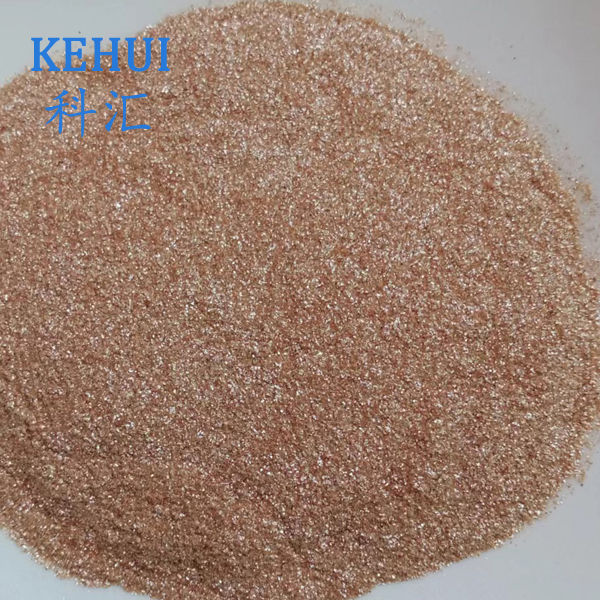
| Color | Ivory to Light Brown |
One of the reasons I’ve seen mica chips steadily gain traction in concrete formulations is their compatibility with additives like fibers or polymers. Some manufacturers actually customize mica dimensions and surface treatments, tailoring chips to specific performance goals. This isn’t off-the-shelf business — it demands a good dialogue between concrete techs and suppliers.
Comparing Leading Mica Chip Vendors
| Feature | Ke Hui Mica | Vendor A | Vendor B |
|---|---|---|---|
| Chip Size Range (mm) | 0.5 – 3 | 1 – 4 | 0.2 – 2.5 |
| Purity | >95% | >90% | >93% |
| Moisture Content (%) | ~1.0 | ~0.7 | |
| Customization Options | Size, Surface Treatment | Limited | Size only |
| Typical Applications | Concrete fillers, Coatings, Plastics | Primarily Insulation Materials | Paints, Construction |
I once worked with a contractor who specified mica chips in a polished concrete floor for a retail store — the way the mica caught the overhead lights was subtle, elegant, and frankly impressive for people who weren’t looking for sparkle. It was one of those “hidden” features where the end-user feels the difference but can’t quite say why.
From my lens, mica chips for concrete are a solid choice when you want a material that merges durability with refined aesthetics. They’re kind of like a secret ingredient in a recipe—once you know about them, you wonder why you didn’t try them earlier.
In real terms, you need to balance the mix design carefully — too much mica and the surface can become a bit dusty or lose cohesion. But at 5–15% volume replacement, it often enhances workability and crack resistance noticeably. Many engineers tell me the long-term benefits in maintenance and visual appeal are worth it, especially in decorative concrete applications.
If you’re considering a supplier, don’t hesitate to ask for sample batches and technical data sheets (TDS). Product consistency and purity vary, and that subtle difference can make or break a project’s quality. Oh, and if they offer customization — that’s a bonus as each project’s requirements can be pretty unique.
It’s one of those materials where experience really counts, and I’d advise getting a trusted source like Ke Hui who openly shares their specs and has a good track record. Mica chips might not headline every construction site, but they quietly raise the bar on concrete quality.
Bottom line: When you want concrete that’s tough yet subtly stylish, don’t overlook the power of mica chips.
References:
1. Ke Hui Mineral Technology – Product Brochure, 2023
2. "Enhancements in Concrete Composites," Journal of Construction Materials, 2021
3. Personal experience managing material selection on industrial projects, 2015-2023
Latest news
-
Technical Benefits of Calcined Mica for Welding ElectrodesNewsApr.09,2026
-
Superior Calcined Mica for Electrical Insulators Applications and BenefitsNewsApr.07,2026
-
Exploring the Versatility of Calcined Mica for Decoration and Diverse ApplicationsNewsApr.04,2026
-
Exploring Calcined Mica Properties Applications and Sourcing OptionsNewsMar.31,2026
-
Exploring the Versatile Applications of Mica Flakes Powder Across IndustriesNewsMar.28,2026
-
Synthetic Mica Flakes- Kehui Mica Co.|Heat-Resistant, High WhitenessNewsMar.27,2026
-
Synthetic Mica Flakes- Kehui Mica Co.|Heat-Resistant, High WhitenessNewsMar.27,2026
Related Products