Dec . 12, 2025 04:25
Back to list
Mica Bulk: Industrial Uses, Quality Insights & Supplier Comparison
Understanding mica bulk: A Veteran’s Take on Industrial Uses and Quality
Having spent over a decade in the industrial equipment field, I’ve seen countless materials come and go, but mica bulk still holds a unique place in my toolkit of reliable insulators and fillers. You know, mica has this almost timeless aura—it's been used for ages, yet it keeps adapting to new tech demands. Kids of the plastics and composites world might scoff, but there's an old-school charm in how versatile it remains.
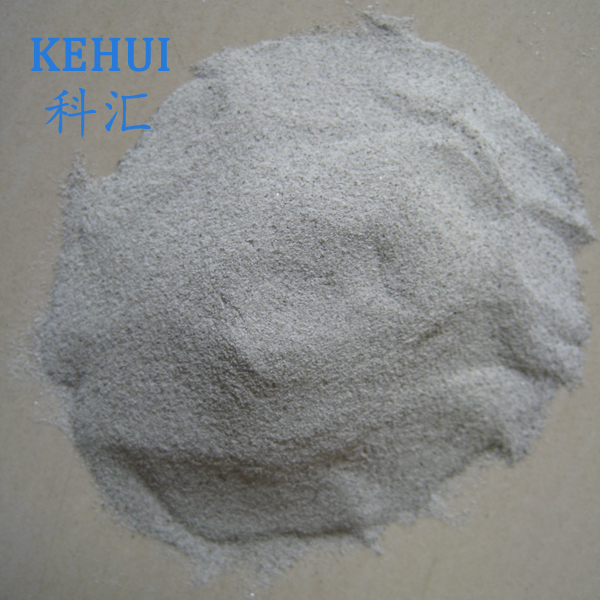
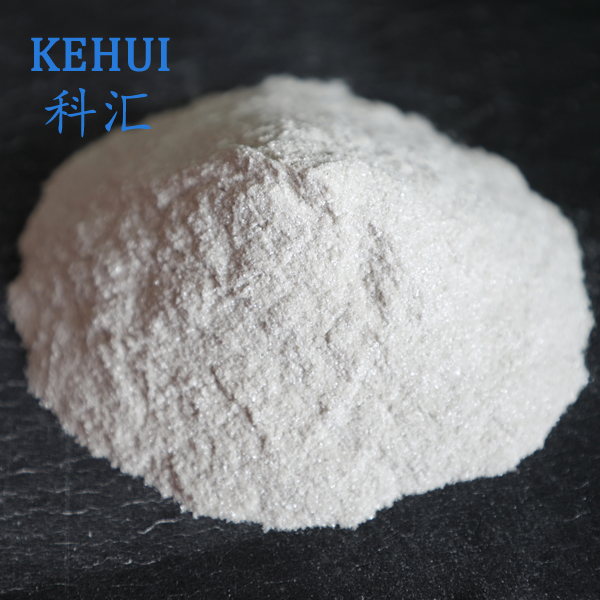
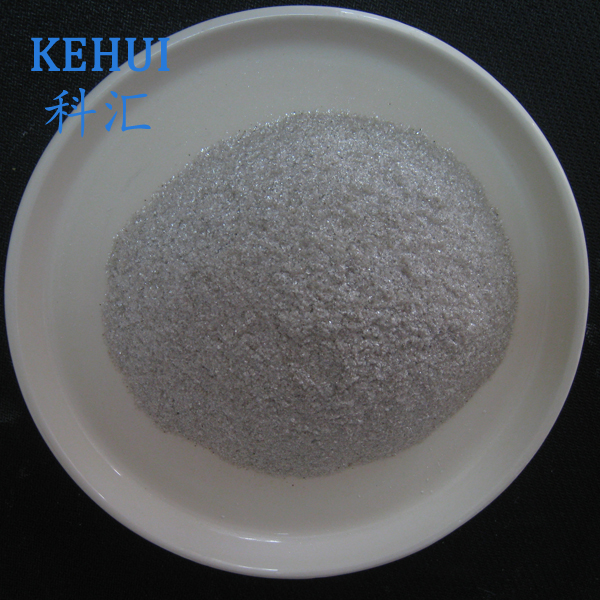
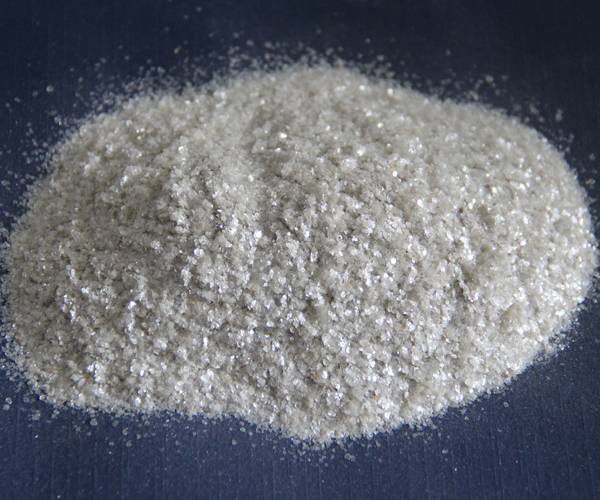
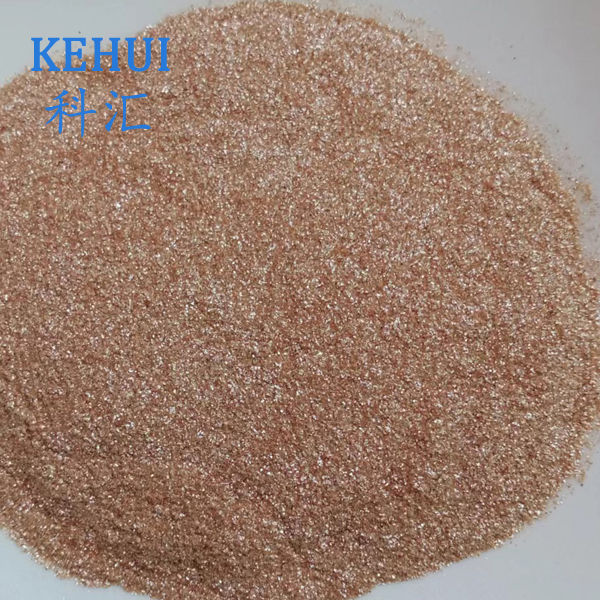
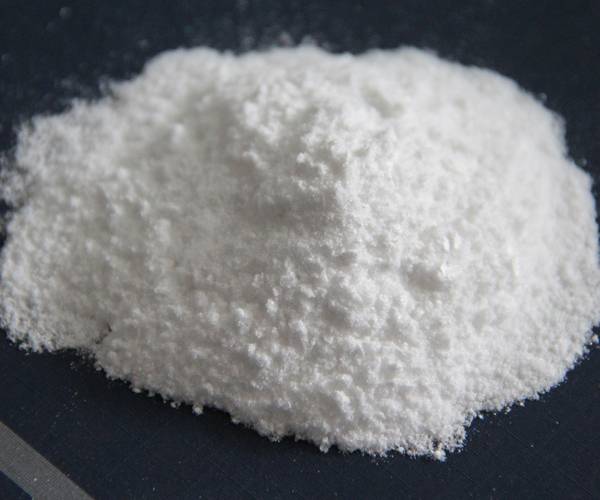
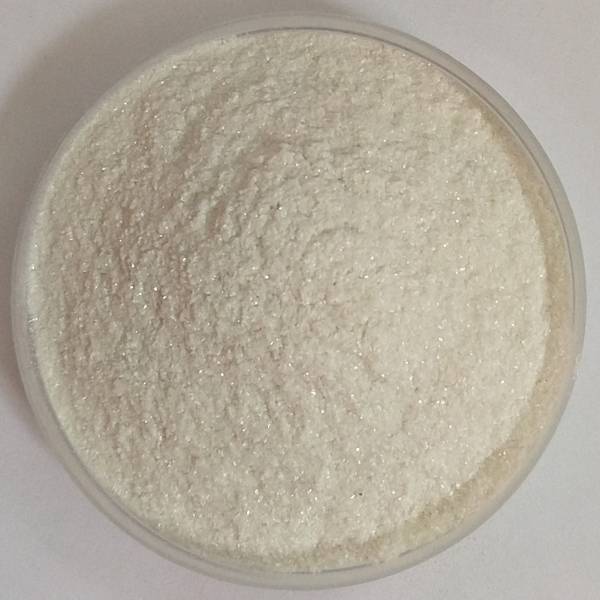
Now, mica bulk—if you aren’t already familiar, it’s the raw or processed mineral mica, typically turned into flake or powder form before going into applications. It’s not just any mineral; it’s incredibly heat-resistant, electrically insulating, chemically stable, and somewhat mechanically sturdy. Frankly, those properties make it invaluable in electrical, automotive, and construction industries.
In real terms, using mica bulk in equipment manufacturing often boils down to how fine or coarse the flakes are, their purity, and sometimes their color. Oddly enough, engineers often debate the balance between particle size and flexibility in a finished product. Smaller mica flakes weave better into plastics or rubber, while larger plates might lend better electrical insulation in harsh environments.
One interesting thing I noticed when clients order mica bulk from suppliers is the customization scope. While standard grades cover a huge base of needs, some industries ask for mica with specific thermal conductivity or impurity thresholds. A memorable case was a manufacturer needing mica bulk with ultra-low iron content for a sensitive aerospace insulation. It wasn’t trivial, but the results? Stellar.
Typical mica bulk product specifications
| Specification | Typical Range | Notes |
|---|---|---|
| Particle Size (mesh) | 50–200 | Depends on end use |
| Purity (%) | >90% | Higher purity preferred for electrical insulation |
| Moisture Content (%) | Important for shelf life | |
| Color | White to off-white | Varies by deposit source |
| Thermal Stability (°C) | Up to 900 | Excellent for high-temp industries |
Comparing top mica bulk suppliers: What you need to know
| Supplier | Purity (%) | Customization | Lead Time (weeks) | Pricing |
|---|---|---|---|---|
| KeHuimica | 95+ | Wide range; special grades available | 2–3 | Competitive |
| Vendor B | 90–93 | Limited | 3–5 | Moderate |
| Vendor C | 92+ | Some customization | 4 | Higher-end |
When it comes to sourcing mica bulk, I always advise paying close attention to the supplier’s ability to meet your specific specs and maintain consistent quality—and honestly, trust goes a long way here. I recall a long-standing client in the electrical sector who switched suppliers just because the mica bulk they received had a slight color inconsistency, which hinted at impurities that they simply couldn’t risk.
In a nutshell, mica bulk keeps proving its value across industries—from aerospace to automotive to electronics. It’s a balance of nature’s durability and engineering finesse. If you’re diving into using mica bulk, do your homework on specs, test samples first, and always stay curious about how your batch performs over time.
Just like a seasoned engineer once said, “Materials are only as good as the eye that inspects them.” Couldn’t agree more.
Reflection: Working around mica for years, I rarely see it get the spotlight it deserves. Maybe it’s underappreciated, or maybe it just quietly does its job... and in industry, that reliability is golden.
References:
1. KeHuimica product datasheets
2. Industry discussions on insulation materials, IEEE Xplore
3. Client case files (names anonymized for confidentiality)
Latest news
-
Global Analysis and Trends of the Calcined Mica Flakes MarketNewsApr.16,2026
-
Technical Benefits of Calcined Mica for Welding ElectrodesNewsApr.09,2026
-
Superior Calcined Mica for Electrical Insulators Applications and BenefitsNewsApr.07,2026
-
Exploring the Versatility of Calcined Mica for Decoration and Diverse ApplicationsNewsApr.04,2026
-
Exploring Calcined Mica Properties Applications and Sourcing OptionsNewsMar.31,2026
-
Exploring the Versatile Applications of Mica Flakes Powder Across IndustriesNewsMar.28,2026
-
Comprehensive Guide to 100 Mesh Mica Powder Applications and Industrial BenefitsNewsMar.26,2026
Related Products