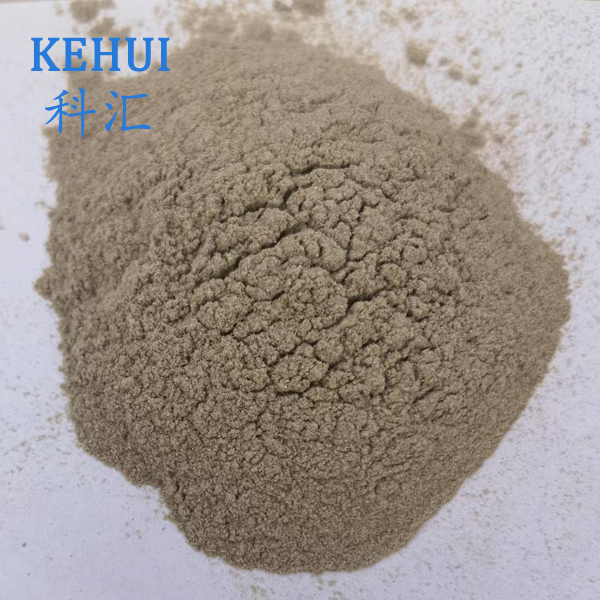
Industrial mica muscovite Solutions for Bahrain's High-Temp Manufacturing

Providing high-purity dielectric and thermal insulation materials engineered for the extreme climatic conditions of the Gulf region.

Industrial mica muscovite Solutions for Bahrain's High-Temp Manufacturing

Specialized mineral processing and supply of premium muscovite derivatives designed to enhance structural stability and electrical insulation in Bahrain's industrial sector.

Current Status of Non-Metallic Mineral Manufacturing in Bahrain

Analyzing the intersection of mineral processing and the Arabian Gulf's extreme environment.

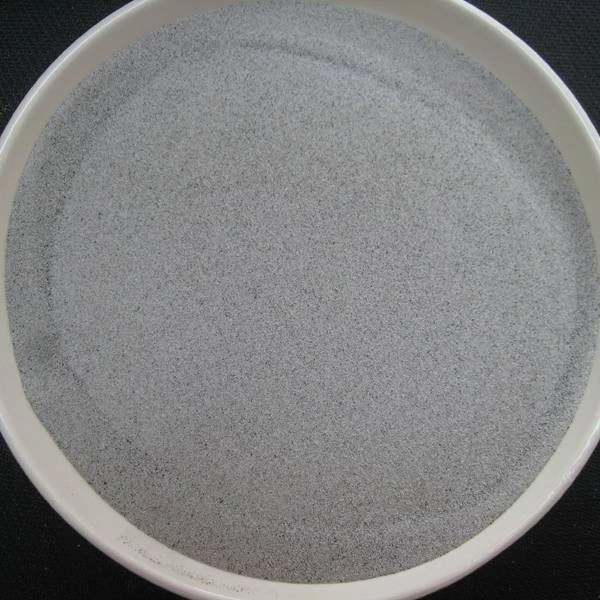
In Bahrain, the manufacturing of non-metallic mineral products is heavily influenced by the region's extreme heat and humidity. The demand for mica powder has grown significantly as the construction and electronics sectors seek materials that can withstand high thermal stress without degrading.

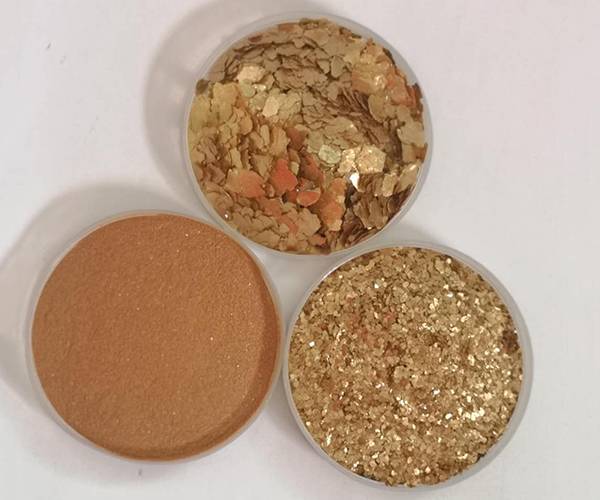
The local industry currently relies on high-performance imports to maintain precision in electrical components. The utilization of mica flake is critical in the production of heat-resistant coatings and joint compounds used in Bahrain's petrochemical refineries and desalination plants.

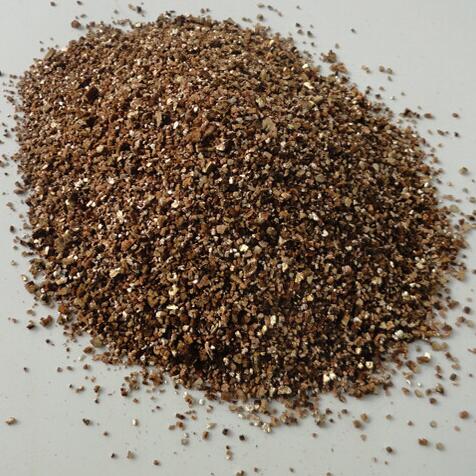
Despite the scarcity of natural deposits, Bahrain's strategic position as a logistics hub allows for the rapid integration of advanced mica coarse materials into local additive manufacturing and specialized refractory bricks production.
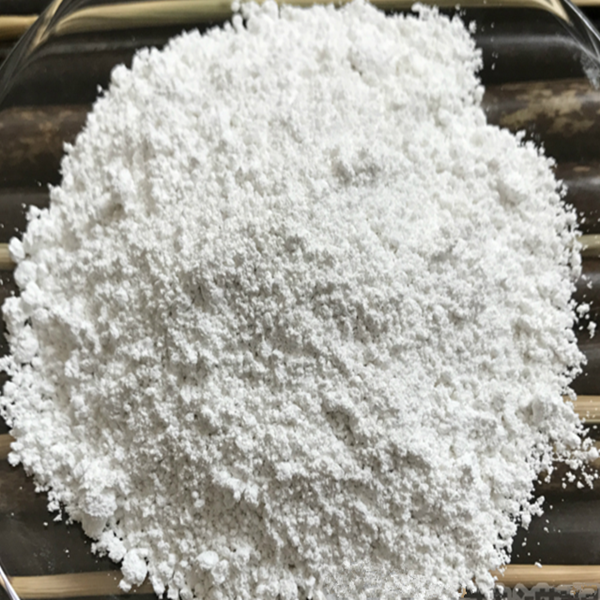
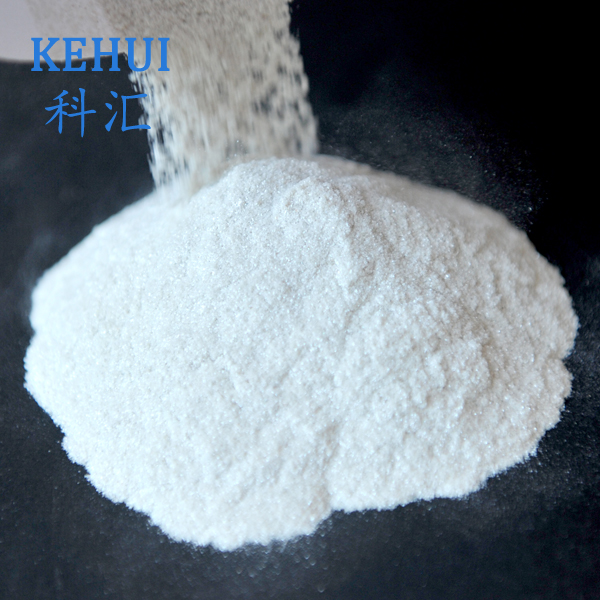
Evolution and Technical Trajectory of Mica Application

From traditional insulation to nanostructured mineral engineering.

Market Development History

During the early industrialization of Bahrain (1970s-1990s), mica was used primarily in its raw, bulk form for basic electrical insulation and furnace lining, focusing on simple thermal barriers.

By the 2010s, the shift moved toward precision grading. The industry transitioned from coarse materials to standardized muscovite sheet production, enabling more compact and efficient electrical components for the expanding urban infrastructure.

Currently, the focus has evolved into chemical purification and particle size optimization, where micronized minerals are engineered to improve the viscosity and heat resistance of advanced industrial polymers.

Future Development Trends

Hybrid Composite Integration

Increasing integration of mineral flakes with synthetic polymers to create ultra-durable, heat-shielding composites for the aerospace and automotive sectors in the GCC.

Nanoscale Particle Engineering

A shift toward sub-micron particles to enhance the mechanical properties of high-strength concrete used in Bahrain's coastal infrastructure projects.

Eco-Friendly Mineral Processing

Implementing closed-loop water recycling in the processing of mica to align with Bahrain's Vision 2030 sustainability goals.

Industry Trends and Future Outlook

Predicting the next 5 years of non-metallic mineral evolution in the Asia-Bahrain corridor.

Thermal Resilience Optimization
Developing specialized mineral blends to combat Bahrain's 50°C+ summer peaks in industrial equipment.
Dielectric Strength Scaling
Improving the voltage breakdown resistance of mica-based insulators for the modernization of the national power grid.
Precision Micronization
Utilizing advanced milling to produce consistent particle sizes for high-end cosmetic and automotive coatings.
Smart-Material Integration
Developing mica-composite sensors for real-time temperature monitoring in heavy industrial furnaces.

Industry Outlook

Google search trends for "high-temperature insulation" and "industrial mineral additives" in the Middle East indicate a strong pivot toward sustainable and energy-efficient materials. In Bahrain, we expect a CAGR of 4.5% in the specialty mineral segment over the next 3 years.

The convergence of the 4th Industrial Revolution (Industry 4.0) and mineralogy will lead to the adoption of AI-driven quality control in the production of mica derivatives, ensuring zero-defect shipments for critical aerospace components.

Localized Application Scenarios in Bahrain

Practical implementations of mica products across Bahrain's key industrial sectors.

01. Aluminum Smelter Thermal Barriers

Using coarse-grade muscovite in refractory linings for Bahrain's aluminum industry to prevent heat leakage and reduce energy consumption during smelting.

02. Desalination Plant Coating

Implementing micronized mineral powders in anti-corrosive coatings for piping systems to resist the hypersaline environment of the Arabian Gulf.

03. Electrical Grid Insulation

Applying high-voltage muscovite sheets in power transformers to ensure electrical stability during the peak summer electricity demand surges.

04. Petrochemical Heat Shields

Integrating mica-based composites into heat shields for refinery valves, preventing thermal degradation of gaskets in high-pressure steam lines.

05. Specialized Construction Additives

Adding mineral flakes to high-performance concrete for Bahrain's luxury coastal developments to improve crack resistance and thermal insulation.

Brand Story

Global Development History of Shijiazhuang Rijia Import and Export Trade Co., Ltd.

Foundation and Core Vision

Established with a mission to bridge the gap between raw mineral extraction and high-precision industrial application, focusing on solving purity issues in mica processing.

Technical Breakthroughs

Developed proprietary milling technology that allowed for the production of ultra-consistent particle sizes, meeting the strict E-E-A-T standards of global engineering firms.

Global Market Expansion

Successfully penetrated the GCC market, tailoring mineral specifications to meet the extreme climatic demands of regions like Bahrain and Saudi Arabia.

Quality Certification Era

Achieved international certifications for non-metallic mineral purity, becoming a trusted partner for Fortune 500 companies in the electronics sector.

Sustainable Future Goal

Currently leading the transition toward "Green Mining" and eco-friendly mineral logistics to support the global carbon-neutral movement.

Comprehensive Mineral Portfolio for the Bahraini Market

From micronized powders to industrial-grade sheets, engineered for the Middle East.

Frequently Asked Questions in Bahrain

Expert answers to technical queries regarding non-metallic mineral application.

How does mica powder perform in Bahrain's high-humidity coastal areas?

Our mica powder is chemically inert and hydrophobic, meaning it does not absorb moisture, ensuring that coatings and composites maintain their structural integrity even in 90%+ humidity.

What is the best grade of mica flake for petrochemical heat shields?

For petrochemical applications, we recommend a medium-to-coarse flake size which provides a better overlapping structure, creating a more effective thermal barrier against high-temperature steam.

Can mica coarse materials be used in aluminum smelting refractories?

Yes, coarse muscovite is ideal for refractory bricks due to its high melting point and low thermal conductivity, significantly reducing the heat loss in smelting furnaces.

What are the dielectric advantages of using mica muscovite in power grids?

Muscovite offers exceptional dielectric strength and resistance to corona discharge, making it essential for insulators that must operate under the high thermal stress of Bahrain's summers.

How is muscovite sheet processed for precision electrical components?

The sheets are split to precise micron-thicknesses and then treated for purity, ensuring a consistent insulating layer that prevents short-circuits in compact electronic assemblies.

What shipping standards are used for mineral exports to Bahrain?

We use moisture-proof, vacuum-sealed industrial packaging to ensure that the minerals arrive without contamination or clumps, regardless of the transit climate.

Request Technical Specifications

Our engineers are ready to provide customized mineral solutions for your manufacturing projects in Bahrain.

Contact Us Now

If you are interested in our products, you can choose to leave your information here, and we will be in touch with you shortly.