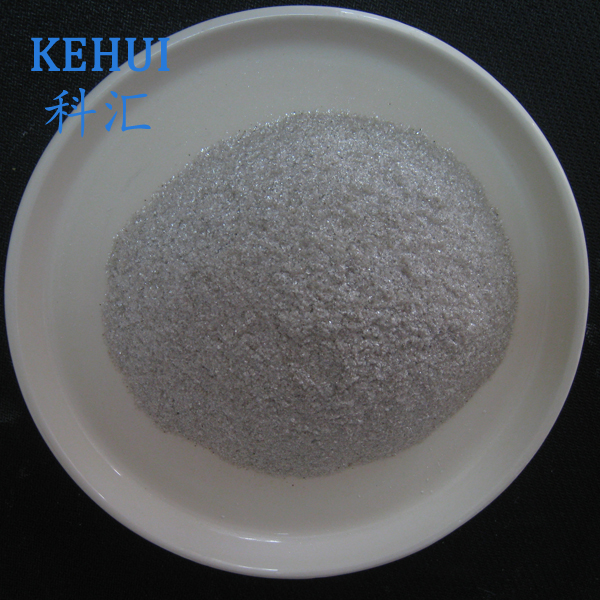
Industrial Insulation Solutions with mica muscovite in Poland

Providing high-performance mineral solutions for Poland's advanced manufacturing sector, specializing in thermal stability and electrical insulation.

Industrial Insulation Solutions with mica muscovite in Poland

Optimizing the non-metallic mineral processing industry in Poland through precision-engineered muscovite products for extreme environment applications.

Current Market State of Mineral Processing in Poland

Analysis of the non-metallic mineral manufacturing landscape within the Polish industrial corridor.

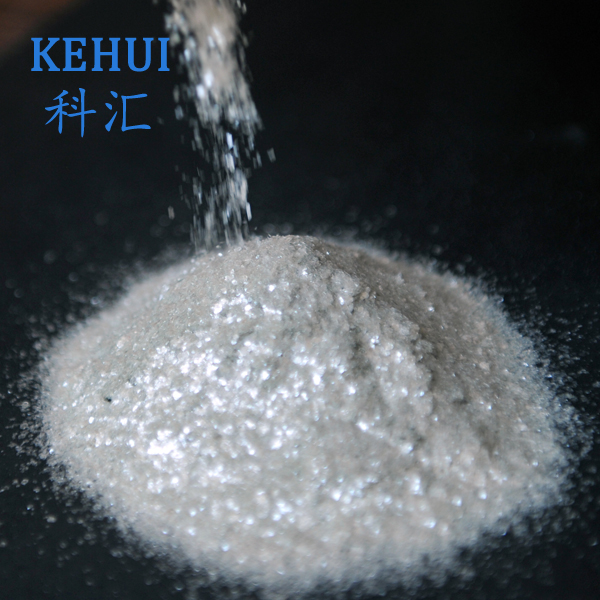
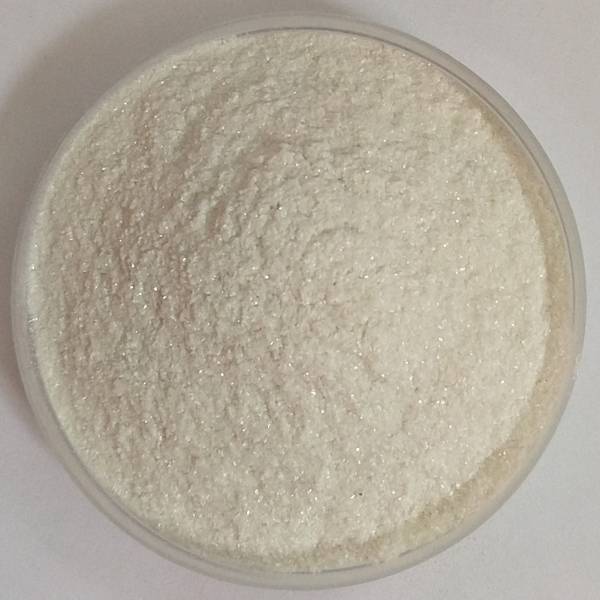
Poland's manufacturing sector, particularly in the Silesian and Lesser Poland regions, maintains a robust demand for specialized minerals. The local industry heavily relies on mica powder to enhance the durability of construction materials and heat-resistant coatings, driven by the country's strong automotive and aerospace components supply chain.

Economic transitions toward "Industry 4.0" in Poland have forced traditional mineral processors to shift from bulk raw material supply to high-purity functional fillers. The integration of mica flake has become essential for local polymer manufacturers seeking to improve the dielectric properties of electronic housing materials.

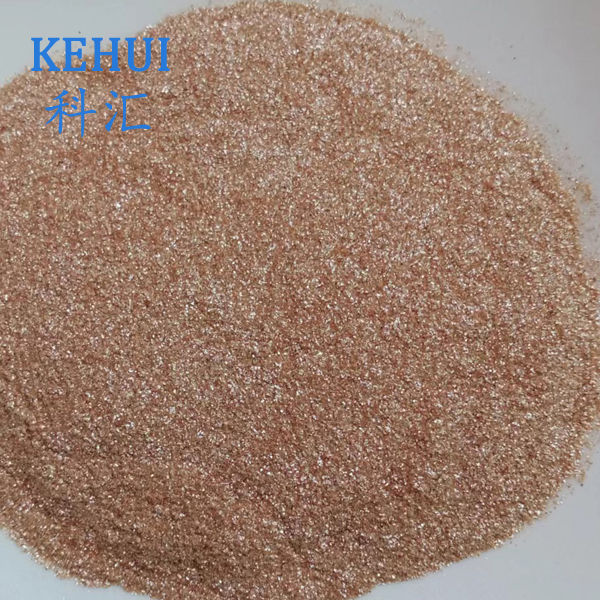
Despite the presence of local geological deposits, Poland increasingly imports high-grade mica coarse to satisfy the stringent requirements of the heavy machinery and furnace lining industries, where thermal shock resistance is non-negotiable.
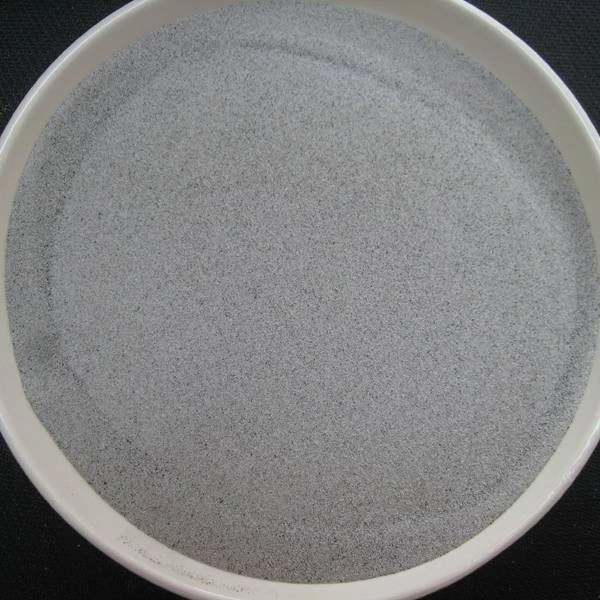
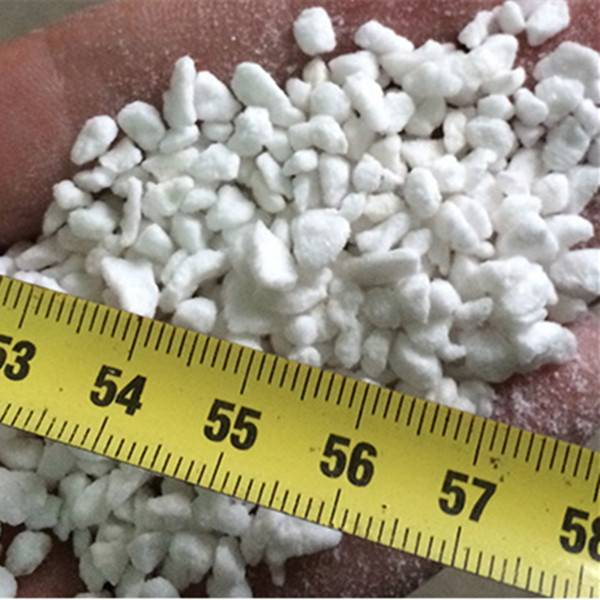
Evolution and Trajectory of Non-Metallic Mineral Manufacturing

Tracing the technical shift from traditional mining to advanced mineral engineering.

Market Development History

From 1990 to 2005, the Polish market focused on primary extraction and basic grinding. The use of muscovite sheet was primarily restricted to traditional electrical insulators and simple heating elements for domestic use.

Between 2006 and 2018, the focus shifted toward particle size distribution (PSD) optimization. The industry introduced advanced air-classification technology, allowing for the production of consistent micropowders used in the growing Polish cosmetics and high-end paint sectors.

Since 2019, the trajectory has moved toward "Specialty Minerals." The demand for ultra-pure, low-iron muscovite has surged, as Polish manufacturers align with EU REACH regulations and sustainability goals for green building materials.

Future Development Trends

Nano-structuring of Mineral Fillers

Transitioning from micron-scale to nano-scale particle engineering to increase the surface area and reactivity of mineral additives in composites.

Hybrid Composite Integration

Integrating minerals with graphene or carbon nanotubes to create multifunctional materials that offer both electrical conductivity and thermal insulation.

Circular Economy Mineral Recovery

Implementing closed-loop recycling systems to recover minerals from industrial waste, reducing the environmental footprint of Polish mining operations.

Industry Trends and Future Outlook

Strategic forecasts for the mica and graphite mineral processing sector in Central Europe.

Precision Micronization
Increased demand for tighter D50 and D90 particle size control to optimize the flowability of industrial coatings.
Thermal Barrier Innovation
Development of new heat-shielding compounds for Poland's growing electric vehicle (EV) battery enclosure market.
Sustainability Compliance
Shift towards ethically sourced, conflict-free mica to meet strict European ESG reporting standards.
Automated Processing
Implementation of AI-driven sorting and grinding to reduce waste and improve product purity.

Industry Outlook

Google Search trends indicate a rising interest in "eco-friendly mineral fillers" and "high-temperature insulators" within the Polish market. We expect the demand for customized mica solutions to grow by 4.5% CAGR over the next 3 years.

The focus will likely move toward integrated supply chains where the mineral provider offers technical consulting on how to maximize the properties of mica powder within the client's specific formulation.

Localized Application Scenarios in Poland

Practical implementations of mica products in key Polish industrial sectors.

1. Automotive Heat Shielding (Silesia Region)

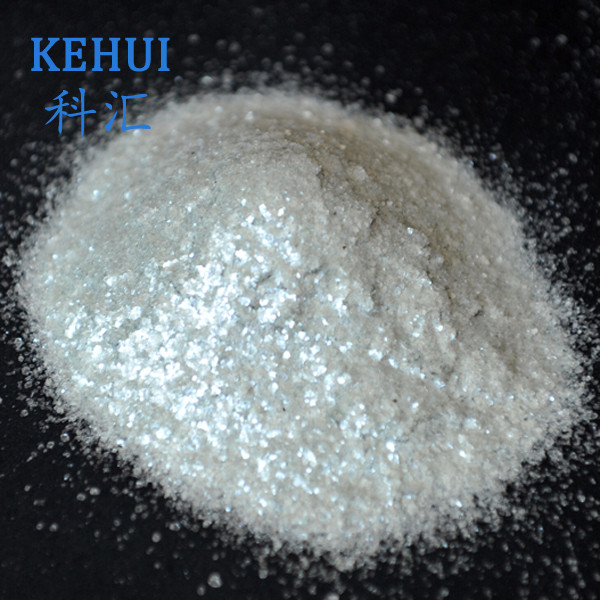
Using mica flake as a filler in high-temperature plastics for exhaust system shields and engine bay components to prevent heat transfer to sensitive electronics.

2. Electrical Insulation for Heavy Industry (Upper Silesian Industrial Region)

Application of muscovite sheet in the fabrication of high-voltage capacitors and industrial heaters used in Poland's steel and mining plants.

3. Advanced Construction Coatings (Warsaw & Krakow)

Integrating mica powder into exterior paints and renders to provide weather-proofing and UV reflection for modern architectural projects.

4. Industrial Furnace Refractories (Łódź Province)

Utilizing mica coarse in the production of refractory bricks and insulating boards for high-temperature industrial kilns.

5. Electronic Component Encapsulation (Wrocław Tech Hub)

Employing high-purity muscovite derivatives to create dielectric layers in semiconductors and PCB insulators for the growing Polish electronics sector.

Brand Story

Global Development History of Shijiazhuang Rijia Import and Export Trade Co., Ltd.

Foundation and Specialization

Established with a focus on the non-metallic mineral sector, we addressed the critical pain point of inconsistent mineral purity in industrial supplies.

Quality Standardization

Implemented rigorous ISO-compliant testing protocols to ensure every batch of mica meets the precise technical requirements of global manufacturers.

European Market Expansion

Strategically expanded into the EU market, establishing logistics hubs to provide just-in-time delivery for Polish and German industrial clients.

Technical Innovation

Invested in advanced micronization technology to move beyond raw material trading into value-added mineral engineering.

Sustainable Future

Committed to ethical sourcing and eco-friendly processing, ensuring a sustainable supply chain for the next generation of industry.

Common Questions for Polish Industrial Clients

Technical guidance and procurement FAQs for the non-metallic mineral industry.

How does high-purity mica powder improve the thermal stability of coatings?

High-purity mica powder acts as a thermal barrier by creating a plate-like structure that hinders the passage of heat and prevents cracking under thermal stress.

What is the difference between mica flake and mica coarse for industrial use?

Mica flake provides a more uniform surface coverage and is ideal for polymers, while mica coarse is used in bulk refractory applications where structural integrity is prioritized.

Is your mica muscovite compliant with EU REACH regulations for Poland?

Yes, all our muscovite products are processed and documented to meet the strict health and environmental standards required for import into the European Union.

Can muscovite sheet be customized for specific electrical insulation thicknesses?

Absolutely. We provide precision-cut muscovite sheets tailored to the specific dielectric and thickness requirements of your electrical components.

How should I store mica powder to avoid clumping in humid Polish winters?

We recommend moisture-proof vacuum packaging and storage in a climate-controlled environment to maintain the free-flowing properties of the powder.

What are the lead times for bulk mica coarse shipments to Poland?

Depending on the volume and shipping method, lead times typically range from 3 to 6 weeks, including customs clearance at Polish ports.

Get Professional Mineral Advice

Ready to optimize your production line with high-performance minerals in Poland? Our technical team is here to help.

Contact Us Now

If you are interested in our products, you can choose to leave your information here, and we will be in touch with you shortly.