Industrial Insulation Solutions with mica muscovite in Germany

Providing high-performance non-metallic mineral products for Germany's advanced automotive, electrical, and aerospace engineering sectors.

Industrial Insulation Solutions with mica muscovite in Germany

Precision-engineered mica products designed to meet the rigorous DIN standards and technical demands of the German manufacturing landscape.

The State of Mineral Insulation in the German Market

Analyzing the integration of non-metallic mineral products within Europe's industrial powerhouse.

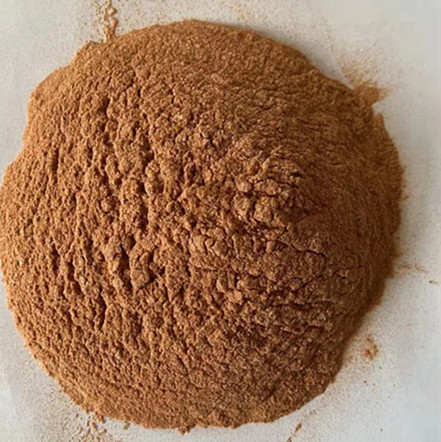
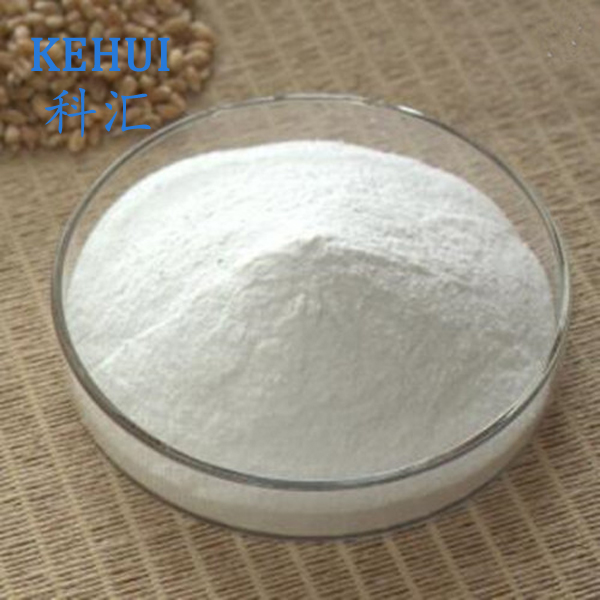
Germany's manufacturing sector, particularly in Bavaria and Baden-Württemberg, relies heavily on high-purity mica powder to enhance the thermal stability of polymers and ceramics. Given the country's strict environmental regulations and energy-efficiency goals, there is a surging demand for minerals that can withstand extreme temperatures while maintaining dielectric strength.

The local economic environment is characterized by a transition toward "Industrie 4.0," where the precision of raw materials like mica flake is critical for the production of miniature electronic components and high-efficiency electric vehicle (EV) motors.

Currently, the German market faces a challenge in balancing high-grade material procurement with sustainable supply chain requirements, pushing manufacturers to seek partners who provide consistent, certified mineral specifications for specialized non-metallic applications.
Evolution and Trajectory of Mica Technology

From traditional furnace linings to advanced aerospace composite reinforcements.

Market Development History

In the early 20th century, German industrialization relied on raw mica coarse materials primarily for heavy electrical insulation and heat-resistant windows in early smelting plants.

By the 1970s and 80s, the focus shifted toward chemical purity and particle size distribution, leading to the widespread adoption of refined muscovite for the burgeoning automotive electronics sector, focusing on dielectric constants.

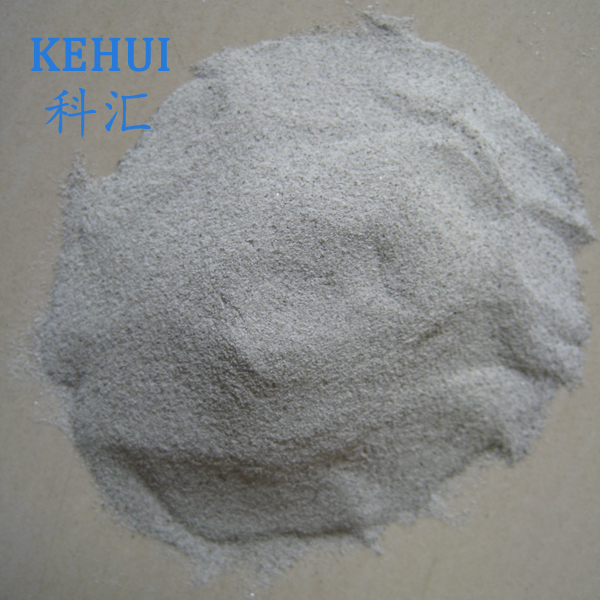
Entering the 2010s, the integration of nano-milling technology allowed for the creation of ultra-fine powders, enabling the development of thinner, more efficient heat shields in modern German combustion and hybrid engines.

Future Development Trends

Integration of Sustainable Sourcing

Future demand will prioritize "Green Mica" certifications, ensuring that mineral extraction meets EU labor and environmental standards.

Nano-Composite Synergy

The trend is moving toward hybridizing muscovite sheet with carbon nanotubes to create multi-functional electromagnetic interference (EMI) shielding.

Automation in Application

Shift toward 3D-printable ceramic pastes infused with micronized mica to create complex, customized insulation geometries.

Future Trends and Strategic Outlook

Predicting the next 3-5 years of mineral product evolution based on Google search trends and industrial shifts.

EV Powertrain Optimization
Increased use of mica for high-voltage battery separators to prevent thermal runaway in German EV brands.
Ultra-High Purity Demand
Growth in demand for low-iron mica to minimize signal loss in 5G infrastructure deployments.
Thermal Interface Materials
Transitioning from traditional pastes to mica-filled polymer sheets for better heat dissipation.
Circular Economy Integration
Developing recyclable mica-composite materials to align with EU's Circular Economy Action Plan.

Industry Outlook

Google search data indicates a rising interest in "high-temperature dielectric materials" and "sustainable mineral fillers" within the DACH region. This suggests that German engineers are moving away from synthetic polymers toward mineral-based solutions that offer superior longevity and safety.

Over the next five years, the convergence of additive manufacturing and advanced mineralogy will likely lead to the development of "smart insulation" that can monitor its own thermal degradation, using precise mica particle orientations to guide heat flow.

Localized Application Scenarios in Germany

Practical implementations of mica minerals in the heart of European industry.

1. Automotive High-Voltage Isolation

Implementation of high-purity mica powder in the battery packs of luxury electric vehicles produced in Stuttgart, providing critical fire-retardant barriers.

2. Industrial Oven Thermal Linings

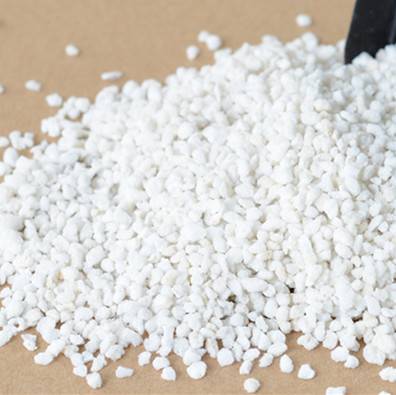
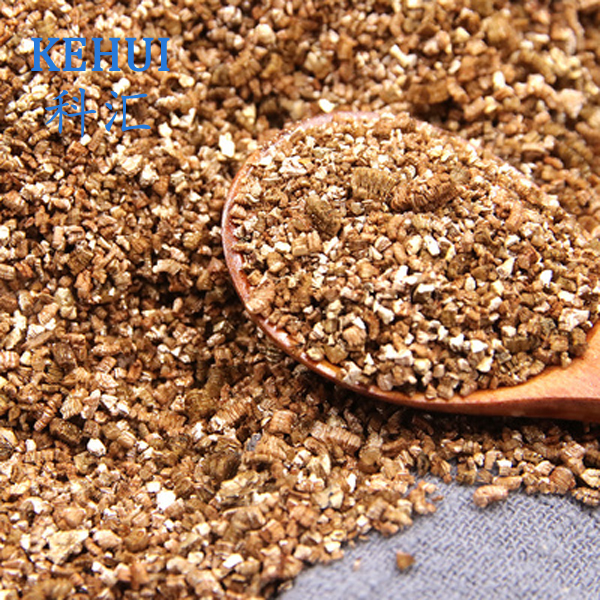
Utilizing mica coarse granules for the lining of high-temperature industrial furnaces in the Ruhr valley's steel and glass plants.

3. Precision Electronics Dielectrics

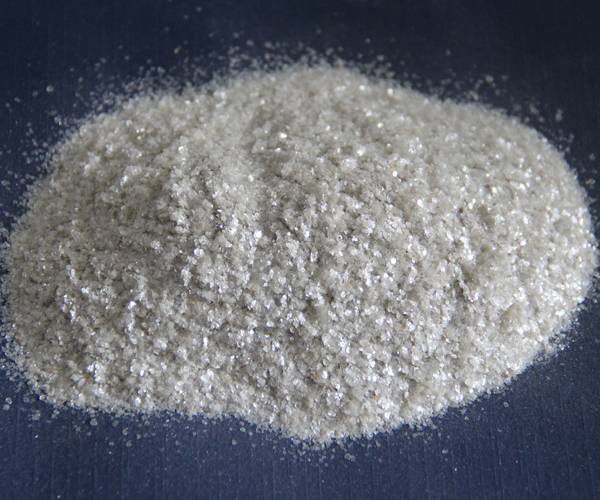
Applying thin muscovite sheet in capacitors for high-end medical imaging equipment manufactured in Munich.

4. Aerospace Composite Heat Shields

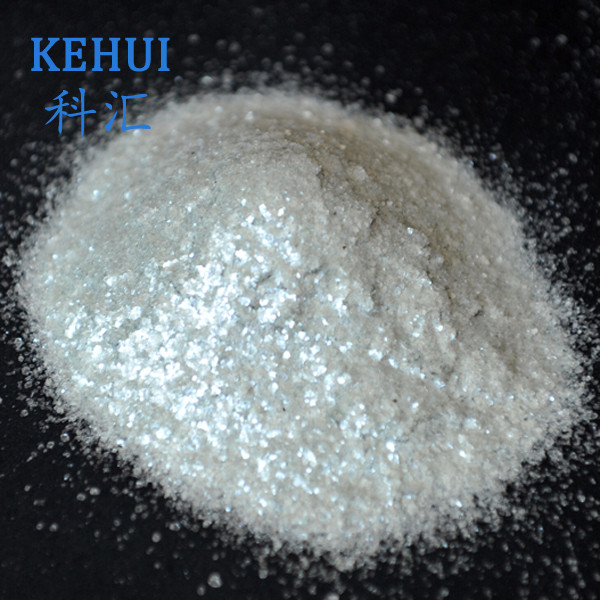
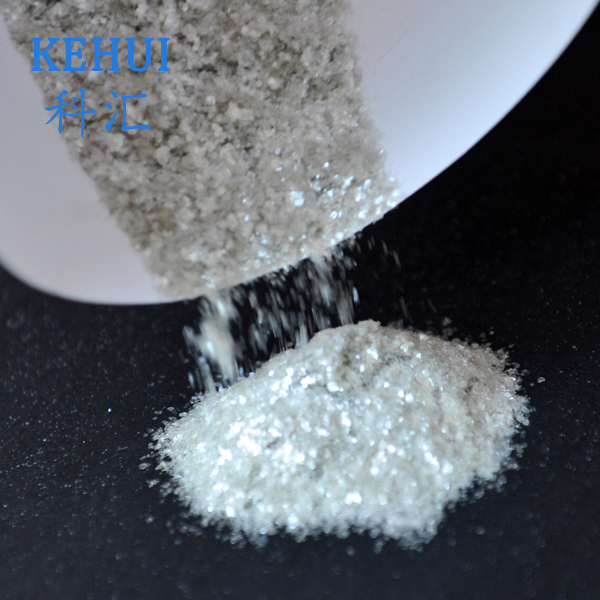
Integration of mica flake into resin matrices for aerospace components, ensuring lightweight yet heat-resistant shells for aircraft engines.

5. Construction-Grade Fireproofing

Adding mica-based minerals to high-performance concrete and coatings for sustainable architectural projects in Berlin to meet strict EU fire safety codes.

Brand Story

Global Development Journey of Shijiazhuang Rijia Import and Export Trade Co., Ltd.

Founding Vision

Established with a mission to bridge the gap between raw mineral extraction and high-precision industrial application, focusing on purity and consistency.

Technical Breakthroughs

Investing in advanced milling and grading technology to solve the "particle inconsistency" pain point for global electronics manufacturers.

European Expansion

Establishing strategic logistics hubs to serve the German and Italian markets, ensuring JIT (Just-In-Time) delivery of critical minerals.

Quality Standardization

Achieving international certifications that align with European REACH and RoHS standards to ensure environmental safety.

Future-Proofing Industry

Developing next-generation synthetic mica blends to reduce reliance on traditional mining while maintaining extreme performance.

Comprehensive Mica Product Portfolio for Germany

A curated selection of non-metallic mineral products designed for German engineering excellence.

Frequently Asked Questions in Germany

Technical insights and procurement guidance for mica minerals.

How does mica powder impact the dielectric strength of epoxy resins?

Adding micronized mica powder increases the tortuosity of the electrical path, significantly enhancing the breakdown voltage and dielectric strength of the resin composite.

What are the advantages of using mica flake in automotive heat shields?

Mica flakes provide a layered structure that reflects infrared radiation and inhibits heat transfer, making them ideal for high-temperature zones in engine compartments.

Is mica coarse suitable for industrial furnace insulation?

Yes, mica coarse is highly effective for heavy-duty lining due to its superior resistance to thermal shock and ability to withstand temperatures exceeding 600°C.

What is the difference between mica muscovite and other mica types?

Mica muscovite is preferred in electrical applications due to its high insulating properties, chemical stability, and transparency compared to phlogopite or biotite.

How is the quality of muscovite sheet verified for aerospace use?

Verification involves strict testing for thickness uniformity, purity (low iron content), and mechanical strength under extreme pressure and thermal cycling.

Do your mica products comply with EU REACH regulations?

Our entire mineral line is processed and documented to meet the strict EU REACH and RoHS standards, ensuring they are safe for use in the German market.

Expert Mineral Consultation

Contact our technical team today for customized mica solutions tailored to your manufacturing requirements in Germany.

Contact Us Now

If you are interested in our products, you can choose to leave your information here, and we will be in touch with you shortly.