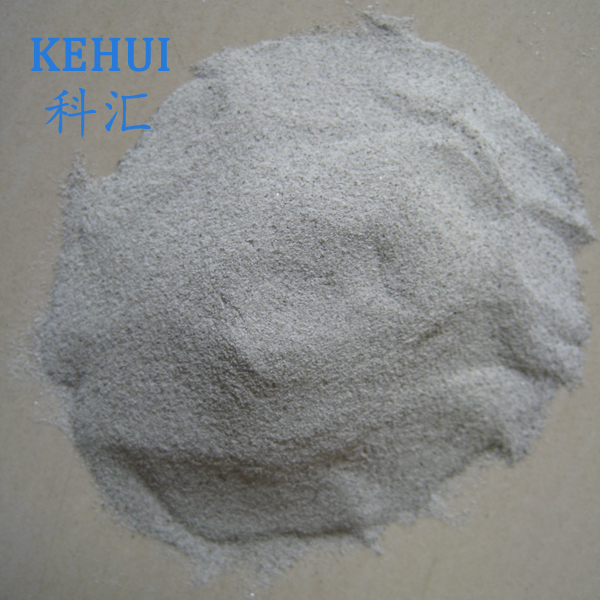
Industrial Grade mica muscovite Solutions for Cuba

High-performance non-metallic mineral products engineered for electrical insulation, heat resistance, and industrial reinforcement in the Cuban manufacturing sector.

Industrial Grade mica muscovite Solutions for Cuba

Providing premium non-metallic mineral derivatives including specialized powders and flakes to meet the rigorous demands of Cuba's heavy industry and electronics manufacturing.

Current State of Mineral Manufacturing in Cuba

Analyzing the intersection of geological resources and industrial demand in the Caribbean region.

Cuba's industrial landscape is characterized by a strong focus on state-led manufacturing and infrastructure maintenance. The demand for high-purity mica powder has grown steadily as the country seeks to modernize its electrical grids and industrial machinery against the backdrop of a salty, humid maritime climate that accelerates corrosion.

The local non-metallic mineral sector faces a challenge in balancing traditional extraction methods with the need for high-precision processing. The reliance on mica flake for heat-shielding and insulation in old power plants is critical, yet there is a shift toward importing standardized, high-grade minerals to ensure system reliability.

Economically, the Cuban market is transitioning toward more sustainable industrial practices. The integration of mica coarse materials in construction and composite materials is increasing, driven by the need for durable, cost-effective alternatives to expensive synthetic polymers.
Evolution and Development Trajectory

From traditional mineral processing to advanced material engineering.

Market Development History

In the mid-20th century, the Cuban mineral industry relied heavily on raw extraction. The use of basic muscovite sheet was common for simple electrical gaskets, focusing on raw thickness rather than purity or micron-level precision.

By the 1990s, a technical shift occurred as the focus moved toward refined processing. The introduction of mechanical grinding allowed for the production of more consistent particle sizes, moving the industry from bulk sheets to standardized powders and flakes for industrial coatings.

Entering the 2010s, the trajectory shifted toward "Specialty Minerals." The demand for high-dielectric strength materials led to the adoption of purified muscovite, specifically treated to withstand the extreme temperature fluctuations found in Caribbean industrial environments.

Future Development Trends

Nano-Scale Micronization

The next 3-5 years will see a shift toward ultra-fine particles to improve the homogeneity of composite resins used in Cuban infrastructure.

Sustainable Extraction Logic

Google search trends indicate a rise in "green mining" and "eco-friendly minerals," pushing the industry toward closed-loop processing of mica products.

Smart Insulation Integration

Integration of mineral fillers into smart materials for the energy sector to reduce power loss in aging Cuban transmission lines.

Industry Trends and Future Outlook

Strategic forecasts for the non-metallic mineral sector in North America - Cuba.

High-Temp Resilience
Increased adoption of muscovite-based composites to withstand extreme Cuban tropical heat in industrial ovens.
Dielectric Optimization
Optimizing the purity of mica minerals to reduce energy leakage in aging Cuban electrical infrastructure.
Hybrid Composites
Merging mineral flakes with recycled polymers for sustainable building materials in Havana and Santiago.
Precision Micronization
Transitioning from coarse grains to precise mesh sizes to meet international electronics standards.

Industry Outlook

The outlook for the non-metallic mineral industry in Cuba is one of stabilization and modernization. As the country upgrades its power generation capacity, the demand for high-grade insulation materials will likely see a CAGR increase of 4% over the next five years.

Furthermore, the integration of global supply chains will enable Cuban manufacturers to access high-purity synthetic and natural mica, reducing the failure rate of electrical components in high-humidity environments.

Localized Application Scenarios in Cuba

Practical implementations of mica products across Cuban industries.

1. Thermal Insulation for Sugar Refineries

Utilizing high-temperature muscovite composites to insulate steam pipes and boilers in Cuba's historic sugar production facilities, ensuring energy efficiency and worker safety.

2. Electrical Grid Stabilization in Havana

Applying fine-grade powders in the manufacturing of insulators for urban power transformers to prevent short circuits caused by salt-air conductivity.

3. Automotive Brake Lining Production

Using mineral flakes as a friction modifier in local automotive parts manufacturing to improve wear resistance for vehicles operating in rugged terrain.

4. Marine Electronics Coating

Integrating mica-based barriers into protective coatings for maritime communication equipment to provide superior moisture and corrosion resistance.

5. Industrial Ceramic Reinforcement

Adding mineral particles to architectural ceramics used in Cuban heritage building restoration to improve structural stability and heat reflection.

Brand Story

Global Development Journey of Shijiazhuang Riji Import and Export Trade Co., Ltd.

Foundational Excellence

Established as a specialized provider of non-metallic minerals, focusing on solving the purity crisis in industrial mica supply.

Technical Innovation

Invested in advanced micronization technology to move beyond raw sheets into high-precision mineral powders.

Global Expansion

Extended our logistics network to North America and the Caribbean, tailoring mineral specifications for tropical climates.

Quality Standardization

Achieved international certifications ensuring that every batch of muscovite meets strict E-E-A-T industrial standards.

Future Vision

Committing to sustainable mining and the development of eco-friendly mineral composites for a greener global industry.

Frequently Asked Questions in Cuba

Expert answers to common technical queries regarding mica minerals.

How does mica powder perform in high-humidity environments like Cuba?

Our powder is treated for low moisture absorption, ensuring it maintains its dielectric properties even in the humid Caribbean climate, preventing electrical leakage.

What is the difference between mica flake and powder for industrial coatings?

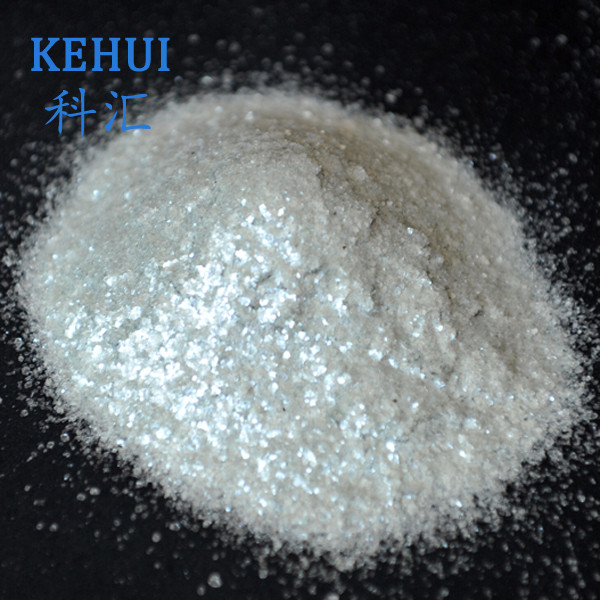
Flakes provide a layered "barrier effect" that is superior for moisture resistance and waterproofing, while powder is better for color homogeneity and smooth finishes.

Can mica coarse be used in construction composites in Havana?

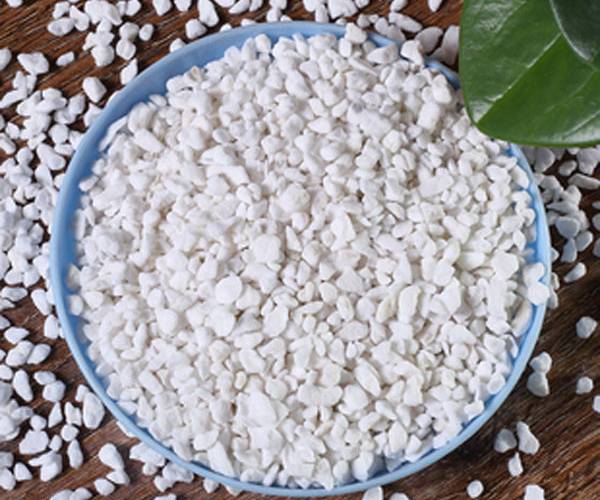
Yes, coarse mica is an excellent filler for heavy-duty composites, providing thermal stability and reducing the shrinkage of concrete and resin-based materials.

Why choose mica muscovite over other mineral fillers?

Muscovite offers the best combination of chemical stability, high electrical resistance, and thermal transparency, making it ideal for industrial insulation.

What are the applications of muscovite sheet in power plants?

Sheets are primarily used as high-voltage insulation gaskets and heat shields in generators and transformers due to their exceptional cleavage and heat resistance.

How do you ensure purity levels for Cuban industrial exports?

We employ multi-stage centrifugal separation and chemical purification to ensure the minerals are free from iron and other conductive impurities.

Get Expert Mineral Consulting

Partner with the leading non-metallic mineral provider to optimize your manufacturing process in Cuba.

Contact Us Now

If you are interested in our products, you can choose to leave your information here, and we will be in touch with you shortly.