
Industrial Grade mica muscovite Solutions for Chile

High-performance mineral derivatives engineered for the demanding metallurgical and construction sectors of the Chilean market.

Industrial Grade mica muscovite Solutions for Chile

Providing premium non-metallic mineral products specifically optimized for heat resistance, electrical insulation, and structural reinforcement in Chile's industrial hubs.

The Landscape of Mineral Manufacturing in Chile

Analyzing the integration of specialty mica products within the South American mining powerhouse.

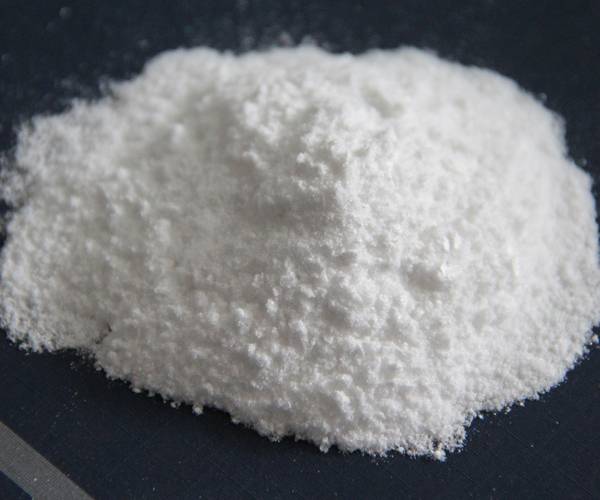
Chile's industrial landscape is dominated by large-scale mining and metallurgy. The demand for mica powder has surged as local refineries seek advanced materials for high-temperature insulation and chemical resistance in the Atacama region.

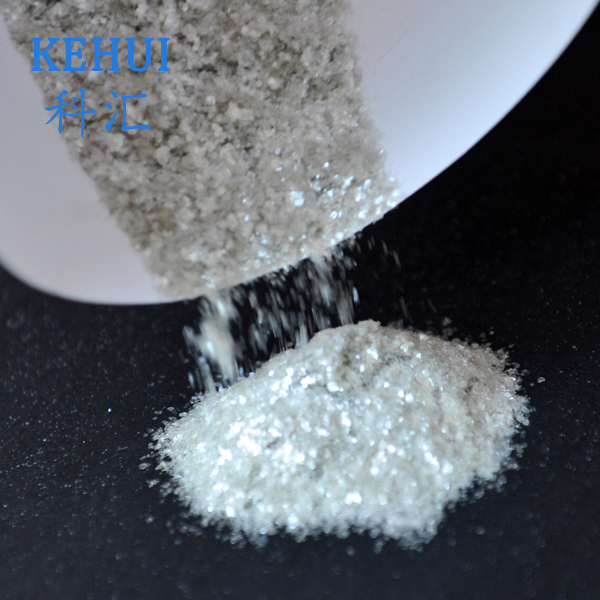
The extreme climatic variations between the coastal ranges and the Andean highlands necessitate materials that can withstand thermal shock. This environment has made the application of mica flake critical for protective coatings used in industrial infrastructure.

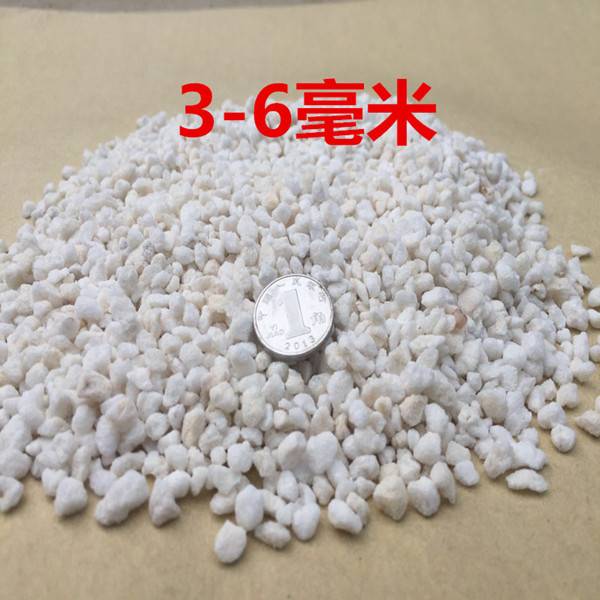
Currently, the Chilean market is shifting from raw mineral extraction toward value-added manufacturing. There is a growing reliance on processed mica coarse materials to enhance the durability of refractory bricks used in copper smelting furnaces.

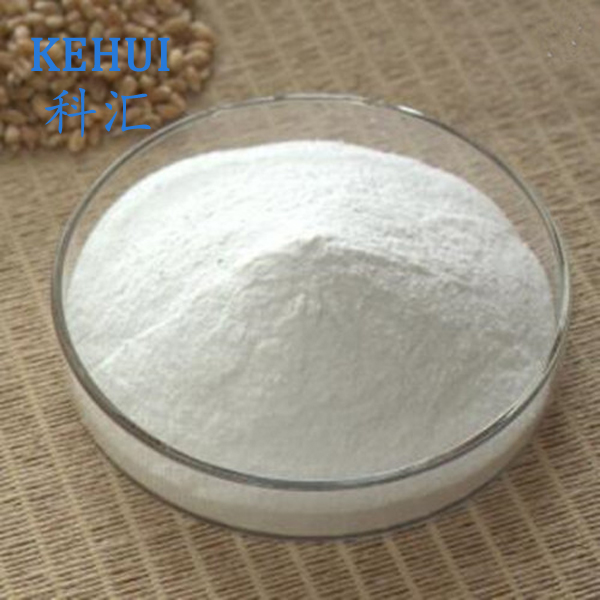
Evolution of Mineral Processing Technology

From basic crushing to precision micronization for the Chilean market.

Market Development History

In the early 2000s, the Chilean industry primarily utilized raw muscovite sheet for basic electrical insulation. Processing was rudimentary, focusing on manual splitting and coarse sorting.

Between 2010 and 2020, the adoption of automated grinding and classification technology allowed for the production of standardized particle sizes, moving the market toward specialized grades of industrial minerals.

Today, the integration of chemical purification and plasma-treated surfaces has redefined how these minerals are used, enabling high-purity applications in advanced polymers and aerospace components.

Future Development Trends

Nanoscale Micronization

The trend is moving toward sub-micron particle distribution to improve the rheological properties of industrial resins used in Chilean construction.

Eco-Friendly Extraction

Driven by Chilean environmental regulations, the industry is adopting closed-loop water systems and solvent-free purification processes.

Smart Material Integration

Predictive analytics are being used to customize mineral compositions based on the specific thermal conductivity requirements of the end-user.

Industry Trends & Future Outlook

Strategic forecasting for the non-metallic mineral sector in Chile.

Thermal Stability Optimization
Increasing demand for materials that maintain structural integrity above 600°C in smelting plants.
Dielectric Enhancement
Utilizing precise mineral lattices to improve the insulation of power cables in the Northern Grid.
Anti-Corrosion Coatings
Development of mica-based barrier coatings for sea-water resistant industrial pipes.
Sustainable Mining Integration
Integrating recycled mineral waste into high-value industrial composites.

Industry Outlook

Google Search trends indicate a significant rise in queries regarding "high-purity mineral fillers" in the South American region, specifically focusing on sustainable sourcing. We expect the demand for customized particle sizing to grow by 15% annually.

The convergence of digitalization and mineralogy will allow Chilean manufacturers to implement real-time quality control, ensuring that every batch of mineral product meets the rigorous ISO standards required for international export.

Localized Application Scenarios in Chile

Practical implementations of mica-based minerals in the Chilean industrial ecosystem.

01. Copper Smelting Refractories

Utilizing high-grade mineral powders to create heat-resistant linings for smelting furnaces in the Antofagasta region, reducing thermal leakage.

02. Atacama Solar Infrastructure

Integrating specialized flakes into reflective coatings for solar thermal plants to prevent UV degradation and moisture ingress.

03. High-Voltage Power Grids

Using processed sheets as primary dielectric insulators for transformers serving the energy-intensive mining sites in the Andes.

04. Marine Industrial Coatings

Applying mineral-reinforced paints to offshore platforms and port infrastructure in Valparaíso to prevent saltwater corrosion.

05. Seismic-Resistant Construction

Adding mineral fillers to advanced concrete composites used in high-rise buildings in Santiago to improve structural damping.

Brand Story

Global Development Journey of Shijiazhuang Rijia Import and Export Trade Co., Ltd.

Foundational Excellence

Established with a vision to bridge the gap between raw mineral extraction and precision industrial application.

Technological Pivot

Investing in advanced micronization technology to solve the pain point of inconsistent particle size in non-metallic minerals.

Global Expansion

Expanding our logistics network to reach the South American market, providing tailored solutions for the Chilean mining sector.

Quality Standardization

Implementing rigorous E-E-A-T based quality controls to ensure every shipment meets international metallurgical standards.

Future Sustainability

Committing to green mining and sustainable trade to support the ecological goals of our global partners.

Complete Mineral Portfolio for Chile

A comprehensive range of high-purity mica products designed for diversified industrial use.

Common Questions for the Chilean Market

Expert answers regarding the application and sourcing of mica minerals.

How does the purity of mica powder affect thermal insulation in smelting?

Higher purity levels reduce the presence of metallic impurities, which significantly lowers thermal conductivity and prevents premature degradation at temperatures exceeding 800°C.

What is the advantage of using mica flake in anti-corrosive paints for Chile's coast?

The plate-like structure of the flakes creates a "tortuous path" for moisture and salts, effectively blocking corrosive agents from reaching the metal substrate.

Which grade of mica coarse is best for refractory brick manufacturing?

Coarser grades provide better structural reinforcement and resistance to mechanical stress during the cooling and heating cycles of industrial furnaces.

Can mica muscovite be customized for specific dielectric constants?

Yes, by controlling the particle size distribution and purification level, we can optimize the material for specific electrical insulation requirements.

How is muscovite sheet processed for high-voltage electrical components?

It undergoes a process of careful cleavage and polishing to ensure a smooth, uniform surface that prevents electrical arcing in high-tension environments.

What are the shipping lead times for industrial minerals to Chile?

Depending on the volume and port of entry (e.g., San Antonio or Valparaíso), lead times typically range from 35 to 50 days with full customs documentation.

Get Expert Mineral Consultation

Our technical team is ready to help you optimize your production line with premium mica solutions in Chile.

Contact Us Now

If you are interested in our products, you can choose to leave your information here, and we will be in touch with you shortly.