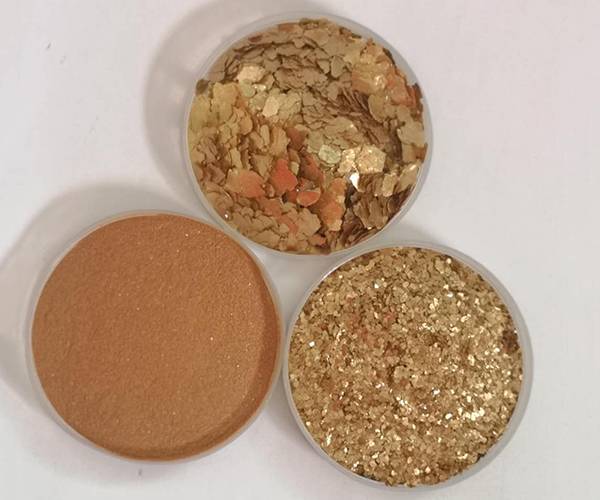
Industrial Grade mica muscovite Solutions for Cameroon's Manufacturing Sector

High-performance mineral reinforcements and thermal insulators engineered for the unique climatic and industrial demands of Africa's Central region.

Industrial Grade mica muscovite Solutions for Cameroon's Manufacturing Sector

Providing premium non-metallic mineral products tailored for electrical insulation, construction, and chemical resistance in the Cameroon market.

Current Landscape of Non-Metallic Mineral Manufacturing in Cameroon

Analyzing the integration of high-purity mica in Central Africa's industrial growth.

In Cameroon, the manufacturing of non-metallic mineral products is currently transitioning from basic raw material extraction to value-added processing. The demand for mica powder has surged as the local construction and paint industries seek materials that can withstand the high humidity and temperature fluctuations characteristic of the Gulf of Guinea coastline.

Local manufacturers face challenges regarding the consistency of mineral purity. The reliance on imported specialized grades of mica flake is evident in the electrical components sector, where strict dielectric strength is required to prevent failures in Cameroon's developing power grid infrastructure.

Economically, the shift toward urban industrialization in Douala and Yaoundé is driving a need for diversified minerals. The adoption of mica coarse materials in heavy-duty industrial coatings is becoming a standard for protecting equipment against the corrosive tropical environment.

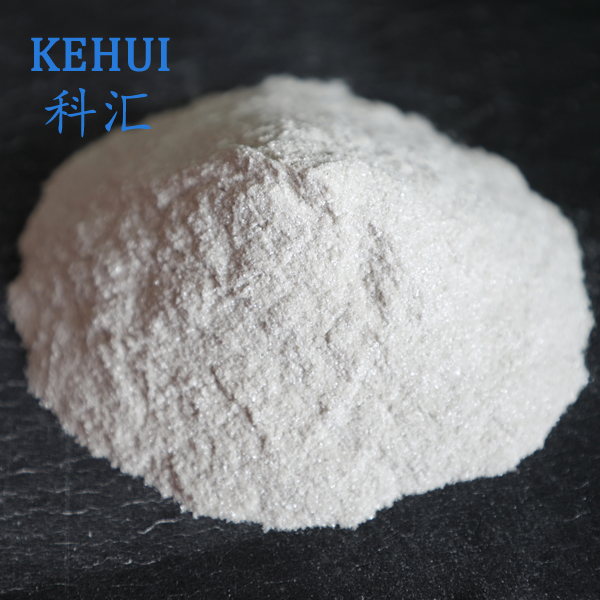
Evolution and Technical Trajectory of Mica Processing

From traditional mining to precision-engineered mineral sheets.

Market Development History

During the early 2000s, the market in Cameroon primarily dealt with raw, unrefined ores used in basic fillers. The focus was on volume rather than specification, with limited differentiation between different grades of muscovite.

Between 2010 and 2020, a technical pivot occurred. The introduction of automated grinding and classification technology allowed for the production of consistent muscovite sheet products, enabling local applications in high-temperature insulation for the burgeoning energy sector.

Currently, the industry has entered the era of "Functional Minerals," where surface treatments and precise particle size distribution are utilized to enhance the compatibility of minerals within polymer matrices for automotive and aerospace parts.

Future Development Trends

Nano-scale Precision

The trend is shifting toward ultra-fine particles to improve the transparency and strength of protective coatings used in Cameroon's infrastructure projects.

Sustainable Extraction

Implementation of "Green Mining" protocols to reduce the environmental footprint of mineral processing in accordance with African ecological standards.

Advanced Hybrid Composites

Integration of mica with other non-metallic minerals to create specialized heat-shielding materials for the oil and gas refineries in the region.

Industry Trends and Future Outlook for Cameroon

Strategic forecasting for the non-metallic mineral sector (2024-2029).

Thermal Stability Optimization
Increased demand for materials that maintain structural integrity under extreme tropical heat.
Dielectric Enhancement
Improving electrical insulation for the expanding urban power grids in Yaoundé.
Chemical Inertness
Focusing on corrosion-resistant fillers for industrial chemical plants in Cameroon.
Precision Particle Sizing
Shift toward laser-controlled grading to meet international ISO standards.

Industry Outlook

Based on regional search trends, there is a growing interest in "high-temperature industrial fillers" within the Central African Economic and Monetary Community (CEMAC). This indicates that Cameroon is moving toward a more sophisticated manufacturing base that requires high-purity mica products.

Over the next 3-5 years, we expect a synergy between the mining sector and the chemical manufacturing industry, leading to the local production of specialized composites that reduce dependency on overseas imports.

Localized Application Scenarios in Cameroon

Practical deployments of mica minerals across diverse Cameroonian industries.

01. Electrical Infrastructure Insulation

Using high-grade muscovite sheet for transformer insulation and capacitor gaskets to stabilize power distribution in rural provinces.

02. Tropical Grade Architectural Coatings

Integrating mica powder into exterior paints for buildings in Douala to enhance UV resistance and prevent moisture penetration.

03. Heavy Industrial Equipment Protection

Applying mica coarse as a filler in heat-resistant gaskets for the aluminum and cement plants located in the East region.

04. Automotive Brake Lining Production

Utilizing mica flake in friction materials for local vehicle assembly to ensure stability under high-friction heating.

05. Specialized Ceramic Manufacturing

Employing refined muscovite as a fluxing agent in traditional and modern ceramics to improve thermal shock resistance.

Brand Story

Global Development History of Shijiazhuang Rijia Import and Export Trade Co., Ltd.

Foundation and Vision

Established with a mission to bridge the gap between high-purity mineral resources and global industrial needs, focusing on rigorous quality control.

Technological Integration

Investing in advanced grinding and purification systems to ensure the chemical stability of our non-metallic mineral products.

Global Expansion

Expanding our supply chain to Africa and Asia, ensuring that critical industrial minerals reach developing manufacturing hubs efficiently.

Solving Industrial Pain Points

Specializing in solving the "impurity dilemma" for clients in the electrical and construction sectors through precise mineral grading.

Commitment to Sustainability

Developing eco-friendly mineral processing methods to support the global transition toward sustainable manufacturing.

Complete Mineral Portfolio for Cameroon Industry

Comprehensive solutions ranging from ultra-fine powders to structural sheets.

Frequently Asked Questions in Cameroon

Technical guidance and procurement advice for regional manufacturers.

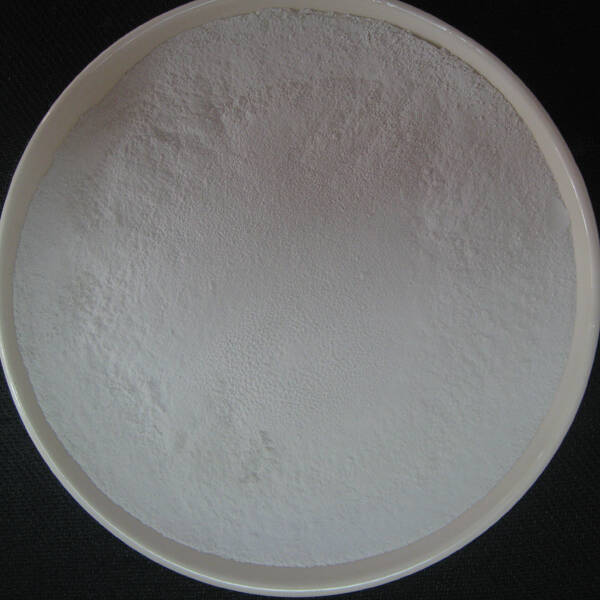
How does high-purity mica powder improve paint durability in humid climates?

The plate-like structure of the particles creates a physical barrier that prevents water and UV rays from penetrating the substrate, significantly reducing peeling in tropical environments.

What is the difference between mica flake and mica coarse for industrial use?

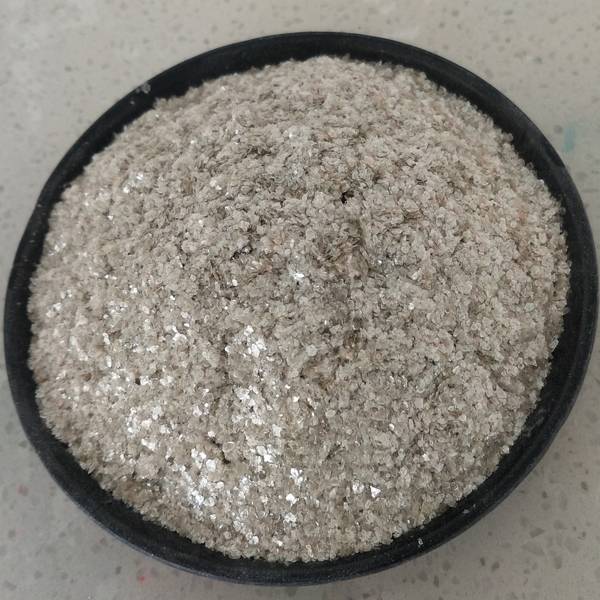
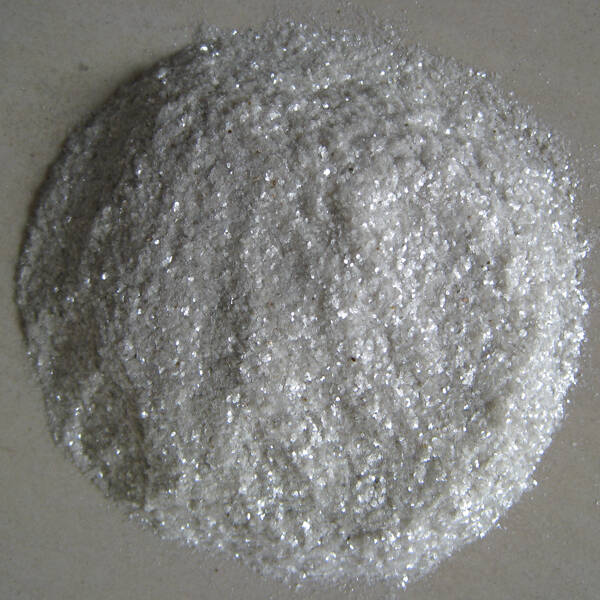
Mica flakes are typically used for reinforcement and dielectric strength in thinner layers, while coarse mica is preferred for heavy-duty thermal insulation and high-temperature gaskets.

Can muscovite sheet replace other insulators in electrical transformers?

Yes, due to its exceptional dielectric strength and thermal stability, muscovite is one of the most reliable materials for high-voltage insulation in energy infrastructure.

How to ensure the consistency of mica muscovite for large-scale manufacturing?

Consistency is achieved through rigorous sieving and chemical analysis to ensure that every batch meets the specific particle size and purity requirements of the client.

What are the shipping considerations for bulk mica minerals to Douala port?

Moisture-proof packaging is critical. We use vacuum-sealed bags and reinforced pallets to prevent contamination during the long-distance transit to Cameroon.

Which mica grade is best for automotive brake lining production?

Medium-grade mica flakes are ideal as they provide the necessary friction coefficient while preventing overheating and wear in brake systems.

Expert Mineral Consultation

Looking for high-performance mineral solutions for your facility in Cameroon? Our technical team is ready to provide customized specifications.

Contact Us Now

If you are interested in our products, you can choose to leave your information here, and we will be in touch with you shortly.