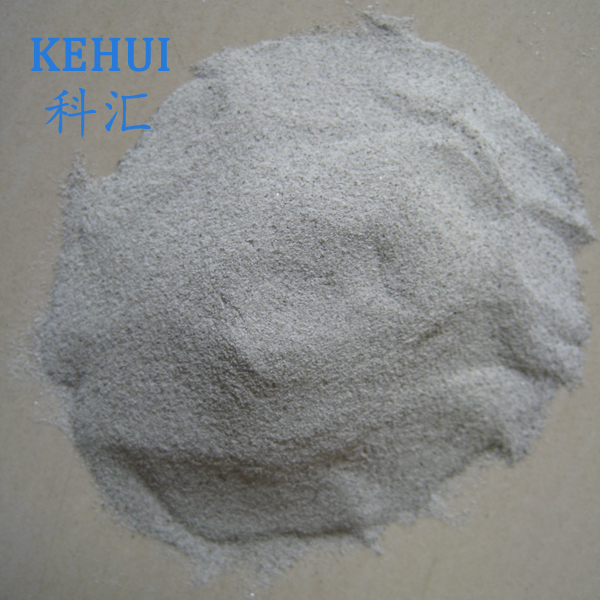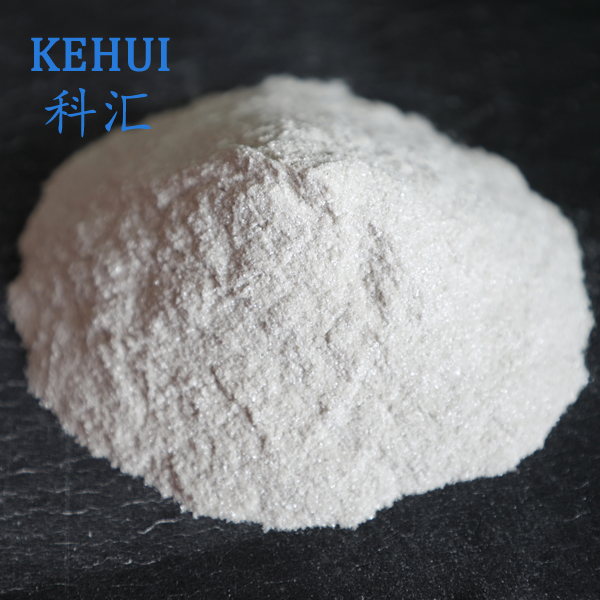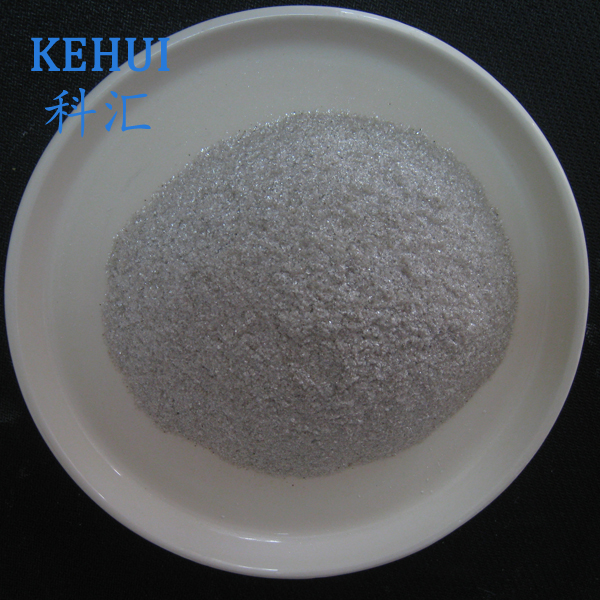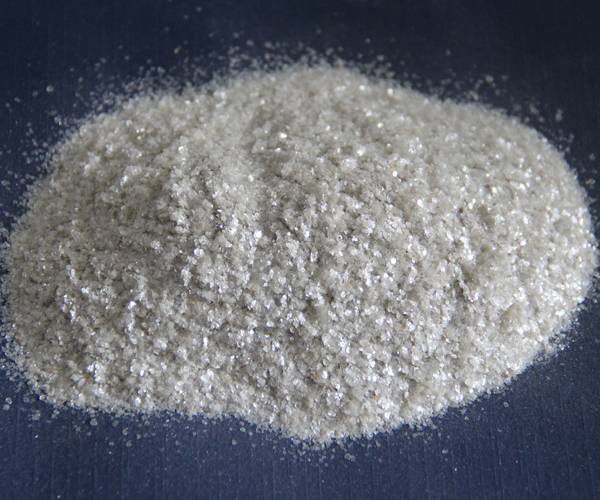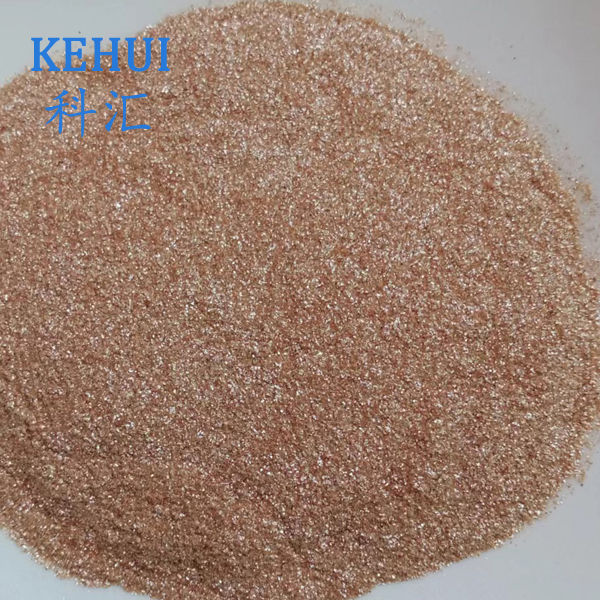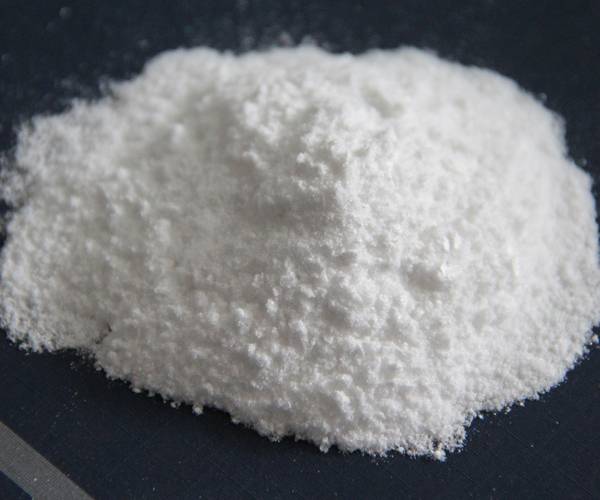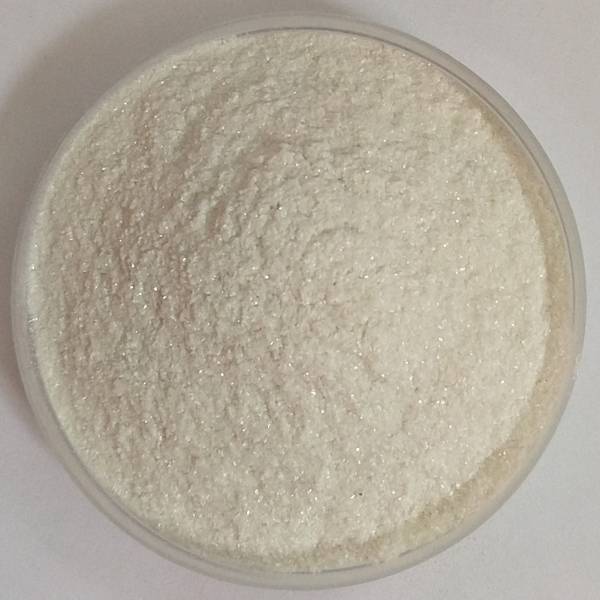
Illite Powder: A Versatile Mineral in Industrial Applications
After spending over a decade working in industrial equipment and materials, I have to say—it’s fascinating how certain minerals, like illite powder, quietly power a variety of industries. It might not have the glitz of silicon or the fame of quartz, but illite’s mineral properties make it a workhorse in ceramics, drilling, and even environmental fields.
Honestly, when I first encountered illite powder on the shop floor, I thought it’d be “just another clay.” But you quickly realize its layered structure and moderate plasticity set it apart from kaolinite or montmorillonite. Its non-expanding nature means better stability in formulations that can occasionally be a headache. Many engineers I worked with often comment on how it balances plasticity with strength—a bit of a “Goldilocks” mineral, really.
From an industrial standpoint, it serves as an excellent additive in refractory bricks, ceramics, and even oil drilling muds. The latter surprised me a bit; not the use of clays in drilling—but that illite’s chemical structure helps reduce the swelling and contributes to better borehole stability under fluctuating conditions.
| Property | Typical Value | Units |
|---|---|---|
| Purity (Illite content) | 85–92 | % |
| Moisture Content | 3–5 | % |
| Particle Size (D50) | 10 | µm |
| pH (in water, 5% suspension) | 7.8 | – |
| Cation Exchange Capacity (CEC) | 20–25 | meq/100g |
A feature often overlooked is its relatively low swelling behavior compared with montmorillonite-rich clays. That means illite powder tends to maintain dimensional stability during moisture fluctuations—a real plus in composite manufacturing.
Customization plays a big role here too. Blending illite powders with other minerals or additives can optimize properties for specific end-use applications. For example, adjusting particle size distribution or surface treatments can improve compatibility in coatings or enhance rheological control in drilling muds.
Now, I’ve seen various suppliers offer illite powder, and frankly, quality and consistency can vary quite a bit. I remember a client who switched vendors mid-production because of changes in plasticity and moisture content, which affected their fired ceramic strength. It underlines how crucial trusted sourcing is.
| Feature | Vendor A | Vendor B | KeHu Imica |
|---|---|---|---|
| Purity (%) | 83–88 | 80–85 | 85–92 |
| Particle Size (µm) | 12–15 | 8–10 | 8–12 |
| Moisture Content (%) | 4–6 | 5–7 | 3–5 |
| Consistency (batch-to-batch) | Moderate | Variable | High |
| Technical Support | Limited | Basic | Comprehensive |
To me, the key takeaway is that while illite powder may not be the “headline” mineral, it’s indispensable in many technical contexts. It feels like the unsung hero—consistent, reliable, and adaptable. If you’re in ceramics, drilling, or chemical manufacturing, identifying the right grade and source of illite can really tip the scales toward better product performance.
For more detailed info on quality illite powder, I’d recommend having a look at KeHu Imica’s product range. Their specs and support make them a reliable partner in this space—at least, that’s been my observation from years of industry dealings.
In the end, the best approach is a mix of solid supplier relationships, thorough testing, and an understanding of your specific material needs. It’s kind of a journey, but one well worth taking.
References:
- Sharma, R.K. “Industrial Clays and Their Uses.” Materials Science Journal, 2019.
- Petrochemical Applications of Illite Clays, Industry Report 2021.
- KeHu Imica Technical Brochure, 2023.
Latest news
-
Technical Benefits of Calcined Mica for Welding ElectrodesNewsApr.09,2026
-
Superior Calcined Mica for Electrical Insulators Applications and BenefitsNewsApr.07,2026
-
Exploring the Versatility of Calcined Mica for Decoration and Diverse ApplicationsNewsApr.04,2026
-
Exploring Calcined Mica Properties Applications and Sourcing OptionsNewsMar.31,2026
-
Exploring the Versatile Applications of Mica Flakes Powder Across IndustriesNewsMar.28,2026
-
Synthetic Mica Flakes- Kehui Mica Co.|Heat-Resistant, High WhitenessNewsMar.27,2026
-
Synthetic Mica Flakes- Kehui Mica Co.|Heat-Resistant, High WhitenessNewsMar.27,2026
Related Products