Dec . 02, 2025 03:45
Back to list
Horticultural Perlite Guide: Benefits, Uses & Sustainable Growing Solutions
Understanding Horticultural Perlite: A Key to Sustainable Growing
When you first hear horticultural perlite, it might just sound like another technical term tossed around by gardeners and agronomists. But frankly, its significance stretches far beyond a simple potting mix additive. Globally, this lightweight, volcanic mineral is a silent hero in sustainable agriculture, horticulture, and even humanitarian relief. Why? Because it holds the power to boost crop productivity, improve soil health, and support innovative agricultural systems — all vital as we face growing food demands and climate pressures.
Introduction: Why Horticultural Perlite Matters Globally
Horticultural perlite is widely used across continents, from small-scale farmers in Southeast Asia to large greenhouse operations in Europe and North America. The horticultural perlite market has seen impressive growth, driven by increasing demand for hydroponics and soilless cultures, which the UN's Food and Agriculture Organization estimates will be key in feeding an expected 9.8 billion people by 2050.
The challenge is clear: soil degradation and water scarcity threaten traditional farming methods. Horticultural perlite offers a practical solution by enhancing soil aeration, water retention, and root development, especially in intensively farmed or degraded lands.
Mini takeaway: Globally, horticultural perlite helps bridge the gap between food demand and sustainable growing practices amid environmental challenges.
What Is Horticultural Perlite?
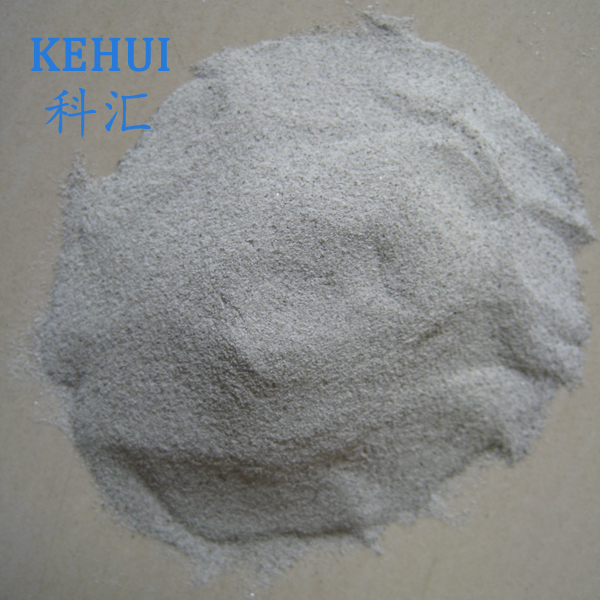
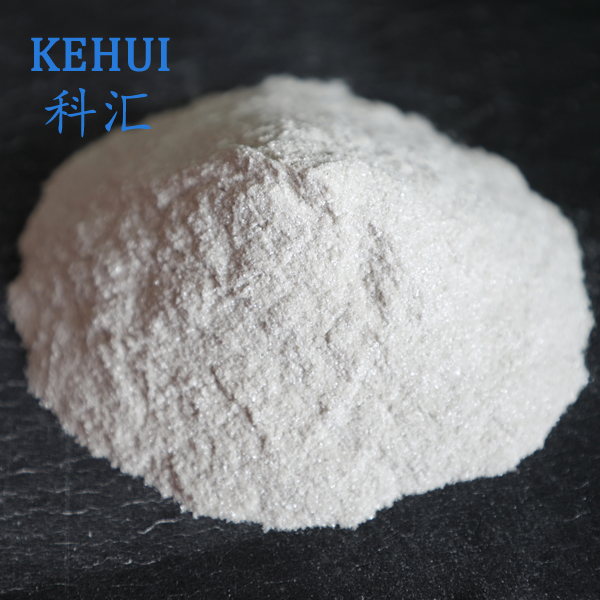
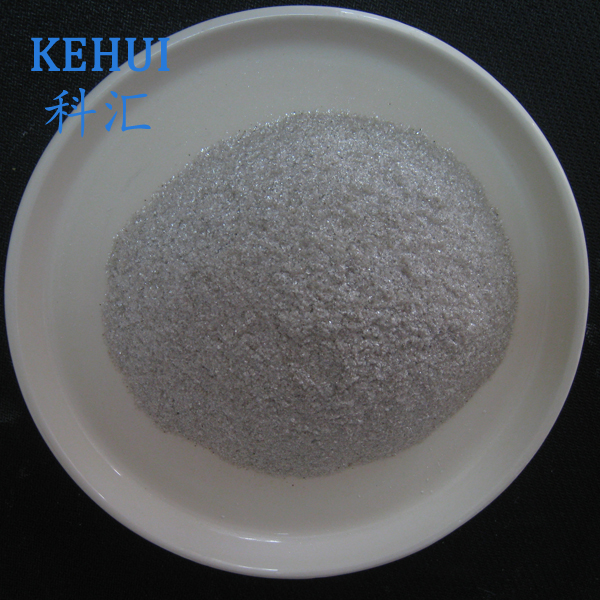
Simply put, horticultural perlite is a form of expanded volcanic glass. This natural mineral is heated until it pops like popcorn, creating tiny, lightweight white granules full of air pockets. These make it an excellent soil amendment for horticulture, improving aeration and moisture retention without adding weight or toxicity.
In the broader agricultural or humanitarian context, horticultural perlite plays a role in modern industry by supporting efficient hydroponic setups, reducing dependency on scarce natural soils, and even facilitating urban farming innovations. It's a component that quietly boosts food security and environmental resilience.
Core Aspects of Horticultural Perlite
1. Porosity and Aeration
The porous structure of perlite allows roots to breathe, preventing waterlogging and root rot. You know, it’s that “just right” balance between moisture and air that plants crave.
2. Water Retention
Despite its lightness, horticultural perlite retains water effectively. This means plants receive steady hydration, reducing watering frequency — a real boon in drought-prone regions.
3. Sterility and pH Neutrality
Perlite is naturally sterile and pH neutral, making it safe and predictable for all plant types, including sensitive seedlings and exotic species.
4. Lightweight Nature
Its light weight means less physical strain when moving, planting, or transporting, lending itself well to container gardens and rooftop farms.
5. Cost Effectiveness
Compared to other soil amendments, horticultural perlite is affordable and reusable in some contexts, offering good value especially when factoring in plant health benefits.
Mini takeaway: The multifaceted properties of horticultural perlite optimize plant growth and ease cultivation challenges across varied environments.
Product Specification Table
| Property | Value | Unit |
|---|---|---|
| Bulk Density | 100–130 | kg/m³ |
| Water Absorption | 300–400 | % by volume |
| pH | 6.5–7.5 | Neutral |
| Particle Size Range | 1–8 | mm |
| Sterility | Yes | - |
Global Applications & Use Cases
Oddly enough, the humble horticultural perlite finds itself at the heart of diverse, global applications. In Japan and the Netherlands, it supports high-tech hydroponic vegetable farms that supply fresh produce year-round. Meanwhile, in arid regions like parts of North Africa and the Middle East, it helps conserve water through efficient soil mixes.
Post-disaster relief efforts often include perlite in agricultural kits to quickly rehabilitate soils and enable displaced farmers to grow food. Large-scale greenhouse projects in the U.S. and Canada integrate horticultural perlite to promote root health and reduce disease incidence.
Interestingly, urban farms in megacities are adopting perlite to create rooftop gardens, helping reduce urban heat islands while producing local food. This adaptability makes it invaluable across climates and social settings.
Mini takeaway: From advanced farms to emergency food programs, horticultural perlite adapts to meet critical needs worldwide.
Advantages & Long-Term Value
- Sustainability: It reduces reliance on traditional soils, promotes water efficiency, and supports eco-friendly practices.
- Economic Viability: Lower input costs with improved yields translate into better margins for growers.
- Social Impact: Enables communities facing soil degradation or disasters to rebuild agriculture faster.
- Reliability: Consistent quality and sterile nature build trust among horticulturists and agronomists.
On a human level, horticultural perlite lends dignity to farmers striving for self-reliance, fostering hope in challenging circumstances. And for businesses, it encourages innovation and resilience in supply chains.
Vendor Comparison Table
| Vendor | Origin | Price per ton | Particle Size Range (mm) | Certification |
|---|---|---|---|---|
| Kehuimica | China | $200 | 1–5 | ISO 9001 |
| PerliteWorld | USA | $250 | 2–8 | ISO 14001 |
| EcoGrow Minerals | Turkey | $220 | 1–6 | CE Certified |
Future Trends & Innovations
The future of horticultural perlite seems bound up with sustainability trends and technological breakthroughs. There’s growing interest in combining perlite with biochar or coconut coir to create soil mixes that sequester carbon and nourish microbes. Automation in mixing perlite-based substrates might soon enable precise nutrient delivery in vertical farms or automated greenhouses.
Policymakers in regions like the EU and California increasingly promote materials that reduce water use and chemical runoff—so horticultural perlite will likely be front and center in green certifications and grants. It’s an exciting time where innovation meets tradition.
Challenges & Solutions
Despite its virtues, horticultural perlite isn’t perfect. One common limitation is dust generation during handling, which can pose inhalation risks unless proper PPE is used. Moreover, because it is mined, there are environmental concerns about sustainable sourcing.
Experts recommend wetting perlite before use to minimize dust and choosing suppliers who follow responsible mining practices. Research into recycled materials and alternative lightweight additives may also provide complementary solutions.
FAQs About Horticultural Perlite
- What is the ideal particle size of horticultural perlite for container gardening?
- Generally, a particle size of 2–5 mm works best for container gardens as it provides good aeration and moisture retention without being too coarse or fine. Smaller particles can clog pores and reduce drainage.
- Can horticultural perlite be reused after harvest?
- Yes, perlite can often be sterilized and reused, especially in hydroponic systems. However, after several cycles, it may lose some structural integrity and require replacement.
- How does perlite compare to other soil amendments like vermiculite?
- Perlite is more porous and offers excellent aeration, while vermiculite retains more water. Often, growers mix both for balanced moisture and airflow tailored to specific plants.
- Is horticultural perlite environmentally friendly?
- Perlite is a natural mineral and inert, but mining impacts exist. Choosing suppliers with ISO 14001 certification and supporting sustainable practices helps mitigate environmental concerns.
- Where can I buy high-quality horticultural perlite?
- Trusted vendors like Kehuimica (horticultural perlite) offer certified and tested perlite suitable for professional and hobbyist use worldwide.
Conclusion: Why Horticultural Perlite Deserves Your Attention
Ultimately, horticultural perlite is more than a gardening accessory. It supports food security, sustainability, and innovation across global agriculture. Its unique properties offer practical solutions to water scarcity, soil degradation, and plant health challenges. Whether you’re a commercial grower, urban farmer, or NGO worker supporting communities, horticultural perlite provides reliable, cost-effective answers. To explore premium options and learn more, visit https://www.kehuimica.com — because healthy plants mean a healthier world.
It feels like horticultural perlite quietly empowers growers everywhere, the unsung hero of sustainable cultivation.
References
Latest news
-
Global Analysis and Trends of the Calcined Mica Flakes MarketNewsApr.16,2026
-
Technical Benefits of Calcined Mica for Welding ElectrodesNewsApr.09,2026
-
Superior Calcined Mica for Electrical Insulators Applications and BenefitsNewsApr.07,2026
-
Exploring the Versatility of Calcined Mica for Decoration and Diverse ApplicationsNewsApr.04,2026
-
Exploring Calcined Mica Properties Applications and Sourcing OptionsNewsMar.31,2026
-
Exploring the Versatile Applications of Mica Flakes Powder Across IndustriesNewsMar.28,2026
-
Comprehensive Guide to 100 Mesh Mica Powder Applications and Industrial BenefitsNewsMar.26,2026
Related Products