High-Performance mica muscovite Solutions for South Korean Advanced Manufacturing

Precision-engineered non-metallic mineral products delivering superior thermal stability and dielectric strength for Asia's most demanding industrial sectors.

High-Performance mica muscovite Solutions for South Korean Advanced Manufacturing

Our specialized mica products provide essential insulation and reinforcement for the high-tech electronics and automotive hubs across South Korea.

The State of Non-Metallic Mineral Processing in South Korea

Analyzing the demand for high-purity mica minerals in the peninsula's industrial landscape.

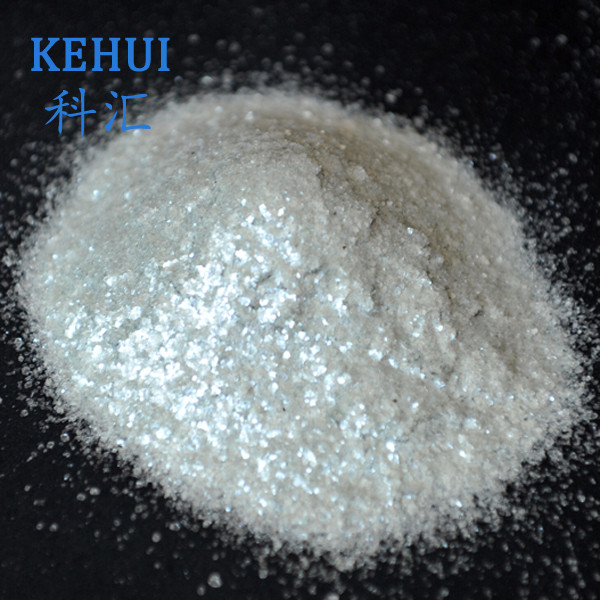
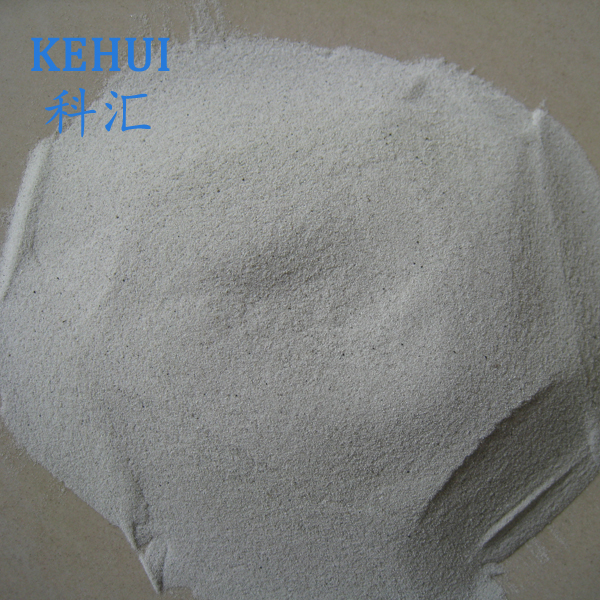
South Korea's manufacturing landscape is dominated by semiconductors and EV battery production, creating a critical demand for mica powder with ultra-low impurity levels to prevent electrical leakage in micro-components.

Due to the humid subtropical climate of the coastal regions, Korean manufacturers prioritize minerals with exceptional moisture resistance. The integration of mica flake into composite materials has become a standard for enhancing structural integrity in high-temperature environments.

The regional economy's shift toward "Industry 4.0" has forced the non-metallic mineral sector to move beyond basic fillers toward functional additives, ensuring that every micron of material contributes to the overall energy efficiency of the end product.
Evolution and Technical Trajectory of Mica Applications

From basic insulating sheets to nanometer-scale functional fillers.

Market Development History

In the 1980s and 90s, the South Korean market relied heavily on standard muscovite sheet for heavy industrial electrical insulation, focusing primarily on bulk volume and basic heat resistance.

By the mid-2000s, the rise of the consumer electronics boom shifted the focus toward precision grinding. This era saw the transition from coarse materials to refined mica coarse variants optimized for specific viscosity and flow properties in molding.

From 2015 to the present, the industry has entered the "High-Purity Era," where chemical purity and particle size distribution are strictly controlled to meet the rigorous standards of the K-Battery and semiconductor ecosystems.

Future Development Trends

Nano-Scale Dispersion

Integration of ultra-fine particles to create transparent yet thermally conductive coatings for foldable display substrates.

Sustainable Sourcing

Increased demand for ethically sourced and chemically inert minerals to comply with tightening environmental regulations in Asia.

Hybrid Composite Integration

Combining mica minerals with graphene or carbon nanotubes to create next-generation electromagnetic interference (EMI) shielding.

Strategic Trends and Future Outlook for Mineral Manufacturing

Predicting the 5-year shift in mineral material requirements based on regional search data.

EV Thermal Management
Growing demand for mica-based insulators in high-voltage battery packs to prevent thermal runaway.
5G Infrastructure
Use of high-dielectric minerals in base station components to ensure signal purity.
Green Building
Implementation of mineral-based heat reflectors in energy-efficient architectural coatings.
Precision Robotics
Integration of mineral flakes into joint lubrication systems for friction reduction.

Industry Outlook

Based on Google search trends in the East Asia region, there is a marked increase in queries regarding "dielectric mineral fillers" and "high-temperature electrical insulation." This suggests a transition toward specialized, high-value-added mineral products.

We anticipate that the South Korean market will move toward a "just-in-time" high-purity supply chain, where the ability to customize particle size and purity in real-time will be the primary competitive advantage for suppliers.

Localized Application Scenarios in South Korea

Real-world implementations of mineral products in the Korean industrial ecosystem.

1. Semiconductor Fabrication Equipment

Utilizing high-purity minerals as thermal barriers in vacuum chambers to maintain strict temperature gradients during wafer etching processes.

2. EV Battery Isolation Pads

Incorporating specialized flakes into polymer matrices to create flame-retardant separators that prevent inter-cell short circuits in K-Battery packs.

3. High-Voltage Power Transformers

Applying processed sheets in the power grids of Gyeonggi-do to ensure stable energy transmission across industrial complexes.

4. Automotive Heat Shields

Developing lightweight, heat-reflective coatings for internal combustion and hybrid engines produced in Ulsan.

5. Aerospace Composites

Using reinforced mineral fillers in satellite component housings to resist extreme temperature fluctuations in low-earth orbit.

Brand Story

Global Development History of Shijiazhuang Rijia Import and Export Trade Co., Ltd.

Foundational Excellence

Established with a mission to solve the instability of raw mineral purity in the global supply chain.

Technical Breakthrough

Developed advanced milling and sorting technology to produce consistent micron-level particle distributions.

Asian Market Expansion

Successfully penetrated the South Korean and Japanese markets by meeting stringent JIS and KS quality standards.

Sustainability Integration

Implemented eco-friendly extraction and processing methods to reduce the carbon footprint of mineral production.

Future Vision

Becoming the world's leading provider of functional non-metallic minerals for the next generation of electronics.

Common Technical Inquiries in South Korea

Expert answers to the most frequent questions from regional engineers.

How does the purity of mica powder affect semiconductor packaging?

High purity reduces ionic contamination, which is critical to prevent leakage currents and ensure long-term reliability in semiconductor chips.

What are the benefits of using mica flake in EV battery insulators?

The plate-like structure creates a tortuous path for heat and ions, significantly improving thermal insulation and preventing flame propagation.

Can mica coarse be used in heavy-duty industrial coatings?

Yes, coarser particles provide superior mechanical reinforcement and create a more effective barrier against moisture and corrosive agents.

What is the difference between muscovite sheet and powder for electrical insulation?

Sheets are used for structural barriers and high-voltage gaps, while powder is used as a filler in composite plastics and ceramics.

How is the moisture absorption of mica muscovite managed?

Through specialized surface treatment and controlled drying processes, we ensure the mineral remains hydrophobic for stable application.

Are these minerals compliant with Korean environmental regulations?

All our products are processed to be free of hazardous heavy metals and are fully compliant with regional safety and environmental standards.

Consult with our Mineral Experts

Providing high-precision mineral solutions tailored for the industrial requirements of South Korea.

Contact Us Now

If you are interested in our products, you can choose to leave your information here, and we will be in touch with you shortly.