High-Performance mica muscovite Solutions for Russian Industrial Applications

Providing premium non-metallic mineral products engineered for extreme thermal stability and electrical insulation across the Russian Federation.

High-Performance mica muscovite Solutions for Russian Industrial Applications

Specialized supply chain for high-purity mica minerals designed to withstand the rigorous climatic and industrial demands of the Eurasian market.

Industrial Mineral Landscape in Russia

Analyzing the integration of mica-based materials in Russia's heavy manufacturing sector.

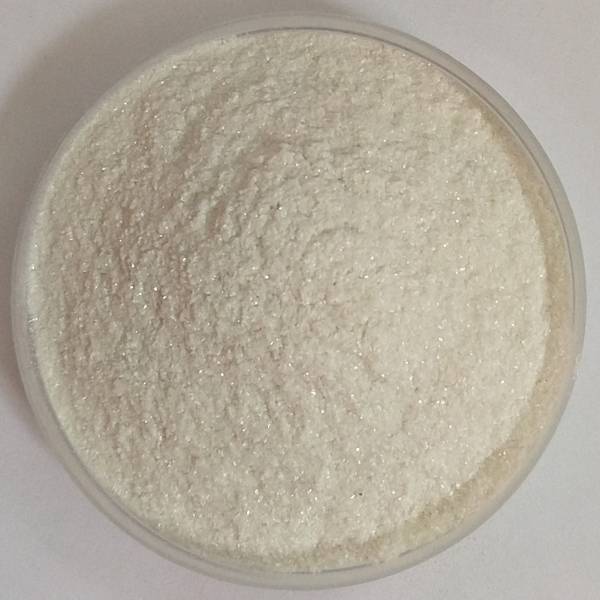
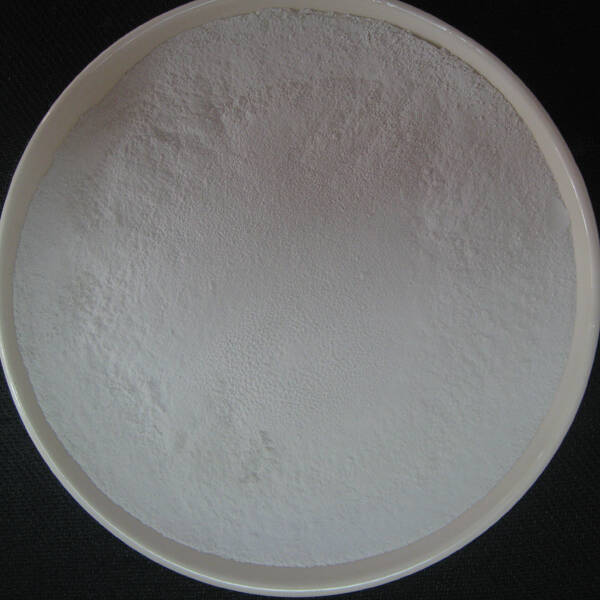
Russia's vast geography and extreme temperature fluctuations create a unique demand for materials with exceptional thermal expansion coefficients. The use of mica powder in insulating coatings is critical for infrastructure that must operate in Siberia's sub-zero environments while maintaining structural integrity.

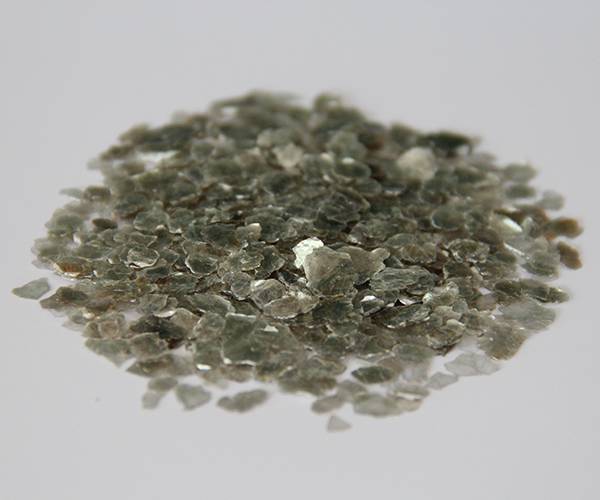
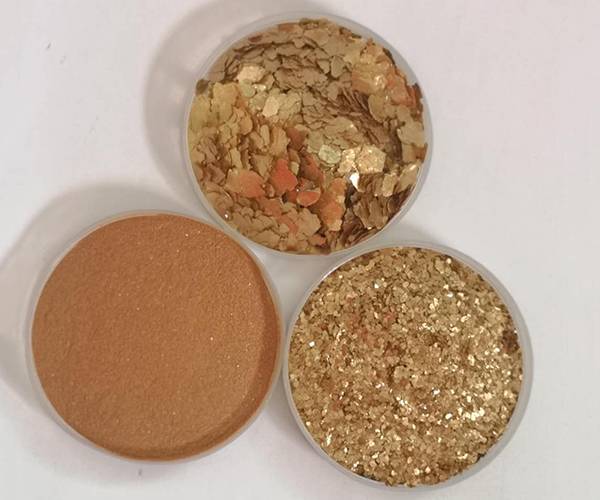
The Russian non-metallic mineral industry is currently pivoting toward higher purity standards to support its aerospace and nuclear energy sectors. This shift has increased the reliance on precision-graded mica flake to ensure consistent dielectric strength in high-voltage equipment.

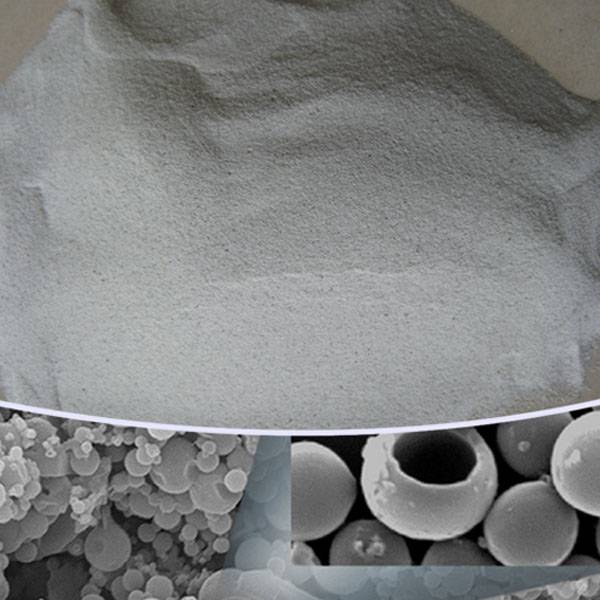
Economically, the region is optimizing its supply chain to reduce dependence on volatile imports, favoring suppliers who can provide consistent chemical compositions of mica coarse for heavy-duty industrial furnace linings and refractory bricks.
Evolution of Mica Processing Technology

From traditional mining to precision engineered mineral sheets.

Market Development History

In the early 20th century, Russian mica utilization focused on raw extraction for basic electrical insulators, relying on naturally cleaved muscovite sheet for primitive capacitors and heating elements.

Between 1970 and 2000, the industry transitioned toward mechanical micronization. This era saw the rise of standardized mesh sizes, allowing for the precise application of mica in automotive paints and composite plastics.

From 2010 to the present, the focus has shifted to chemical purity and surface treatment, enabling the creation of synthetic composites that mimic the properties of natural muscovite but with superior uniformity.

Future Development Trends

Nanoscale Particle Engineering

The trend is moving toward sub-micron particles to enhance the reinforcement of polymer matrices, increasing the mechanical strength of aerospace components.

Sustainable Extraction Processes

Implementation of closed-loop water systems in mica processing to meet stricter environmental regulations across Eurasia.

Smart Dielectric Integration

Developing mica-based composites that can integrate with sensors for real-time monitoring of thermal degradation in industrial ovens.

Future Trends and Strategic Outlook

Predicting the next 5 years of non-metallic mineral innovation.

Thermal Shield Optimization
Increasing demand for high-temperature resistant barriers in energy production plants.
Advanced Dielectrics
Transitioning toward ultra-pure mica for 5G infrastructure and high-frequency electronics.
Composite Synergies
Blending mica with graphene to create hybrid conductive-insulative materials.
Automated Quality Control
Using AI-driven spectrometry to ensure zero-impurity mineral batches.

Industry Outlook

Based on Google Search trends within the Eurasian region, there is a significant uptick in queries regarding "heat resistant industrial fillers," indicating a shift toward sustainable, mineral-based insulation over synthetic polymers.

We expect the market to move toward highly customized particle size distributions, where materials are tailored to specific viscosity requirements of the Russian chemical manufacturing sector.

Localization Applications in Russia

Real-world deployment of mica products in Russian industrial environments.

1. Oil & Gas Refinery Insulation

Utilizing coarse-grain mica in high-temperature gaskets for pipelines in the Ural region to prevent thermal leakage.

2. Arctic Power Grid Components

Applying high-purity mica flakes in transformer bushings to ensure electrical stability in extreme cold weather.

3. Aerospace Thermal Barriers

Integrating micronized muscovite into fuselage coatings for heat shielding during high-velocity atmospheric flight.

4. Heavy Metallurgy Furnace Linings

Deploying thick mica sheets as primary insulating layers in steel smelting furnaces to reduce energy consumption.

5. Russian Automotive Coatings

Using pearl-effect mica powders in luxury vehicle finishes to provide weather-resistant and aesthetic brilliance.

Brand Story

Global Development Journey of Shijiazhuang Rijia Import and Export Trade Co., Ltd.

Foundation and Vision

Established to bridge the gap between raw mineral extraction and precision industrial application, focusing on purity and consistency.

Technical Breakthroughs

Developed proprietary micronization techniques that allowed for unprecedented control over particle morphology.

Market Expansion

Strategically expanded into the European and Russian markets, adapting products to meet GOST standards.

Quality Certification

Achieved international quality benchmarks, ensuring every batch of mica meets the strictest dielectric requirements.

Future Commitment

Dedicated to solving the pain points of mineral instability in heavy manufacturing through sustainable innovation.

Industrial Mica FAQ - Russia Region

Technical answers to common queries regarding mica mineral applications.

How does mica powder perform in extreme Siberian cold?

Our mica powder maintains its chemical stability and does not become brittle, making it ideal for low-temperature insulating coatings.

What is the difference between mica flake and muscovite sheet for electrical use?

Mica flakes are used as fillers in composites, while muscovite sheets are used for direct structural insulation and high-voltage barriers.

Can mica coarse be used in heavy-duty smelting furnaces?

Yes, mica coarse provides the necessary thermal bulk and resistance to withstand high-temperature smelting environments common in Russian metallurgy.

Is your mica muscovite compatible with epoxy resins?

Absolutely. Our muscovite is treated to ensure optimal bonding with industrial resins, enhancing the overall dielectric strength.

What are the shipping lead times for bulk mica powder to Russia?

We offer optimized logistics routes to ensure timely delivery to major Russian industrial hubs, typically ranging from 20 to 45 days depending on the port.

Do you provide custom mesh sizes for mica flake?

Yes, we provide customized grinding and screening services to meet the specific micron-level requirements of your project.

Consult Our Mineral Experts

Ready to optimize your manufacturing process with high-grade mica? Contact us today for tailored solutions delivered to Russia.

Contact Us Now

If you are interested in our products, you can choose to leave your information here, and we will be in touch with you shortly.