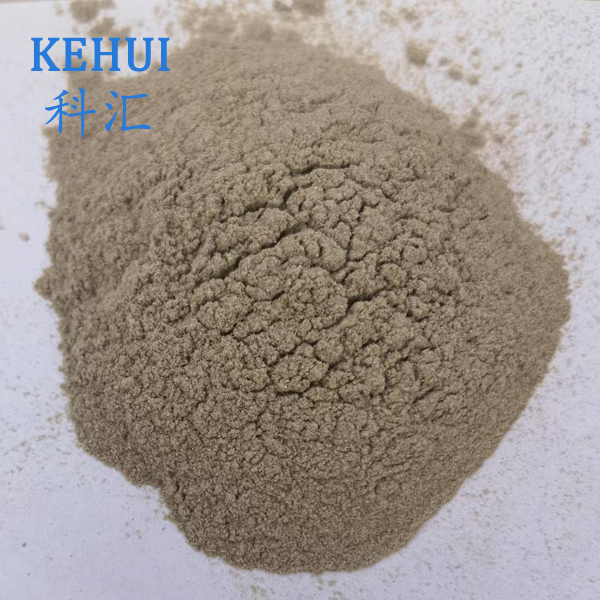
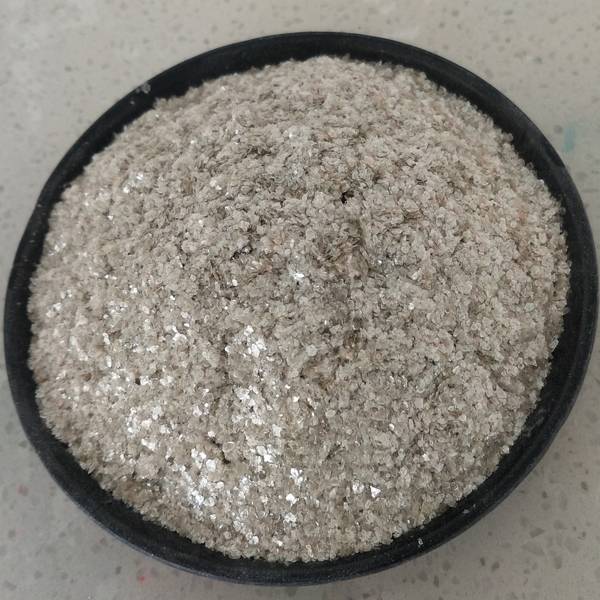
High-Performance mica muscovite Solutions for New Zealand's Industrial Sector

Engineered mineral solutions providing superior thermal insulation and dielectric strength for the Oceania region's demanding manufacturing environments.

High-Performance mica muscovite Solutions for New Zealand's Industrial Sector

Providing specialized non-metallic mineral products tailored to the unique geological and industrial requirements of New Zealand, ensuring maximum durability and electrical stability.

Mineral Manufacturing Status in New Zealand

Analyzing the integration of specialized mica products within the local non-metallic mineral industry.

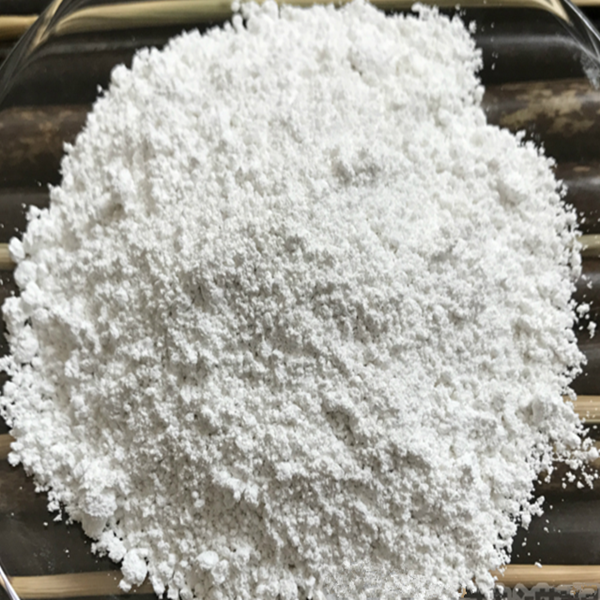
In New Zealand, the manufacturing of non-metallic mineral products is heavily influenced by the country's unique volcanic geography and stringent environmental regulations. The demand for high-purity mica powder has grown as local industries move toward sustainable, high-efficiency insulation materials that can withstand the humid, maritime climate of the islands.

The local market currently relies on a hybrid model of domestic processing and strategic imports. For high-precision applications in electrical engineering and aerospace, there is a critical need for consistent muscovite sheet that meets international ISO standards while remaining compatible with New Zealand's specific industrial safety protocols.

Economic shifts toward high-tech agriculture and green energy in the Oceania region have pushed the industry to explore more refined grades of mica. This has led to an increased adoption of specialized mineral fillers to enhance the thermal properties of composite materials used in geothermal energy harvesting.
Evolution of Mica Processing and Application

From traditional mining to precision-engineered mineral particulates.

Market Development History

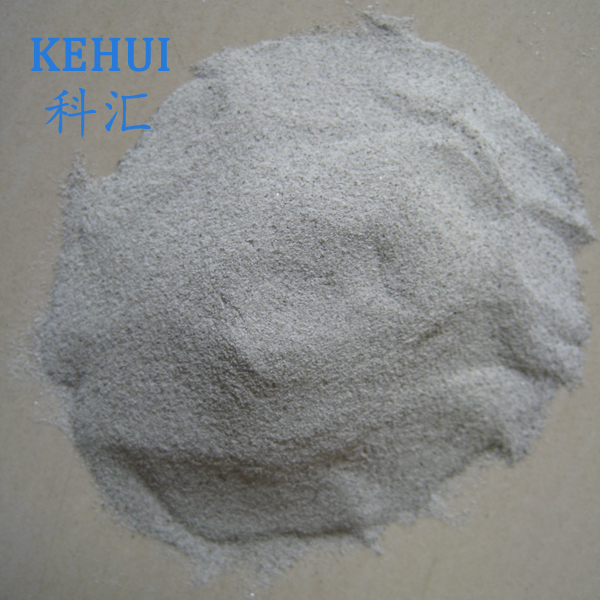
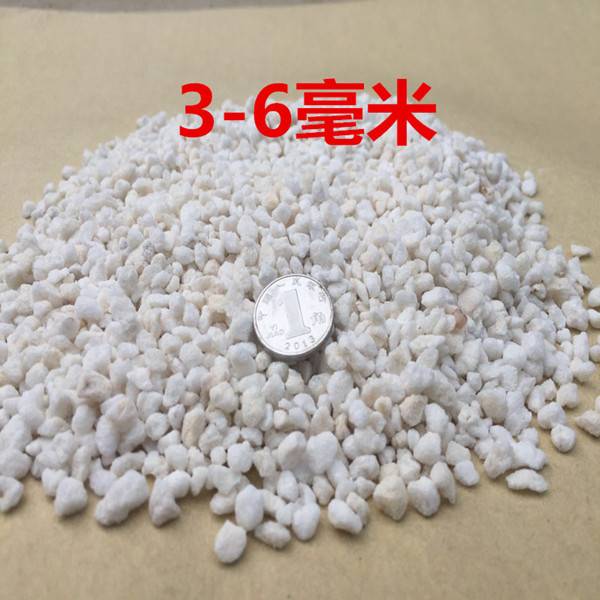
During the early industrial phase (1950s-1980s), the focus in the region was primarily on coarse-grade minerals. The use of mica coarse was prevalent in basic construction and primitive heat shielding, where raw mineral properties were sufficient for low-precision tasks.

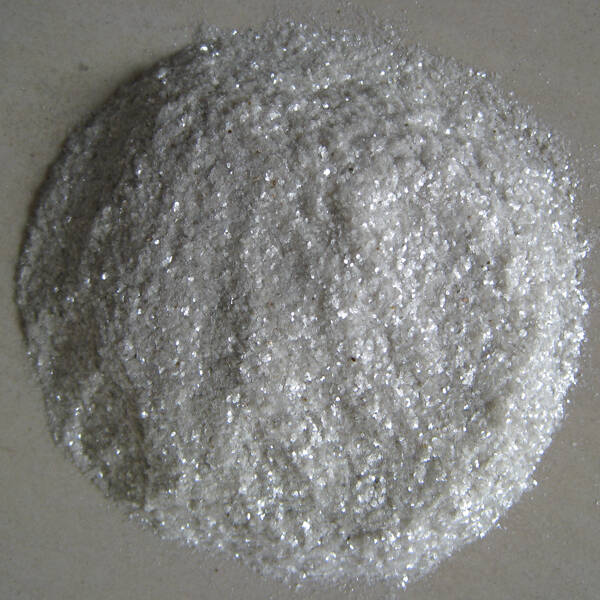
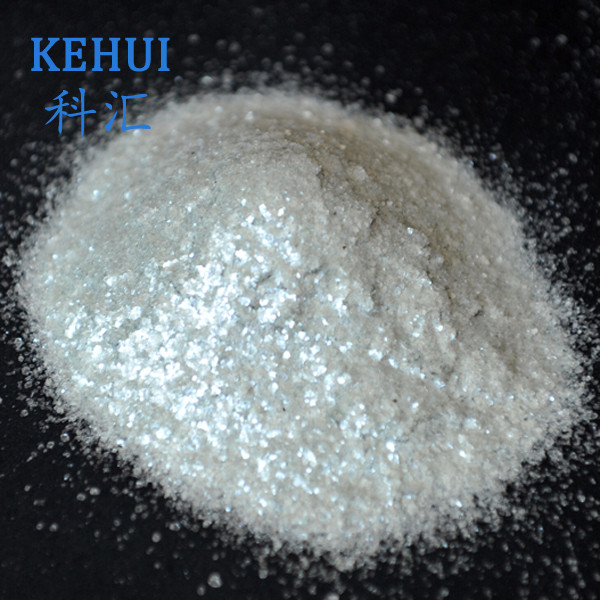
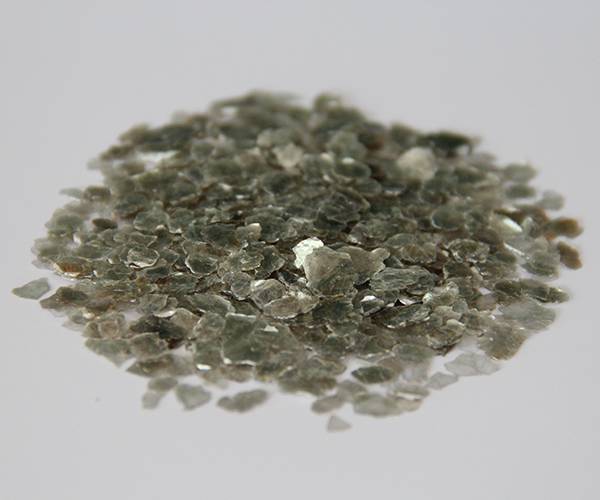
By the 1990s and early 2000s, a technological pivot occurred. The industry shifted toward micronization, allowing for the production of mica flake. This iteration allowed manufacturers to create layered coatings and reinforced plastics, significantly improving the dielectric strength of electrical components.

In the last decade, the focus has transitioned to "Ultra-Pure" specifications. The integration of automated sorting and chemical purification has enabled the production of high-grade muscovite that serves the semiconductor and advanced automotive industries across Oceania.

Future Development Trends

Nano-Scale Particle Engineering

Integration of nano-mica into polymer matrices to create ultra-thin, high-strength insulating barriers for the next generation of EV batteries.

Sustainable Extraction Logistics

A shift toward closed-loop processing and carbon-neutral logistics to align with New Zealand's "Zero Carbon" goals by 2050.

Smart Composite Integration

Developing "intelligent" minerals that change properties based on thermal stimuli, enhancing safety in high-voltage power grids.

Industrial Trends and Future Outlook

Strategic forecasts for the non-metallic mineral sector in New Zealand.

Thermal Management Shift
Increasing demand for high-purity minerals to manage heat in dense electronic assemblies.
Dielectric Precision
Focus on zero-defect mineral sheets for aerospace and telecommunications infrastructure.
Green Mineral Certification
Rise of ethically sourced and low-emission processed mineral powders in the EU/NZ trade corridor.
Composite Hybridization
Combining muscovite with synthetic ceramics for ultra-high temperature industrial kilns.

Industry Outlook

Google search trends indicate a growing interest in "sustainable mineral fillers" and "advanced thermal insulators" within the New Zealand industrial sector. This suggests a transition toward materials that not only perform technically but also align with the country's strict environmental ethos.

We predict that over the next 3-5 years, the market will move away from generic mineral supplies toward custom-engineered particulates. The ability to control the aspect ratio of mica flake will become a primary competitive advantage for manufacturers serving the Oceania aerospace and energy sectors.

Local Application Scenarios in New Zealand

Real-world deployment of non-metallic mineral products in the Oceania region.

01. Geothermal Power Plant Insulation

Utilizing high-grade muscovite to insulate turbine components against extreme heat and corrosive volcanic gases common in Taupo and Rotorua geothermal fields.

02. Marine-Grade Electrical Enclosures

Integrating specialized mineral powders into epoxy resins to protect coastal electronics from salt-spray corrosion and electrical leakage.

03. Sustainable Housing Composites

Applying fine mica particulates in eco-friendly building materials to improve the thermal mass and fire resistance of prefabricated New Zealand homes.

04. Agricultural Machinery Heat-Shielding

Deploying coarse mineral sheets in heavy-duty farming equipment to protect sensitive sensors from engine heat in rugged terrain.

05. Precision Aerospace Components

Using ultra-thin sheets for dielectric layers in specialized aviation electronics developed for the South Pacific aerospace corridor.

Brand Story

Global Development History of Shijiazhuang Riji Import and Export Trade Co., Ltd.

Foundation of Excellence

Established with a mission to bridge the gap between raw mineral extraction and high-precision industrial application.

Technical Breakthroughs

Developed proprietary micronization processes that redefined the purity and consistency of global mica supplies.

Global Expansion

Expanded operations into the Oceania region, adapting product specifications to meet New Zealand's rigorous industrial standards.

Sustainability Pivot

Implemented green processing technologies to ensure all mineral exports minimize ecological impact.

Future Vision

Dedicated to solving the most complex thermal and electrical insulation challenges for the next generation of global manufacturing.

Comprehensive Mineral Portfolio for New Zealand

A full spectrum of muscovite-based solutions designed for the Oceania industrial landscape.

Industrial Mica FAQ - New Zealand Edition

Answers to the most common technical and logistical questions from our local partners.

How does high-purity mica powder improve composite durability in humid climates?

The plate-like structure of mica creates a tortuous path for moisture, significantly reducing water permeability and preventing internal corrosion in humid New Zealand environments.

What are the primary advantages of using mica flake over traditional fillers?

Mica flakes provide superior directional insulation and mechanical reinforcement, making them ideal for high-voltage components requiring thin-wall efficiency.

Can mica coarse be used in geothermal heat shielding applications?

Yes, coarse grades are excellent for high-temperature bulk insulation where structural rigidity and thermal resistance are prioritized over dielectric precision.

What is the difference between muscovite sheet and synthetic mica for industrial use?

Natural muscovite sheets offer superior thermal stability and cost-effectiveness, while synthetic versions are used only for extreme chemical purity requirements.

How is the purity of mica muscovite verified for aerospace standards?

We utilize X-ray diffraction (XRD) and ICP-OES analysis to ensure that iron content and impurities are kept below the critical thresholds required for aviation electronics.

What are the shipping lead times for bulk mineral orders to New Zealand?

Depending on the volume and grade, lead times typically range from 3 to 6 weeks, including customs clearance and logistics through major New Zealand ports.

Consult Our Mineral Experts

Get tailored technical specifications and logistics quotes for your projects in New Zealand.

Contact Us Now

If you are interested in our products, you can choose to leave your information here, and we will be in touch with you shortly.