High-Performance mica muscovite Solutions for Mali Industrial Growth

Providing premium mineral reinforcements and thermal insulation materials tailored for the unique geological and infrastructural demands of Mali's manufacturing sector.

High-Performance mica muscovite Solutions for Mali Industrial Growth

Our specialized non-metallic mineral products provide exceptional dielectric strength and thermal stability, essential for the evolving industrial landscape of Mali.

Current State of Mineral Manufacturing in Mali

Analyzing the intersection of Mali's mining wealth and industrial mineral processing.

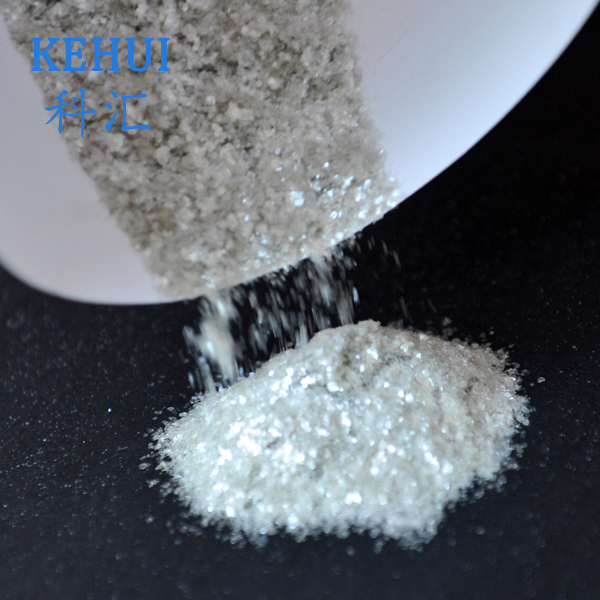
Mali's industrial sector is characterized by a strong reliance on raw mineral exports, yet there is a growing shift toward domestic processing. The demand for mica powder has increased as local construction and paint industries seek materials that can withstand the extreme Sahelian heat and arid climate.

Currently, the availability of processed mica flake is limited, forcing many local manufacturers to import high-grade materials. This creates a gap in the supply chain for the manufacturing of heat-resistant electronics and automotive components within the region.

The integration of mica coarse materials in local refractory brick production is slowly expanding, driven by the need for more durable furnaces in Mali's growing artisanal and small-scale metallurgy shops.
Evolution of Mica Processing and Industrial Trajectory

From artisanal extraction to precision engineering of muscovite minerals.

Market Development History

Prior to 2010, mica usage in Mali was primarily limited to basic geological sampling and low-grade filler applications. The extraction processes were largely manual, with little to no refinement of the mineral's crystal structure.

Between 2010 and 2020, the introduction of mechanized grinding and sorting technologies allowed for the production of standardized muscovite sheet, enabling its use in more complex electrical insulation applications for regional power grids.

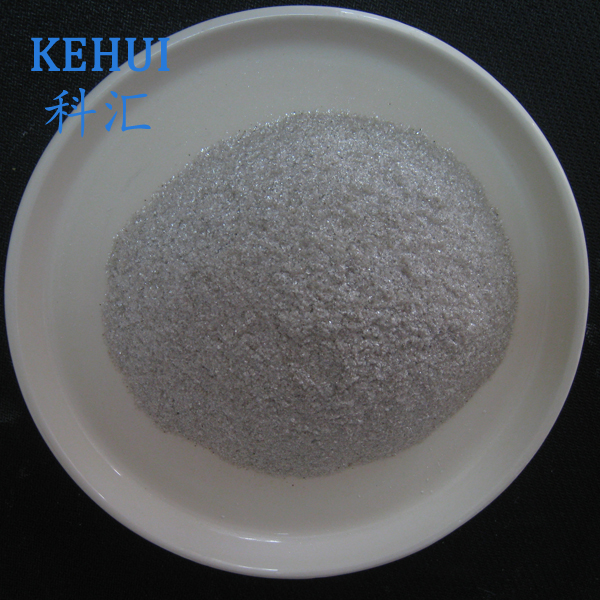
Since 2021, the focus has shifted toward high-purity chemical processing, where the precision of particle size distribution has become critical for advanced polymer composites used in West African infrastructure projects.

Future Development Trends

Precision Micronization

The industry is moving toward ultra-fine grinding to produce high-grade powders that improve the mechanical properties of reinforced plastics.

Thermal Management Innovation

Increasing focus on using muscovite minerals to create passive cooling systems for electronics operating in Mali's high-temperature environments.

Sustainable Mining Integration

A shift toward "Green Mica" sourcing, ensuring that the extraction of minerals adheres to strict environmental and ethical labor standards.

Industry Trends and Future Outlook for Mali

Strategic projections for the non-metallic mineral sector in the coming 3-5 years.

Infrastructure Digitization
Rapid growth in electrical grid expansion in Mali driving demand for high-grade insulation materials.
Heat-Resistant Coatings
Increased adoption of mineral-filled coatings to protect industrial equipment from Sahelian heat.
Composite Materials
Developing hybrid mineral-polymer composites for lightweight, durable construction tools.
Eco-Friendly Processing
Implementing water-recycling systems in mineral washing to preserve Mali's water resources.

Industry Outlook

Based on Google search trends for industrial minerals in the West African region, there is a significant uptick in queries regarding "thermal insulation minerals" and "dielectric fillers." This indicates that Mali is transitioning from a raw material supplier to a consumer of value-added mineral products.

The future will be defined by the ability to customize particle size and purity. Manufacturers who can provide specific grades of muscovite tailored for automotive and electrical applications will dominate the local market share.

Localized Application Scenarios in Mali

Practical implementations of mica minerals in Mali's unique economic landscape.

1. High-Temperature Industrial Coatings

Utilizing mica powder in specialized paints for industrial silos and storage tanks in Bamako to reflect solar radiation and reduce internal temperatures.

2. Electrical Grid Insulation

Implementing muscovite sheet in high-voltage transformers and switchgear to prevent electrical arcing in the dusty, arid environments of the Sahel.

3. Refractory Material Production

Integrating mica coarse into the fabrication of high-temperature kiln linings for local ceramics and metal casting foundries.

4. Automotive Brake Pad Reinforcement

Using mica flake as a reinforcement agent in brake friction materials to increase wear resistance and thermal stability for vehicles operating on unpaved roads.

5. Advanced Polymer Composites

Developing reinforced plastic casings for agricultural machinery using mineral fillers to improve impact strength and heat deformation temperature.

Brand Story

Global Development Journey of Shijiazhuang Rijia Import and Export Trade Co., Ltd.

Foundational Excellence

Established with a vision to bridge the gap between high-purity mineral extraction and industrial application, focusing on precision quality control.

Technological Breakthroughs

Invested in advanced micronization technology to solve the common industry pain point of inconsistent particle size in non-metallic minerals.

Global Market Expansion

Extended operations to the African continent, tailoring mineral specifications to meet the challenging environmental conditions of regions like Mali.

Quality Certification

Achieved international standards for purity and consistency, ensuring that our mica products meet the strictest electrical and thermal requirements.

Future Vision

Committed to sustainable mineral sourcing and providing the "building blocks" for Africa's next industrial revolution.

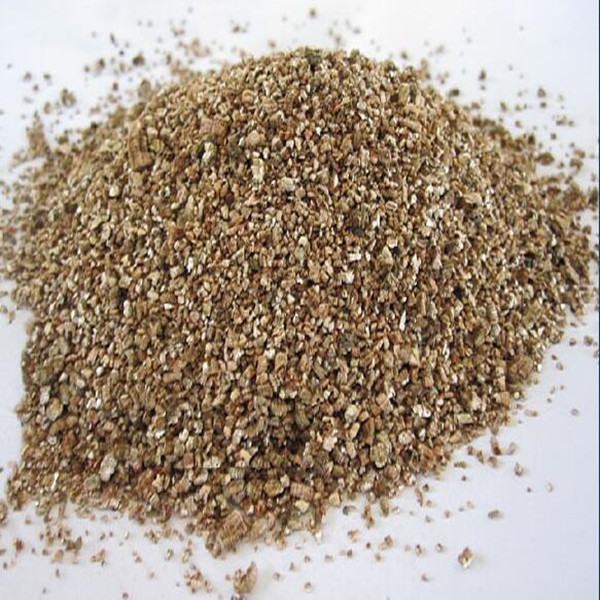
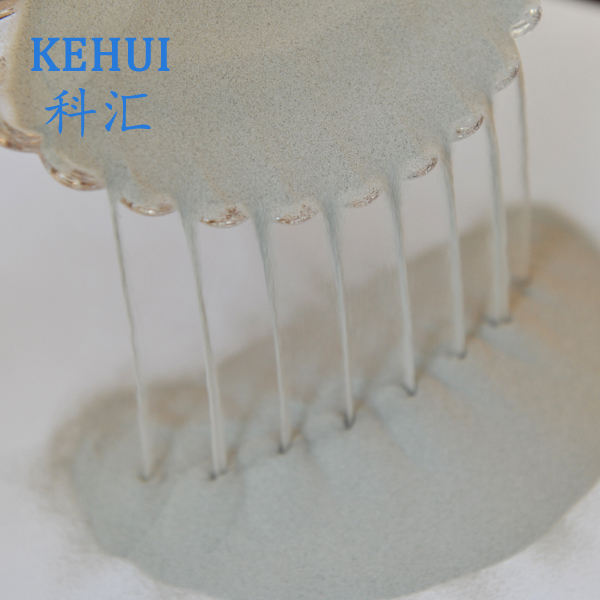
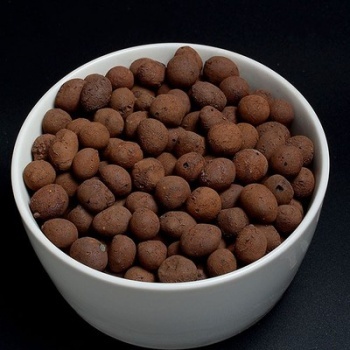
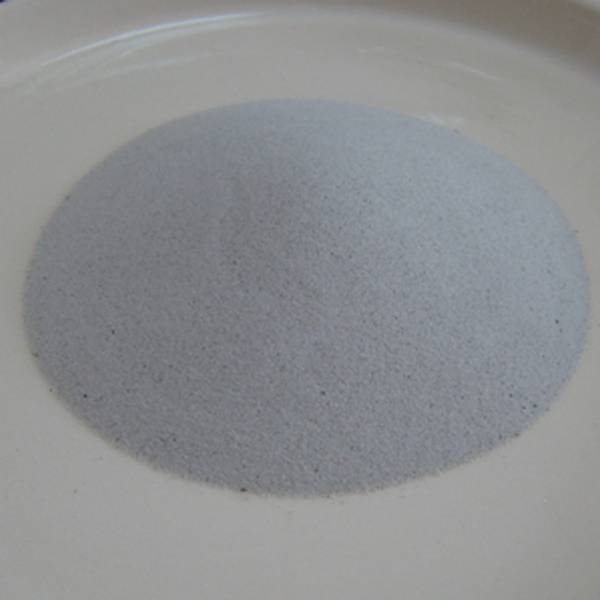
Complete Mineral Portfolio for the Mali Market

A comprehensive range of non-metallic mineral products designed for extreme climates and industrial rigor.

Common Questions for Mali Industrial Users

Expert answers regarding the application and sourcing of mica minerals.

How does high-purity mica powder improve paint durability in Mali's climate?

It acts as a barrier against UV radiation and moisture, reducing the cracking and peeling caused by extreme temperature fluctuations in the Sahel region.

What is the best grade of mica flake for automotive brake pads?

Medium-to-coarse flakes are recommended to provide the best balance of heat dissipation and structural reinforcement for high-friction environments.

Can mica coarse materials be used in artisanal kiln construction?

Yes, its excellent thermal insulation properties make it an ideal additive for refractory clays to increase the lifespan of industrial furnaces.

Why is mica muscovite preferred for electrical insulation in Mali?

Muscovite offers superior dielectric strength and chemical stability, which is critical for preventing failures in Mali's high-temperature power infrastructure.

What are the advantages of using muscovite sheet over other insulators?

The sheet form provides a continuous barrier that is highly resistant to heat and electricity, making it safer for heavy-duty industrial applications.

How should mica products be stored to avoid contamination in dusty environments?

We recommend vacuum-sealed, moisture-proof packaging stored in elevated, dry warehouses to prevent the ingress of local dust and humidity.

Request Industrial Mineral Solutions

Partner with the leading expert in non-metallic mineral manufacturing to optimize your production in Mali.

Contact Us Now

If you are interested in our products, you can choose to leave your information here, and we will be in touch with you shortly.